Dwayne Hodgson

A Portfolio

The work and adventures of Dwayne Hodgson,
+ Learning Designer & Facilitator at learningcycle.ca
+ Storyteller & Photographer @ thataway.ca

Cappadocia Dreaming


October 31 - November 7, 2014 / Cappadocia

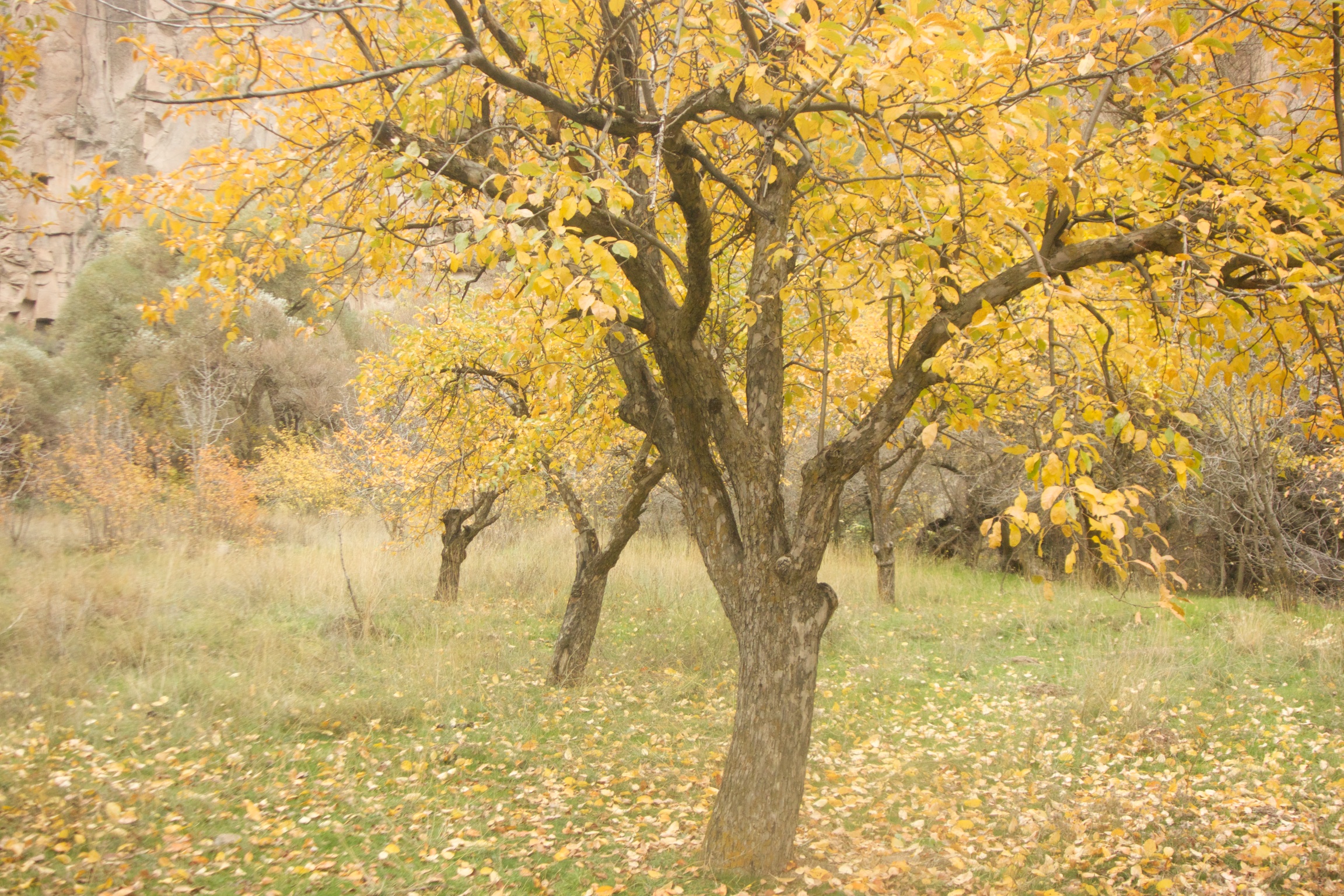
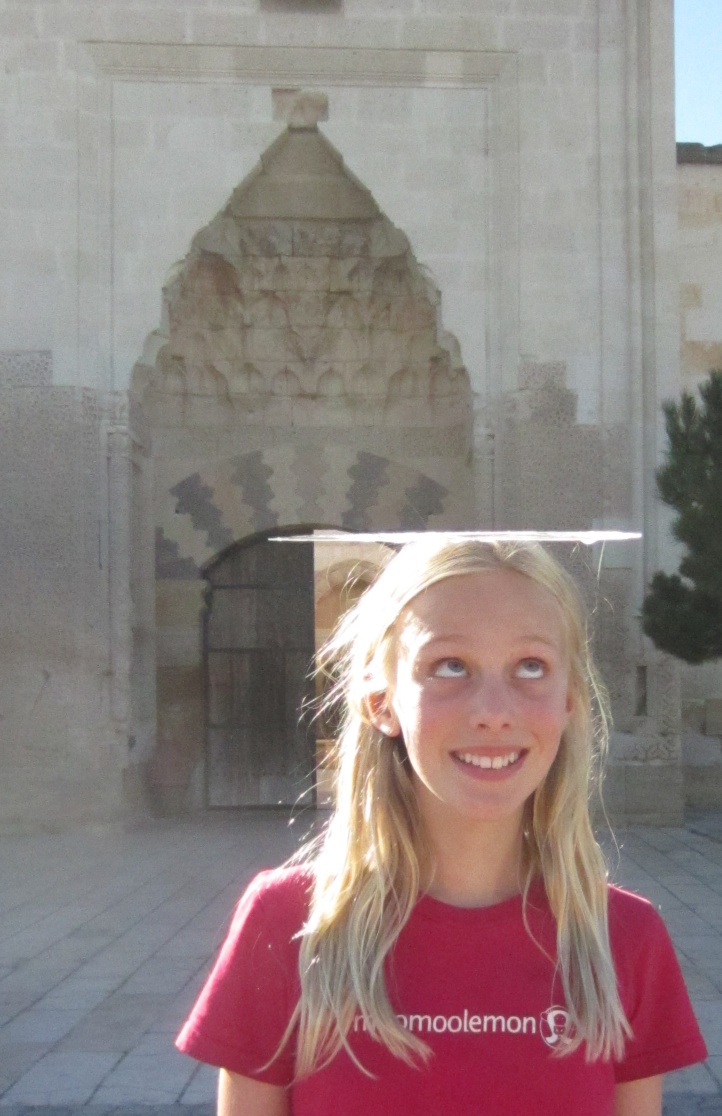
All the leaves were brown, and the sky was grey. Not a great start to our time in Cappadocia, I thought. Flat light makes for dull pictures and I was hoping to take some good shots of the stunning geological features here. It was also quite cool up here at 1200 m above sea level: around 5 Celsisus in the evenings. 

Weather? Underground!

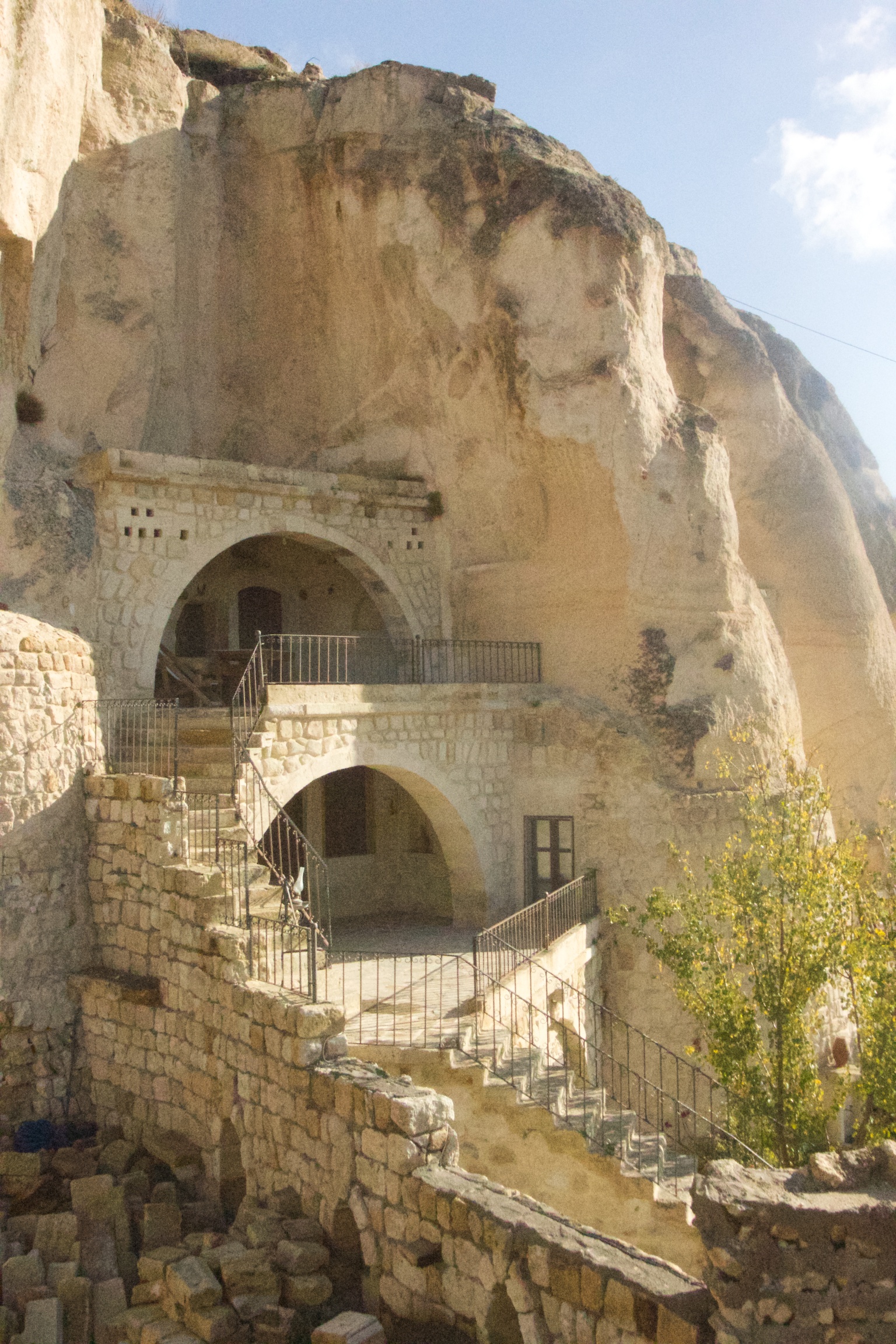
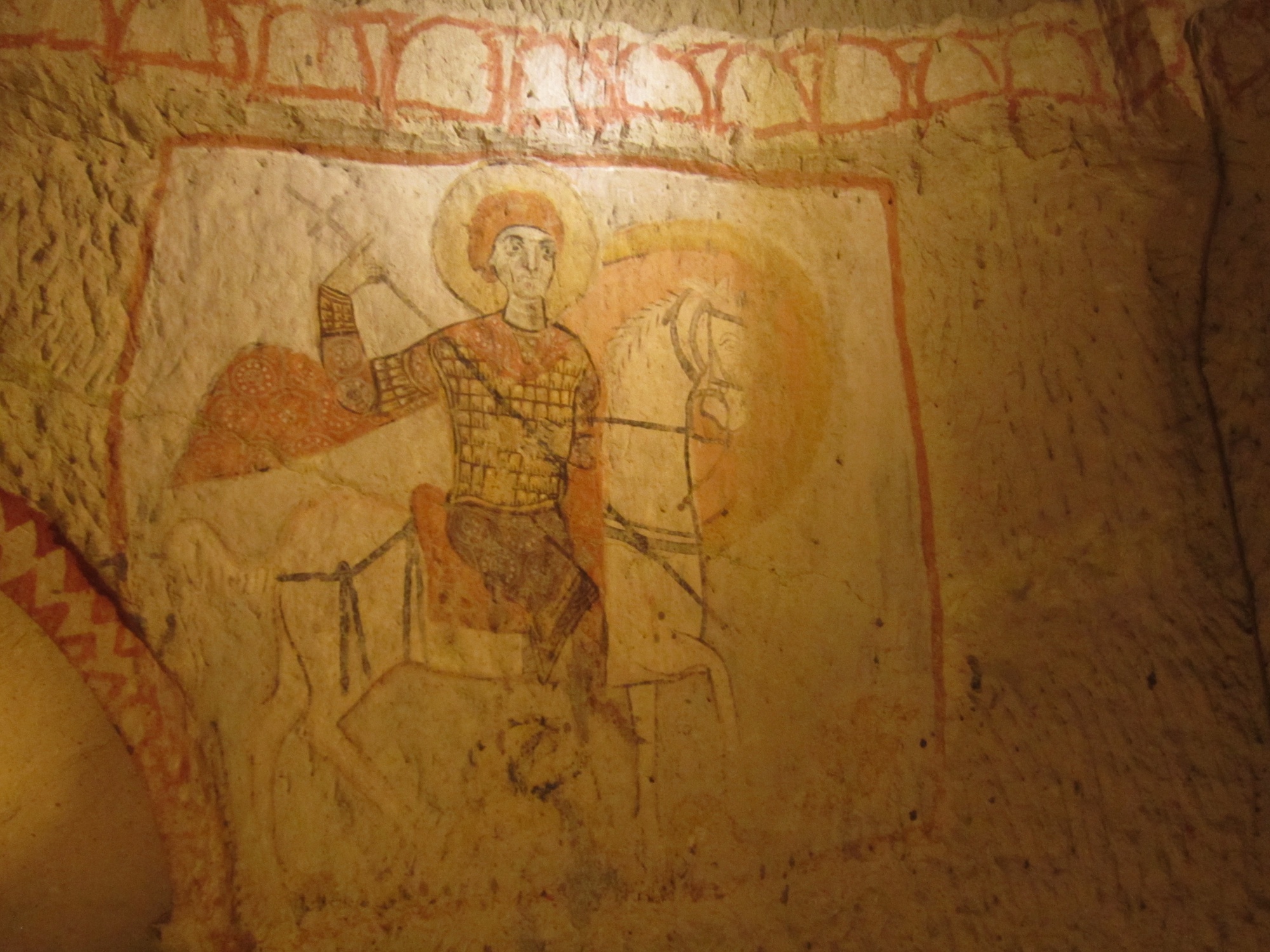
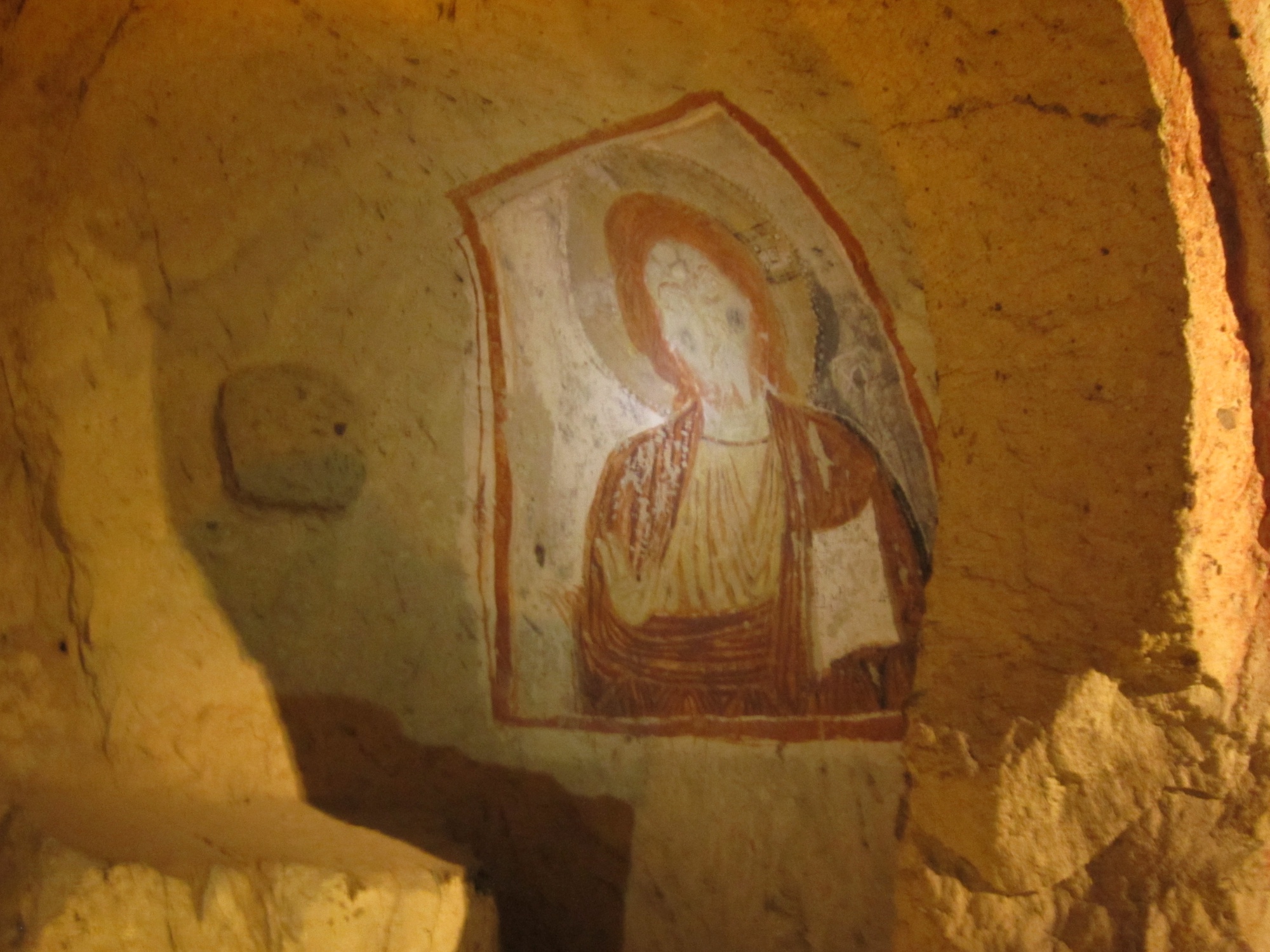
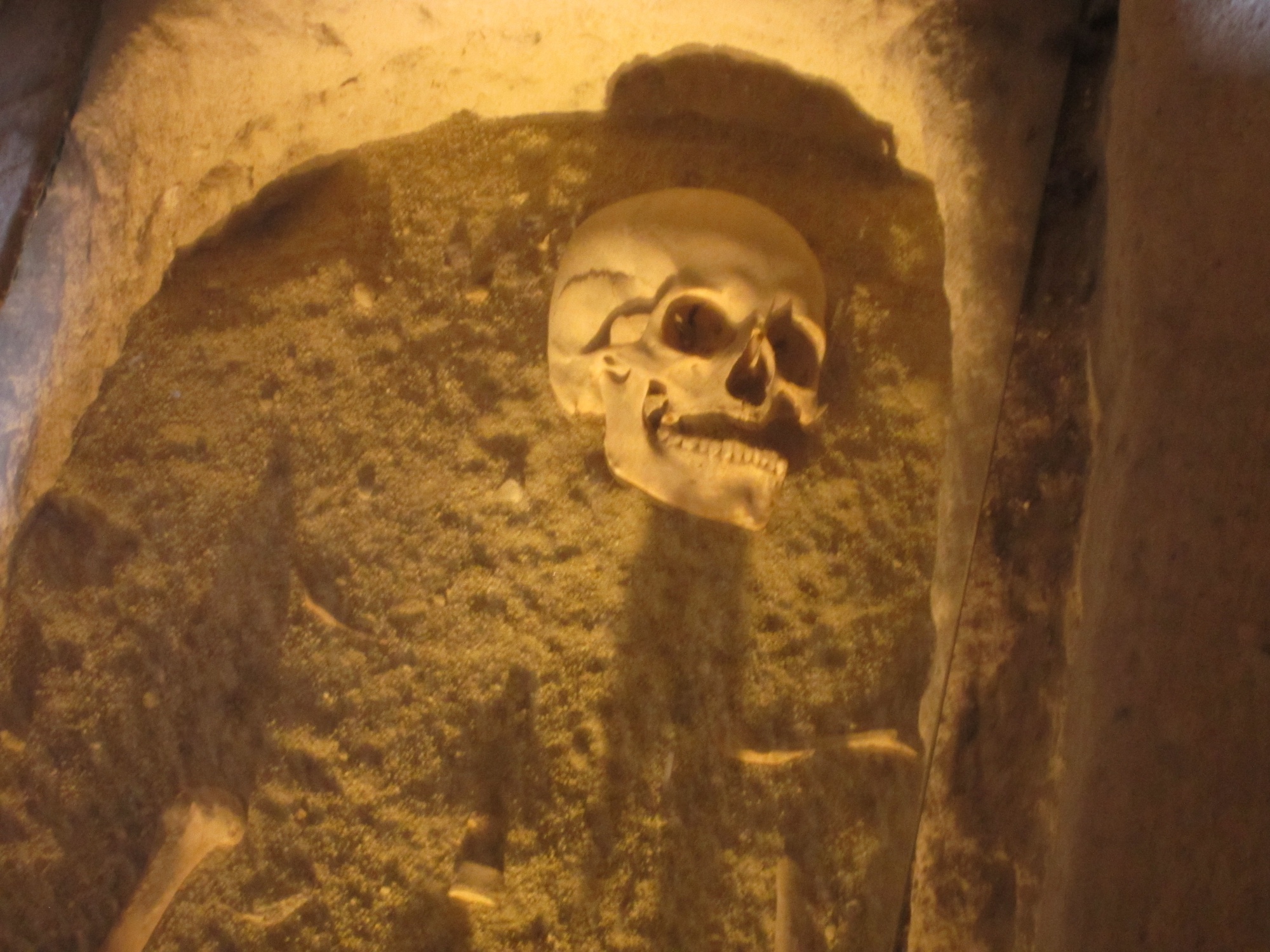
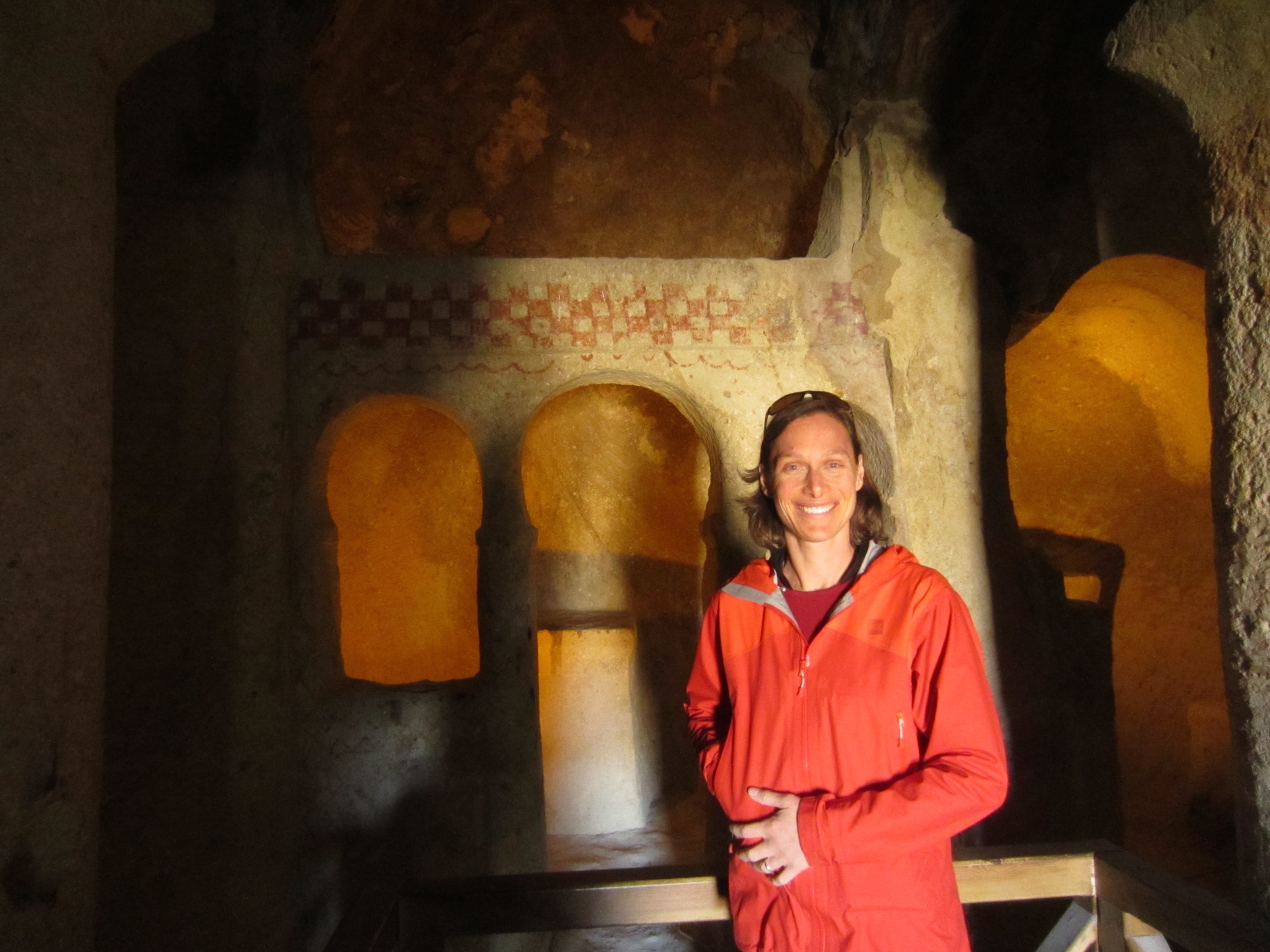
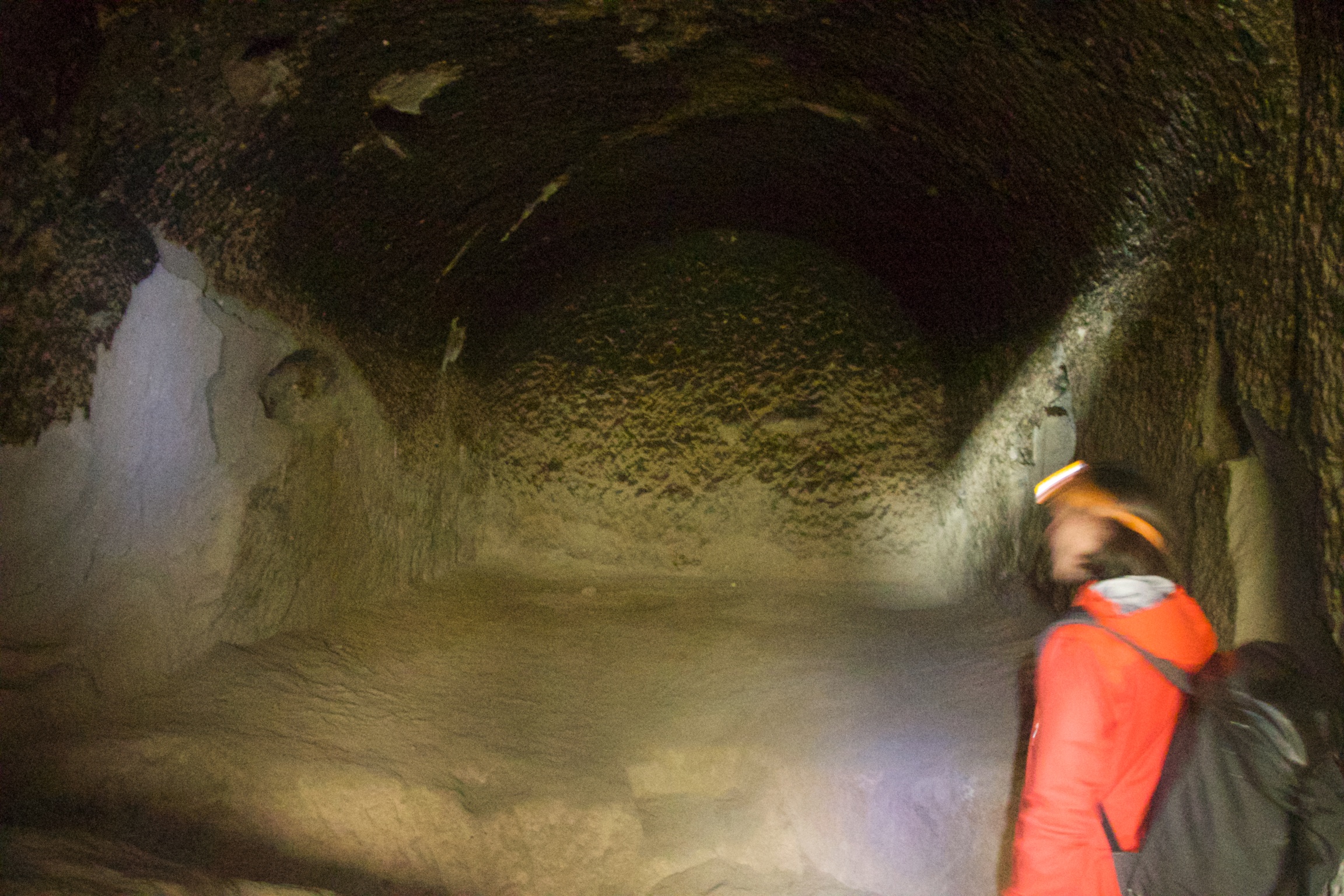
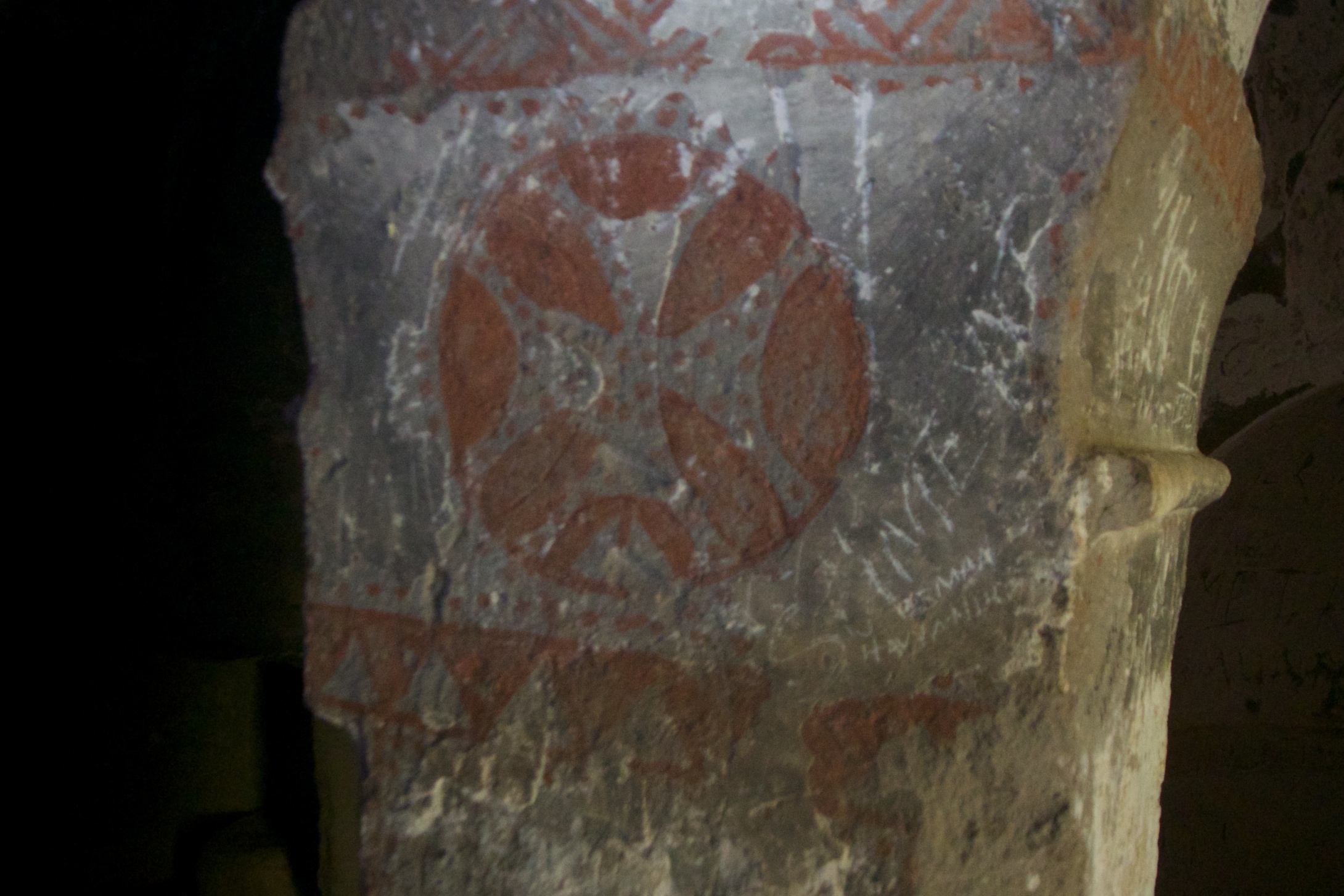
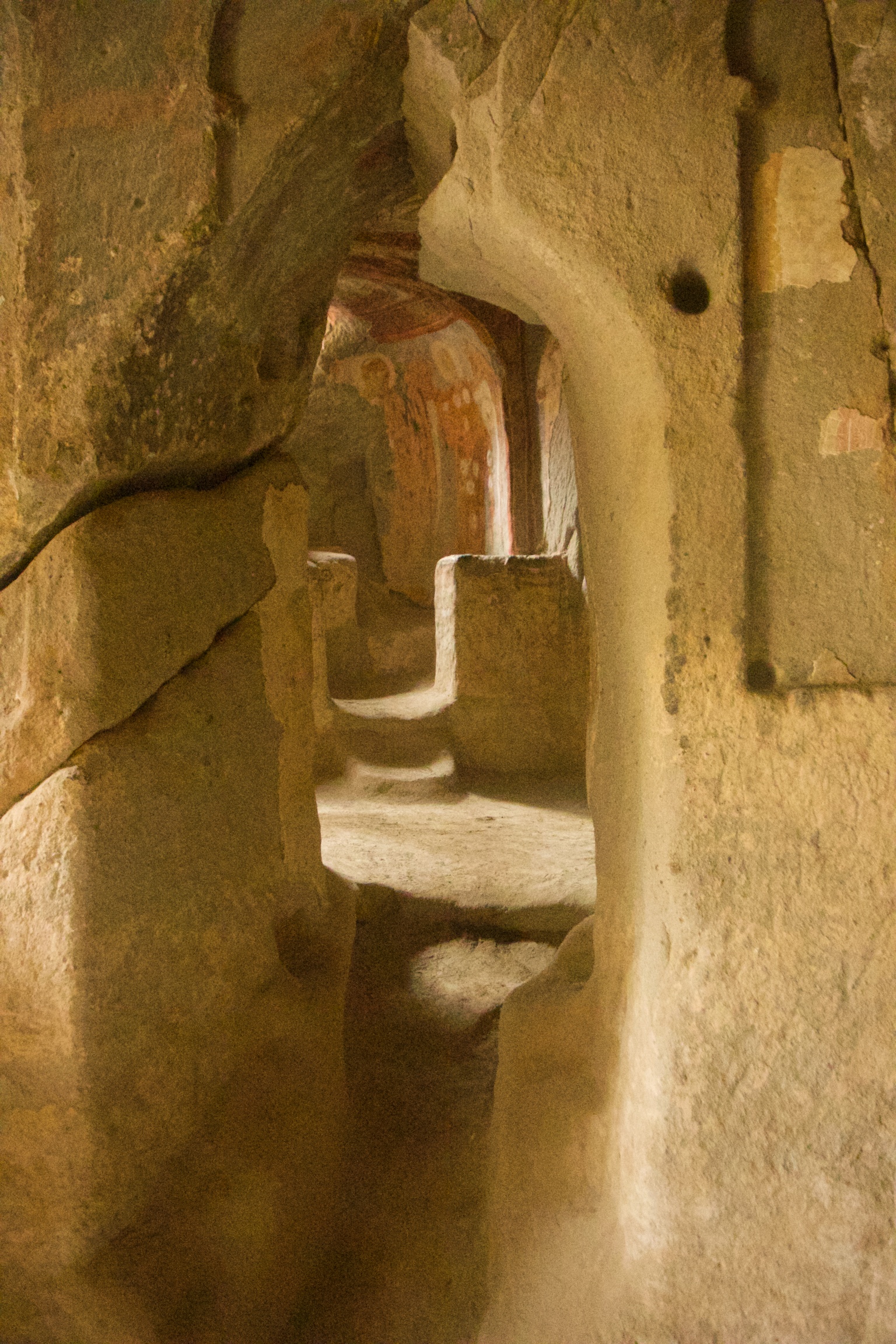
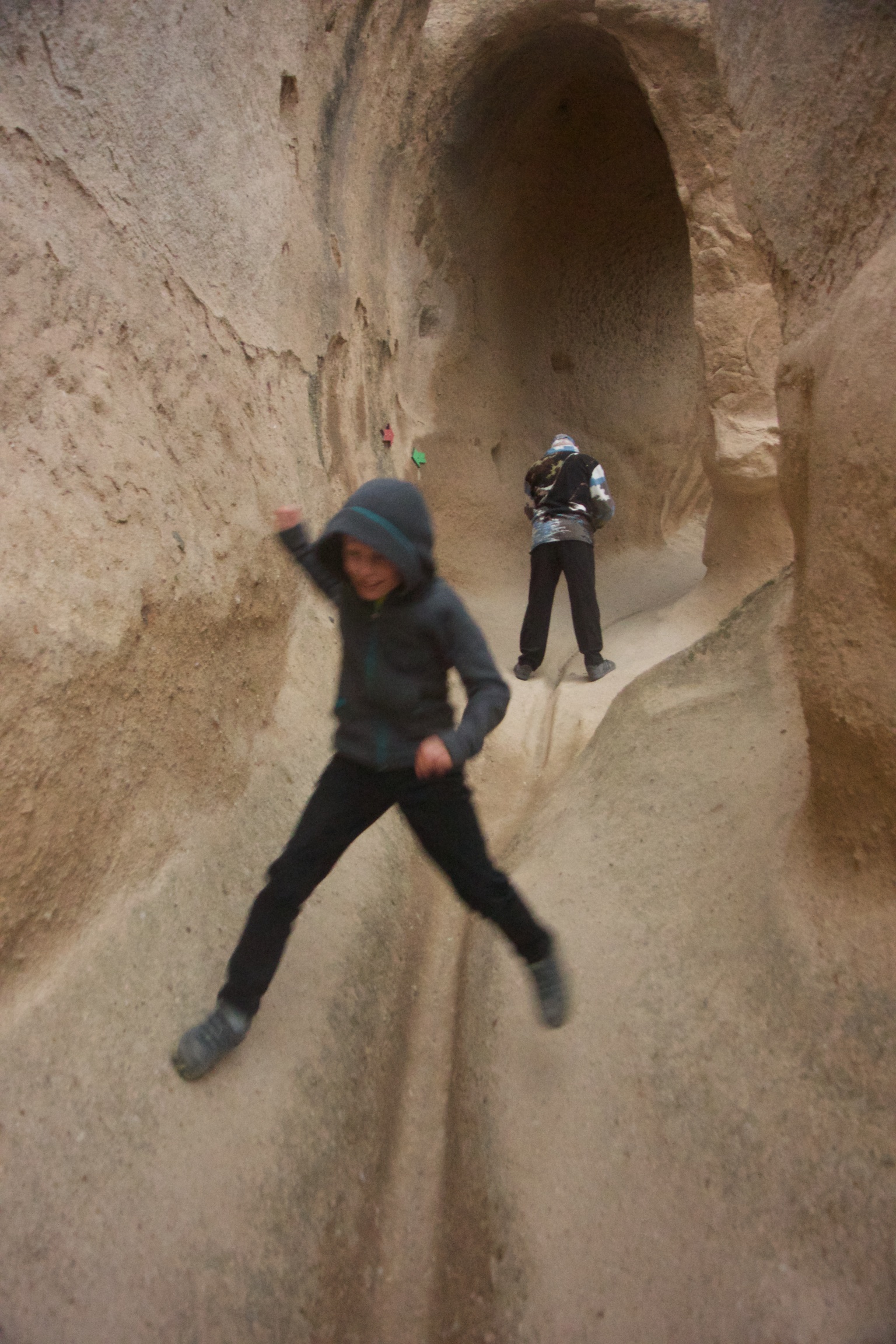
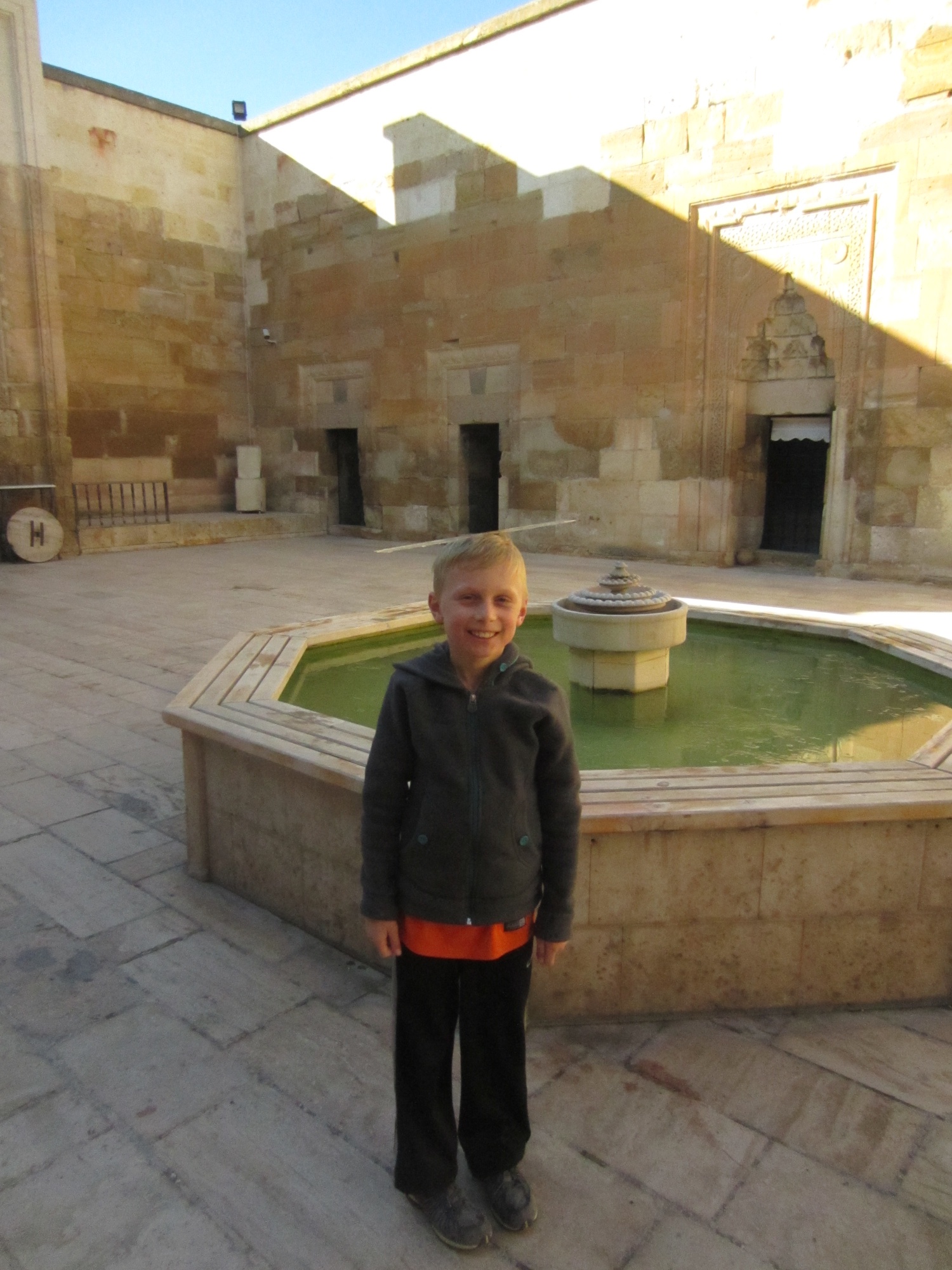
So we made the best of the so-so weather by visiting two underground cities where communities of Christians (AD 400 to 1300) used to hide from marauding invaders. There are reportedly about 100 underground cities in the area, some of which go down as far as 8 stories and which could shelter as many 20,000 people for up to 6 months. The kids had a great time exploring the tunnels and rooms where people used to cook, make wine and worship in subterranean chapels.

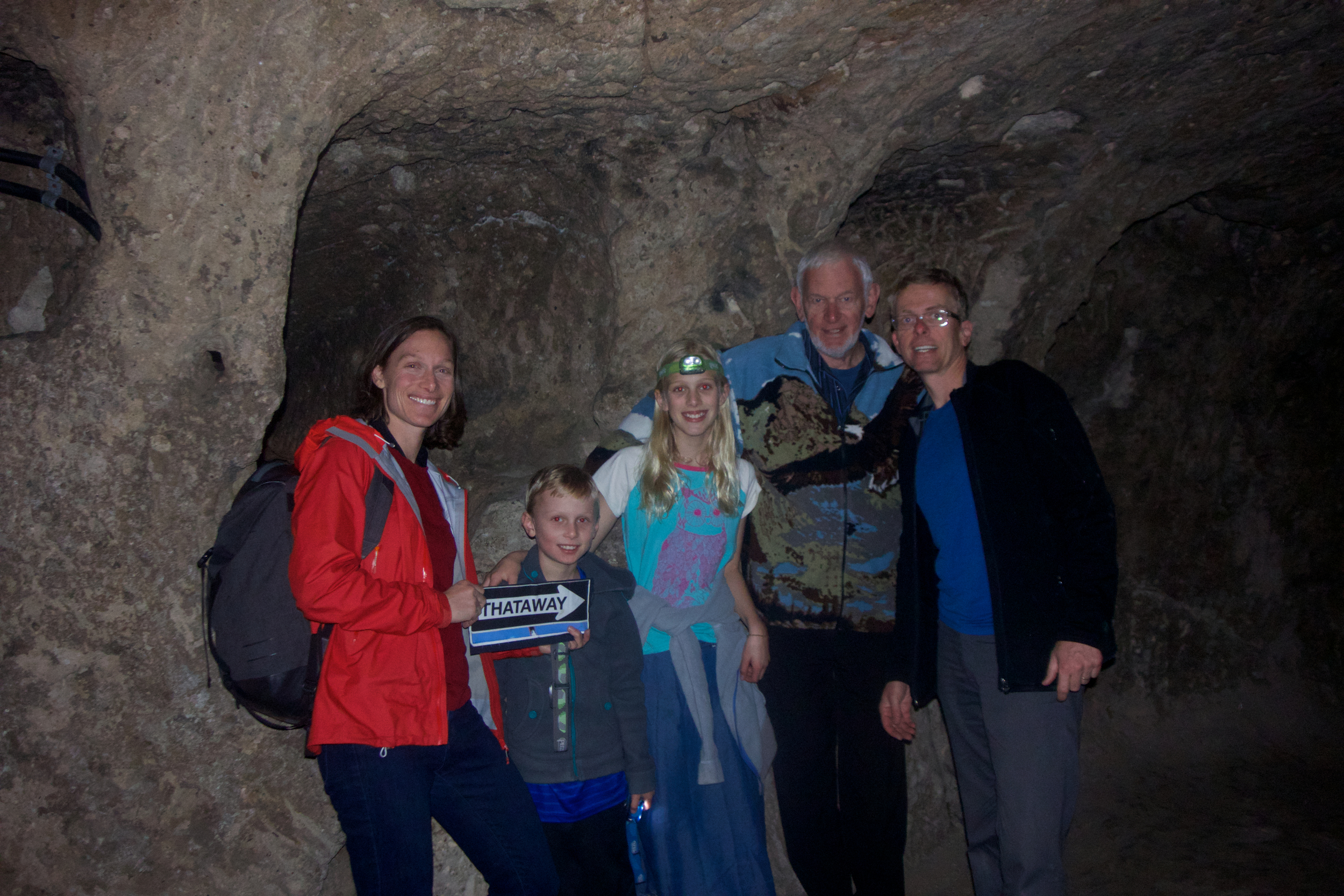
Click here to see the full gallery of Cappadocia Below 

We Are Lost Together

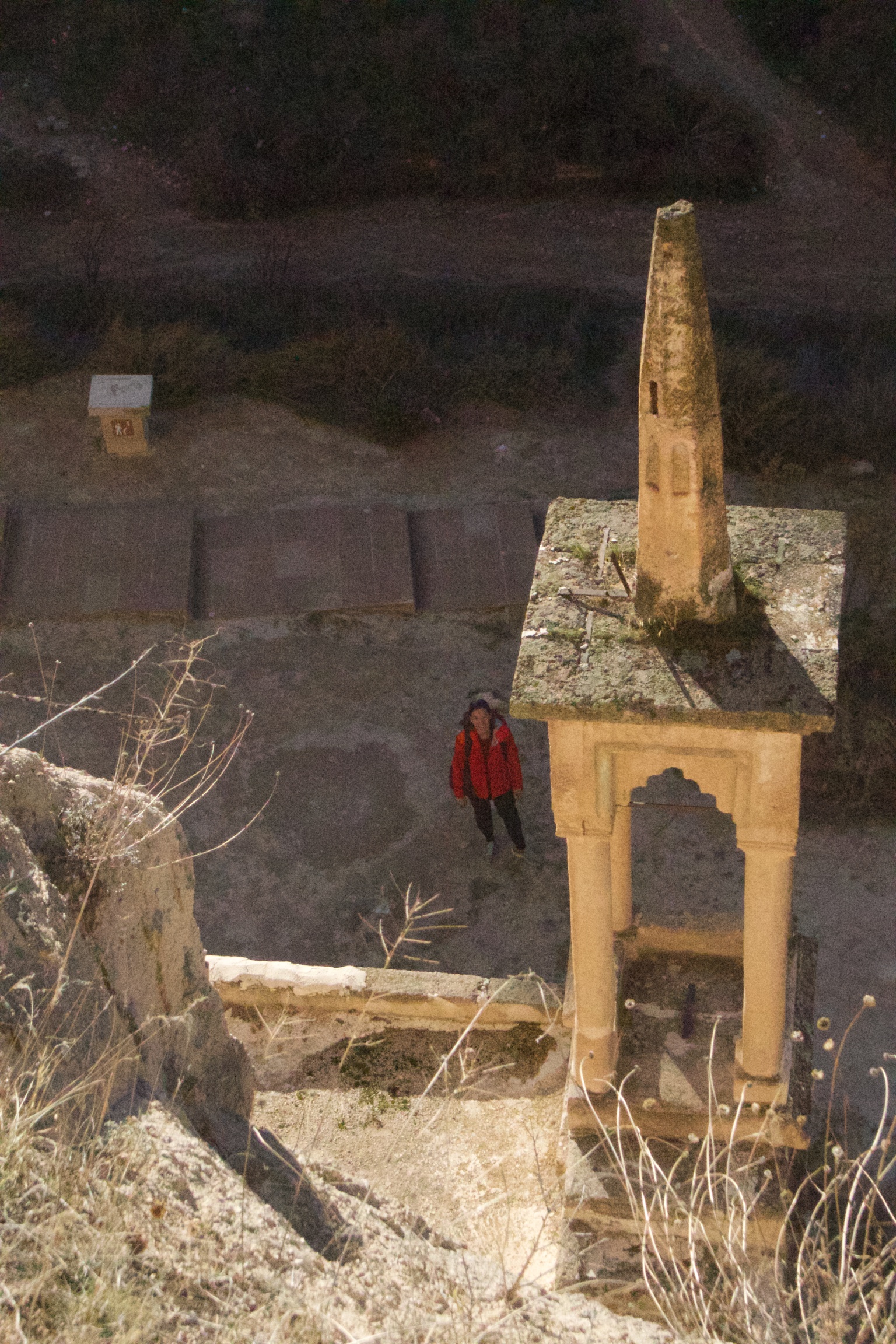
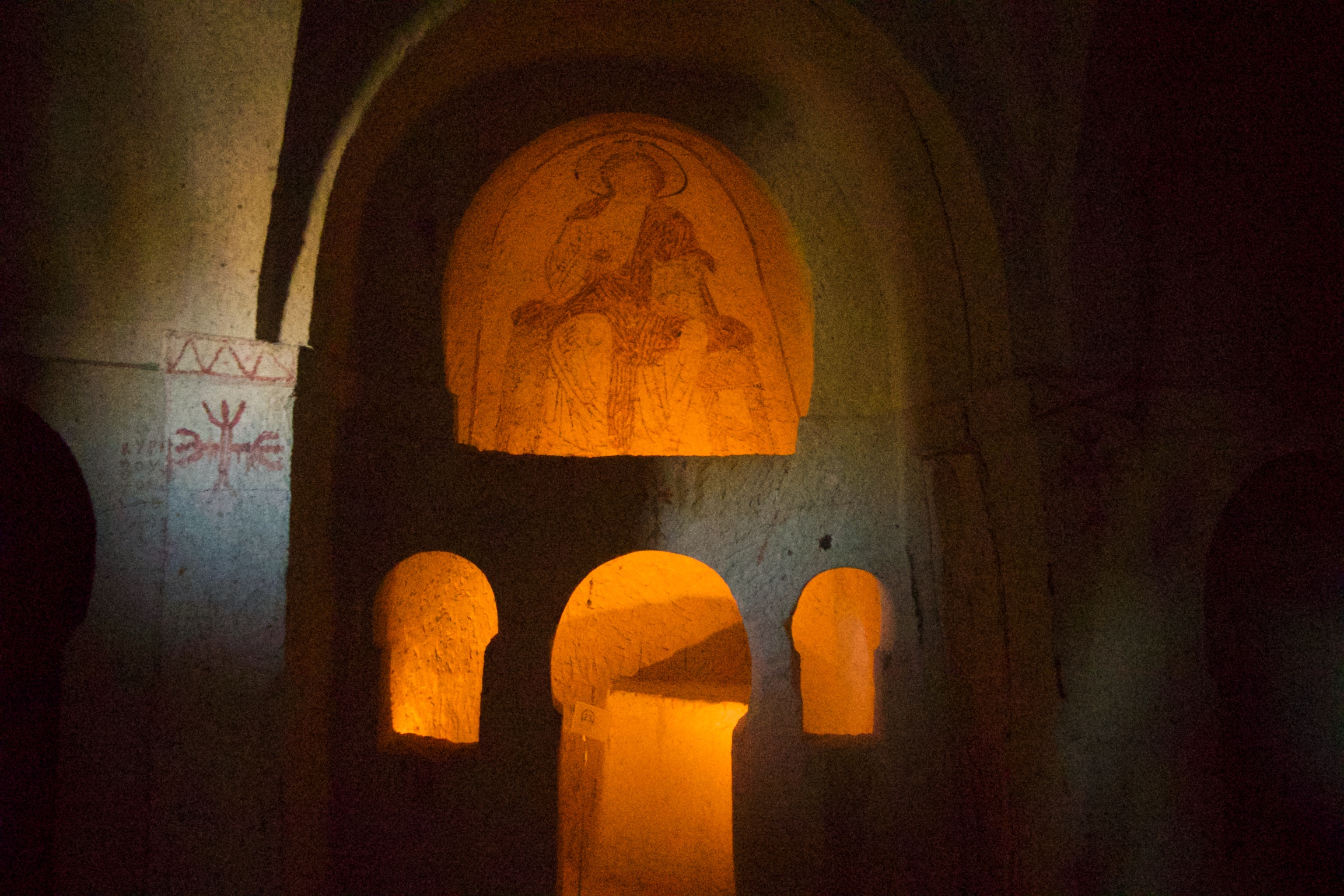
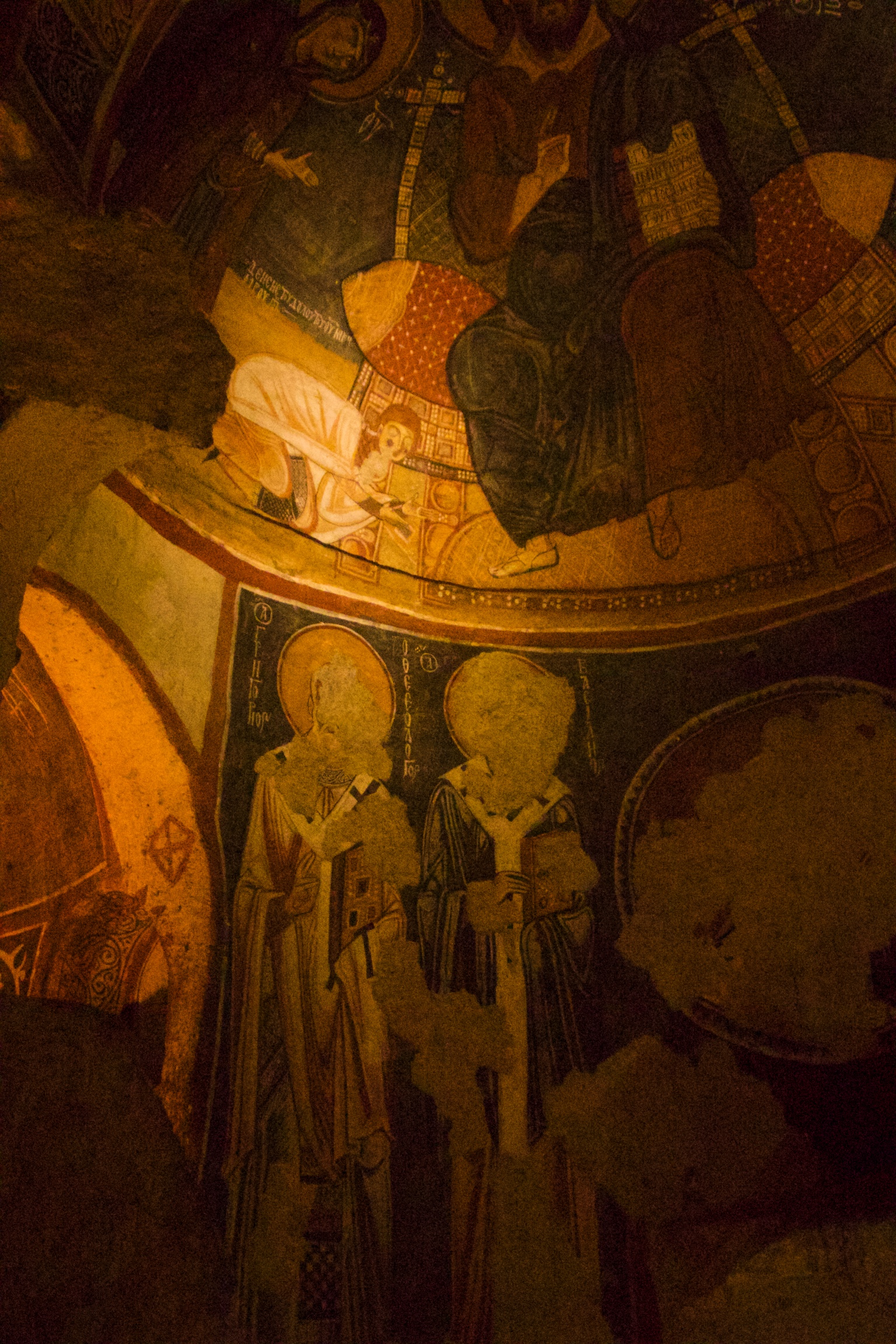
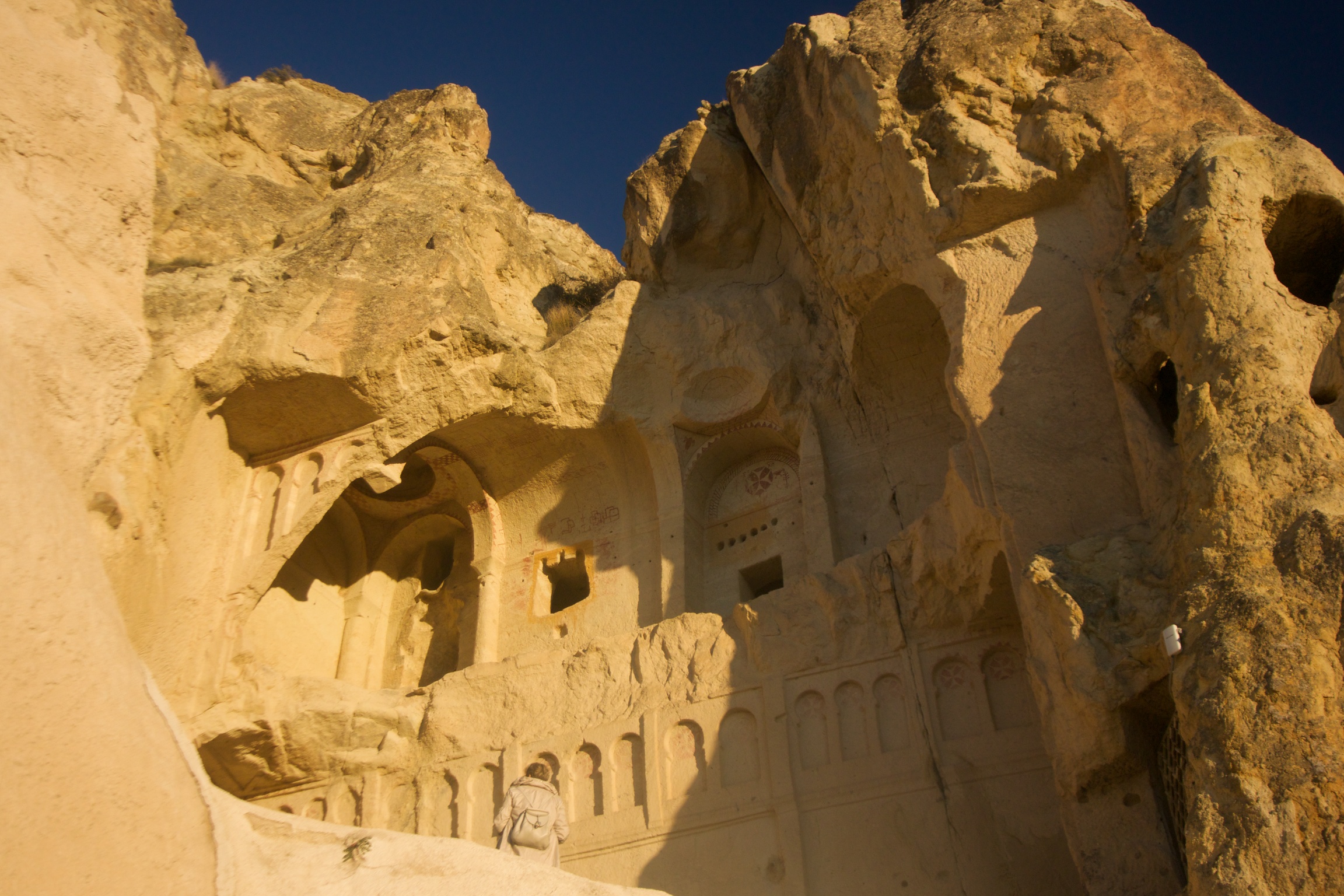
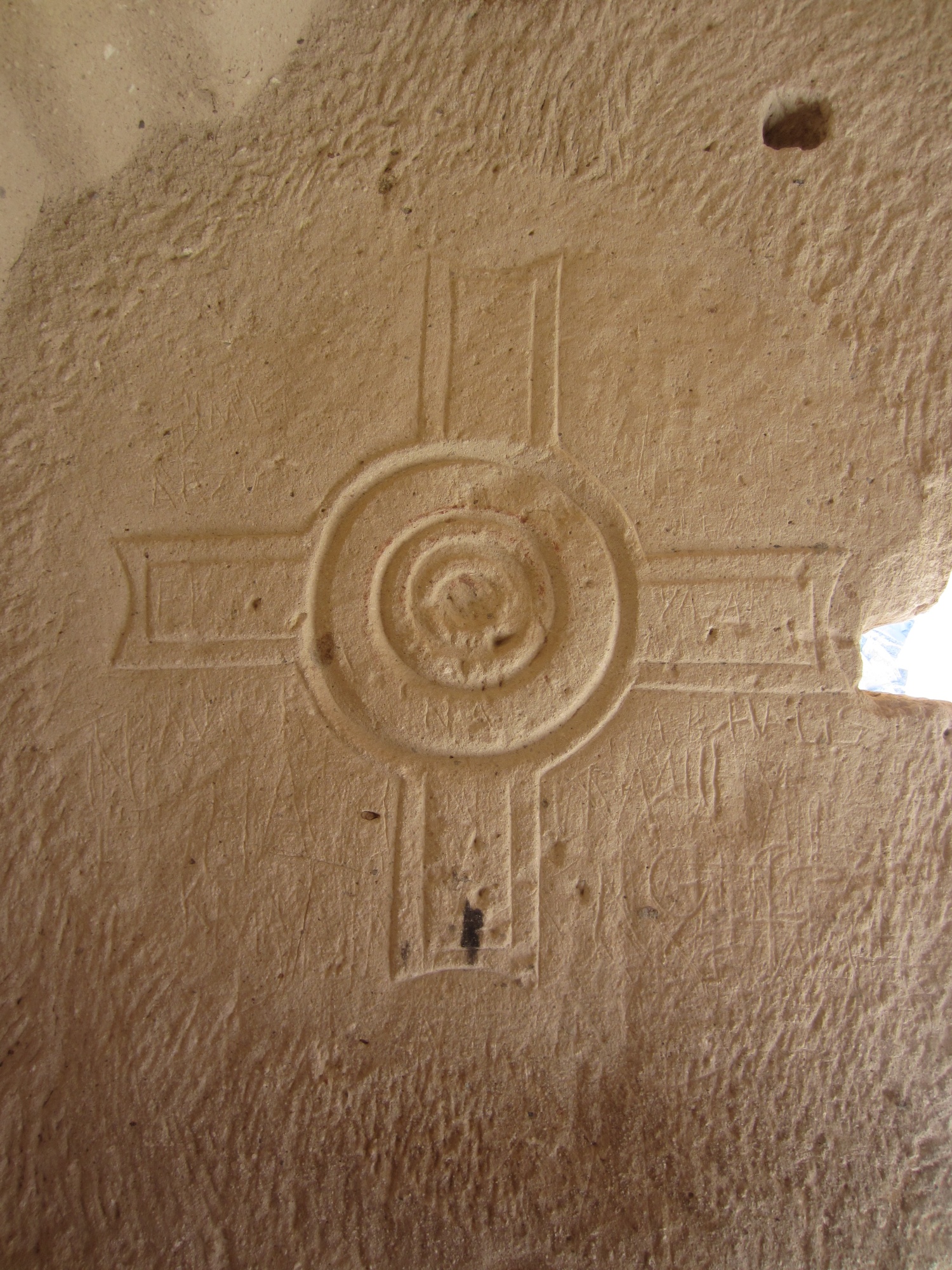
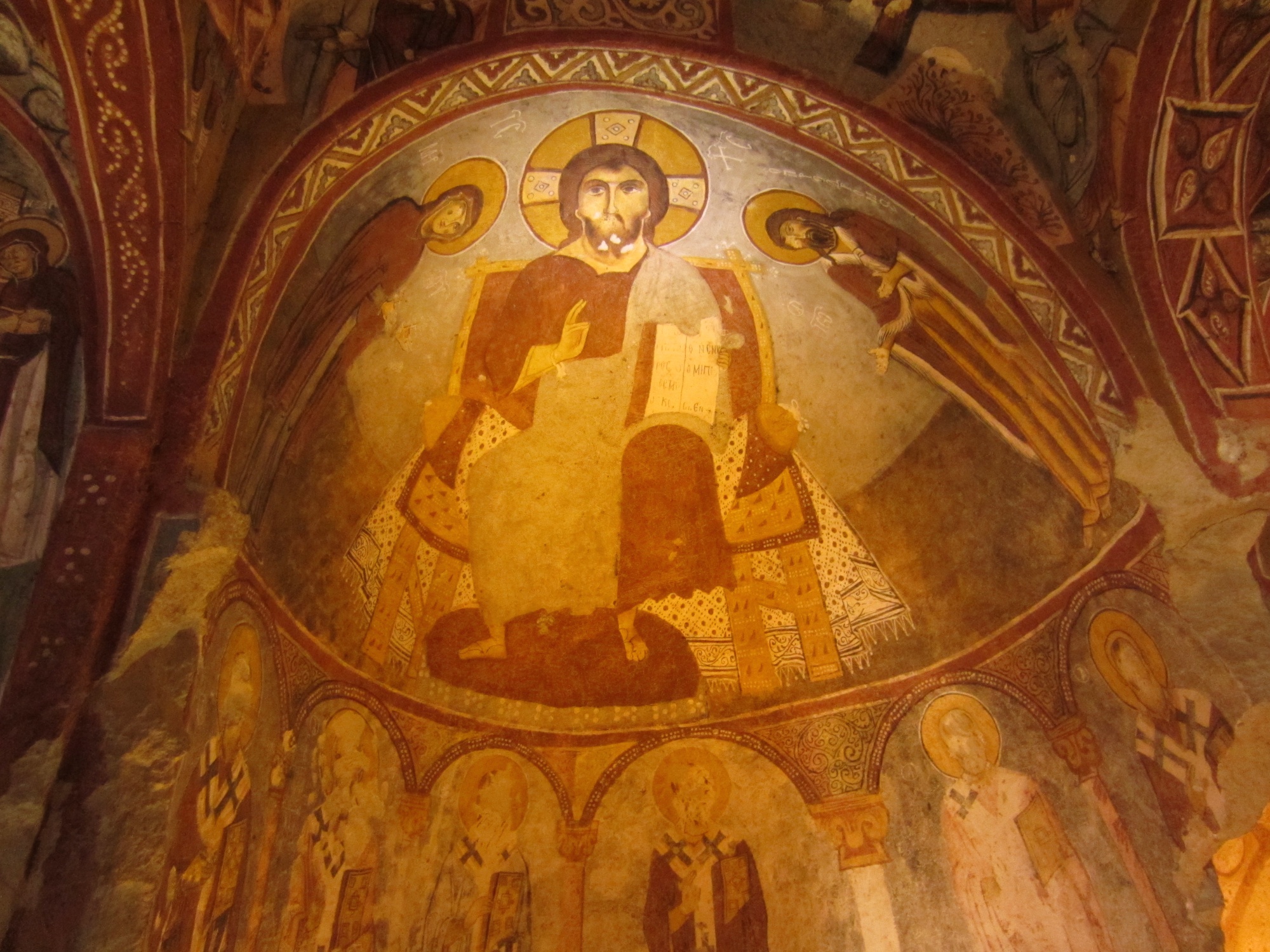
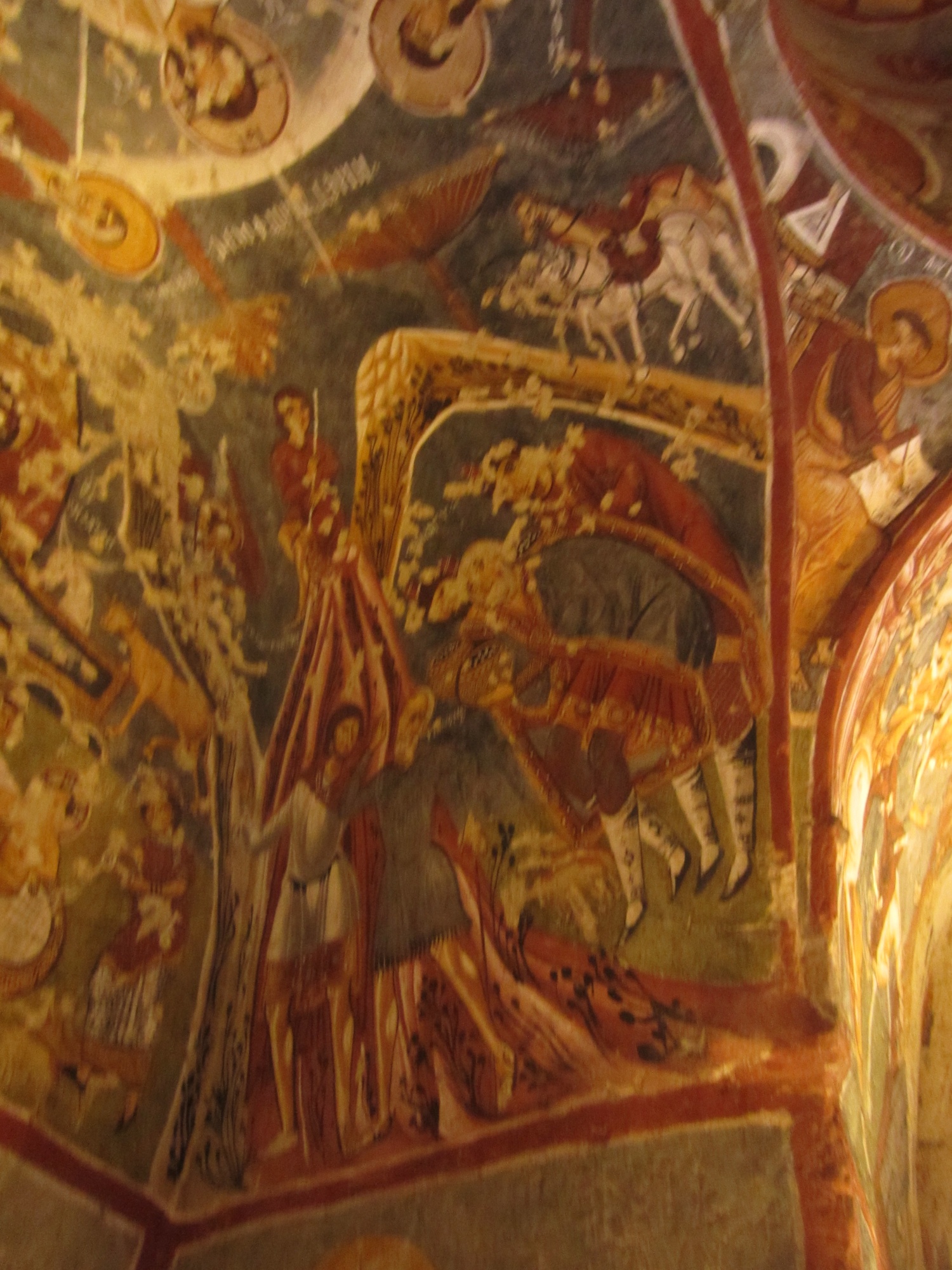
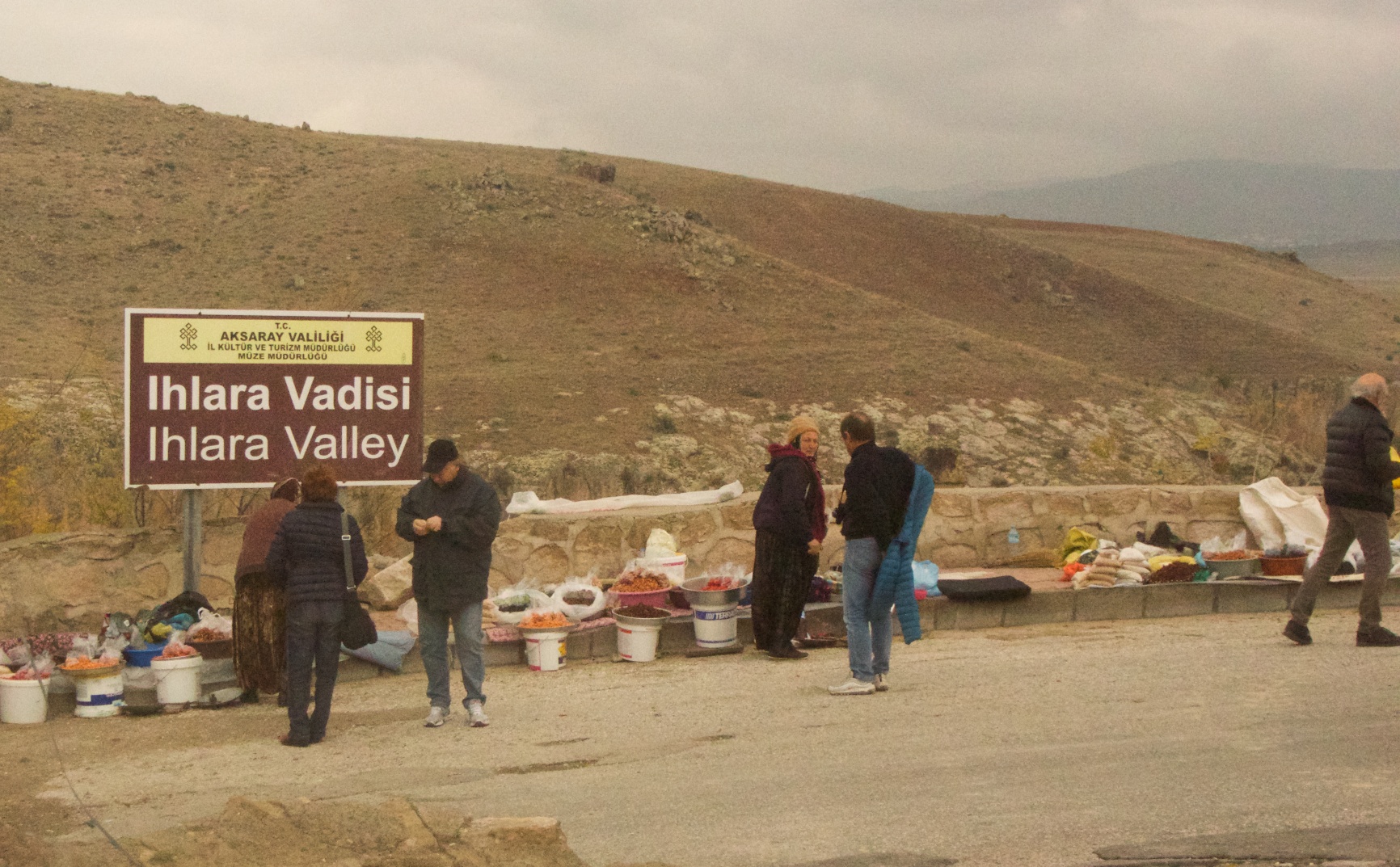
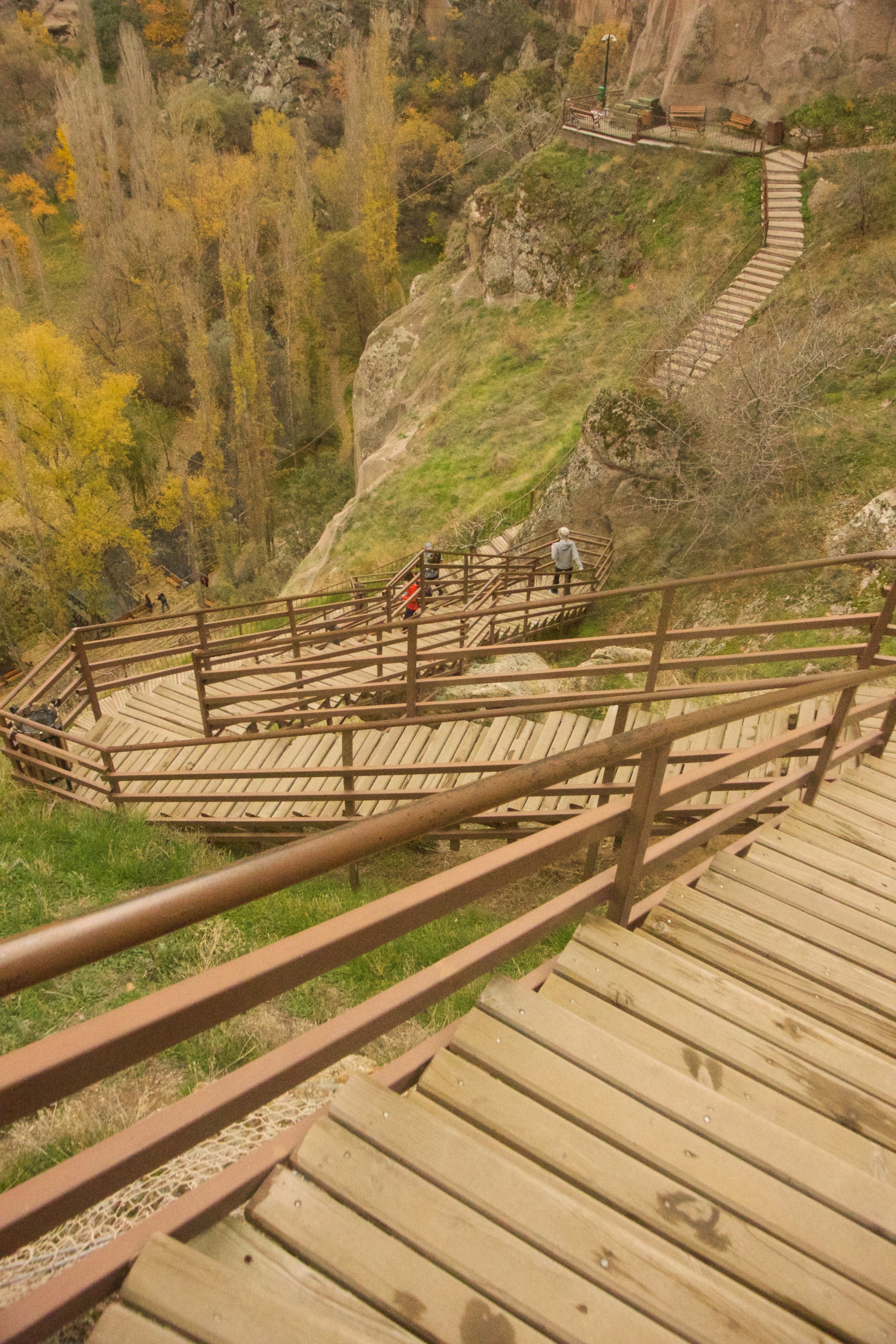
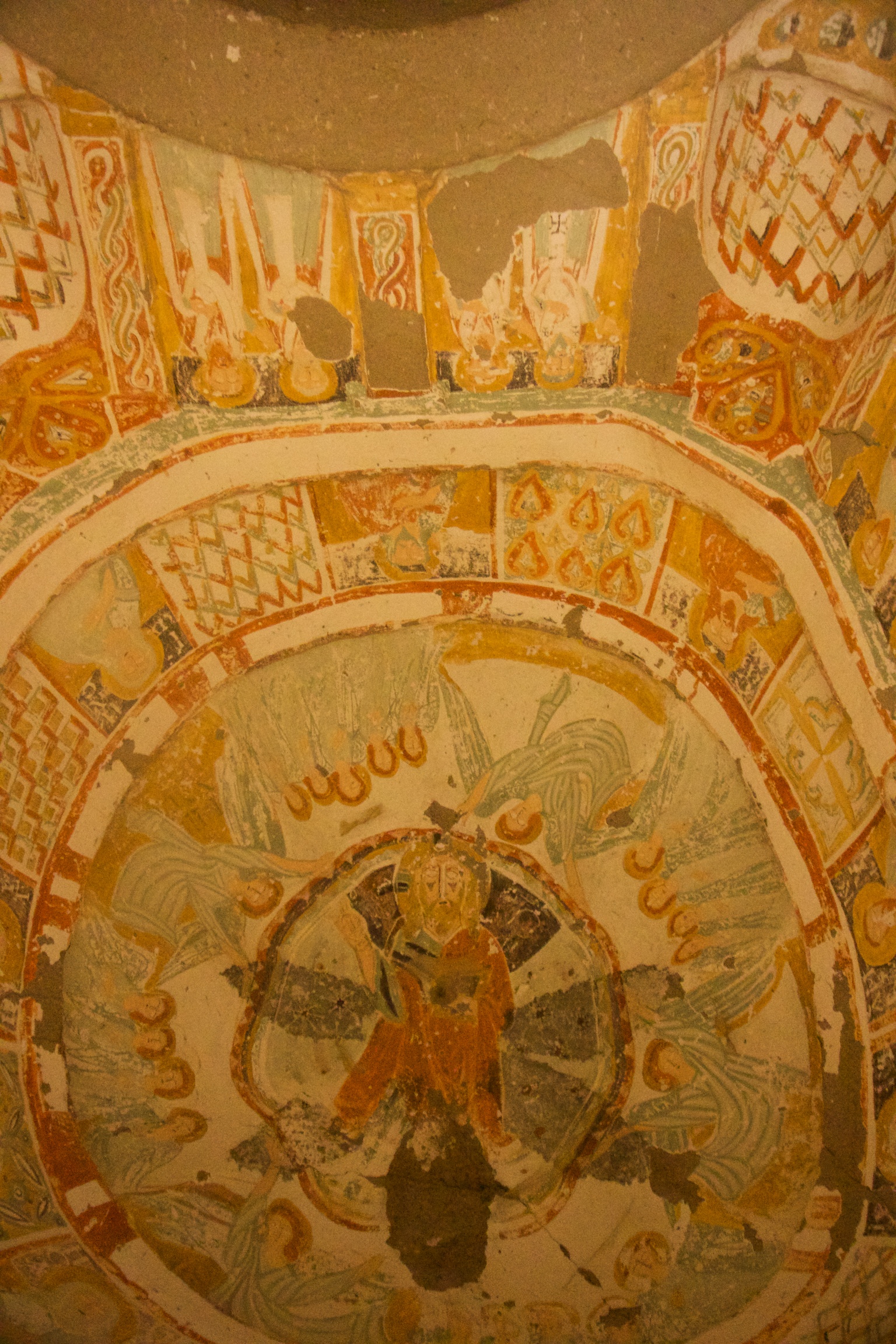
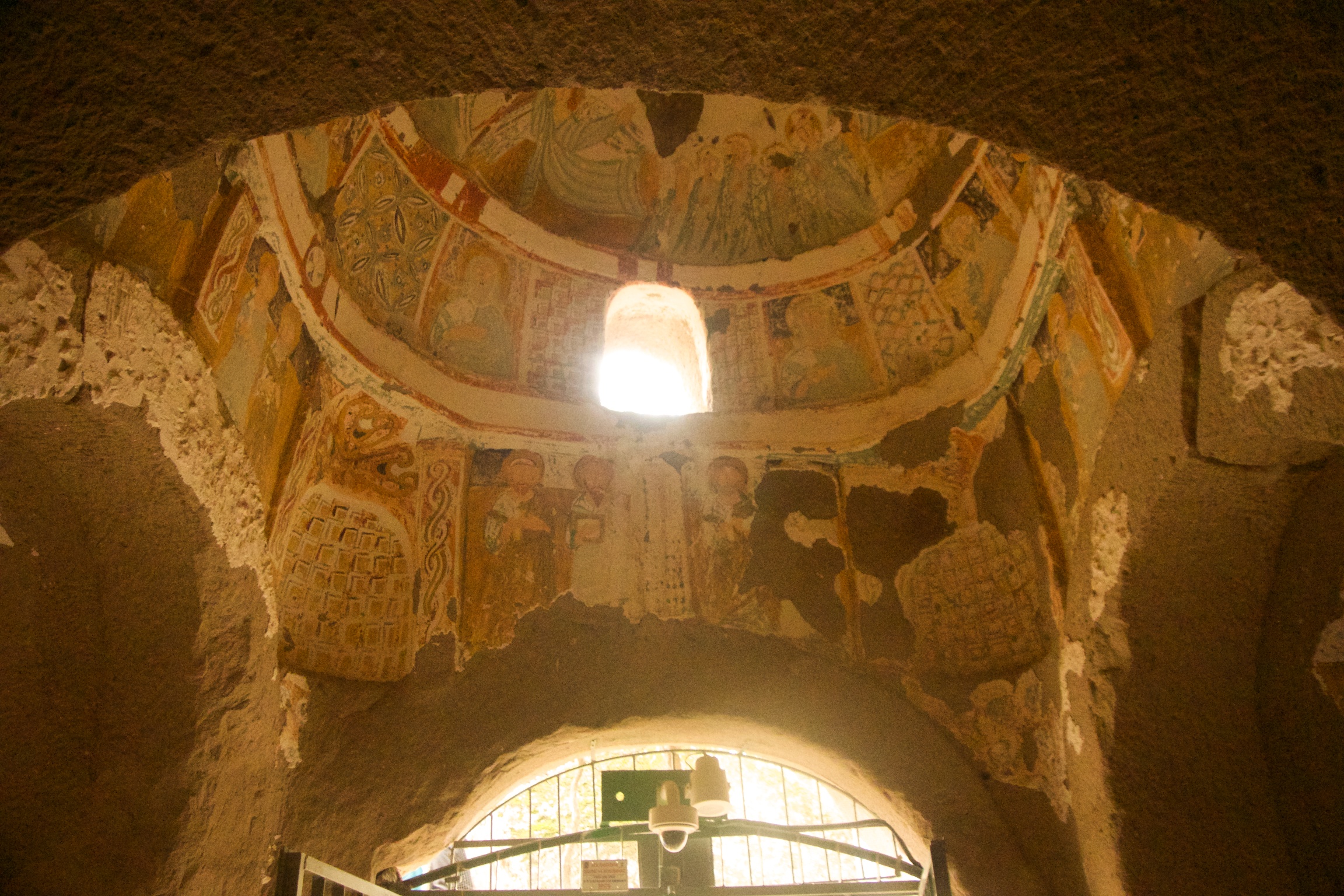
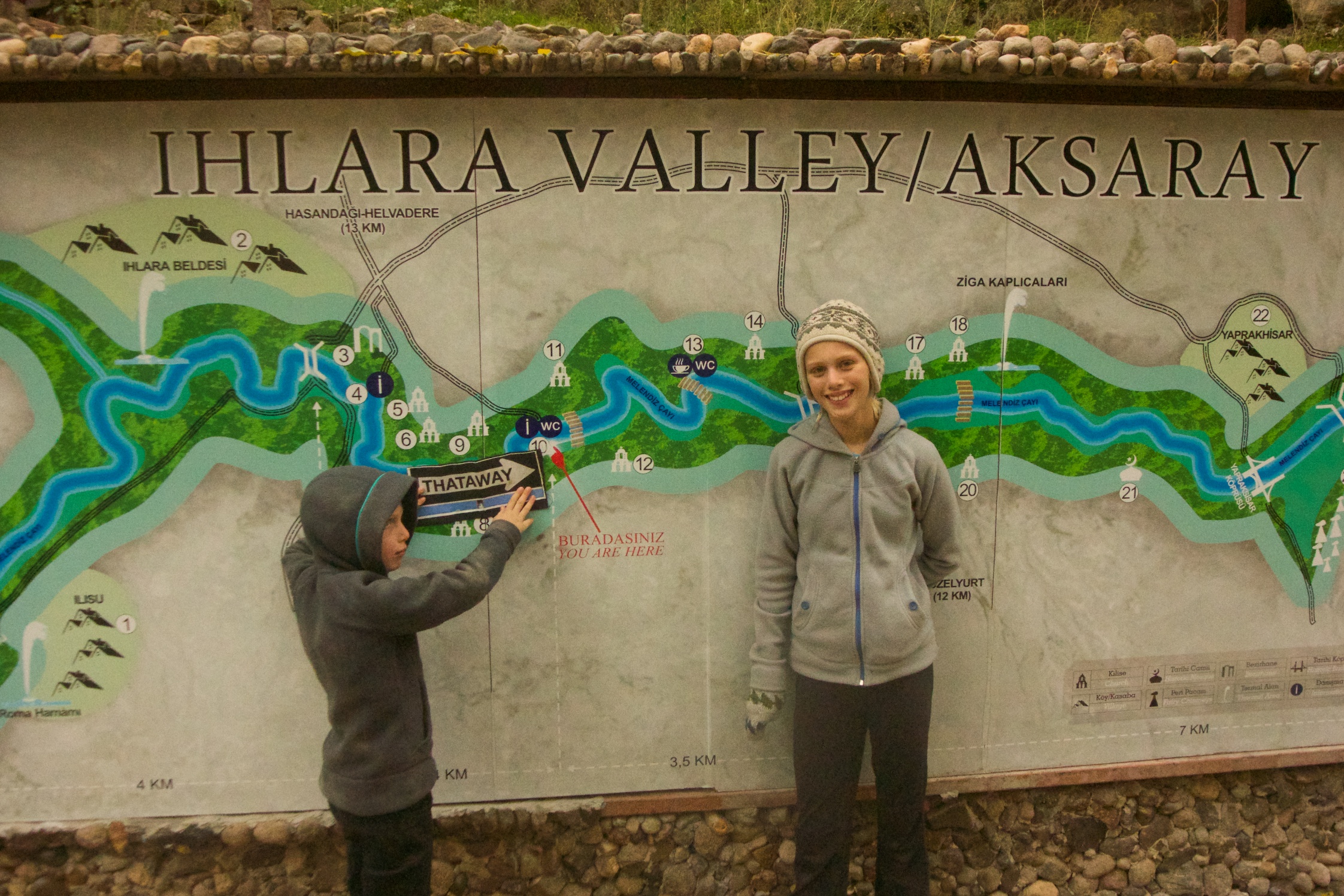
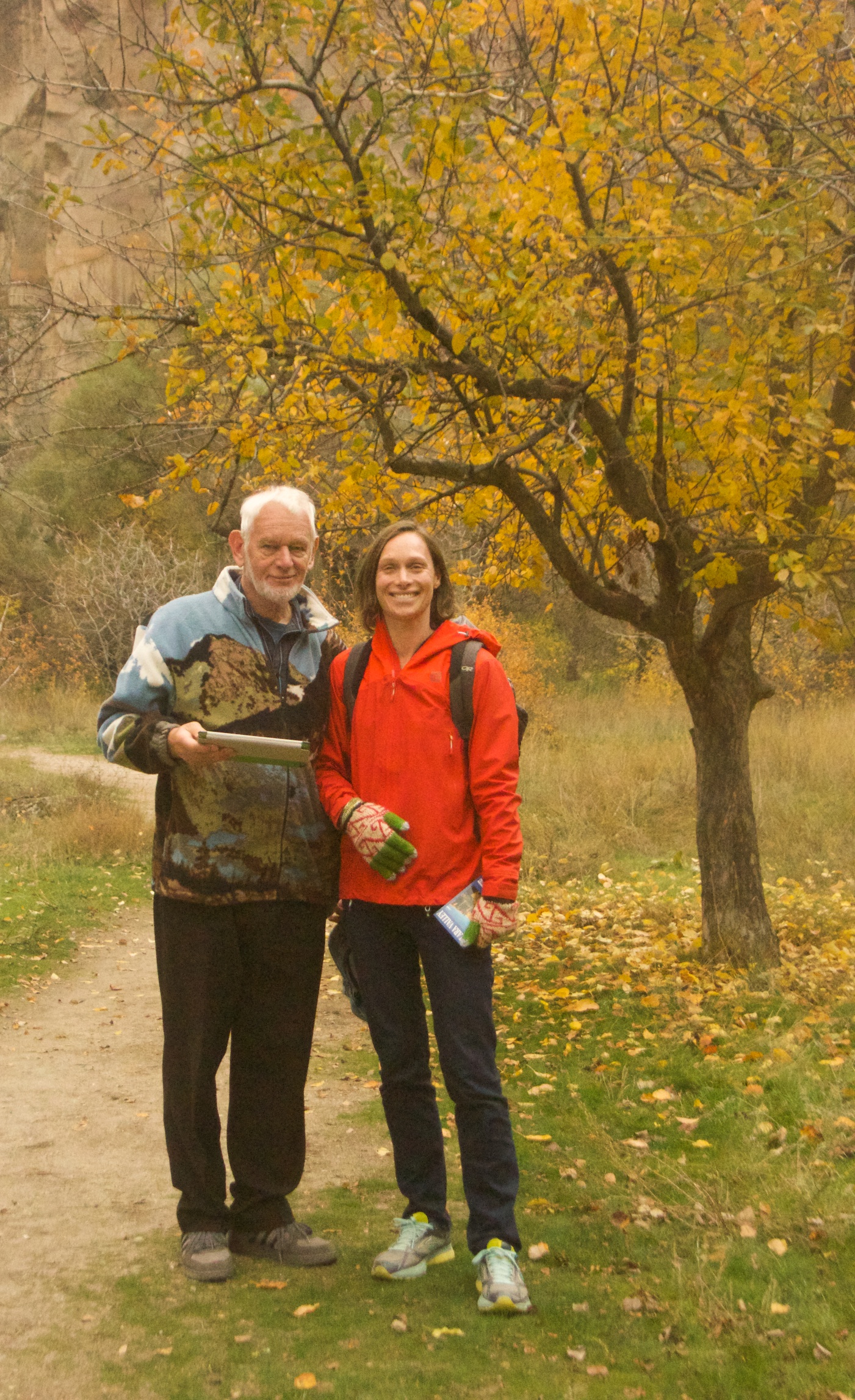
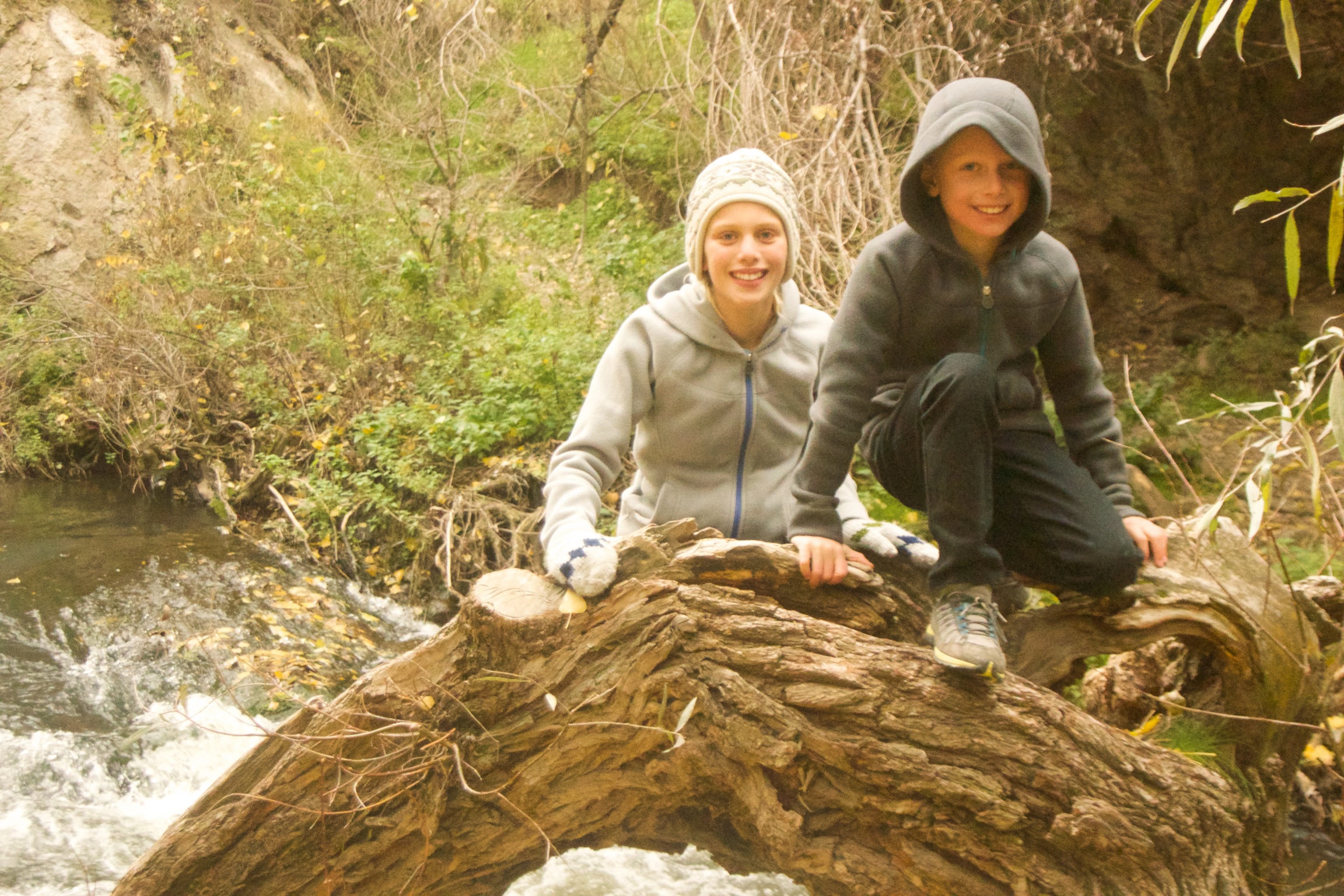
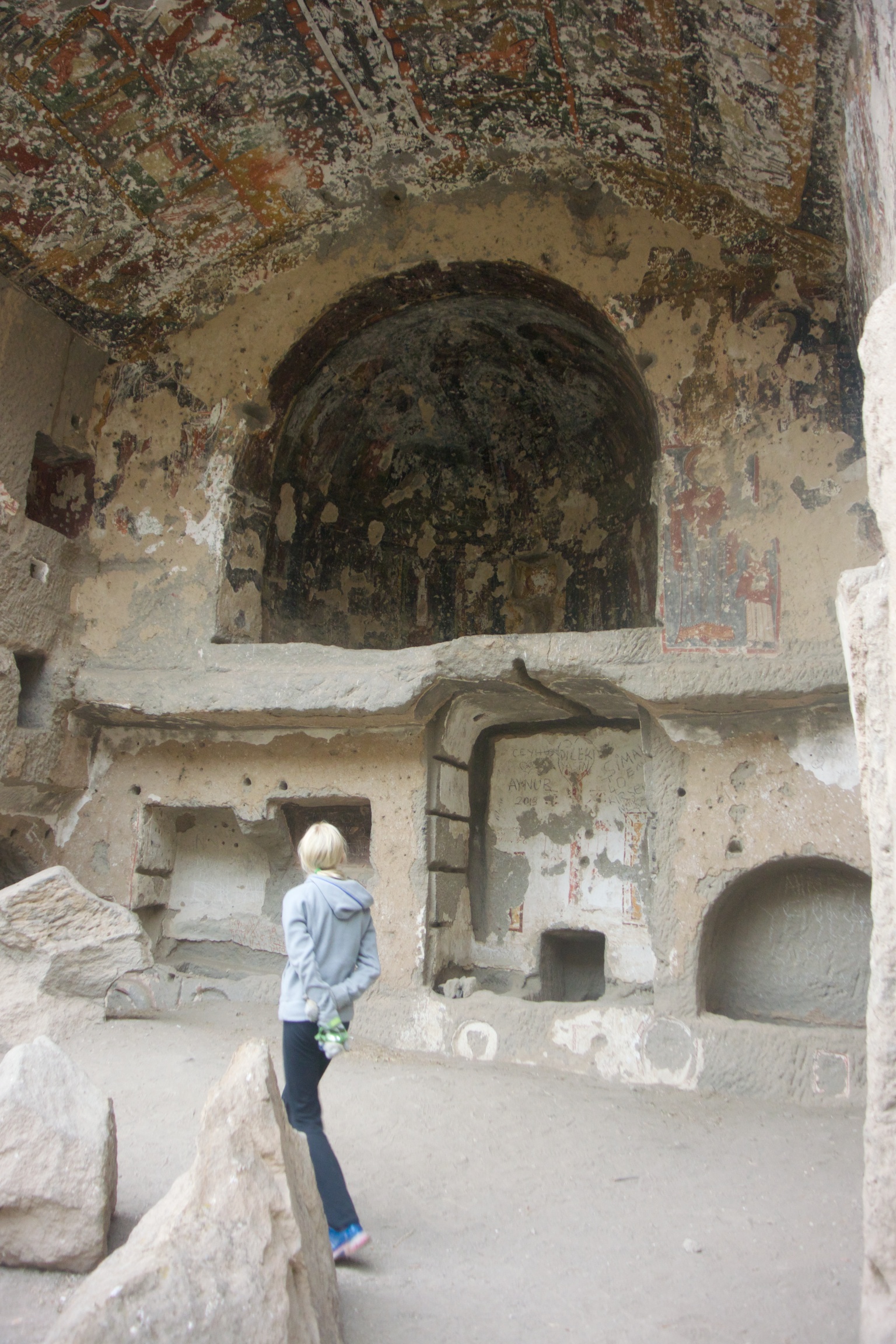
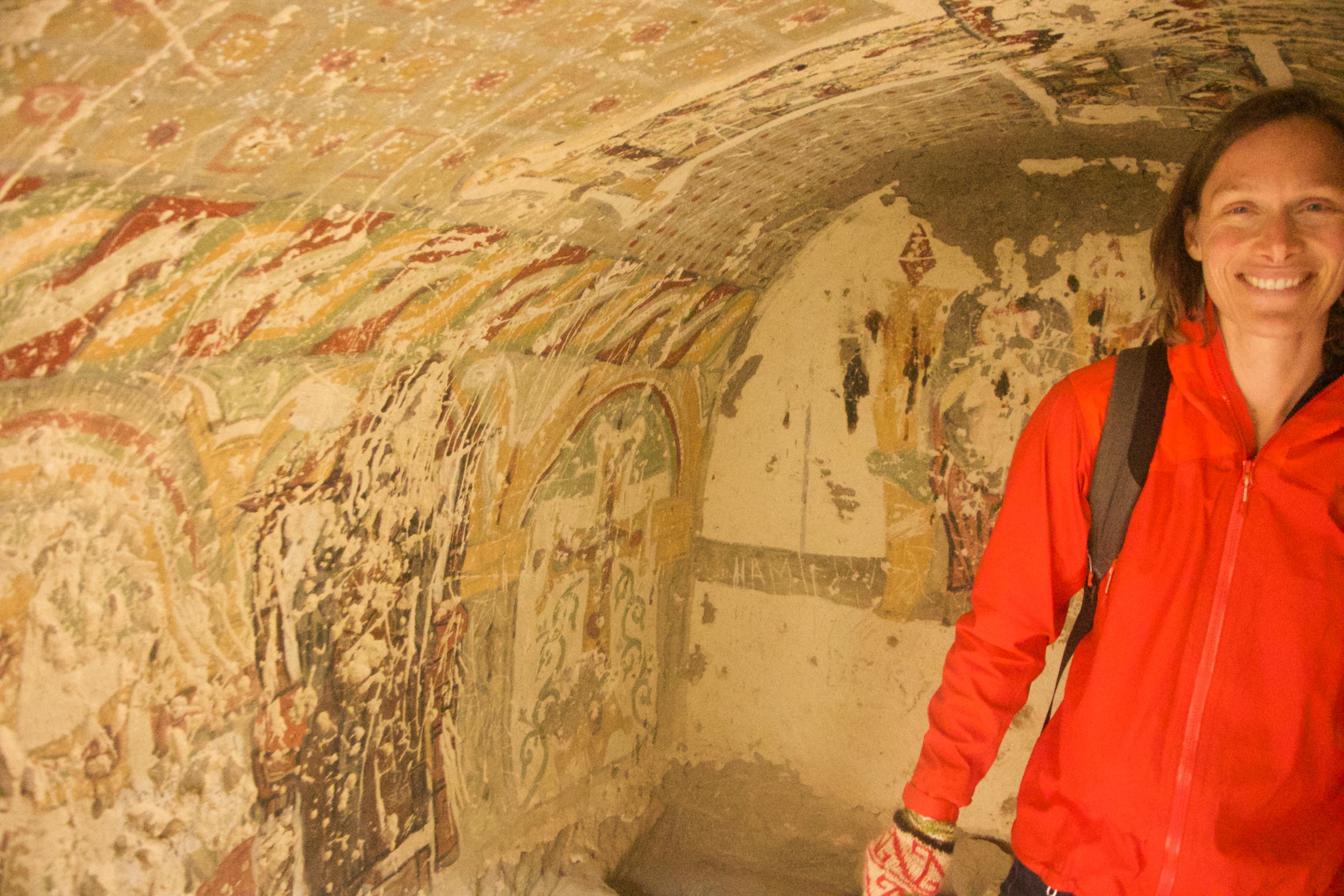
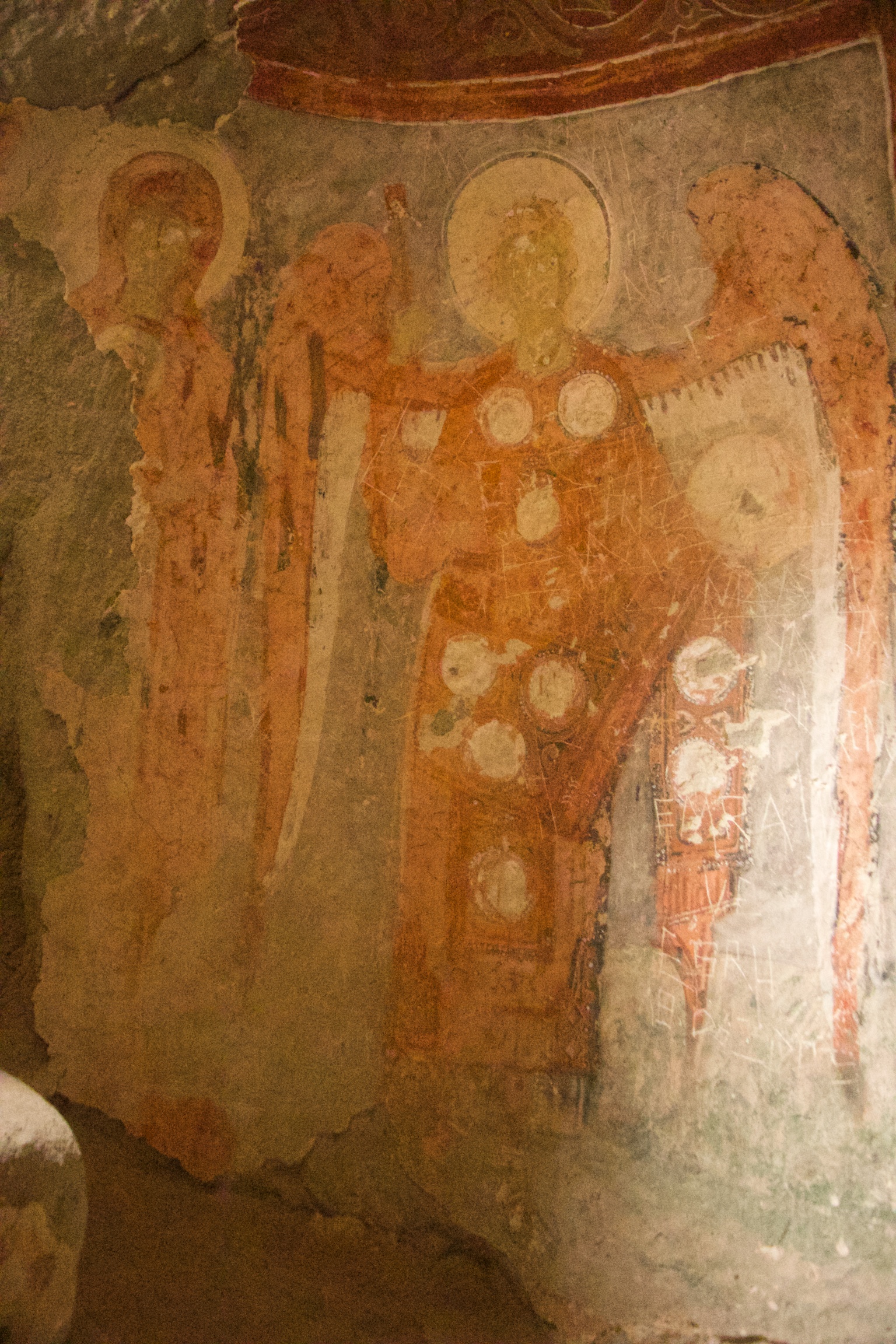
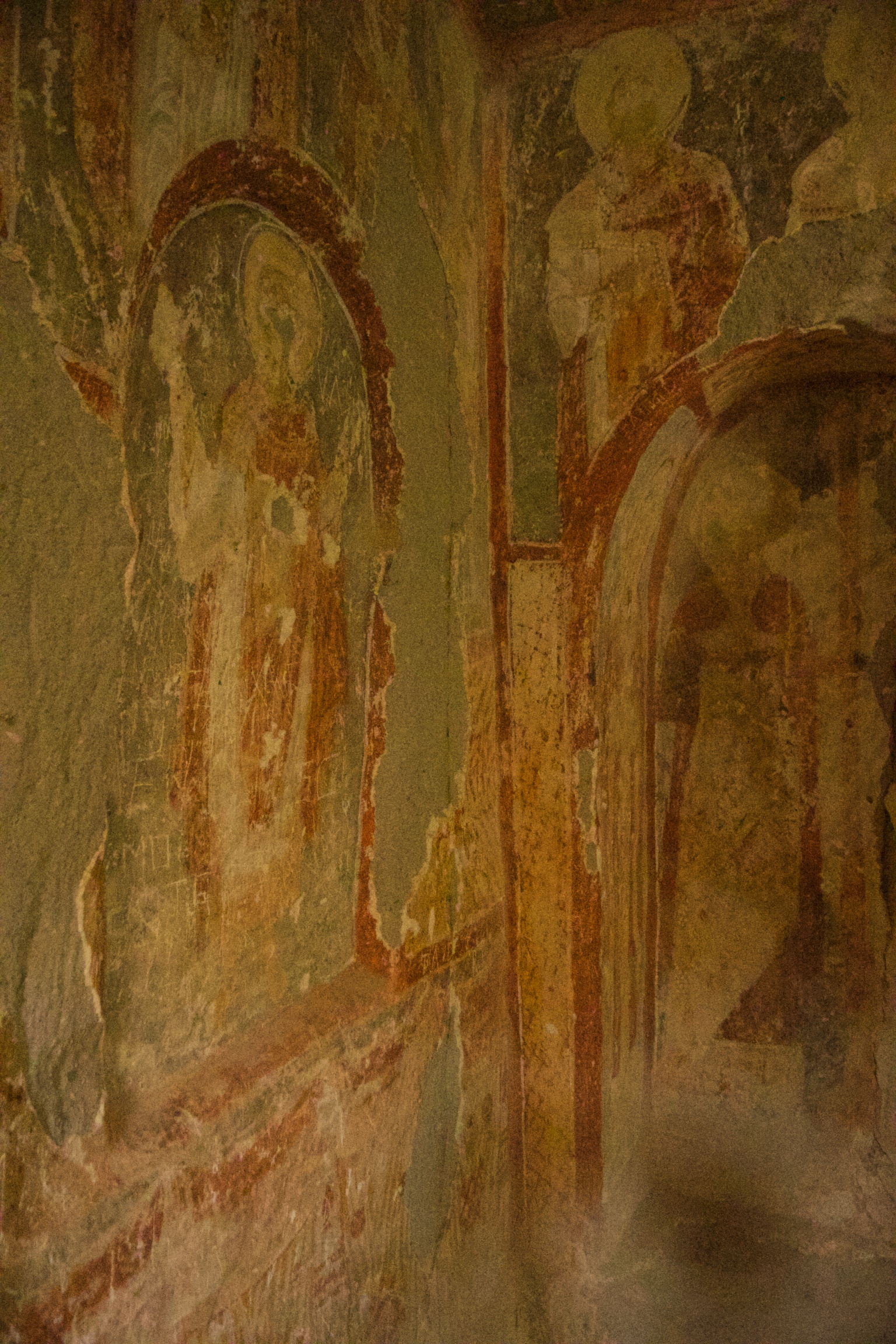
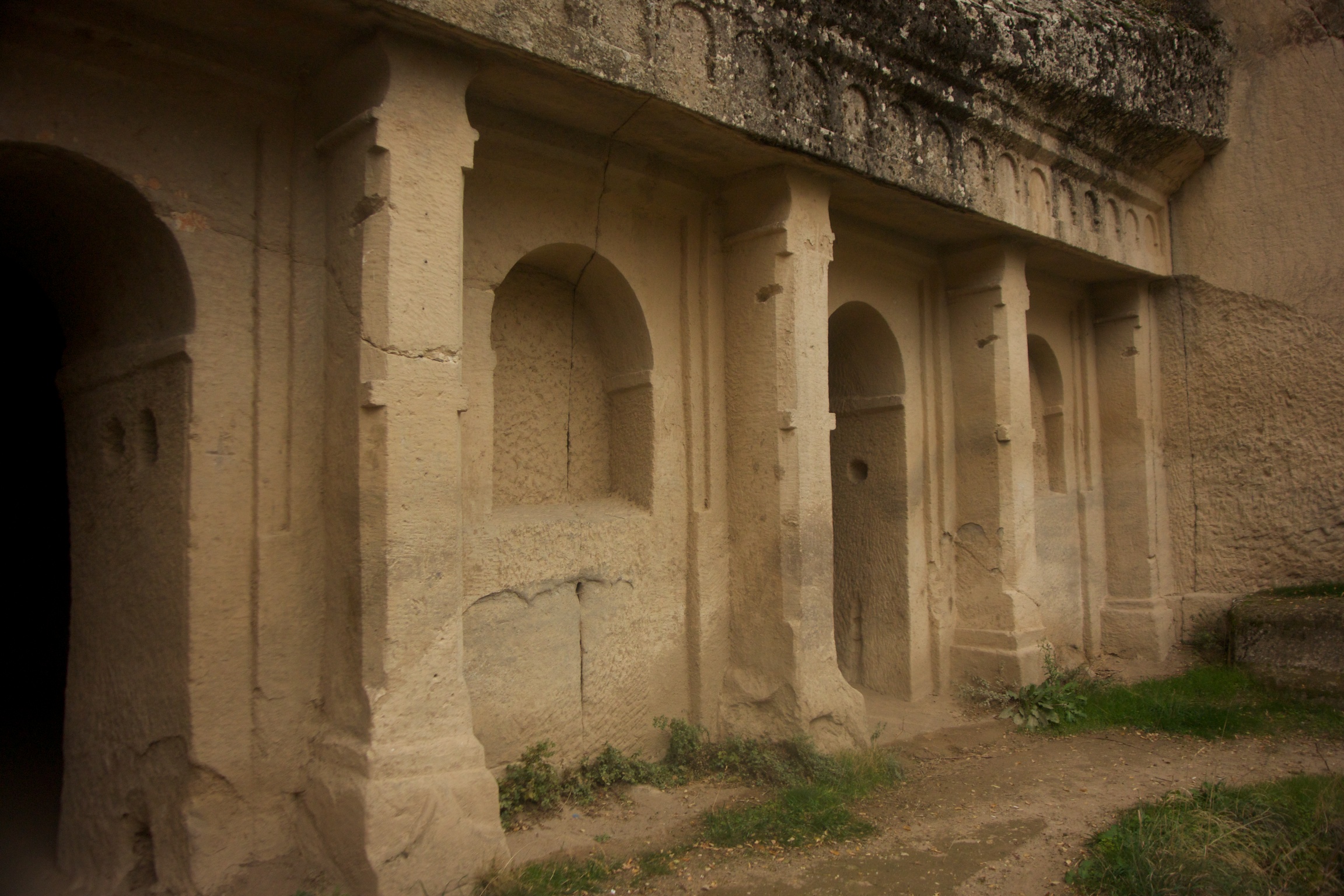
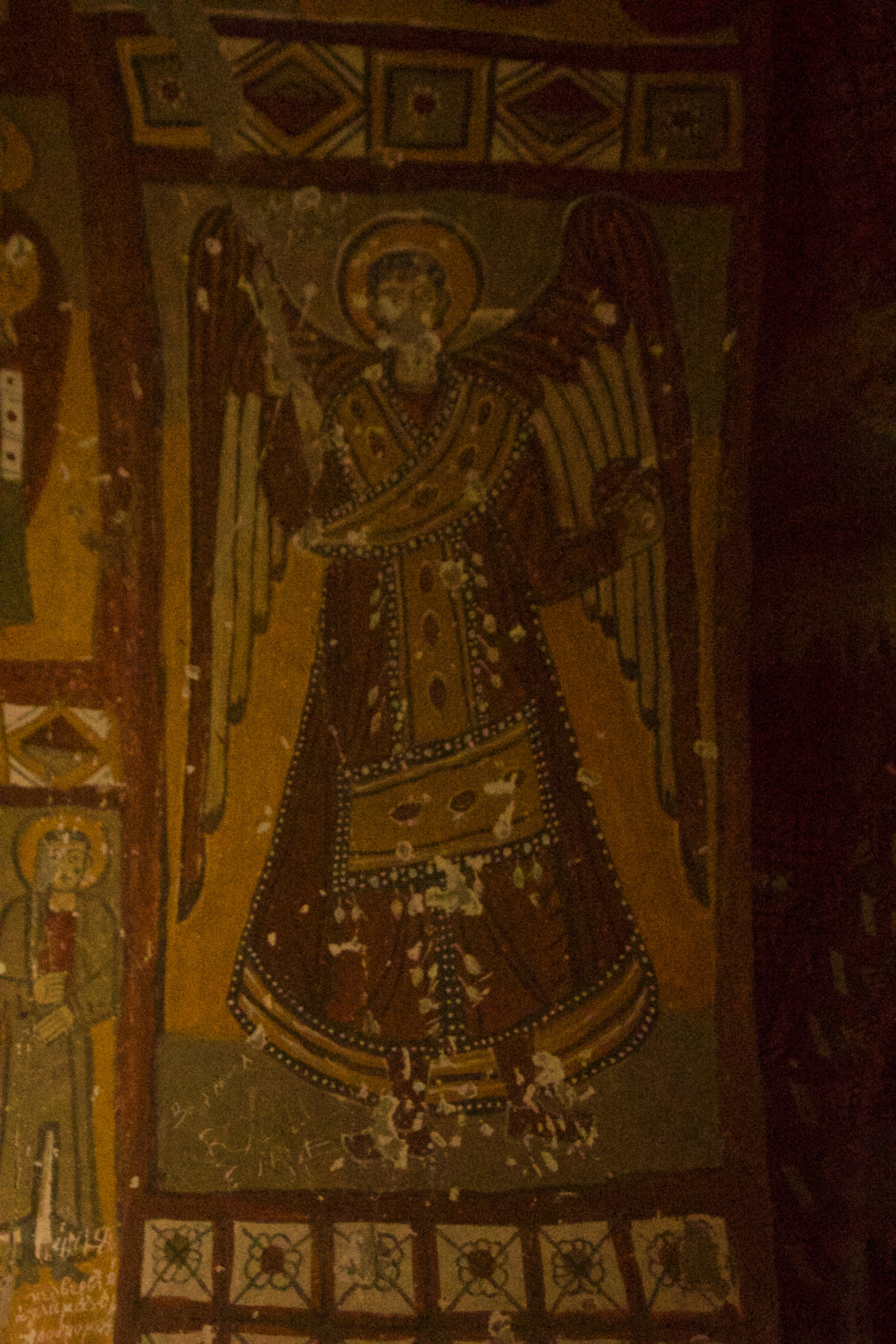
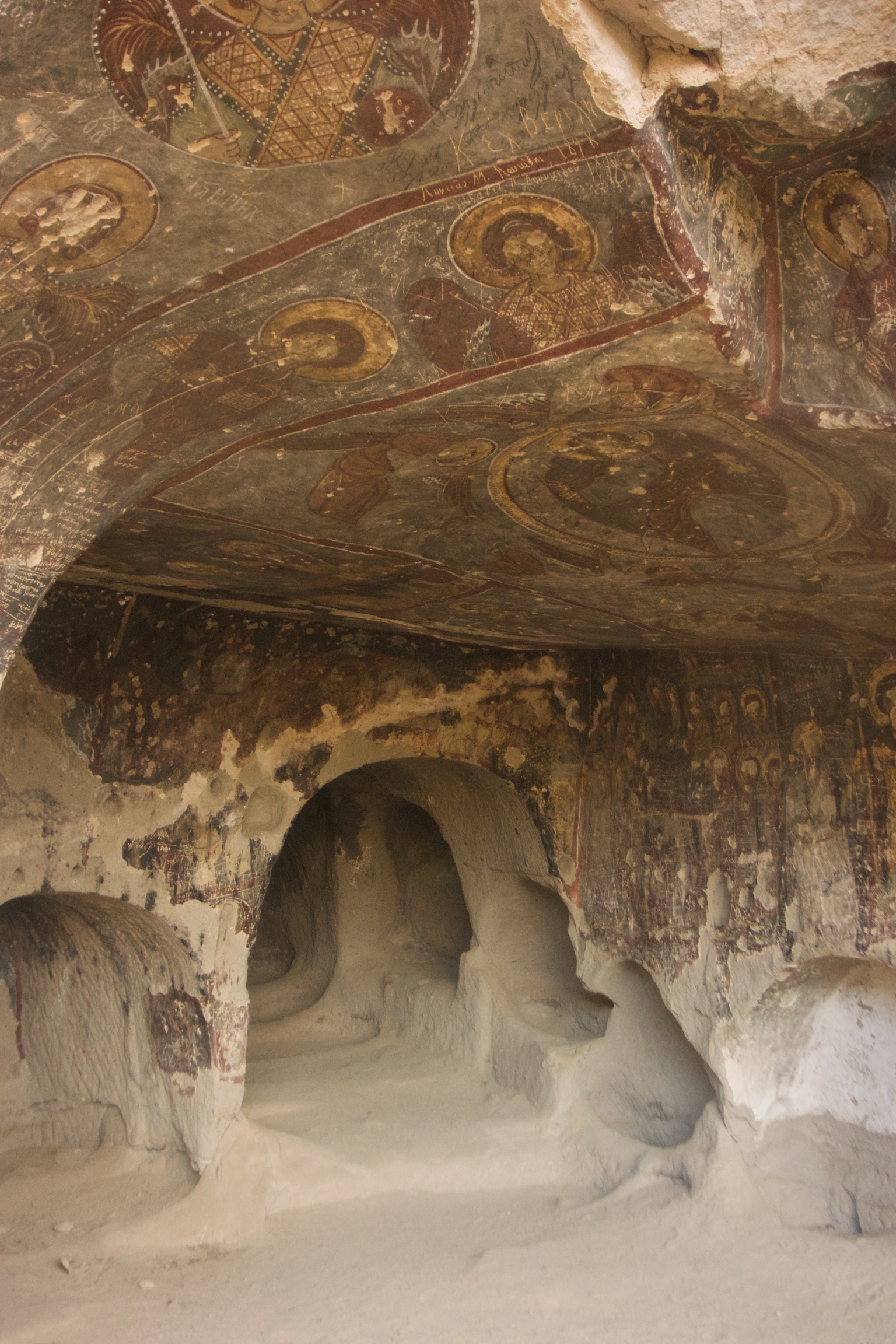
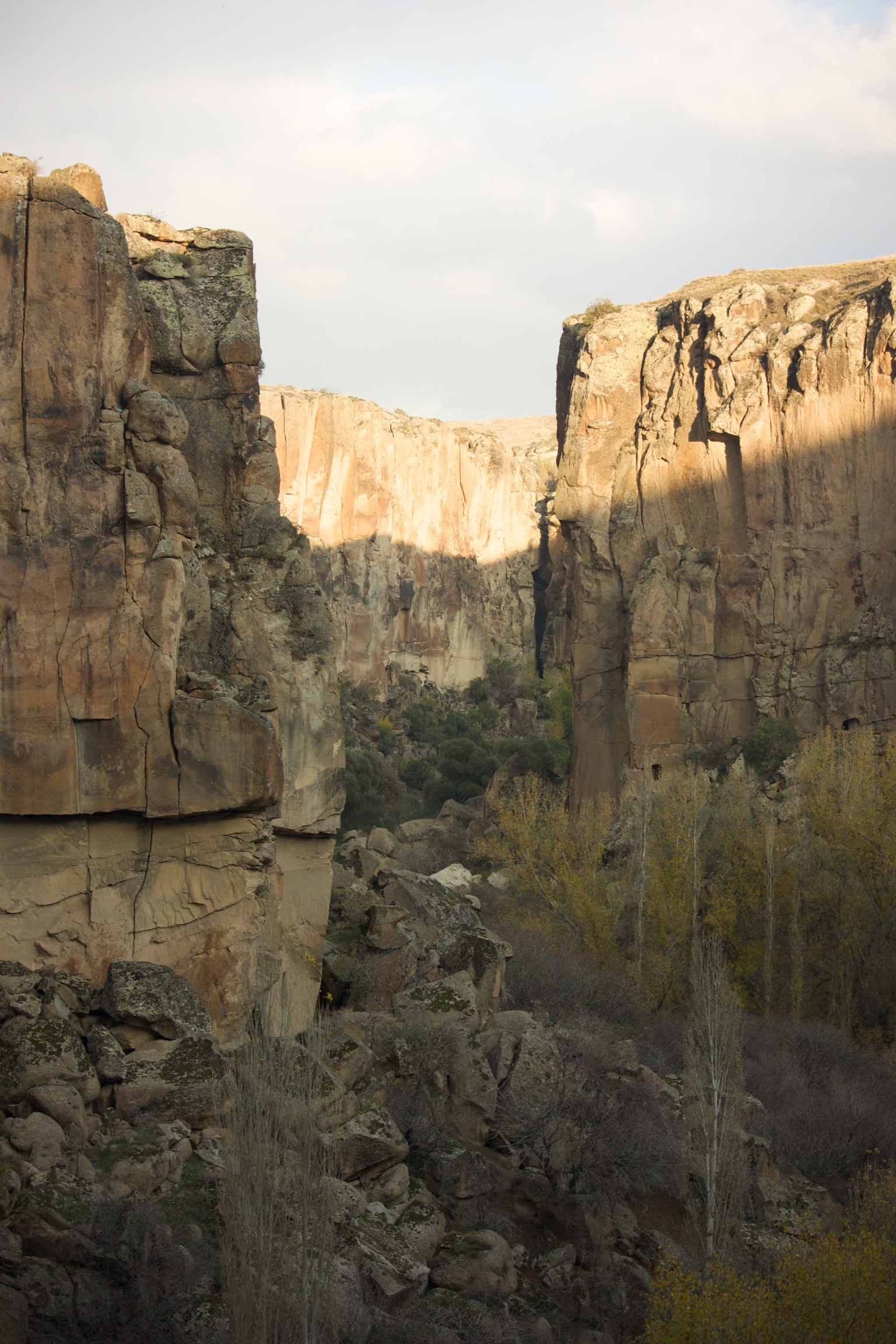
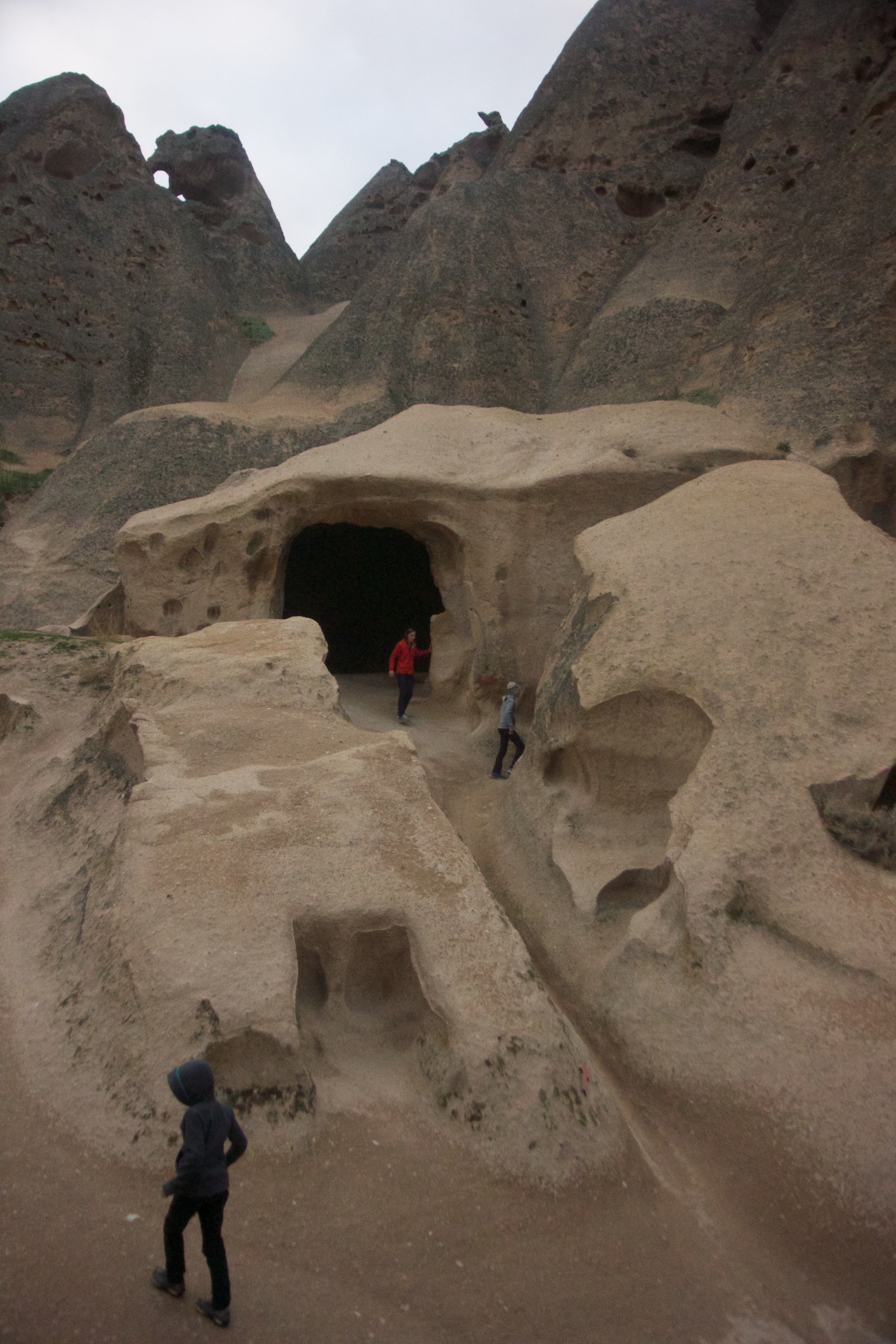
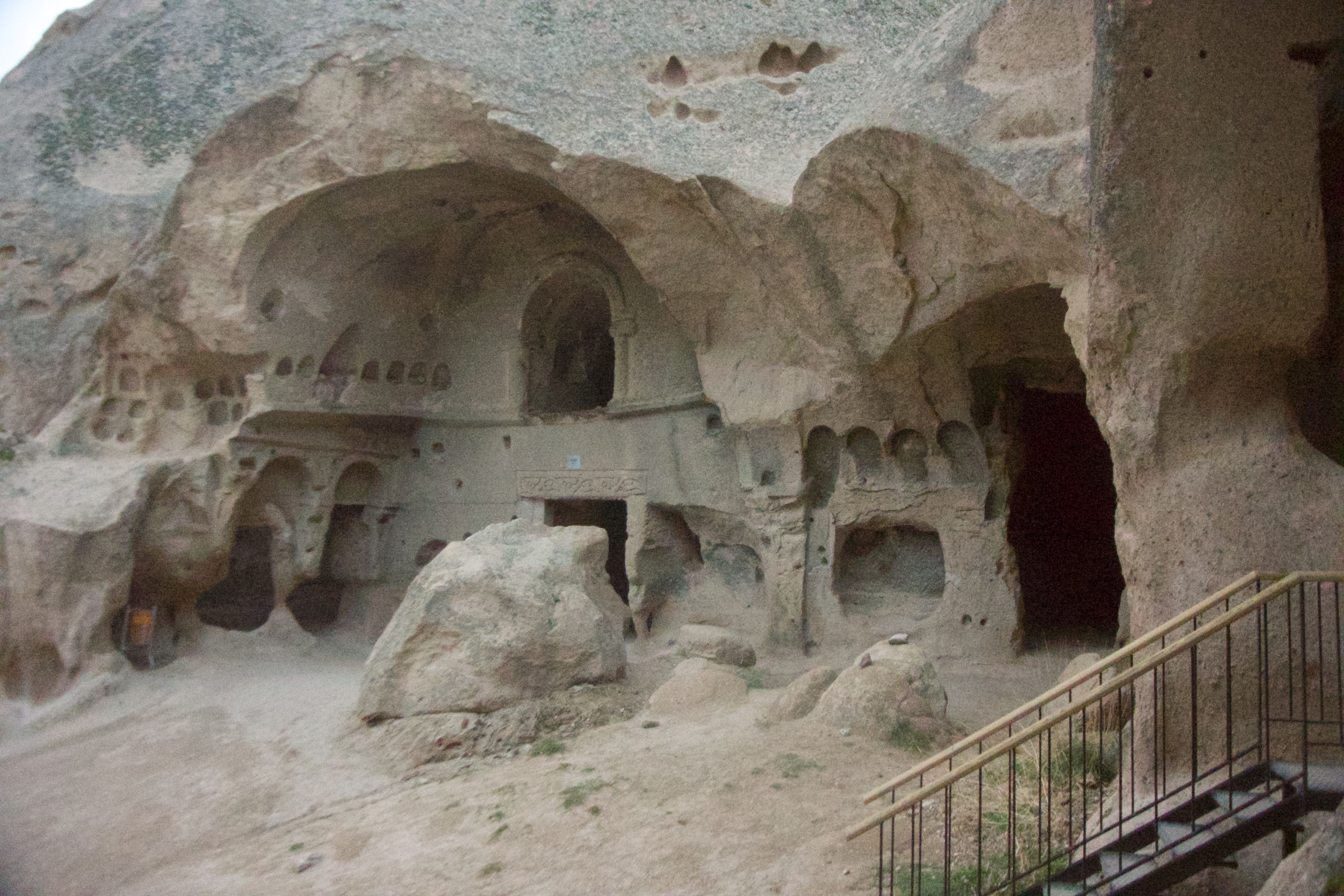
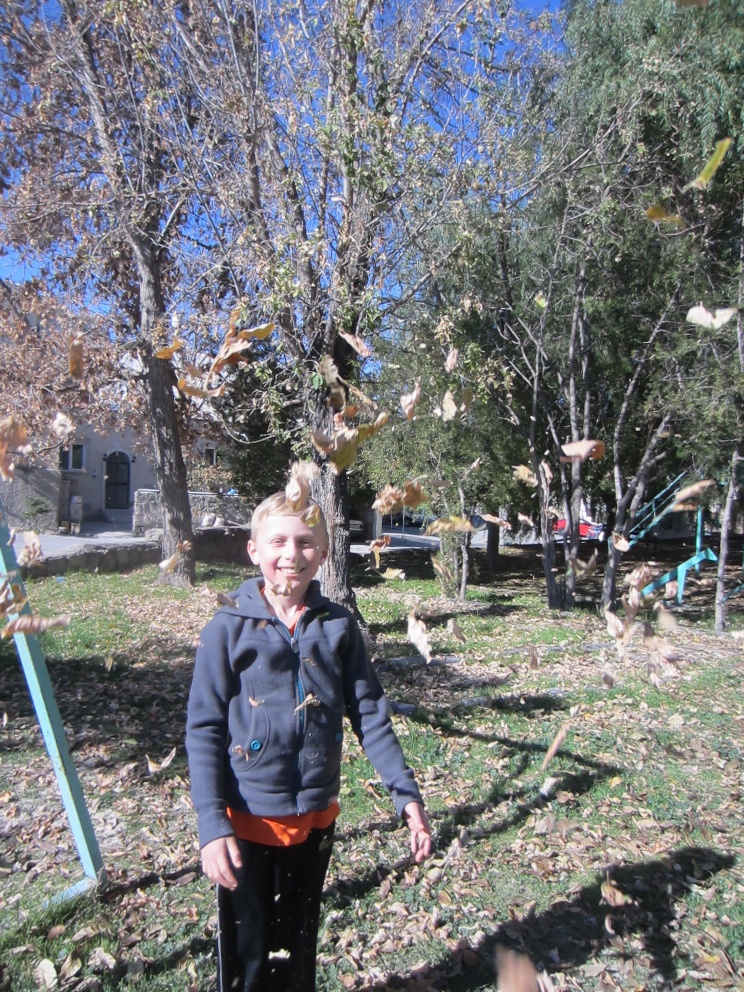
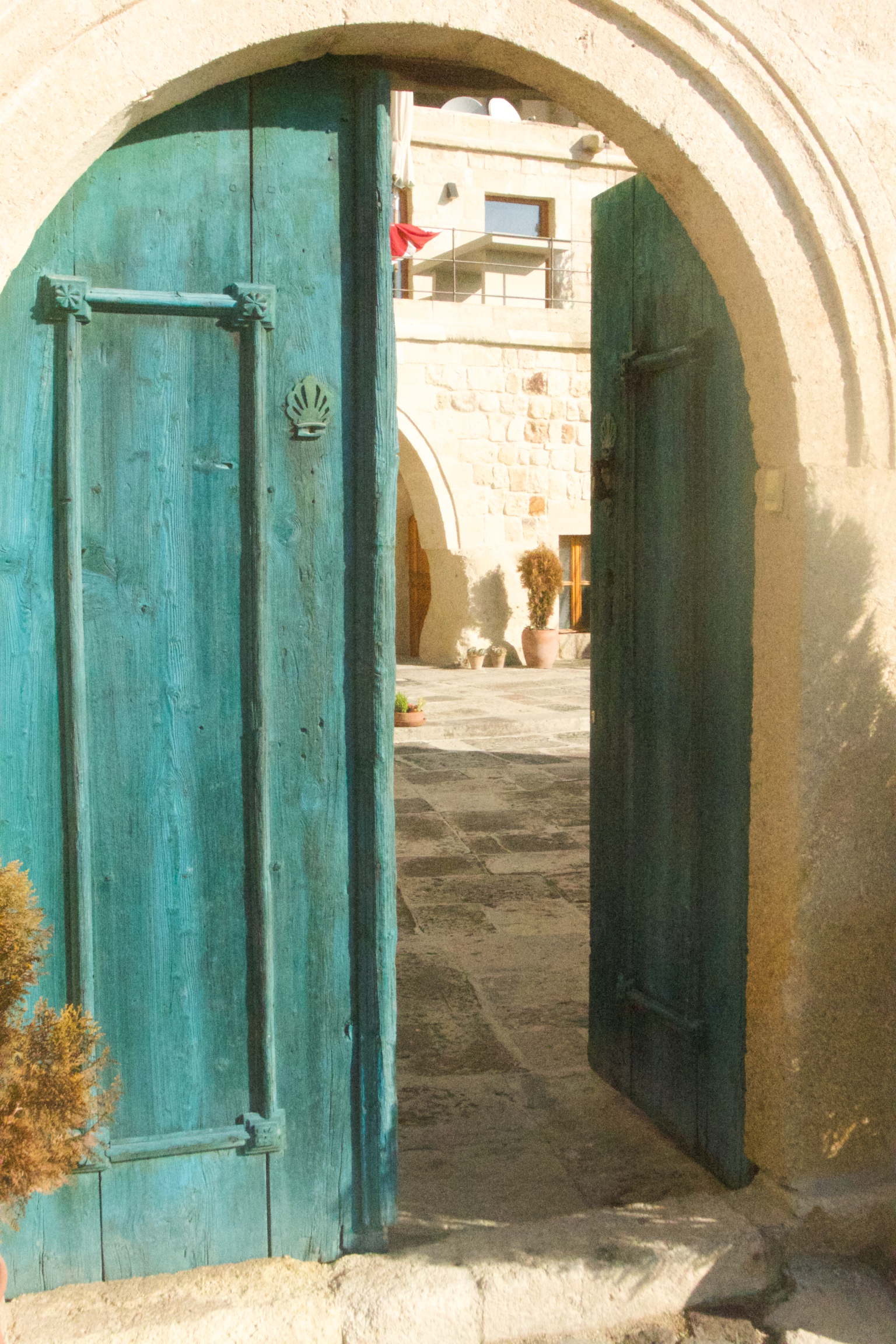
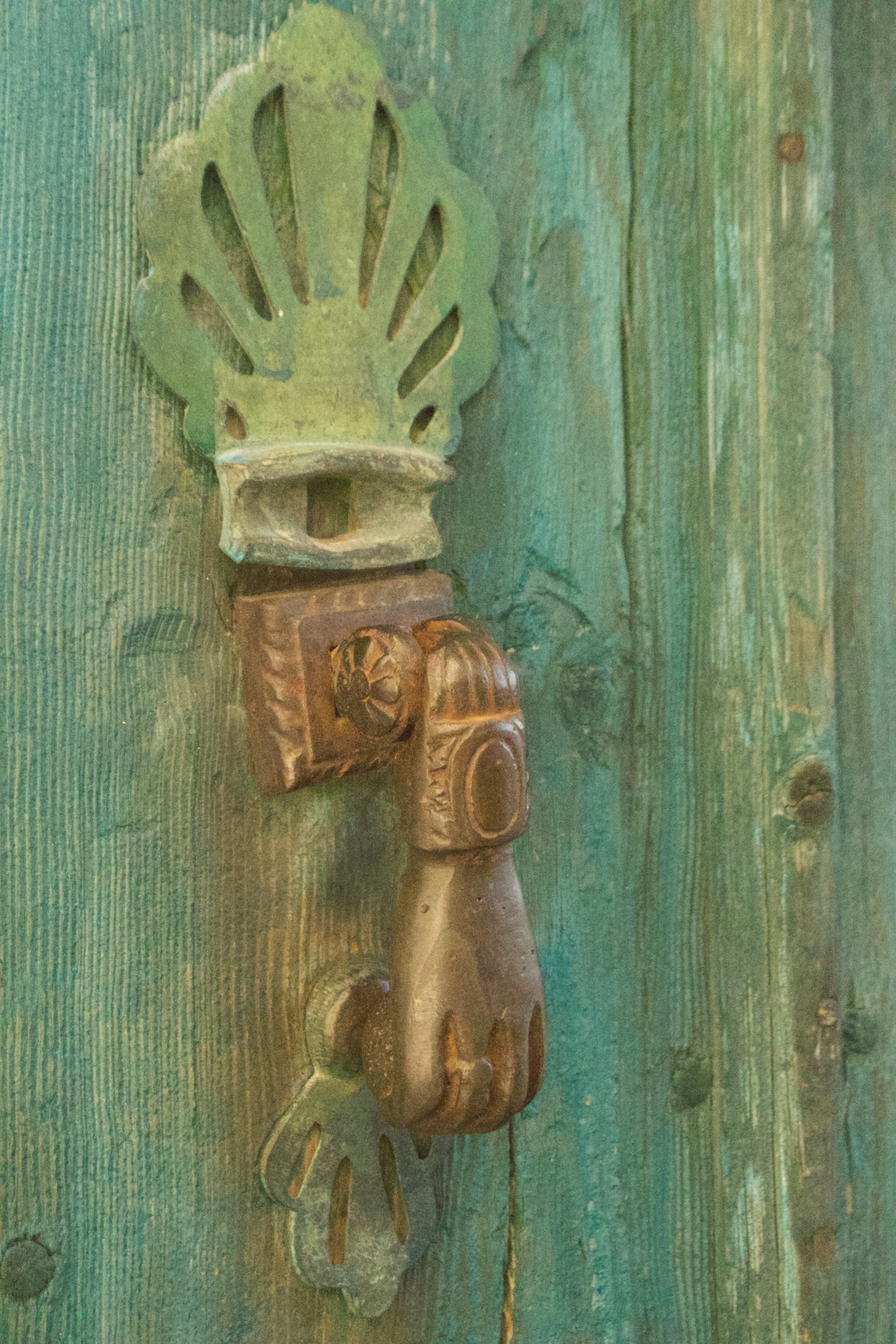
We went for a walk on a winter's day....Well, okay it was not quite winter, but certainly very fall-like, and we went for a walk in the Ihlara Valley. It was great to be tromping through crunchy leaves again, and we stopped into some of the 105 rock churches we passed on the way. Many of these churches had frescoes on the ceilings and walls depicting stories from the Old and New Testaments.  

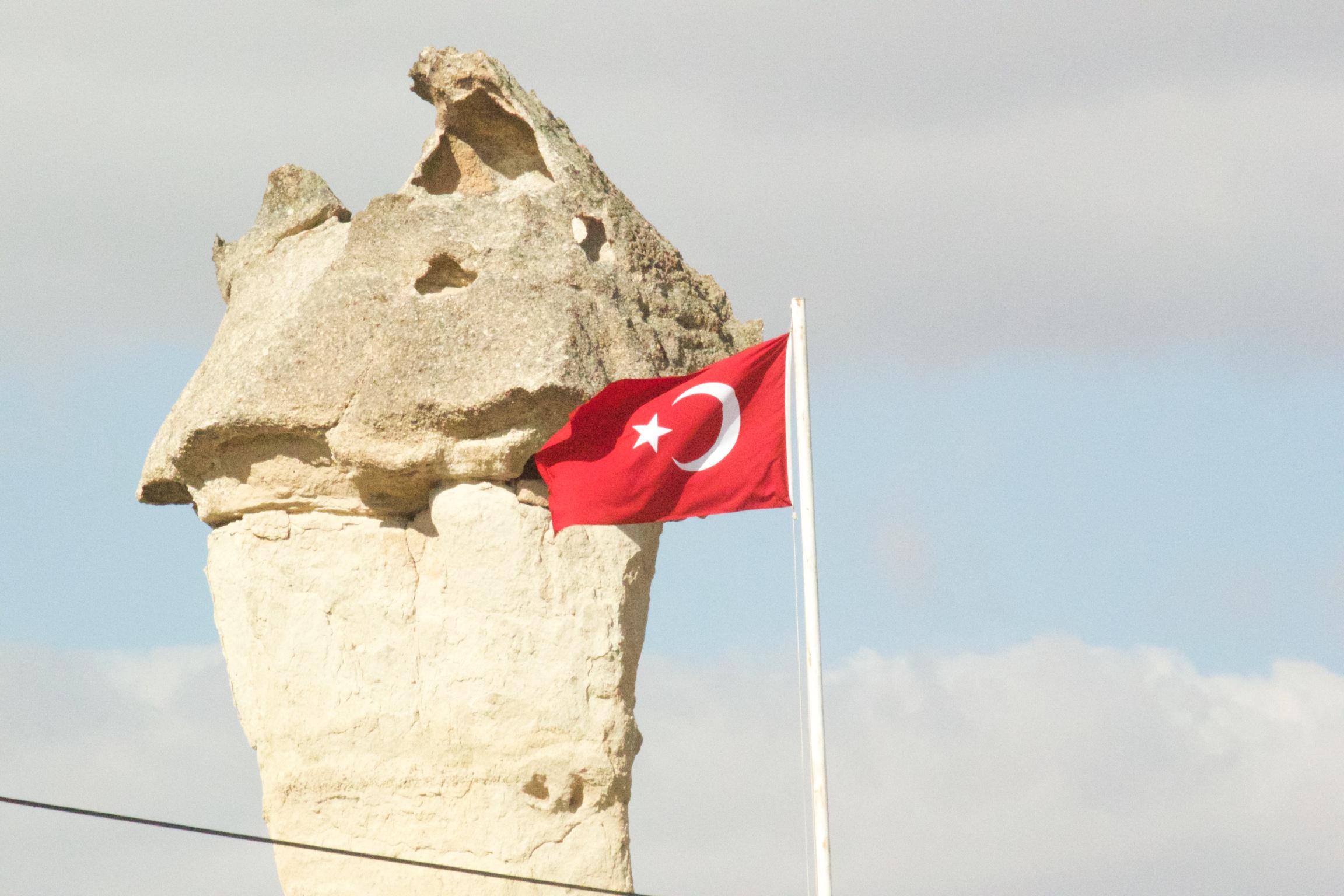
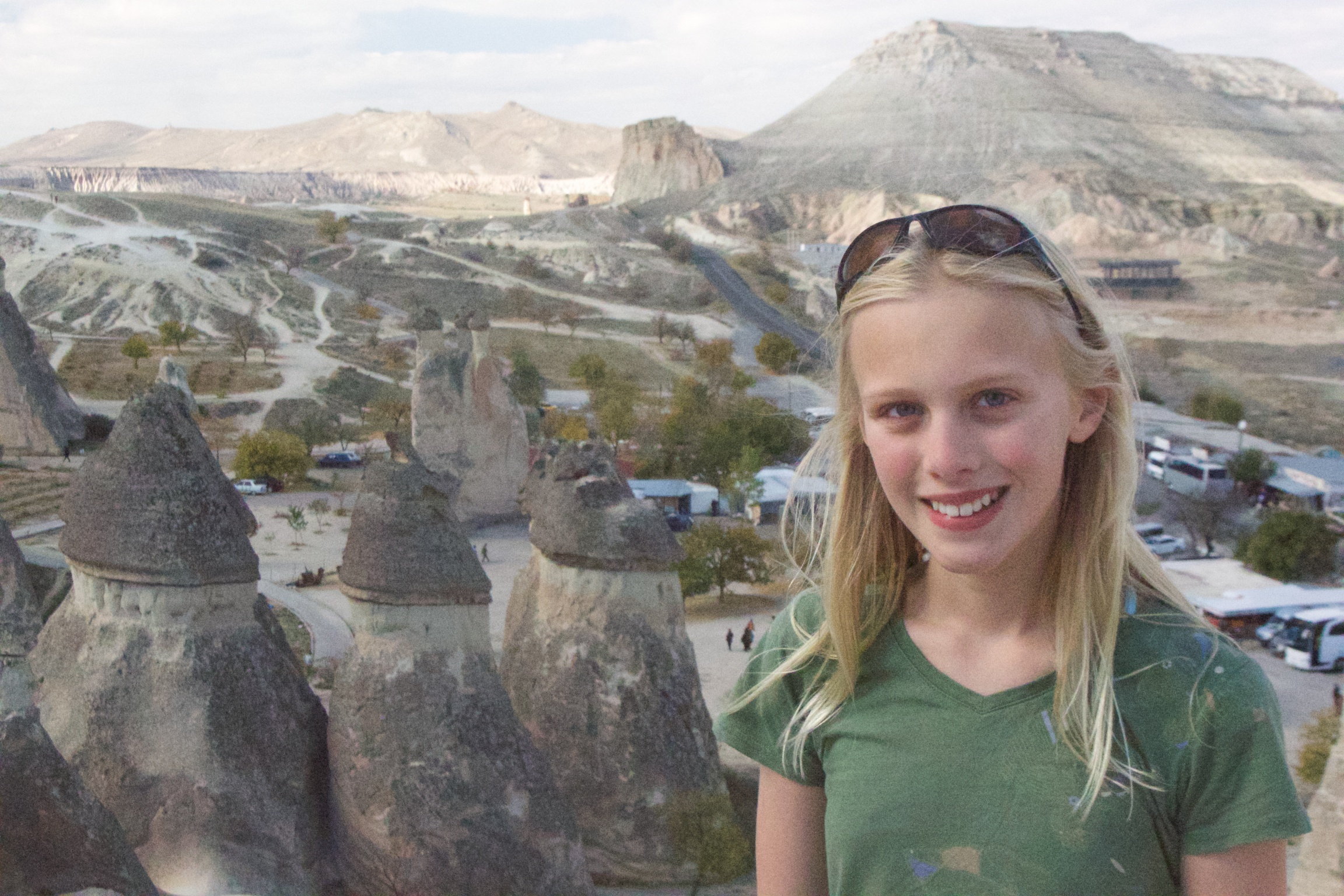
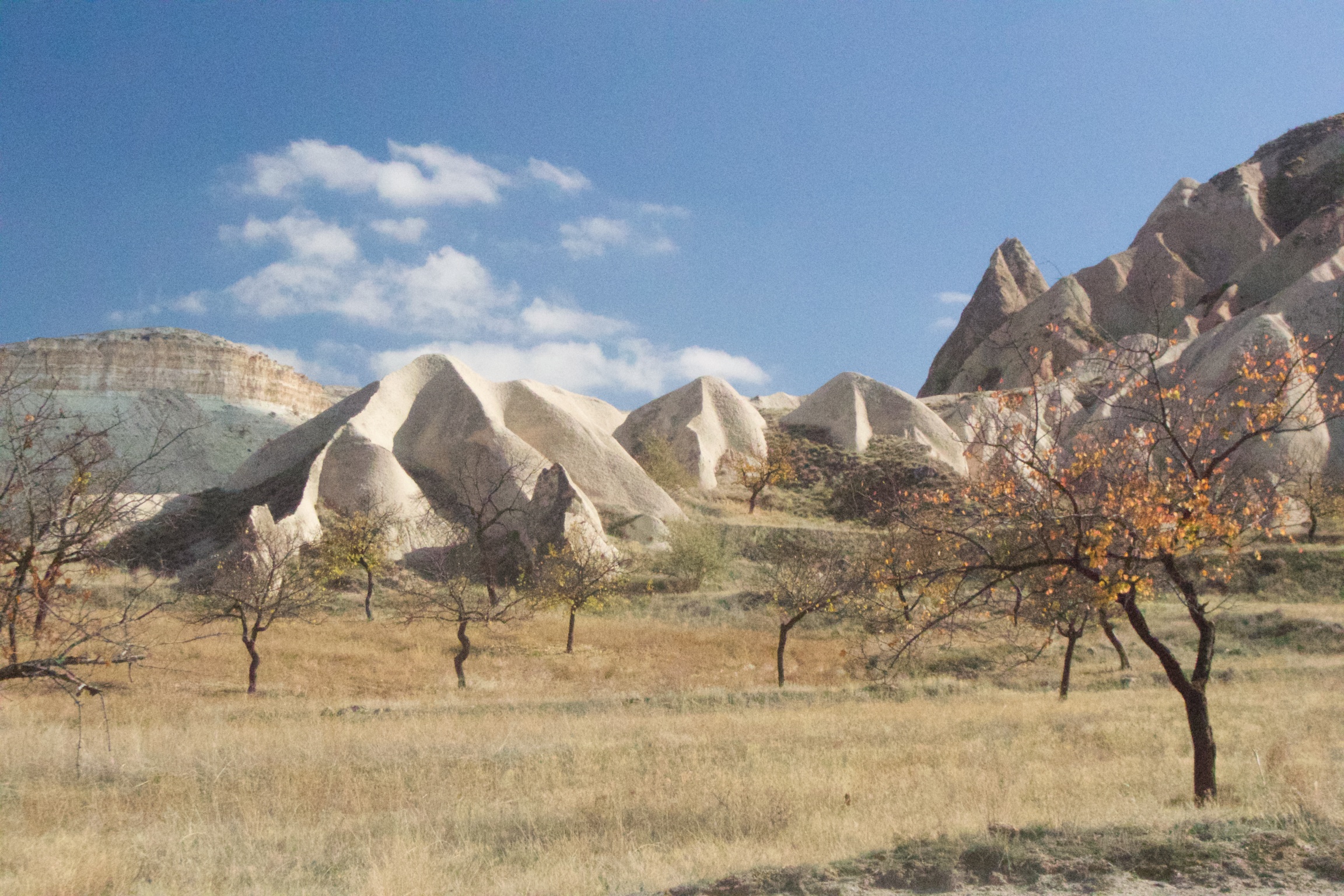
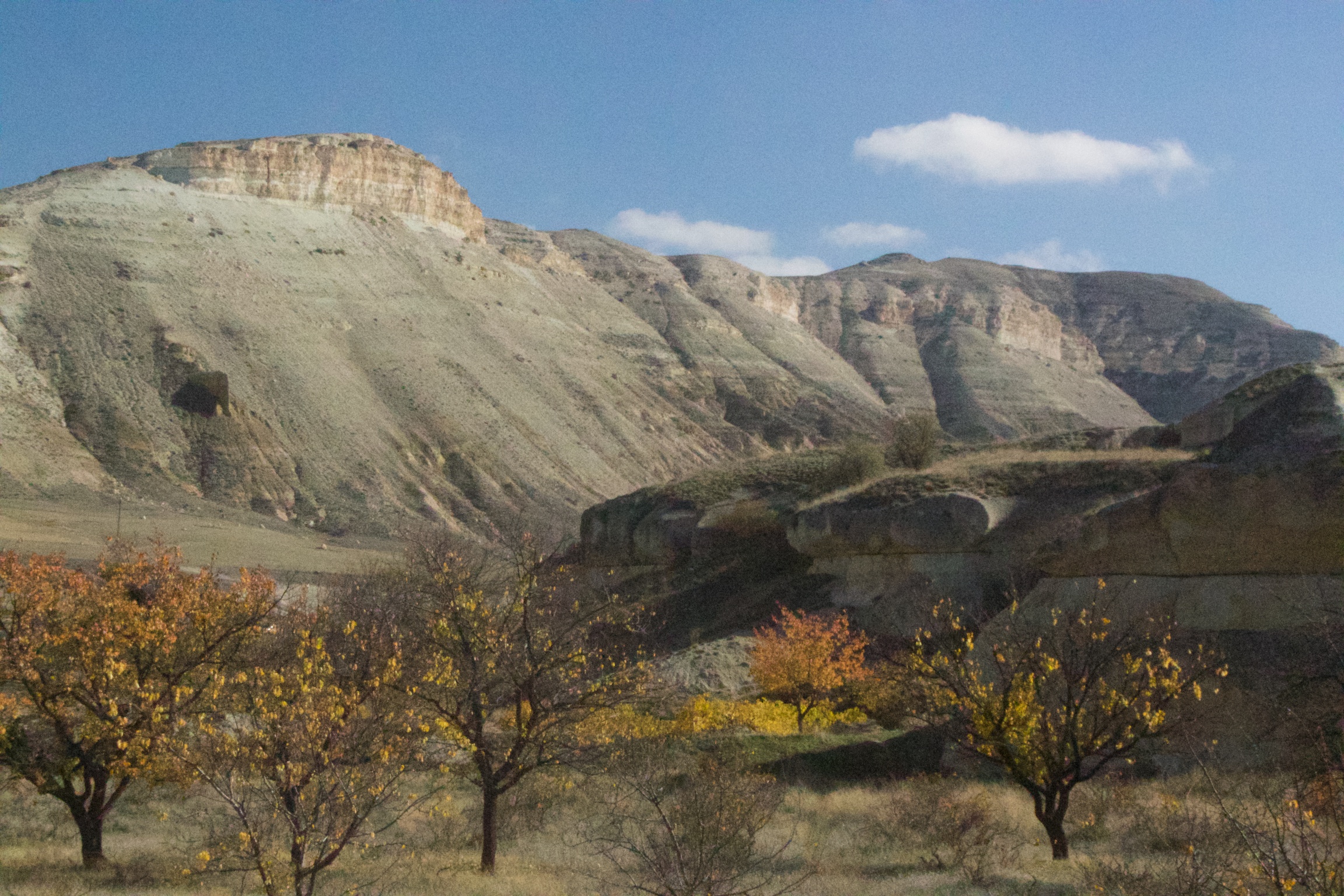
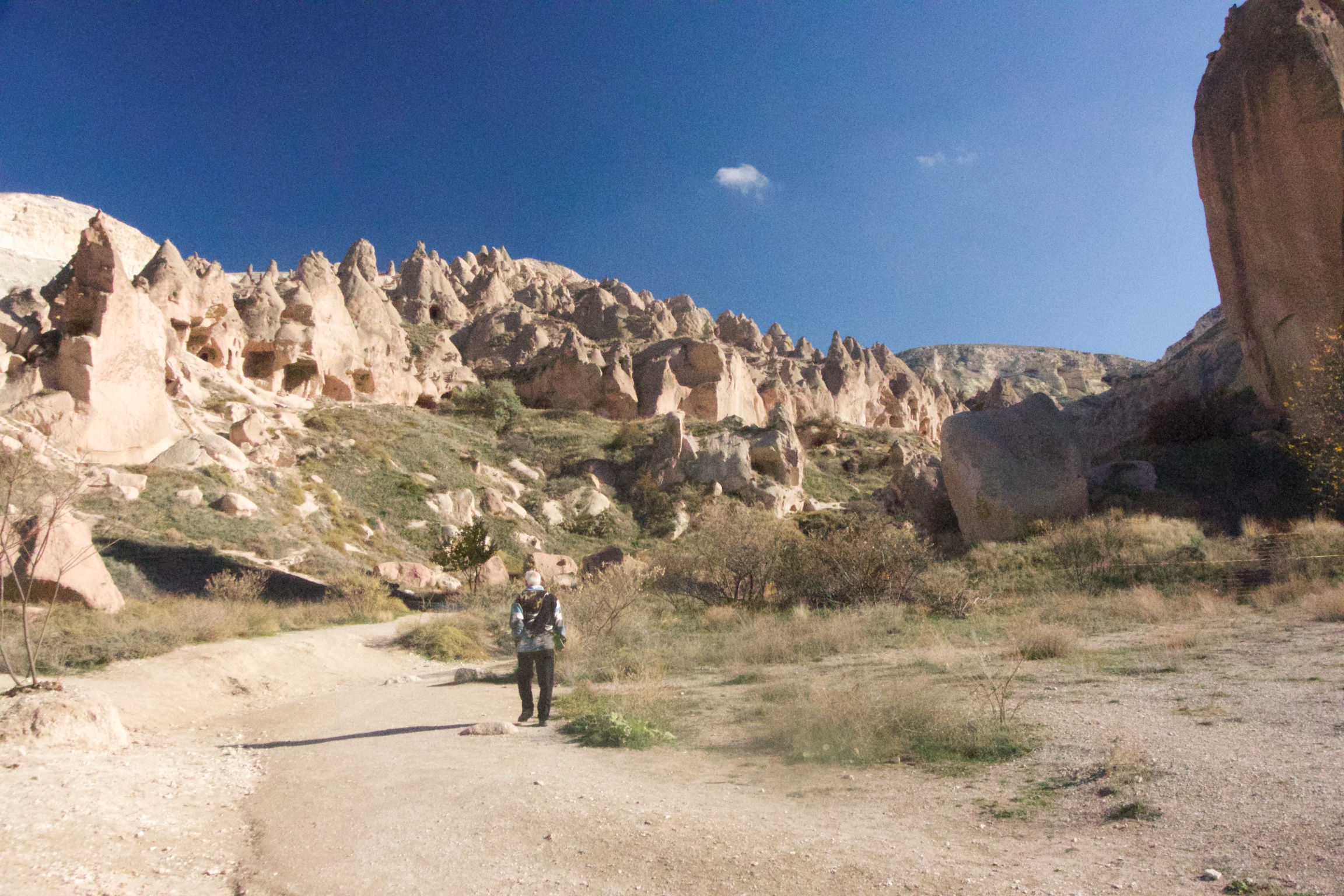
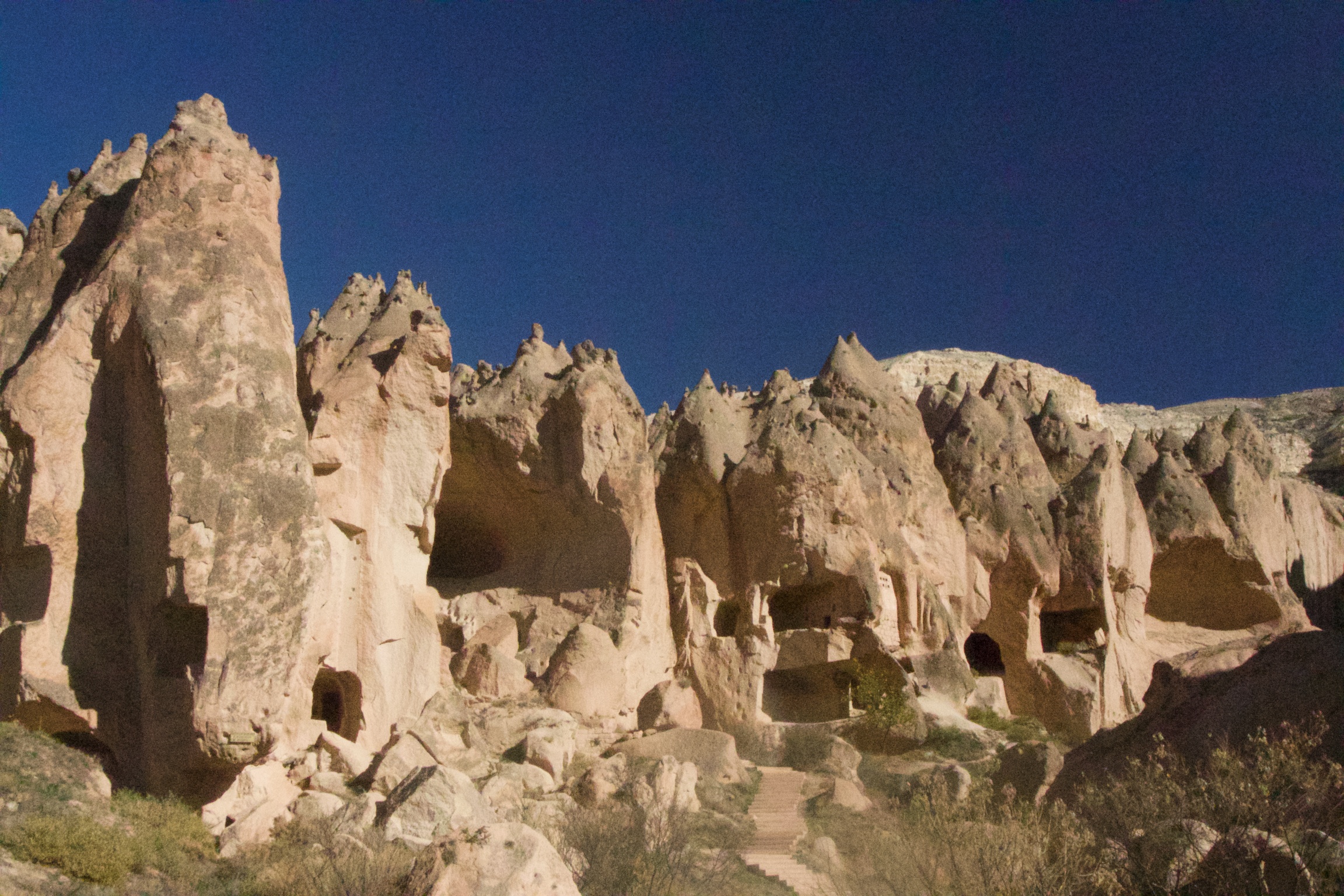
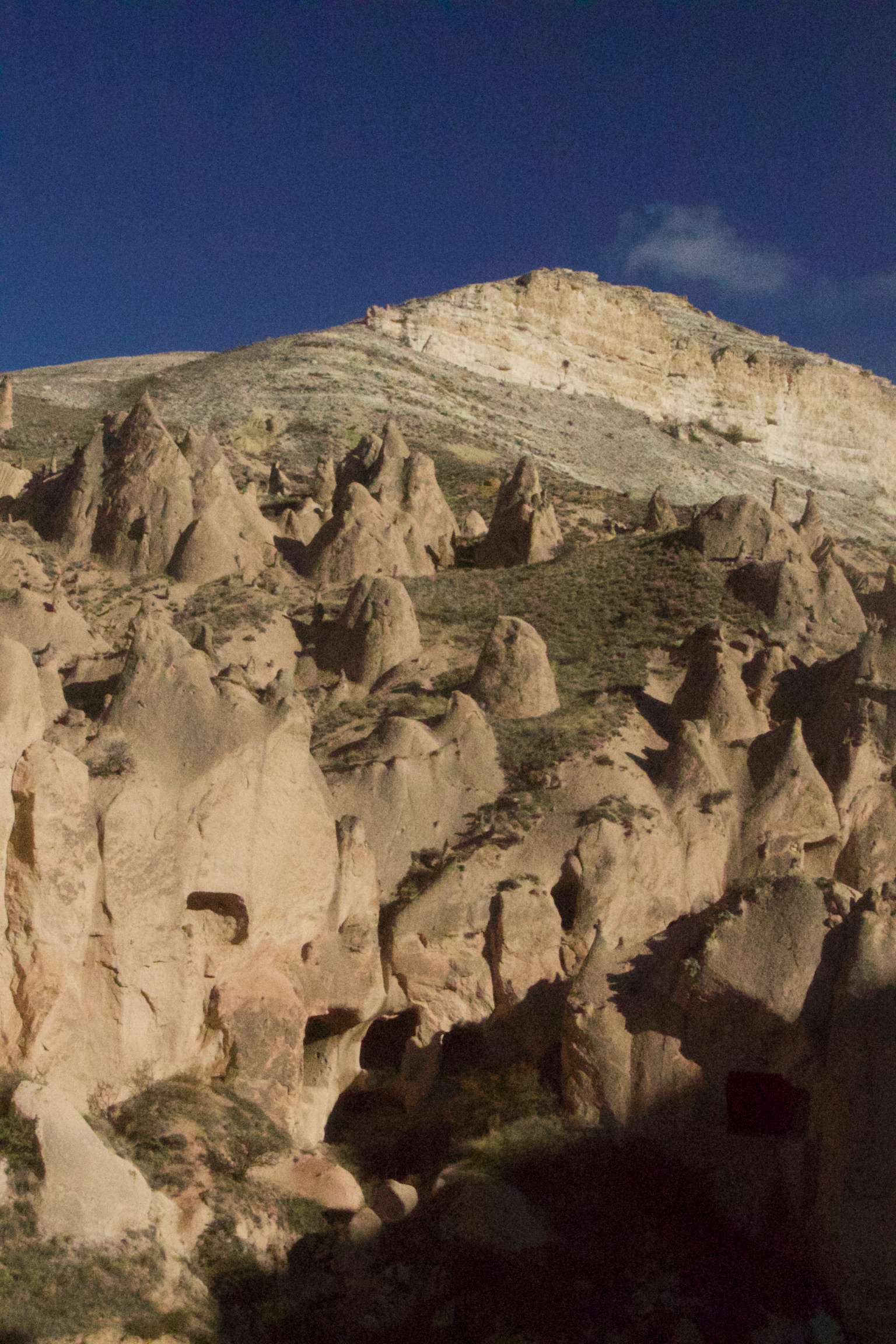
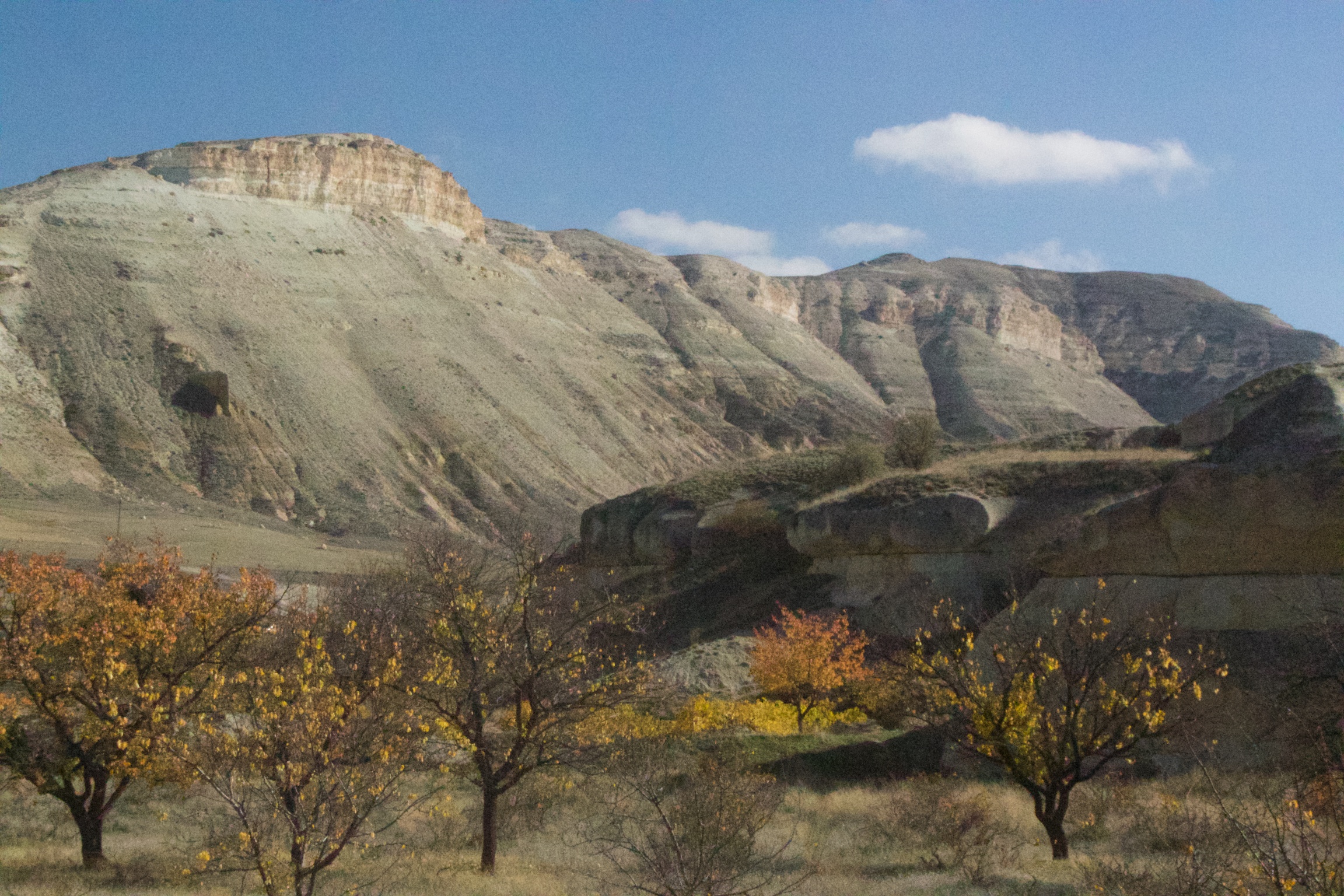
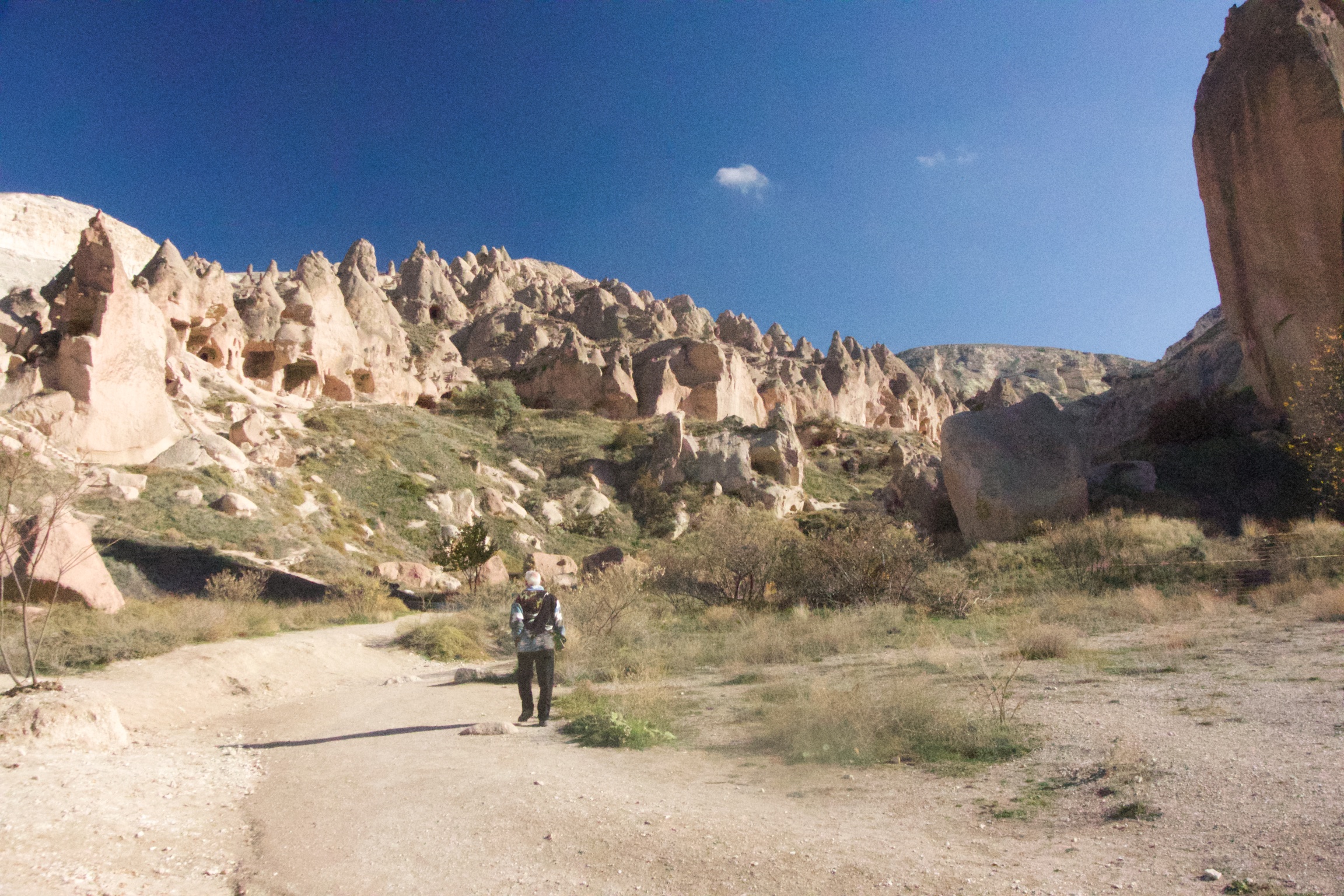
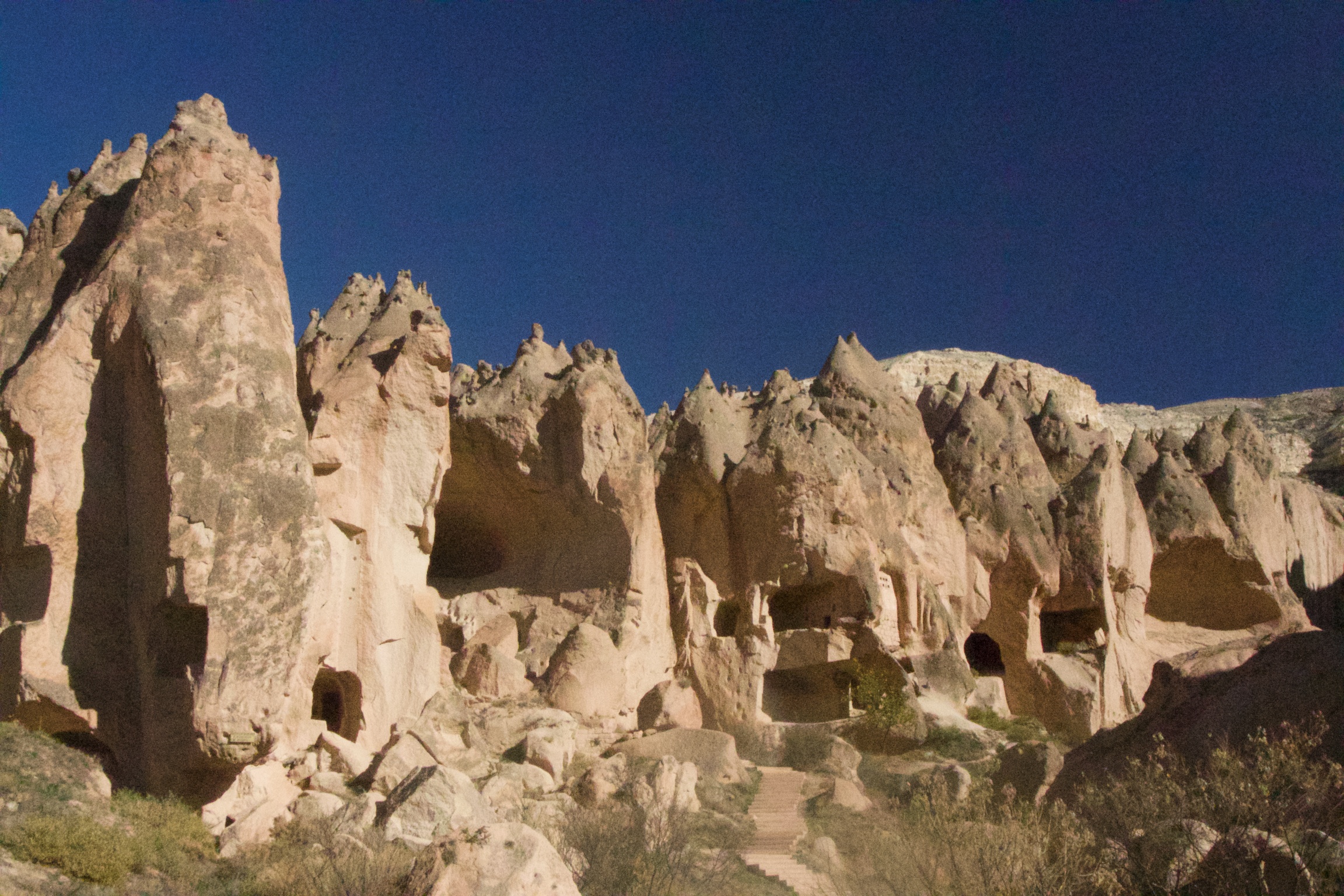
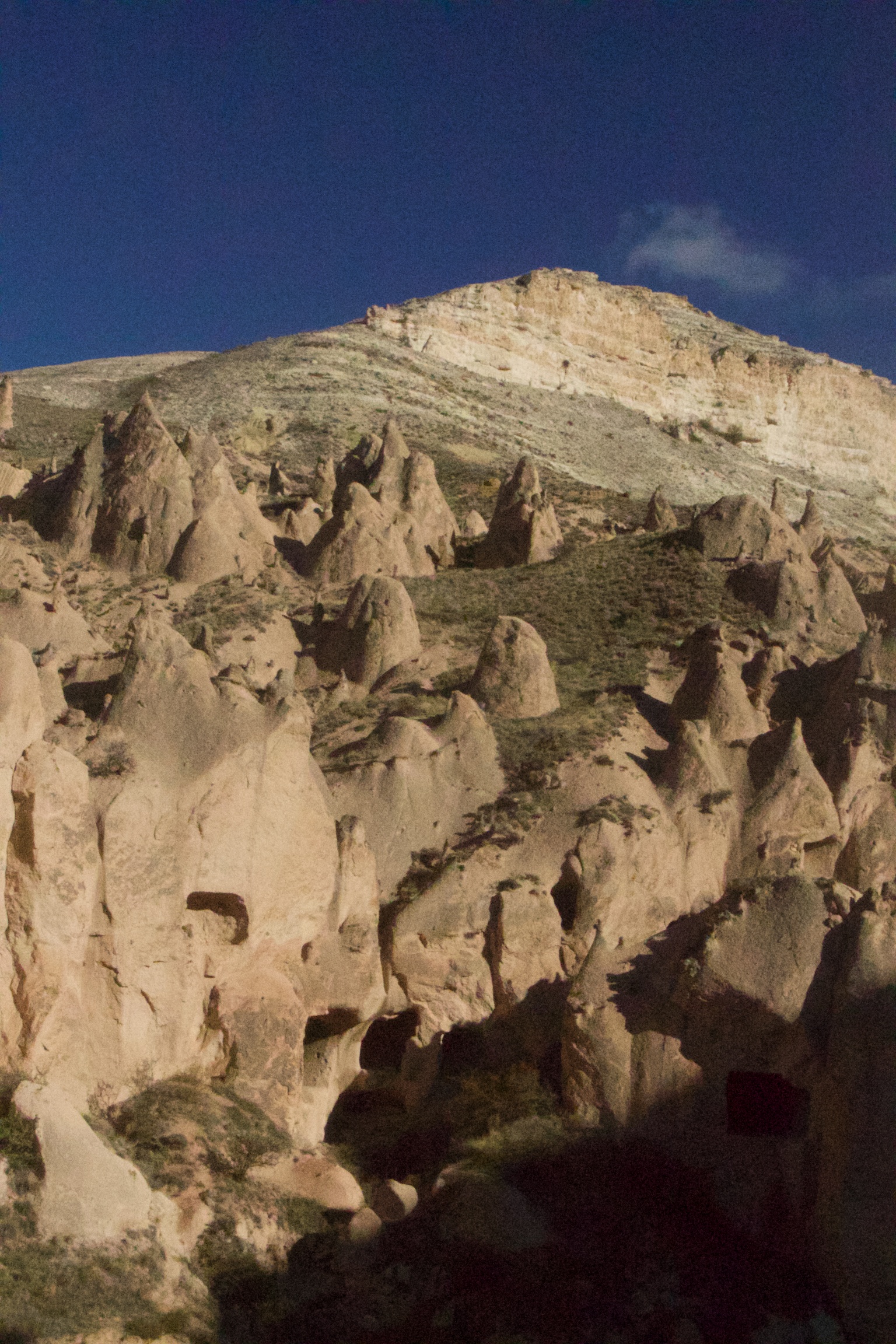
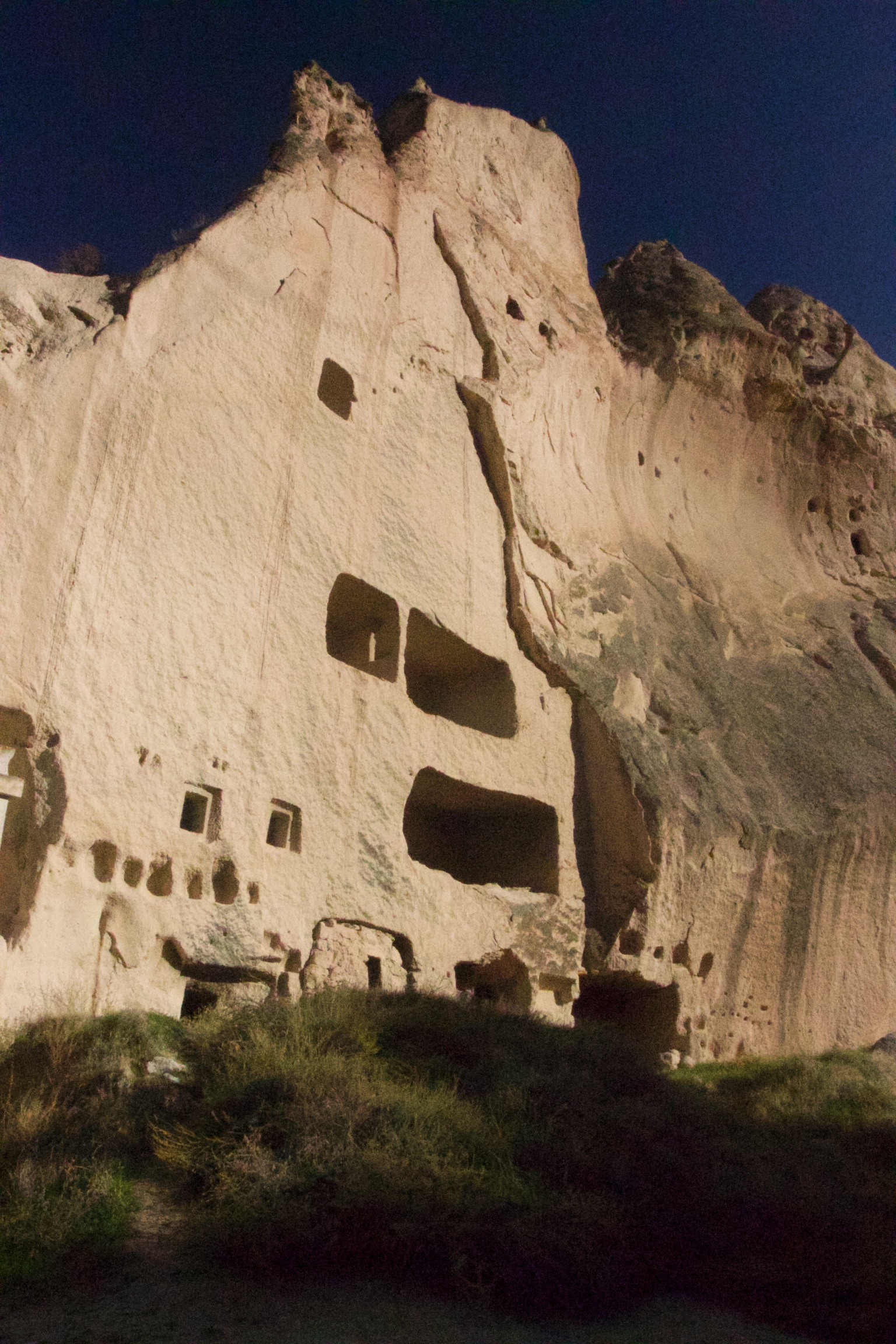
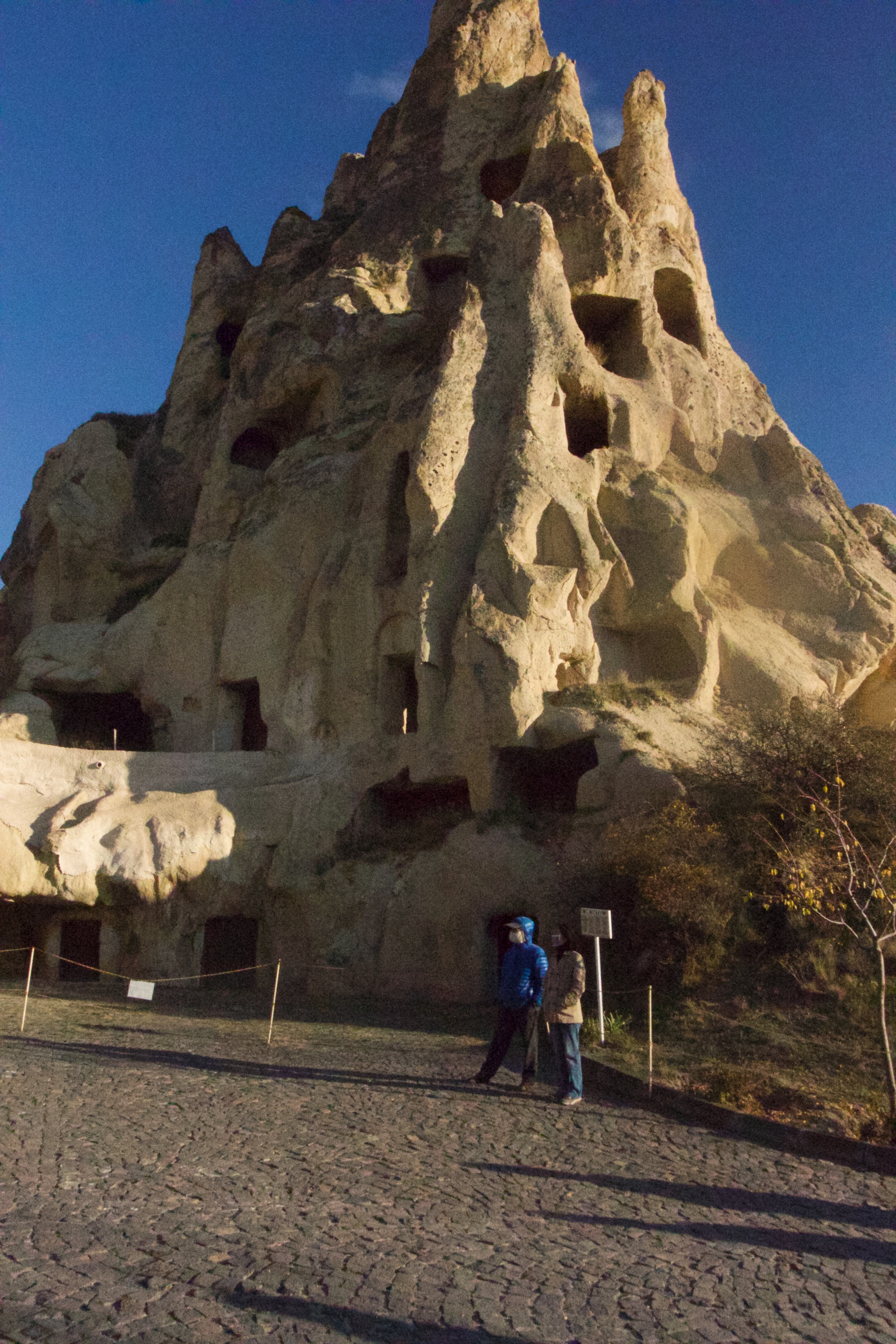
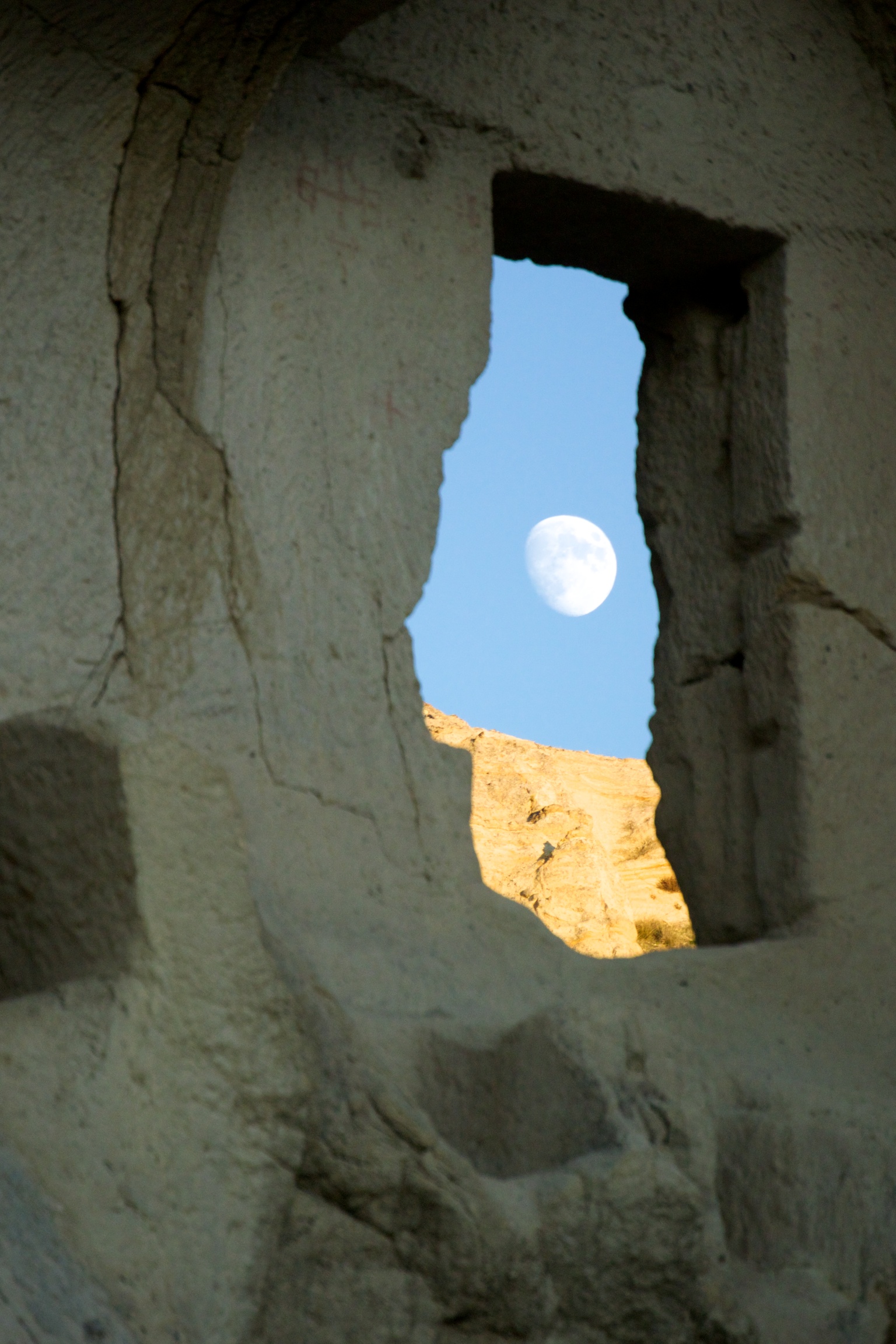
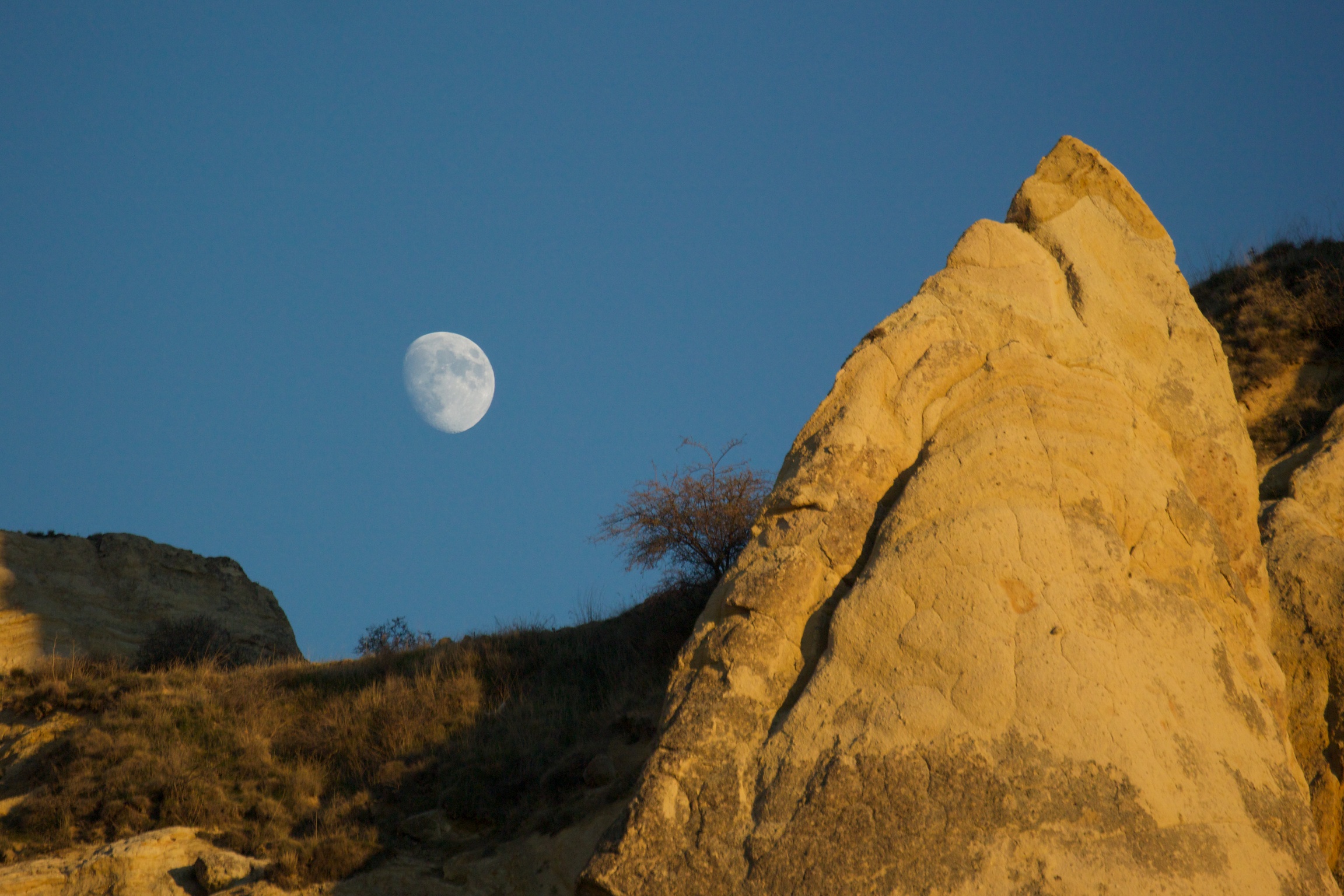
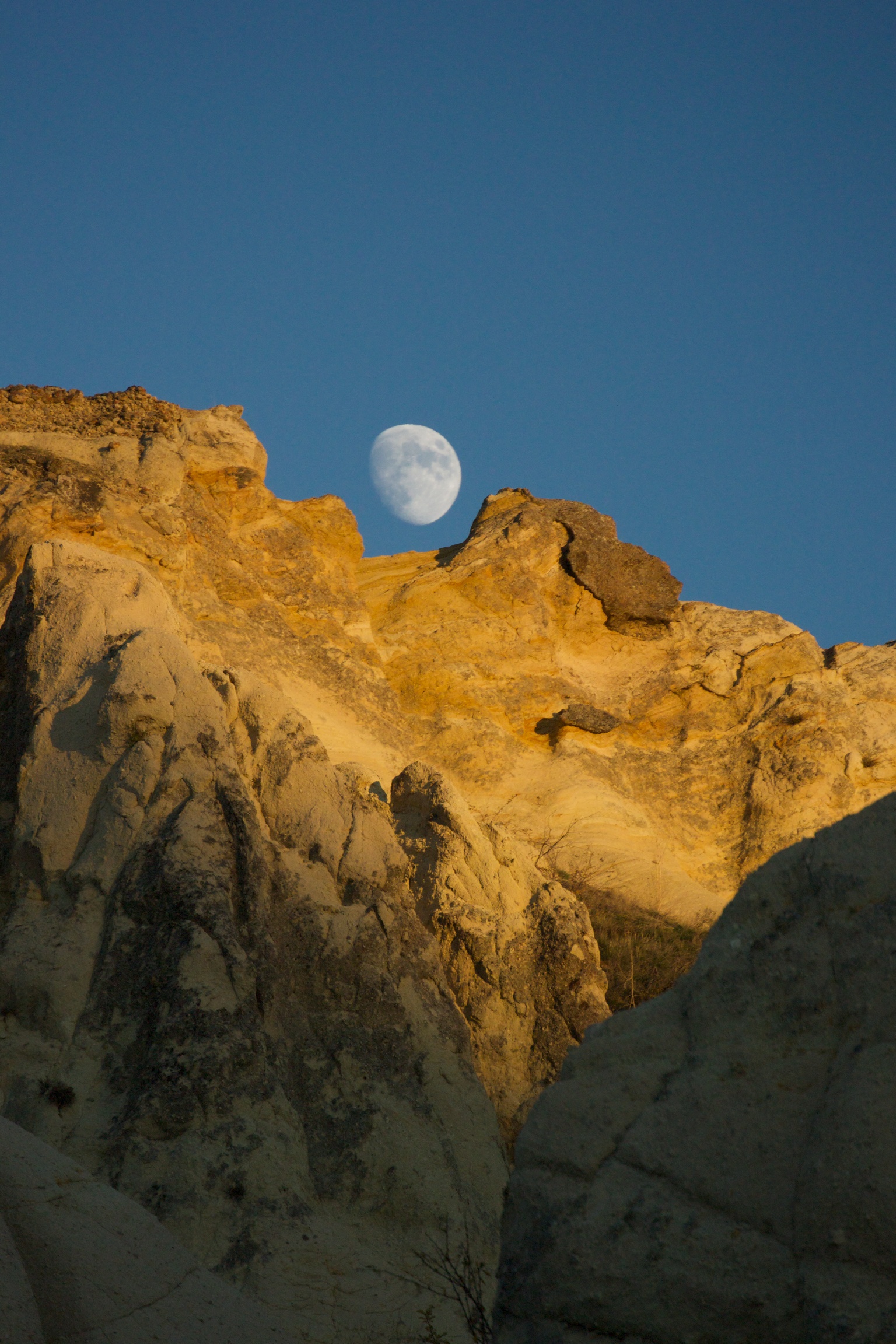
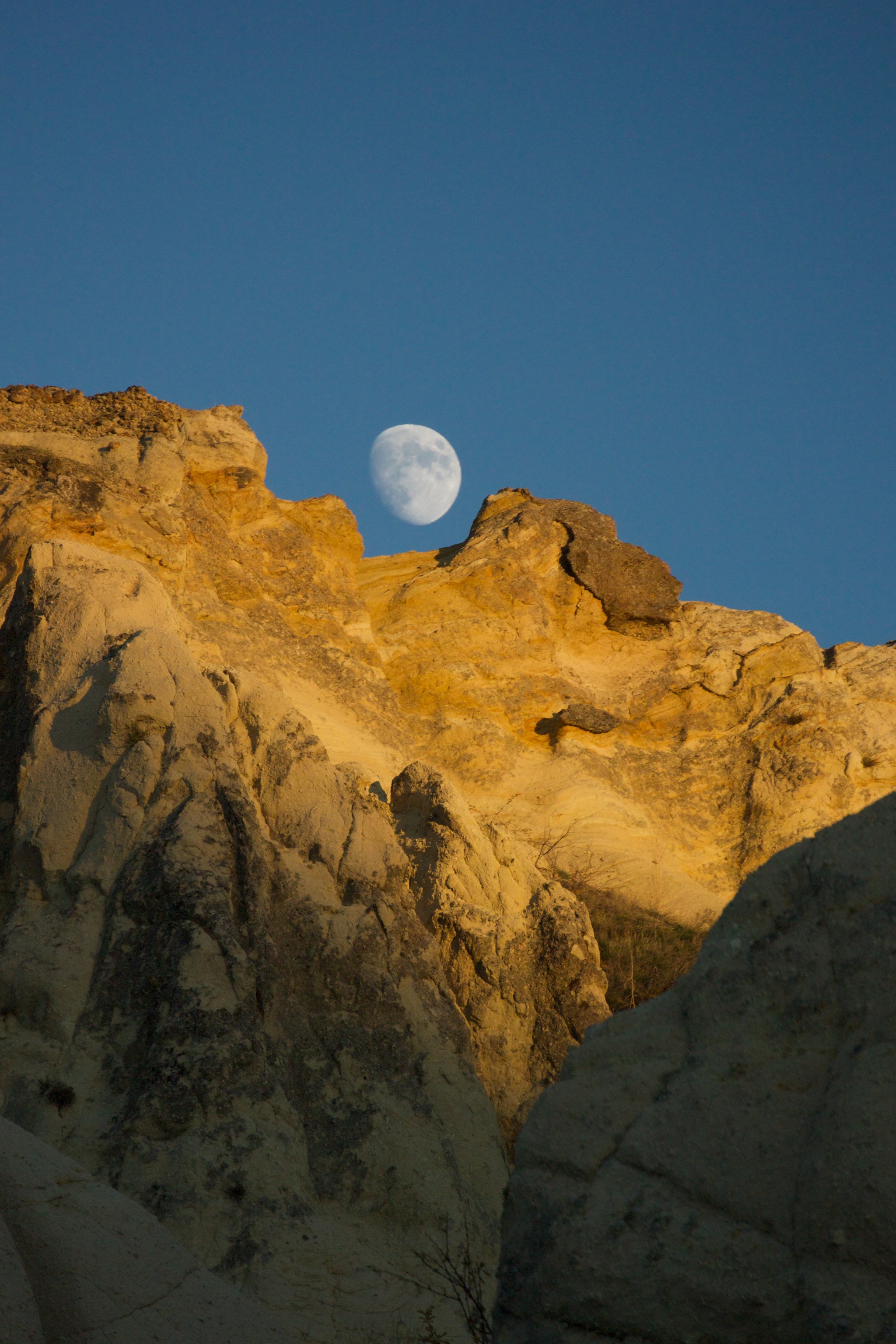
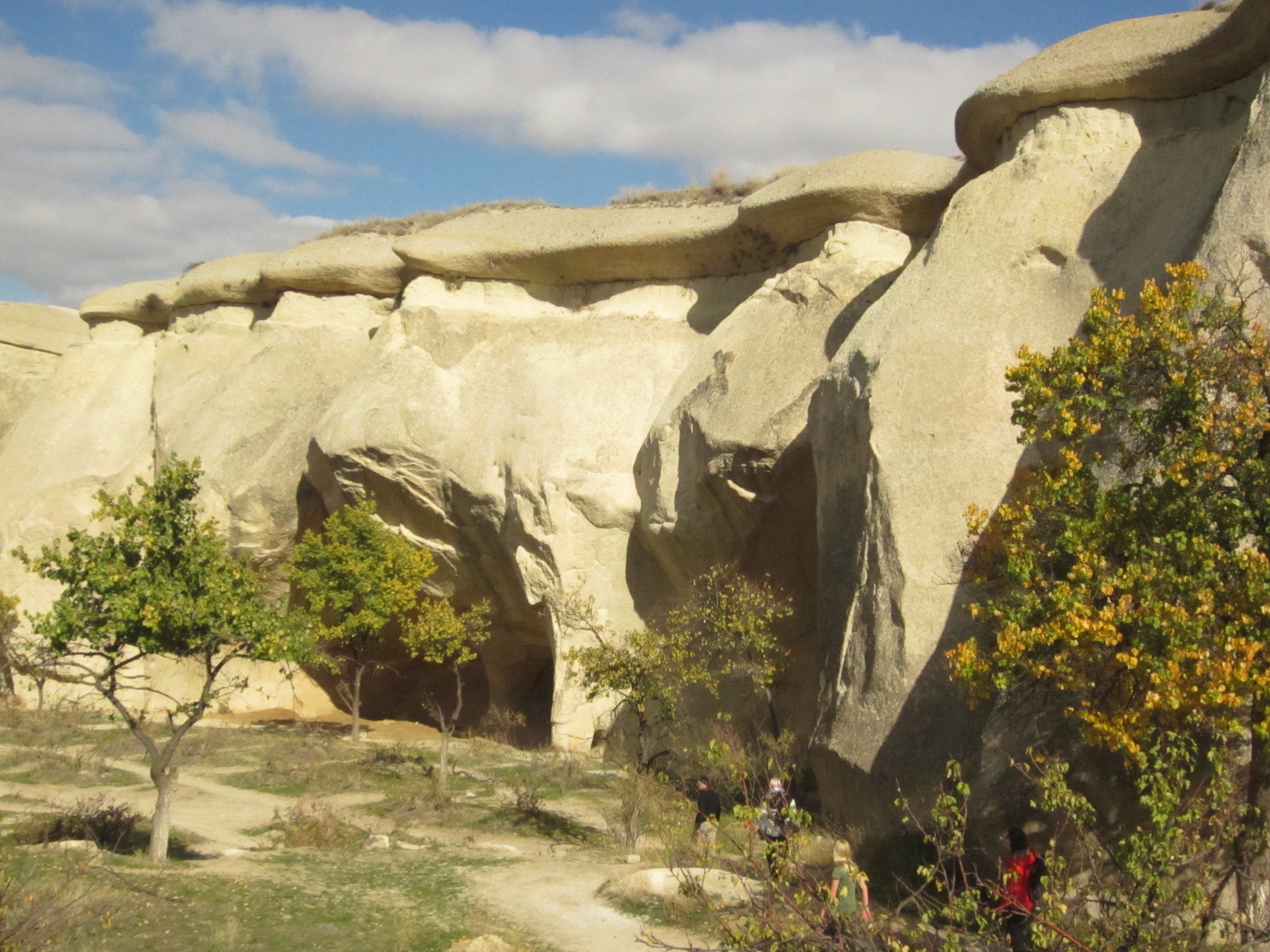
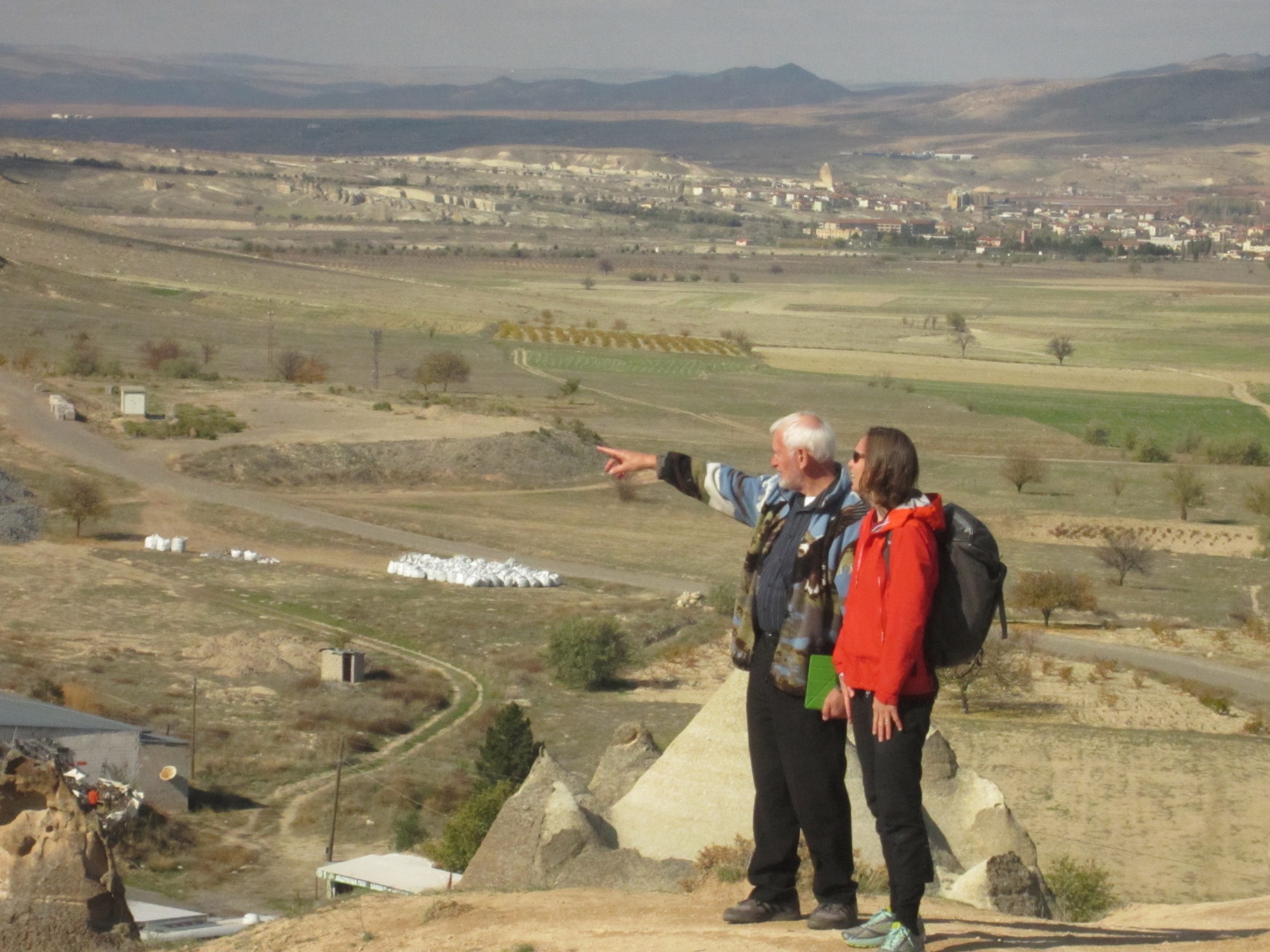
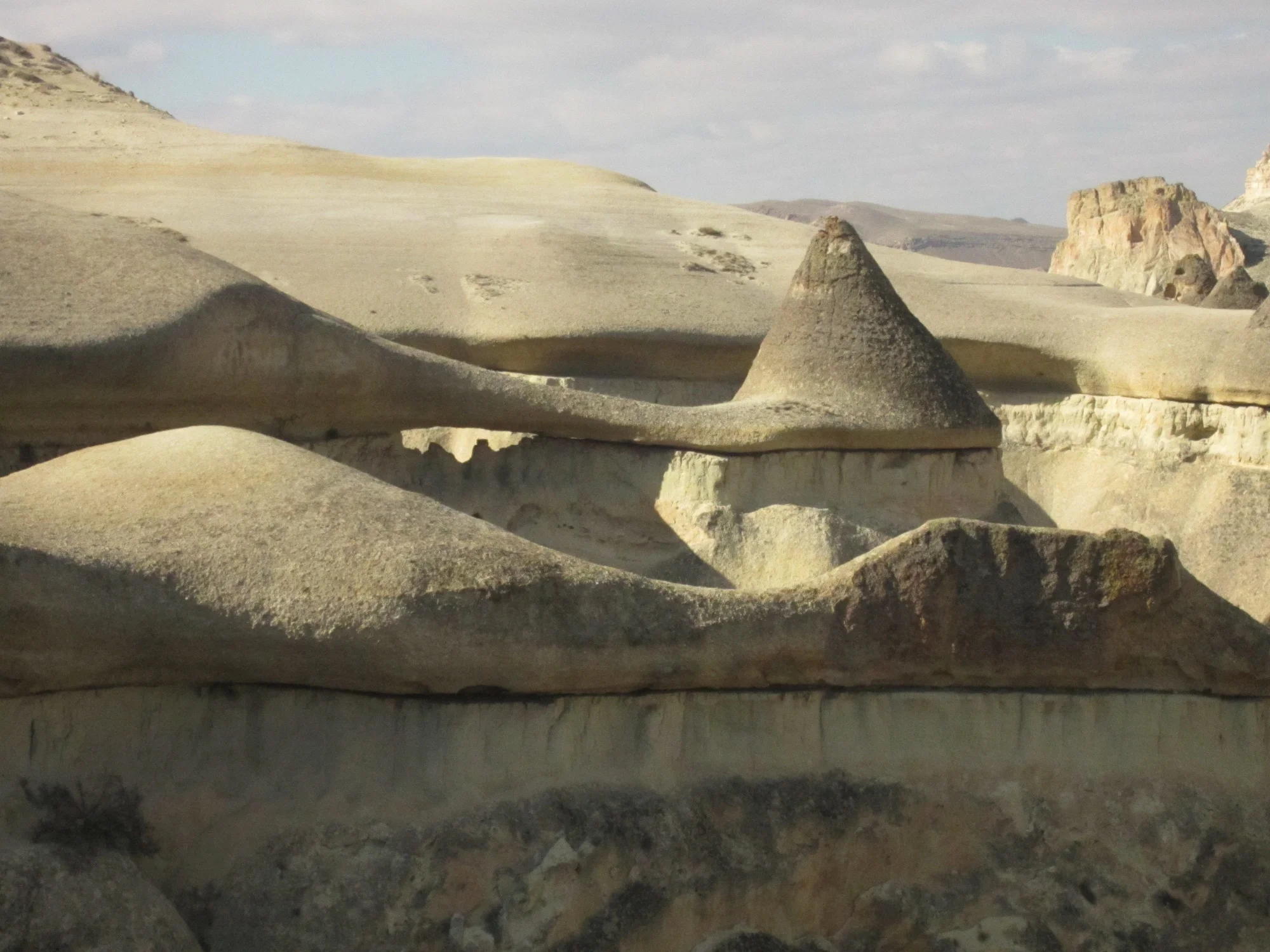
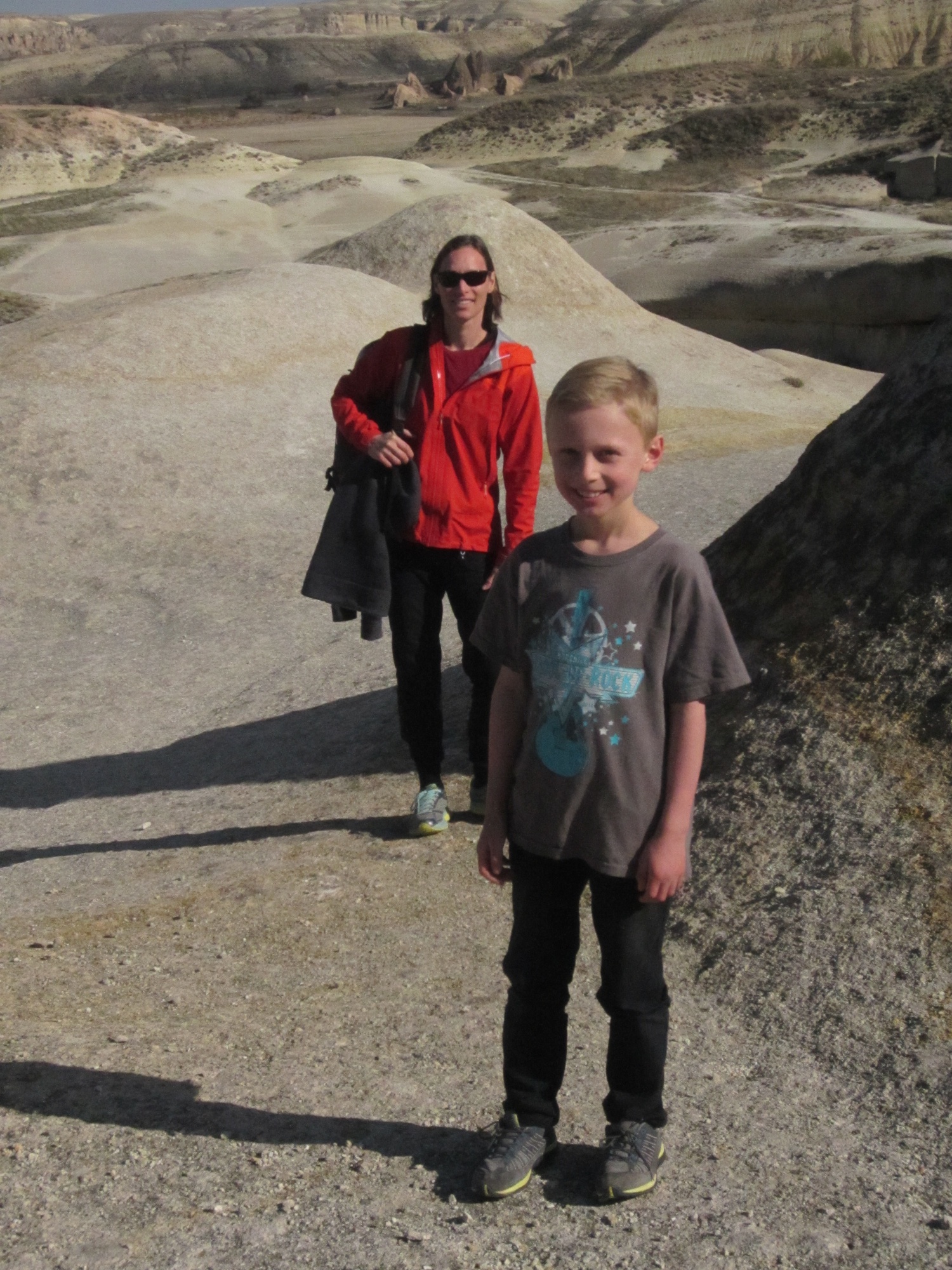
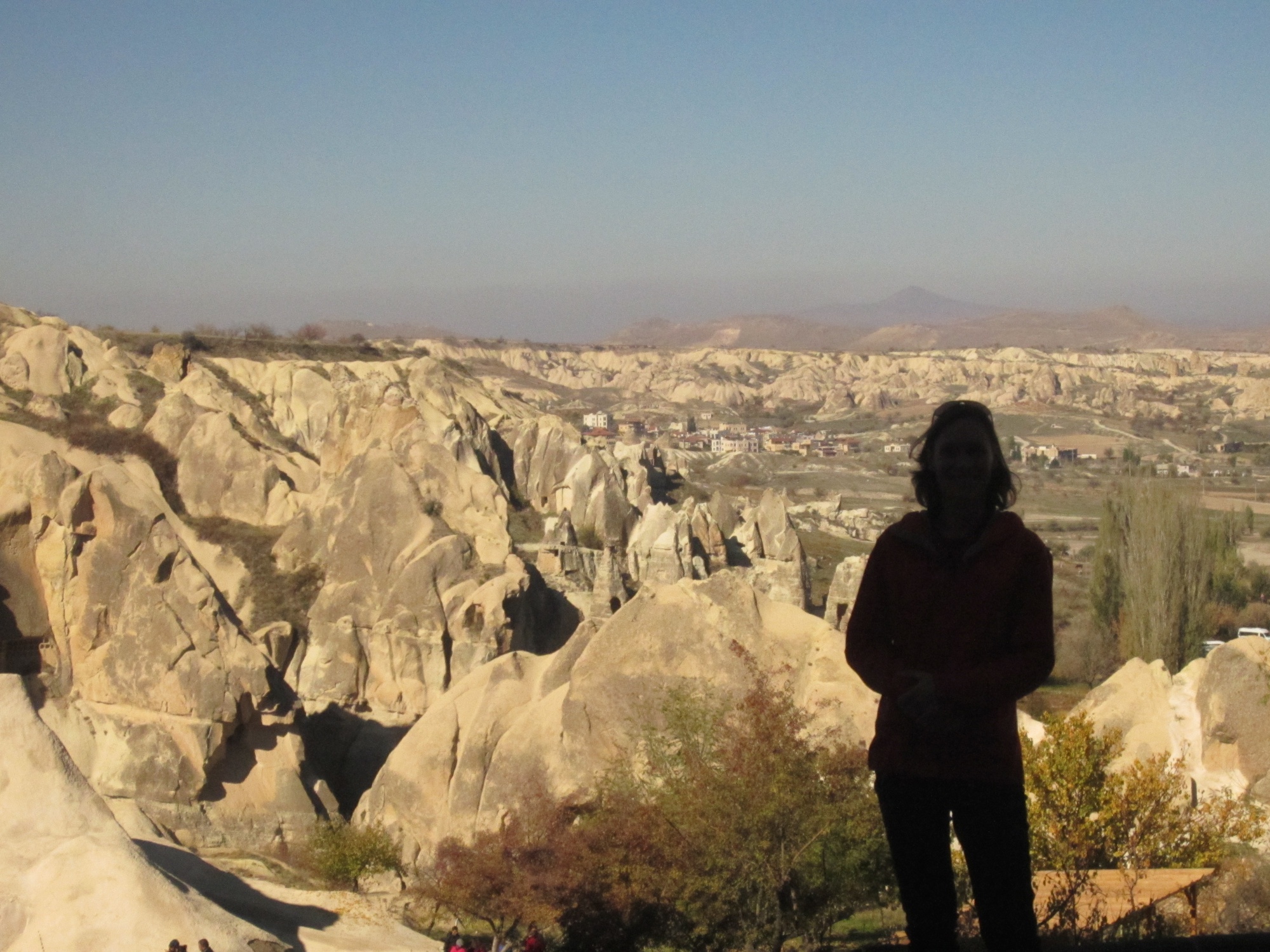
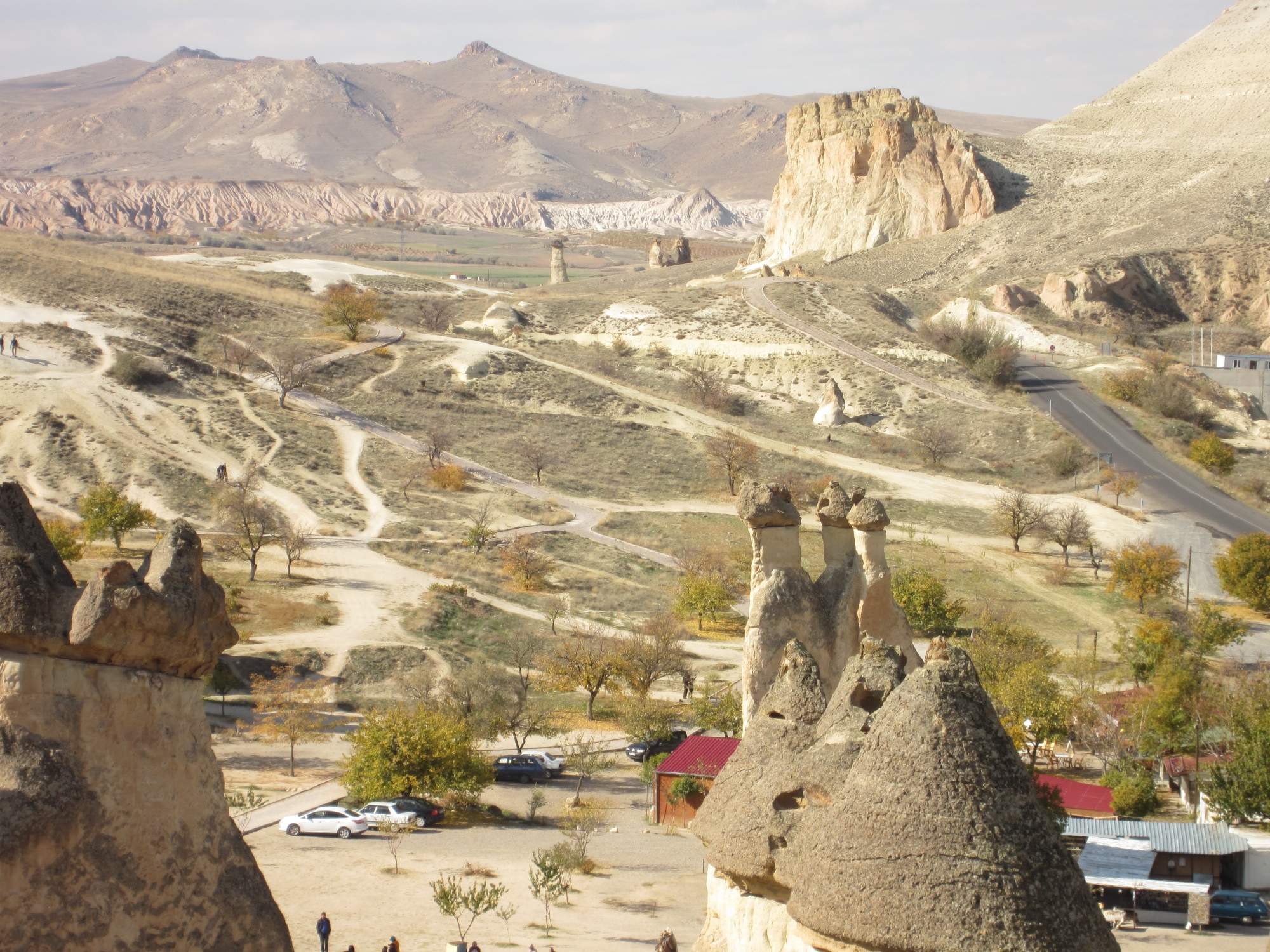
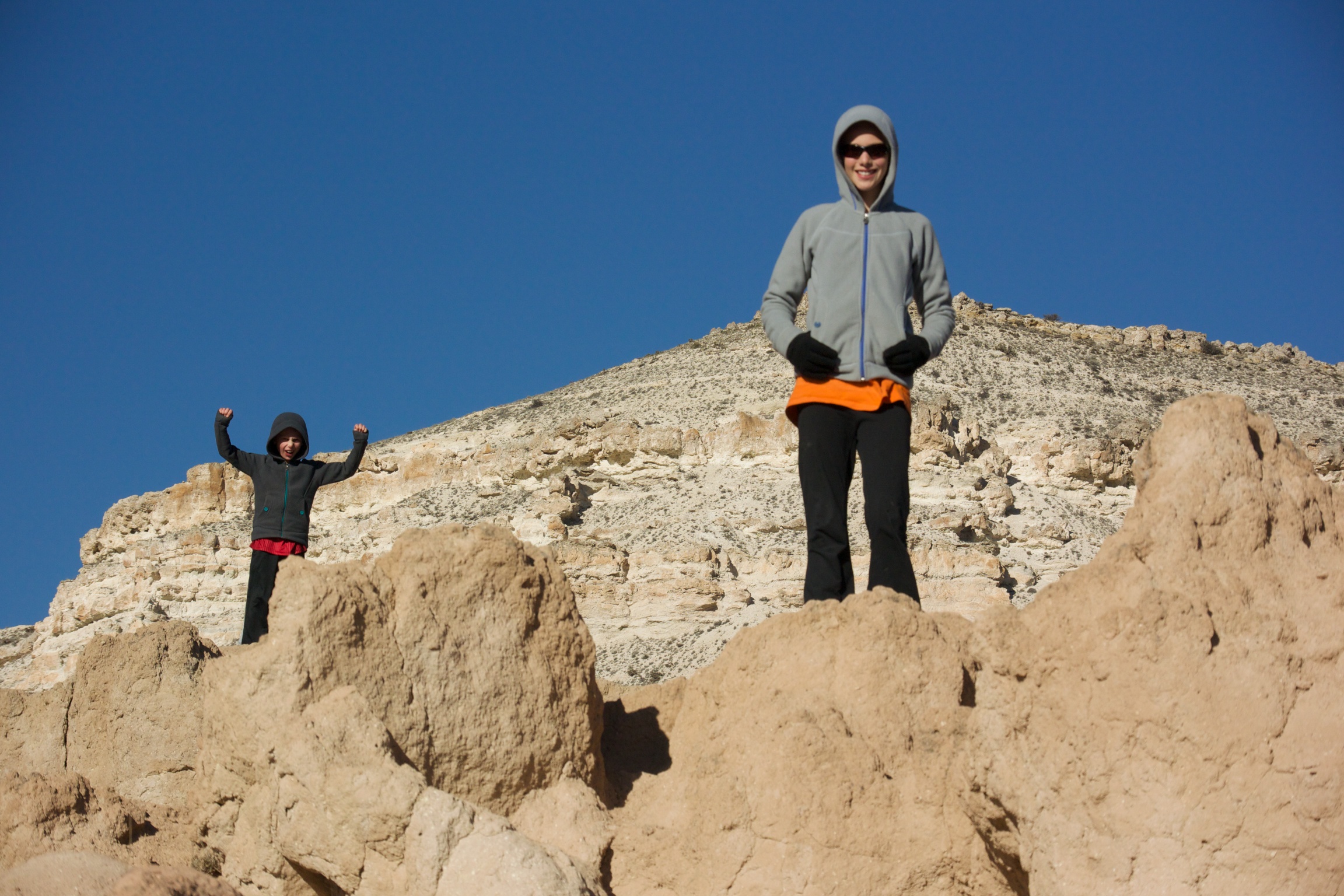
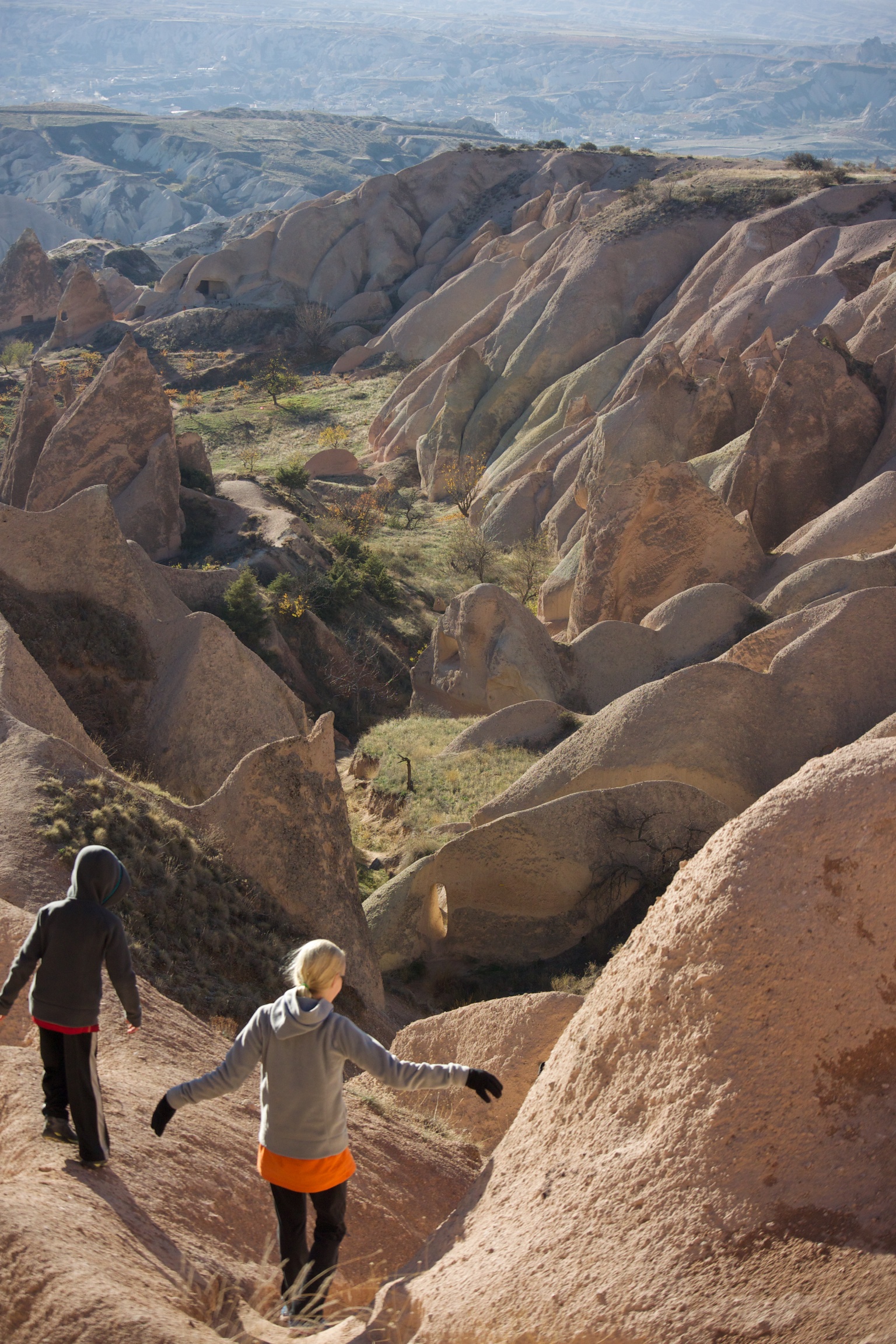
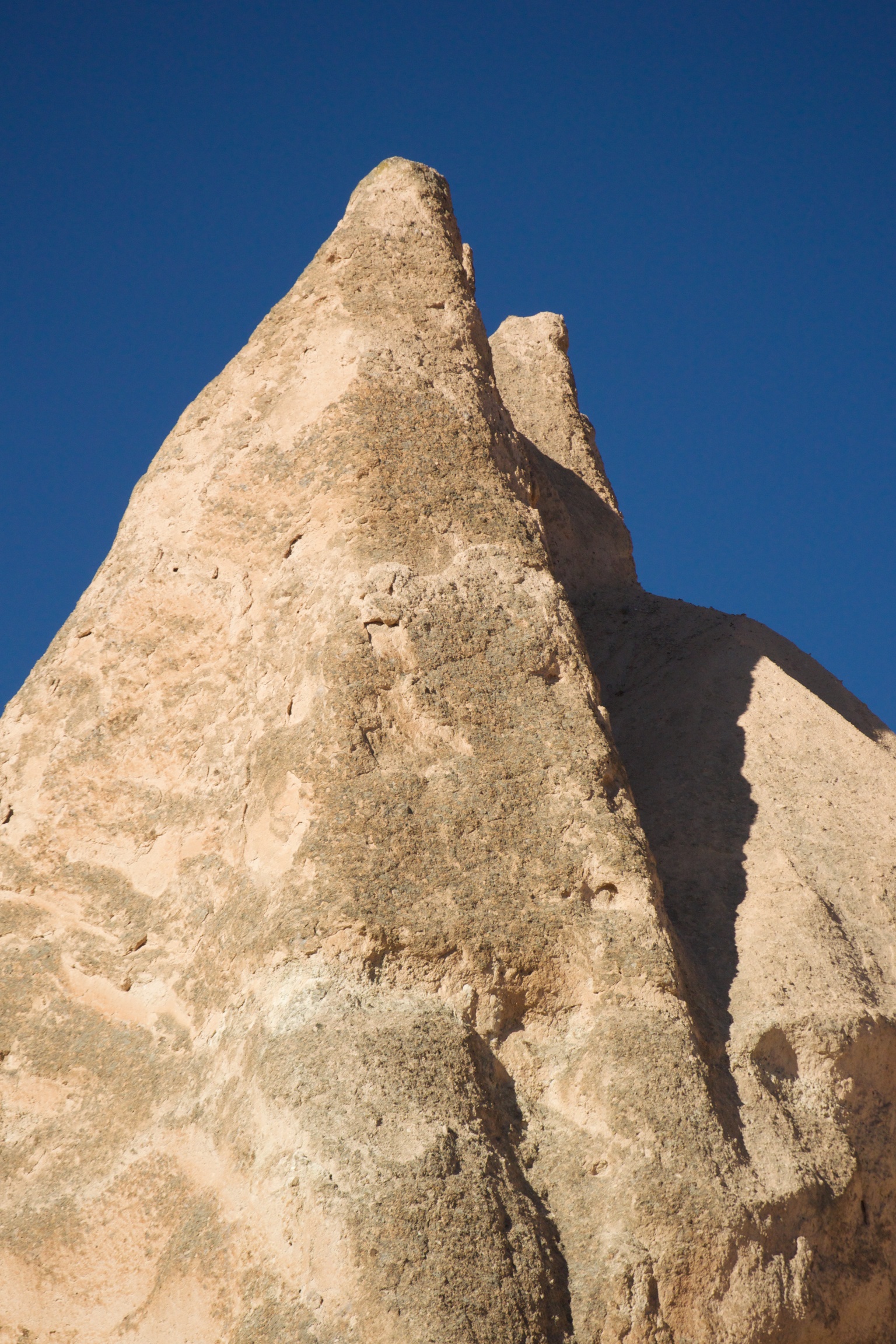
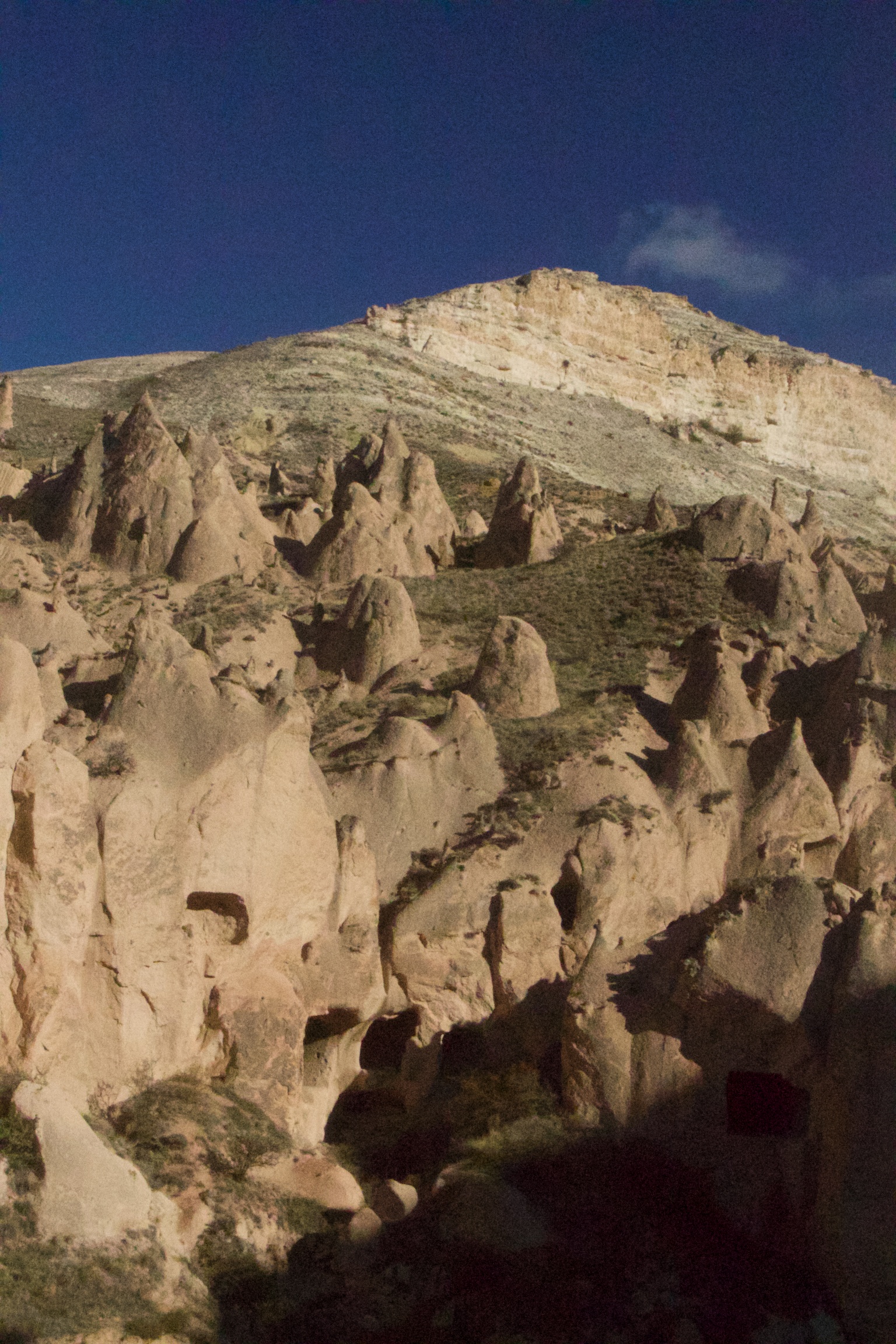
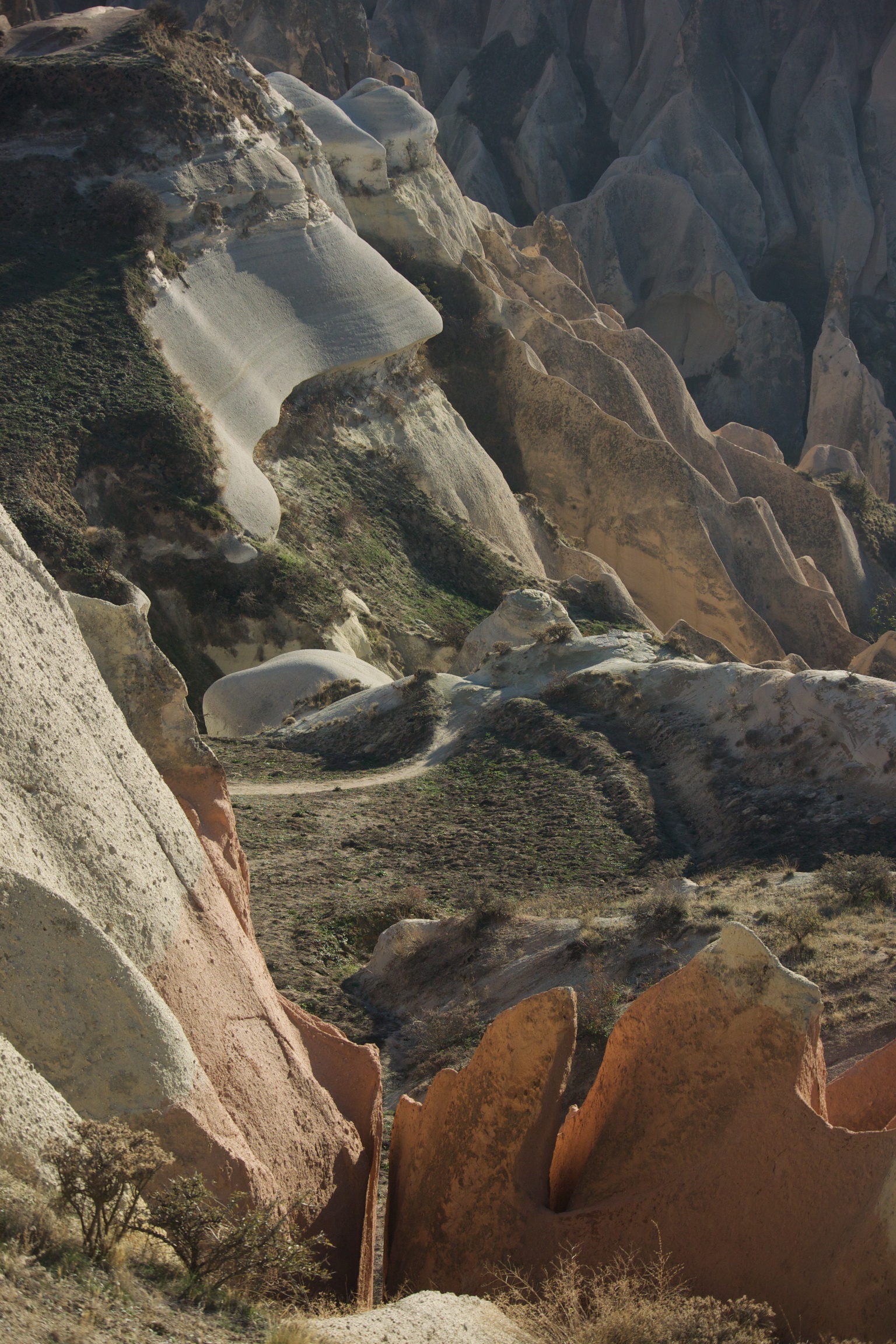
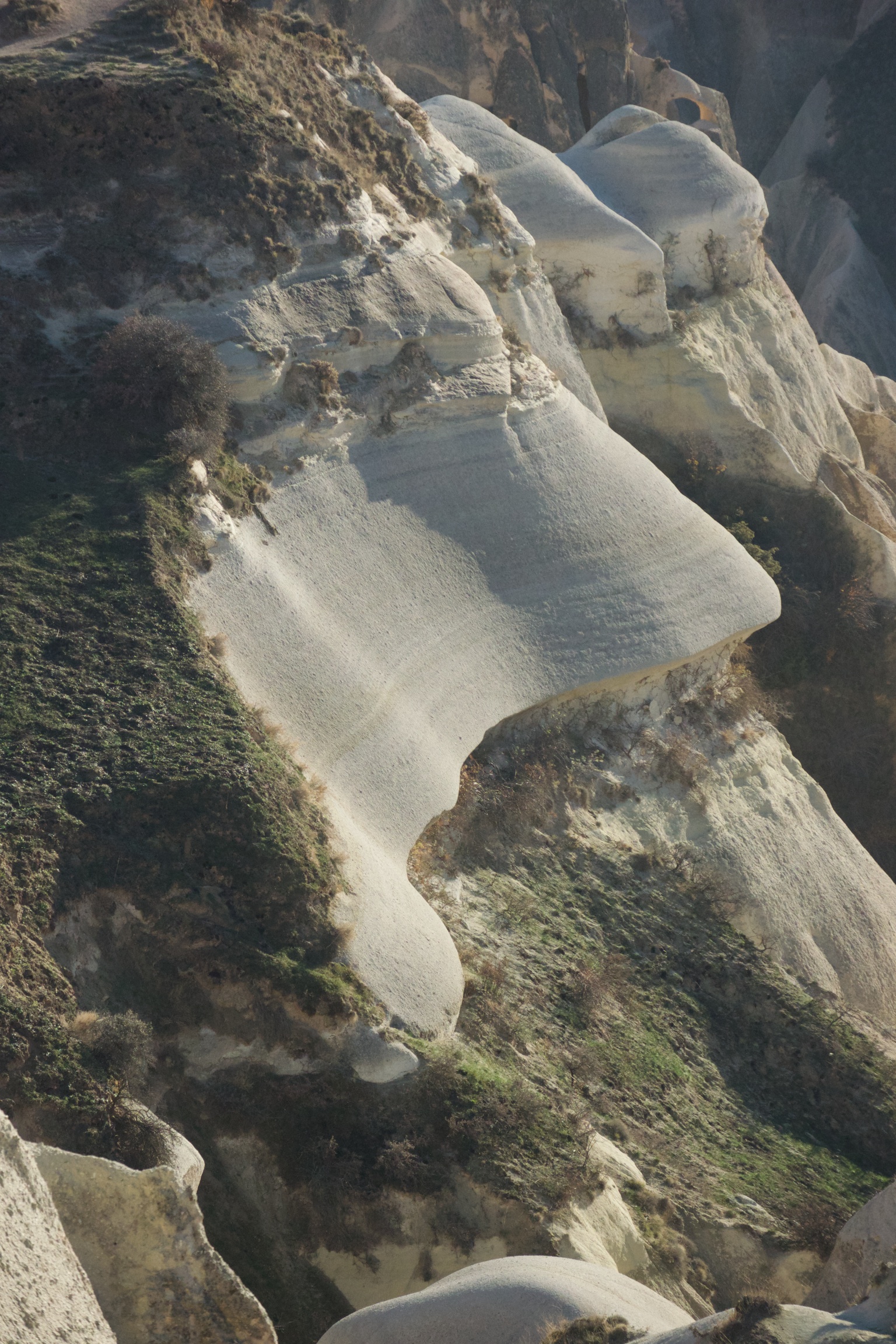
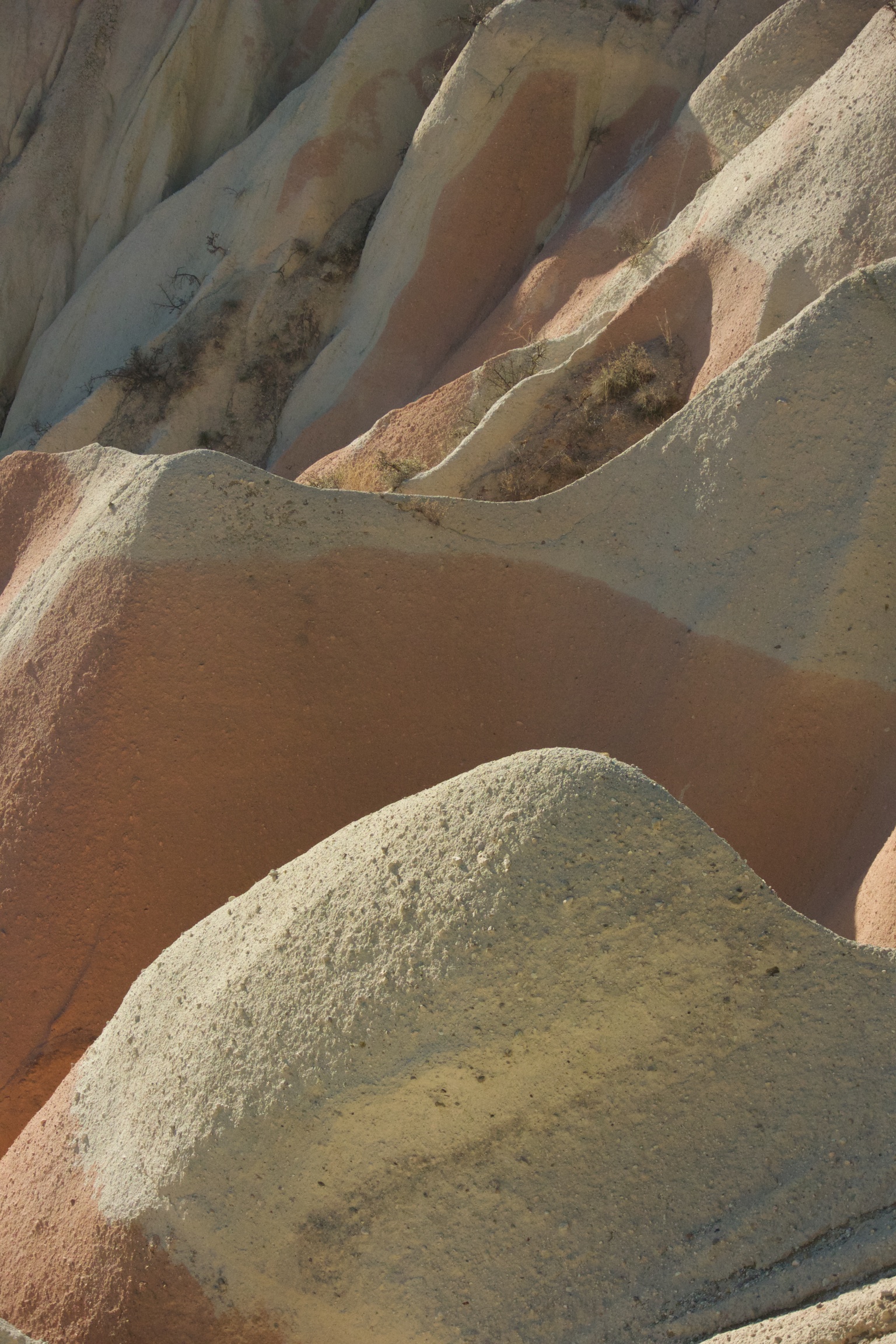
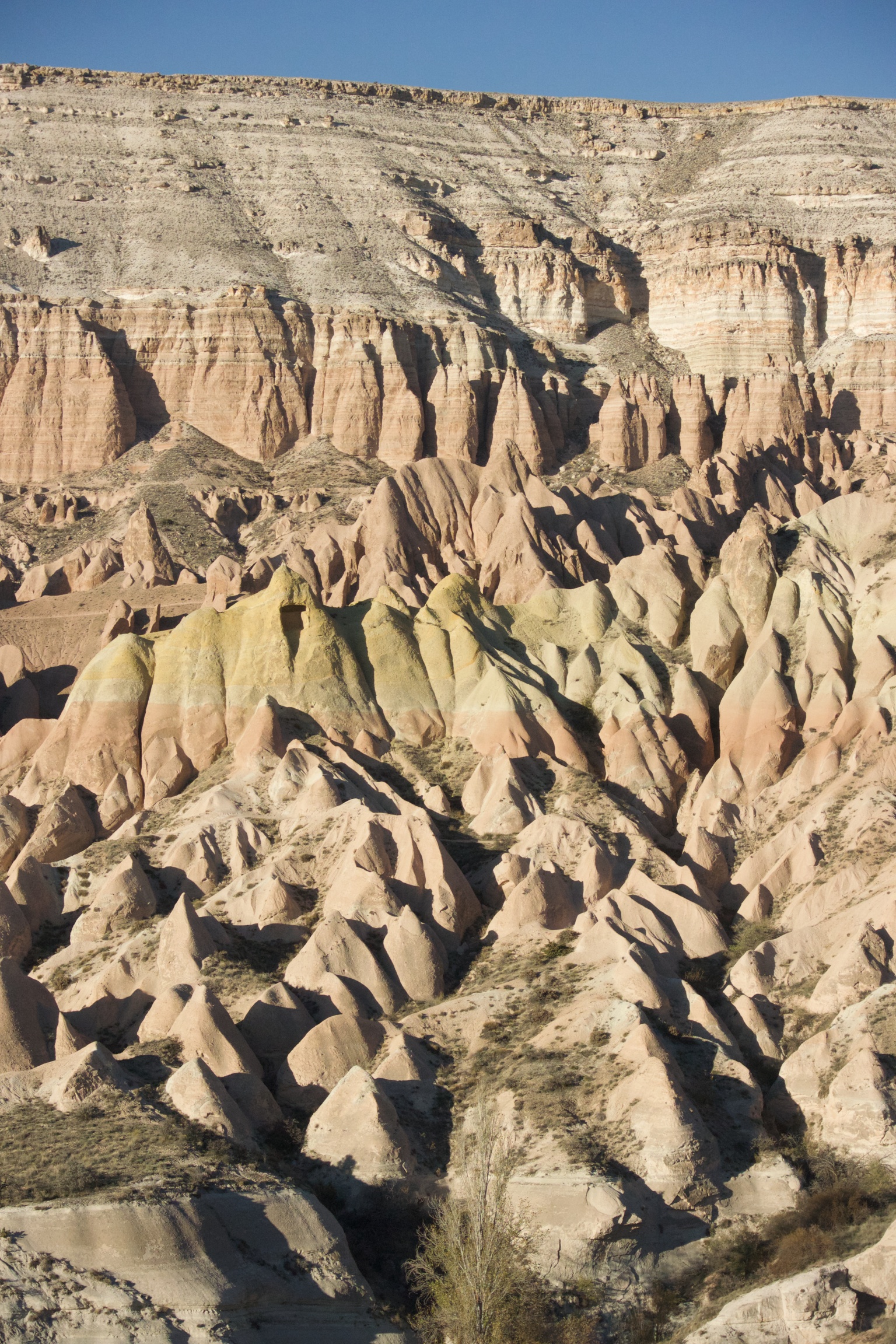
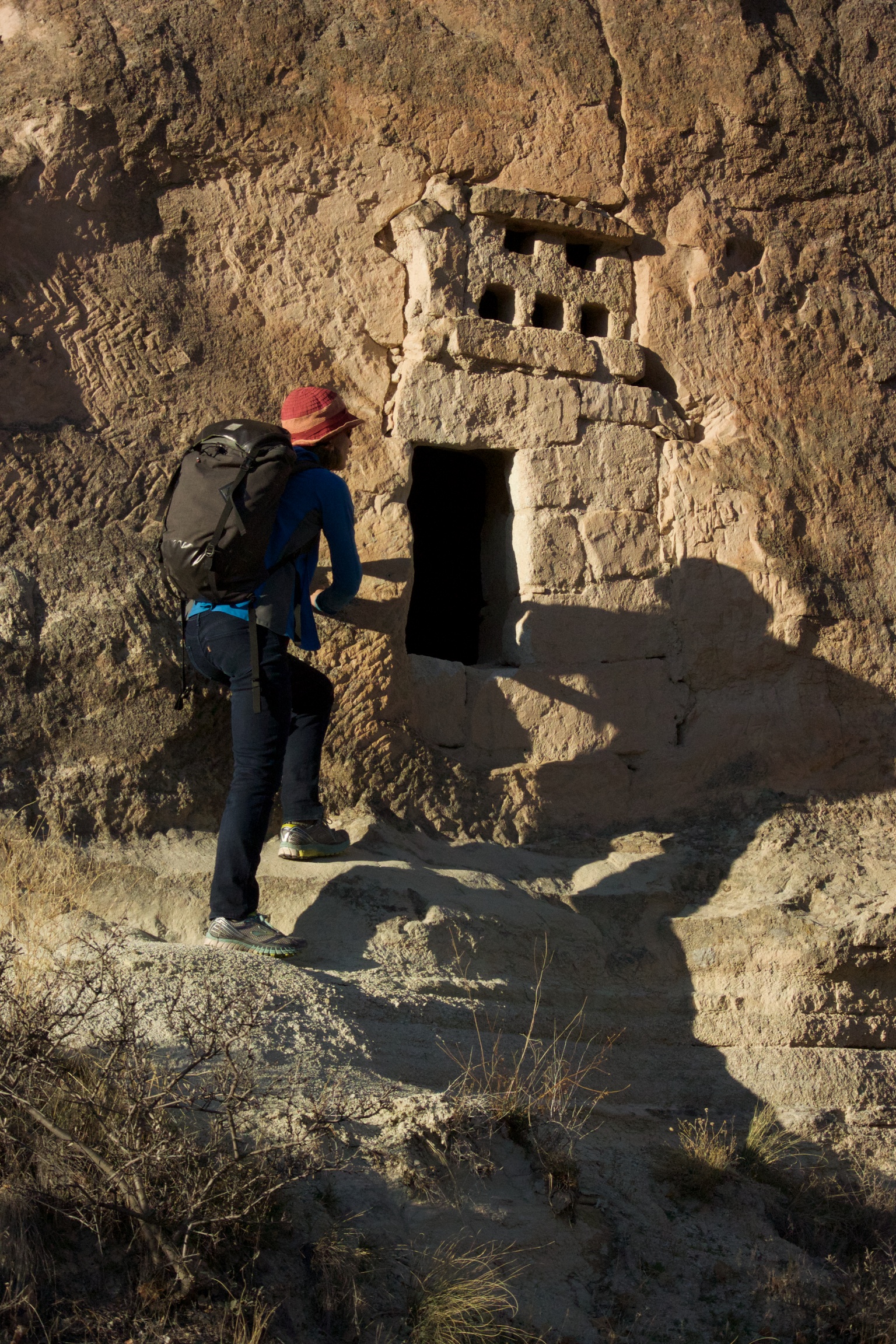
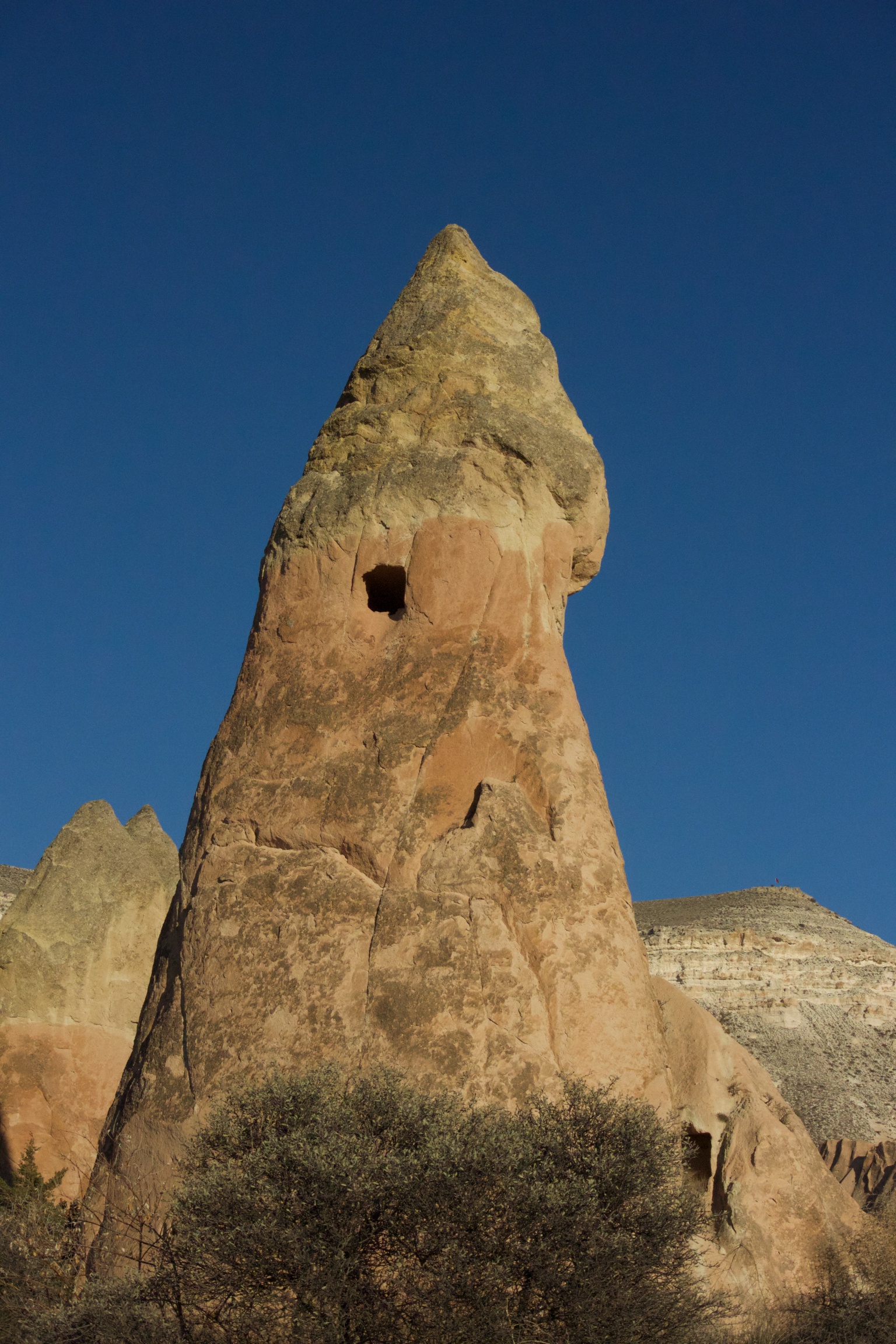
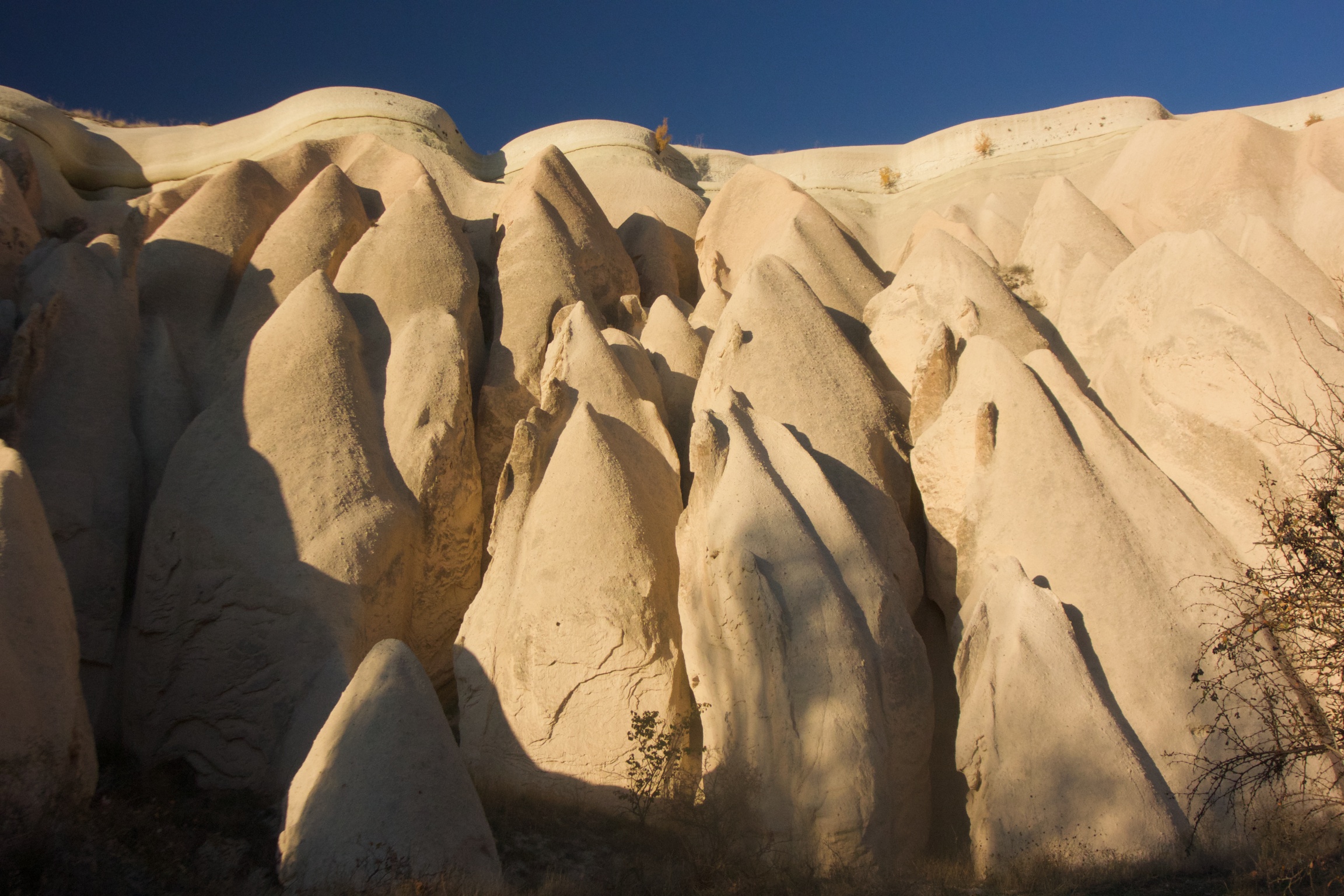
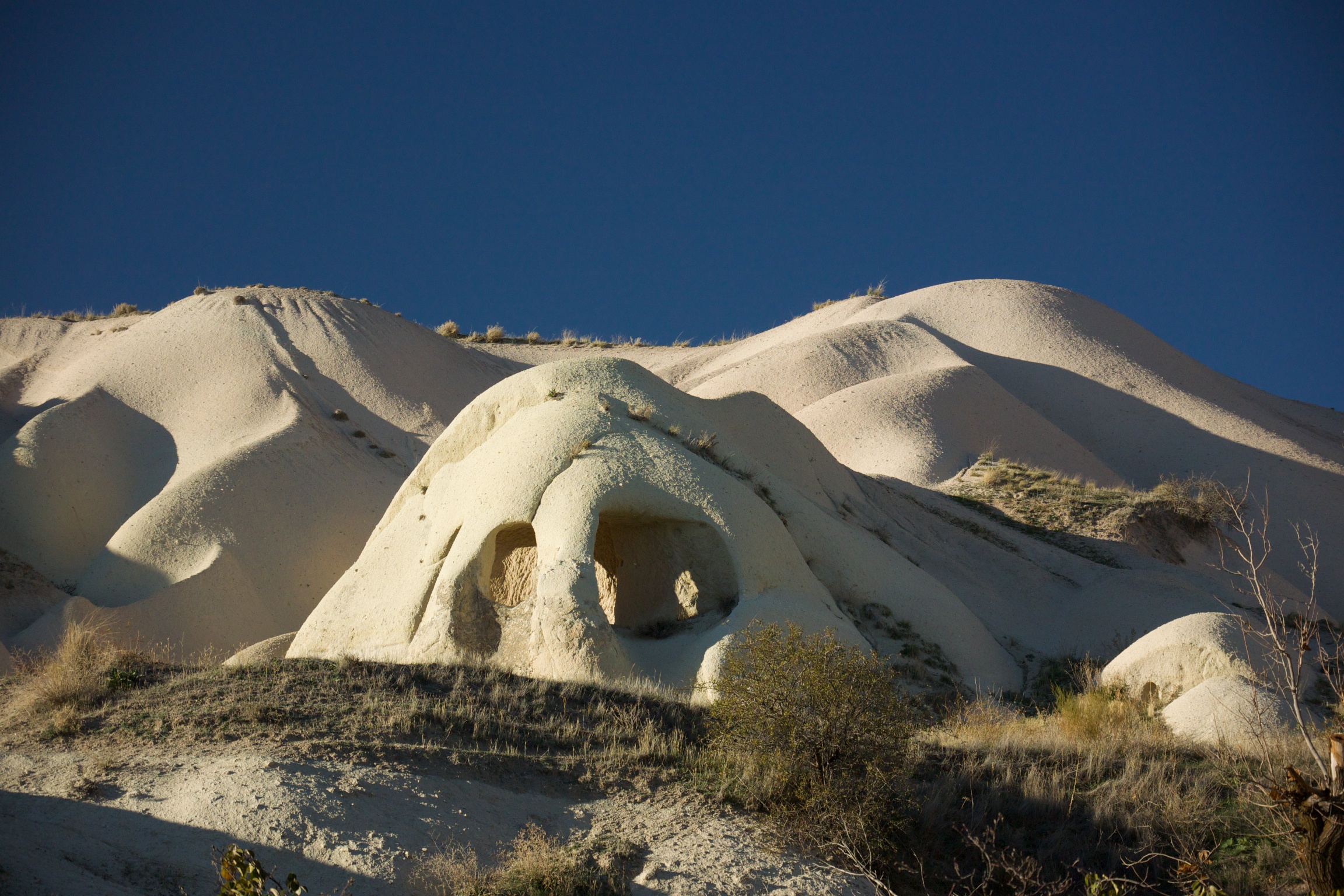
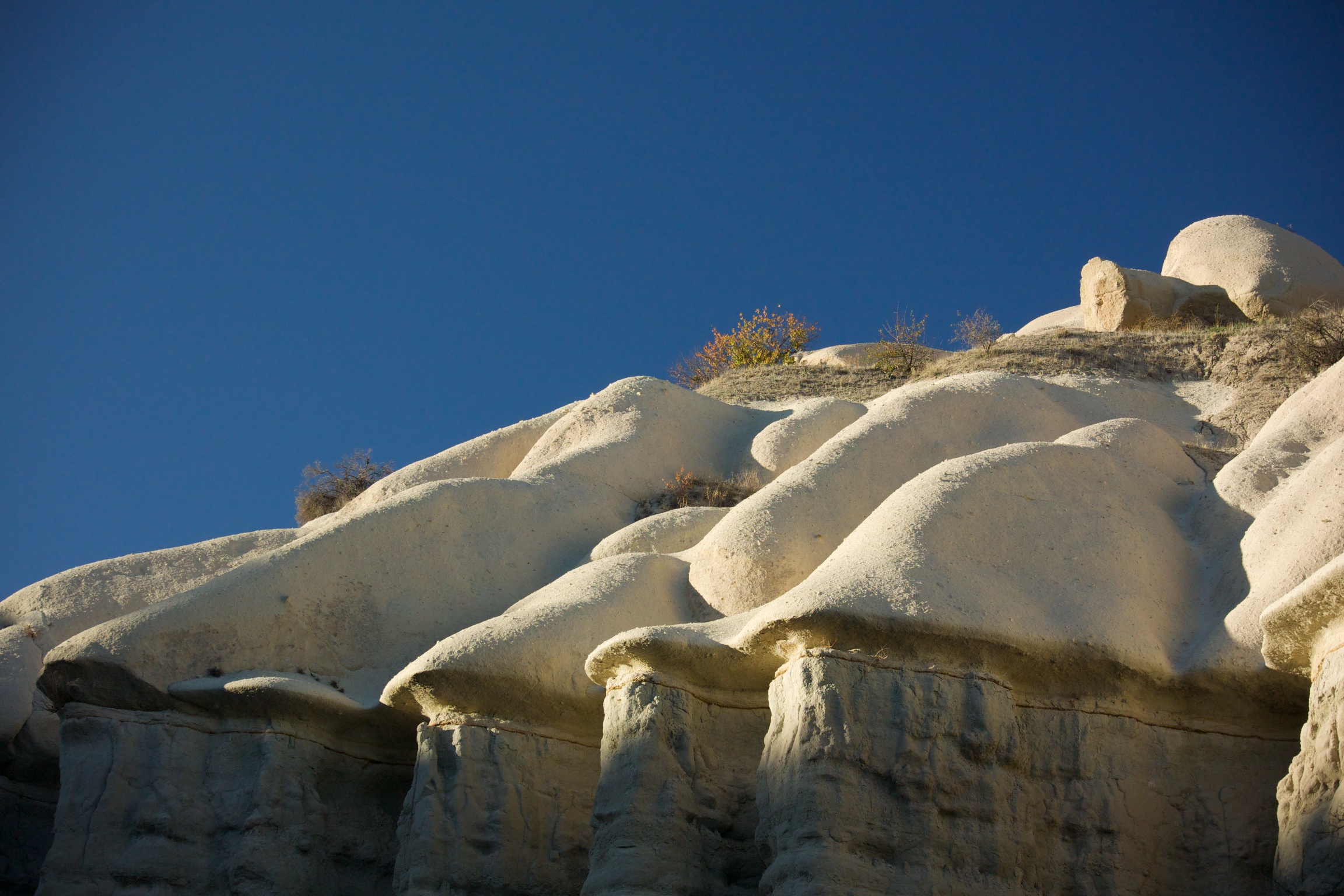
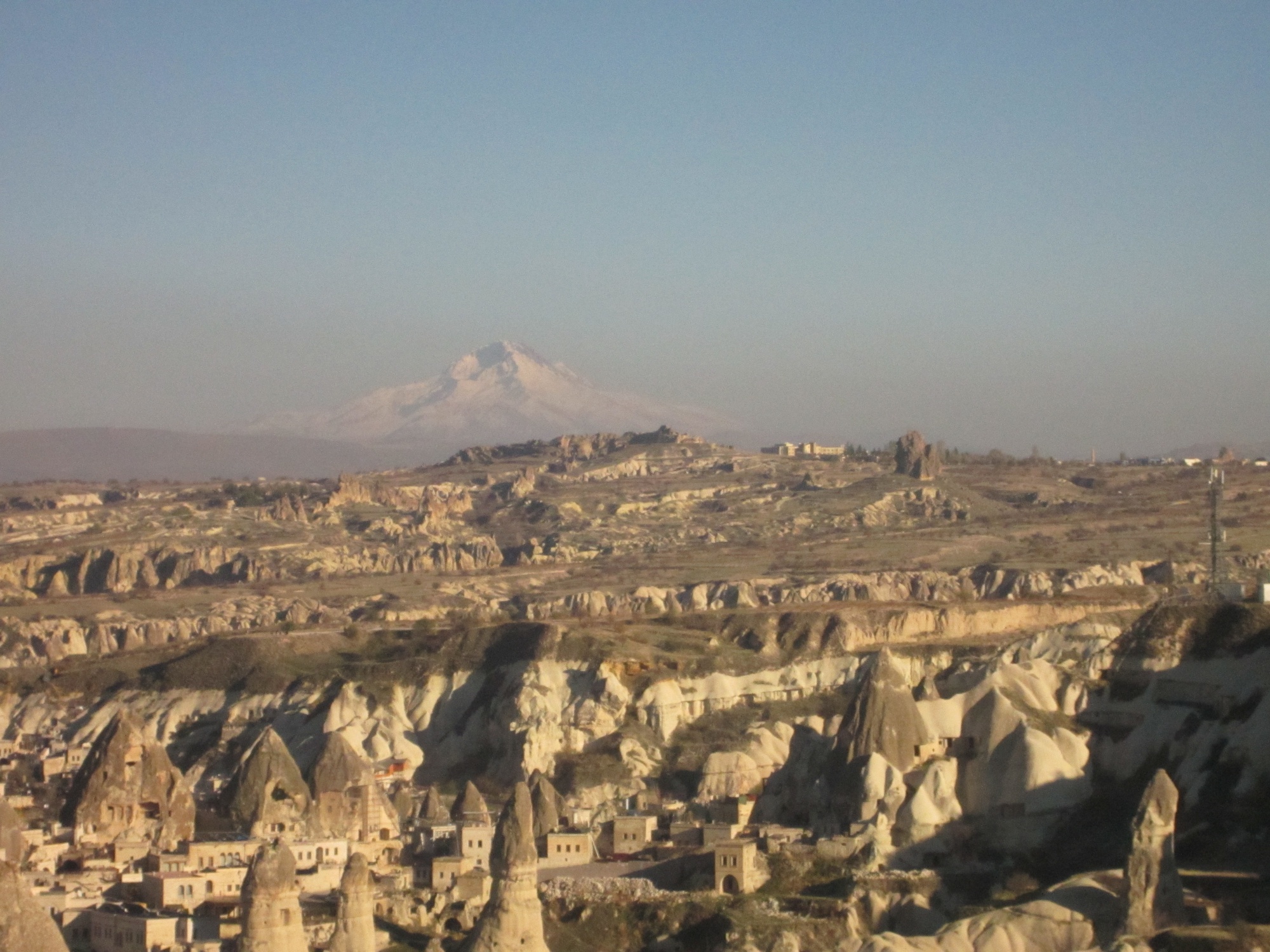
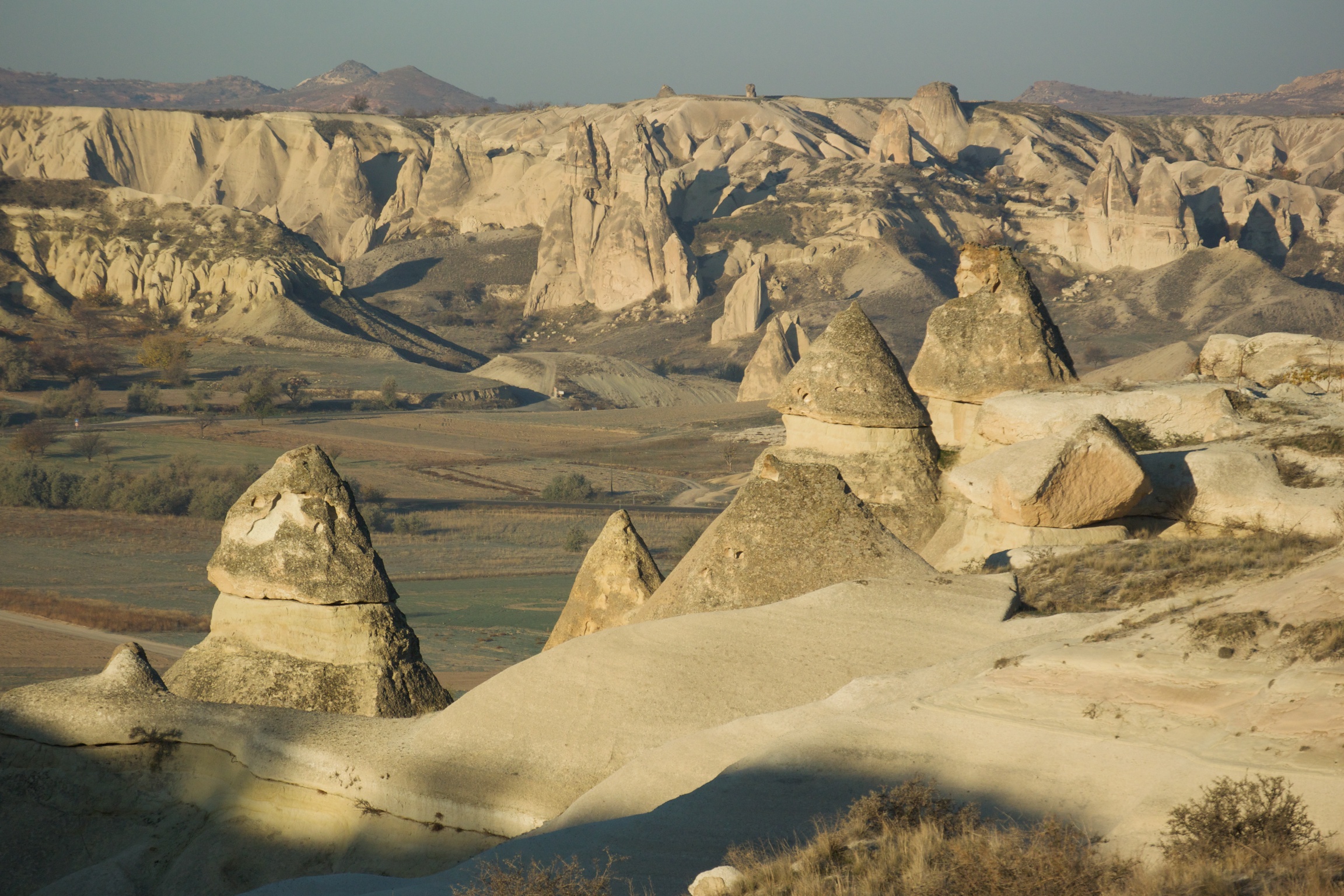
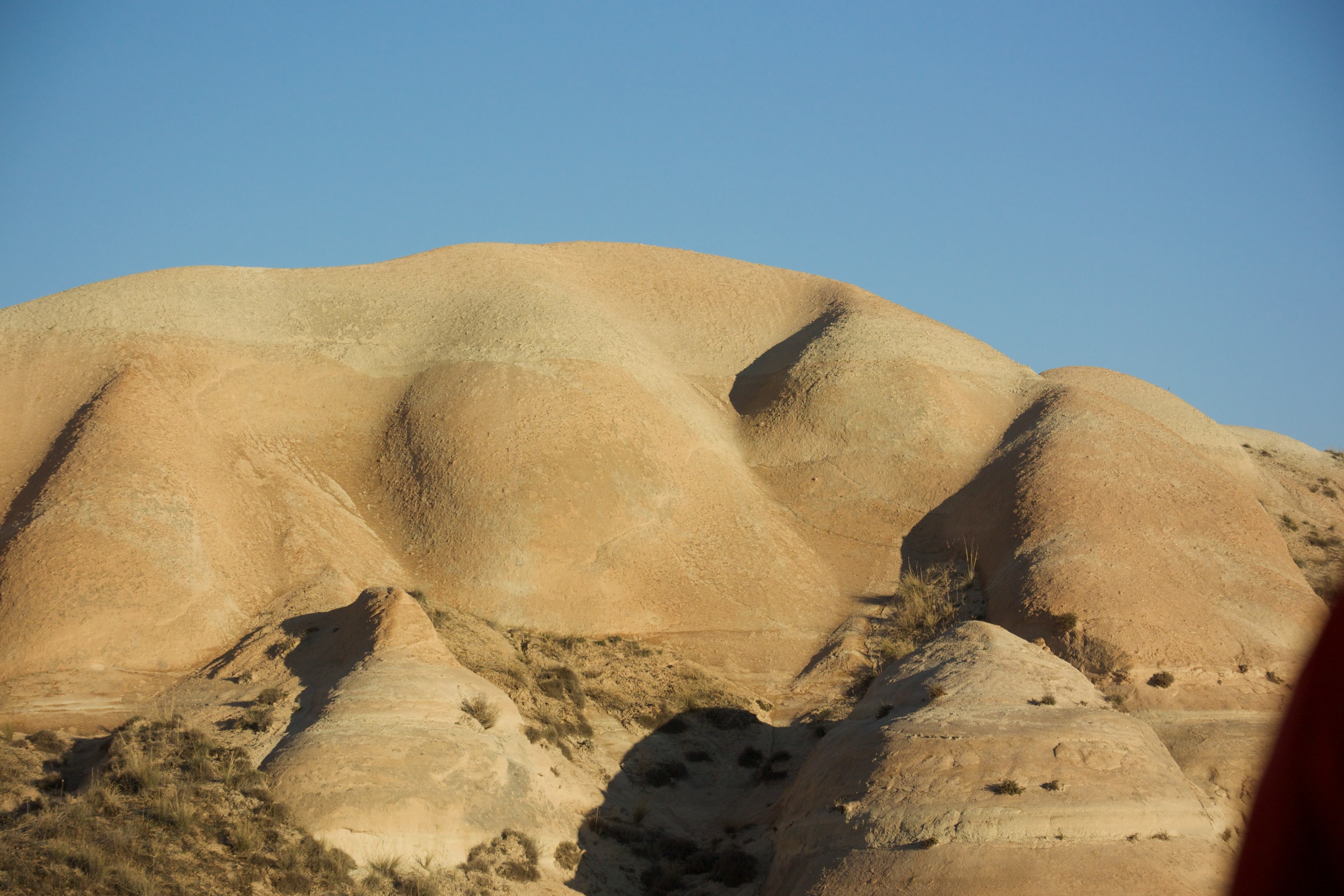
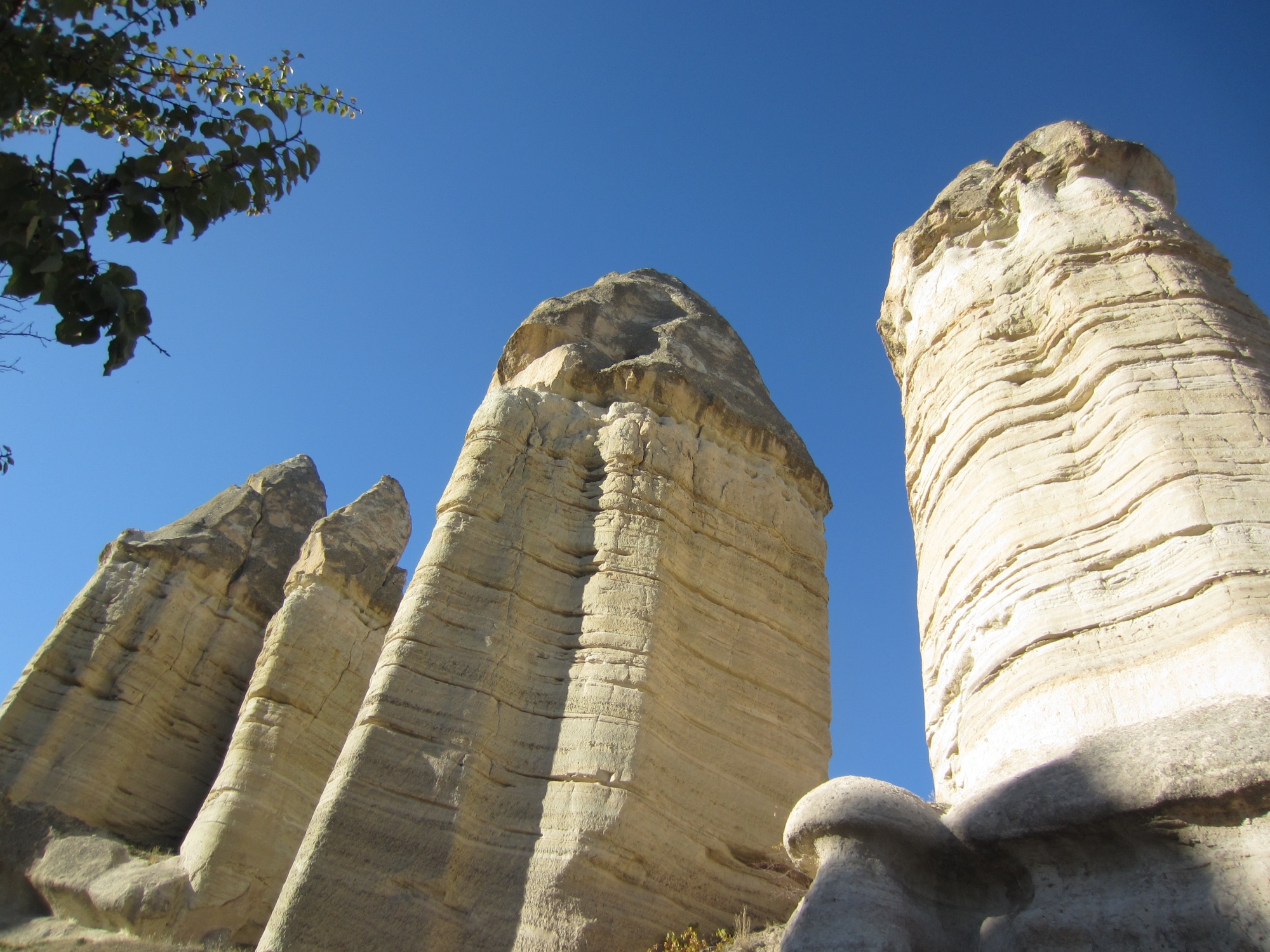
We also took some hikes (and got a bit turned around) among the fairy chimneys and crazy rocks of the Red, Rose and Pigeon valleys. As mon beau pere explained, the basalt tops protected the softer, volcanic "tuff" rock below from eroding. The rain has also cut some really sharp valleys into the rocks, and as we found out, it was really easy to lose the main path.
(Click here for the standalone gallery, Cappadocia On the Ground)
The View From Up Here

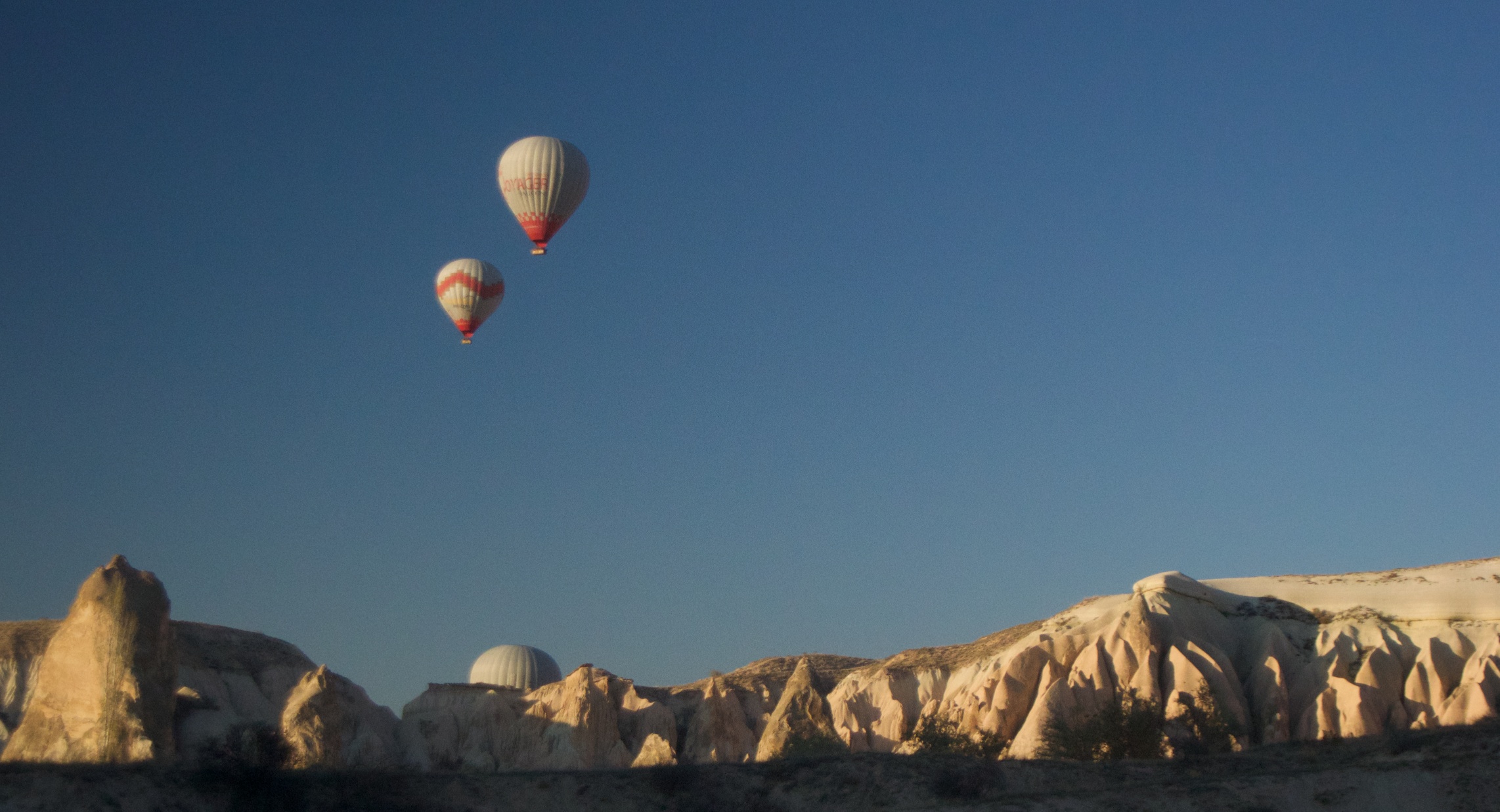
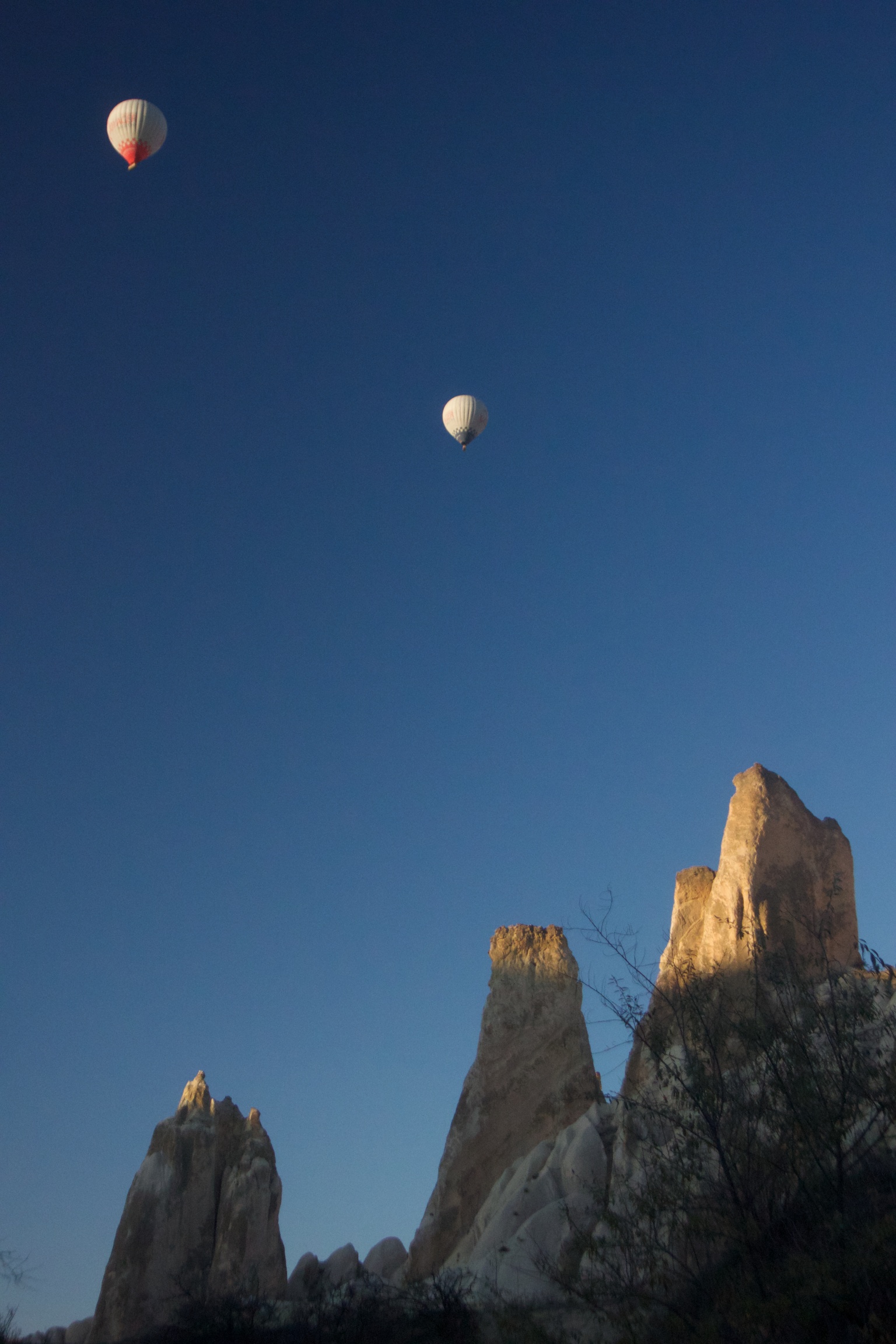
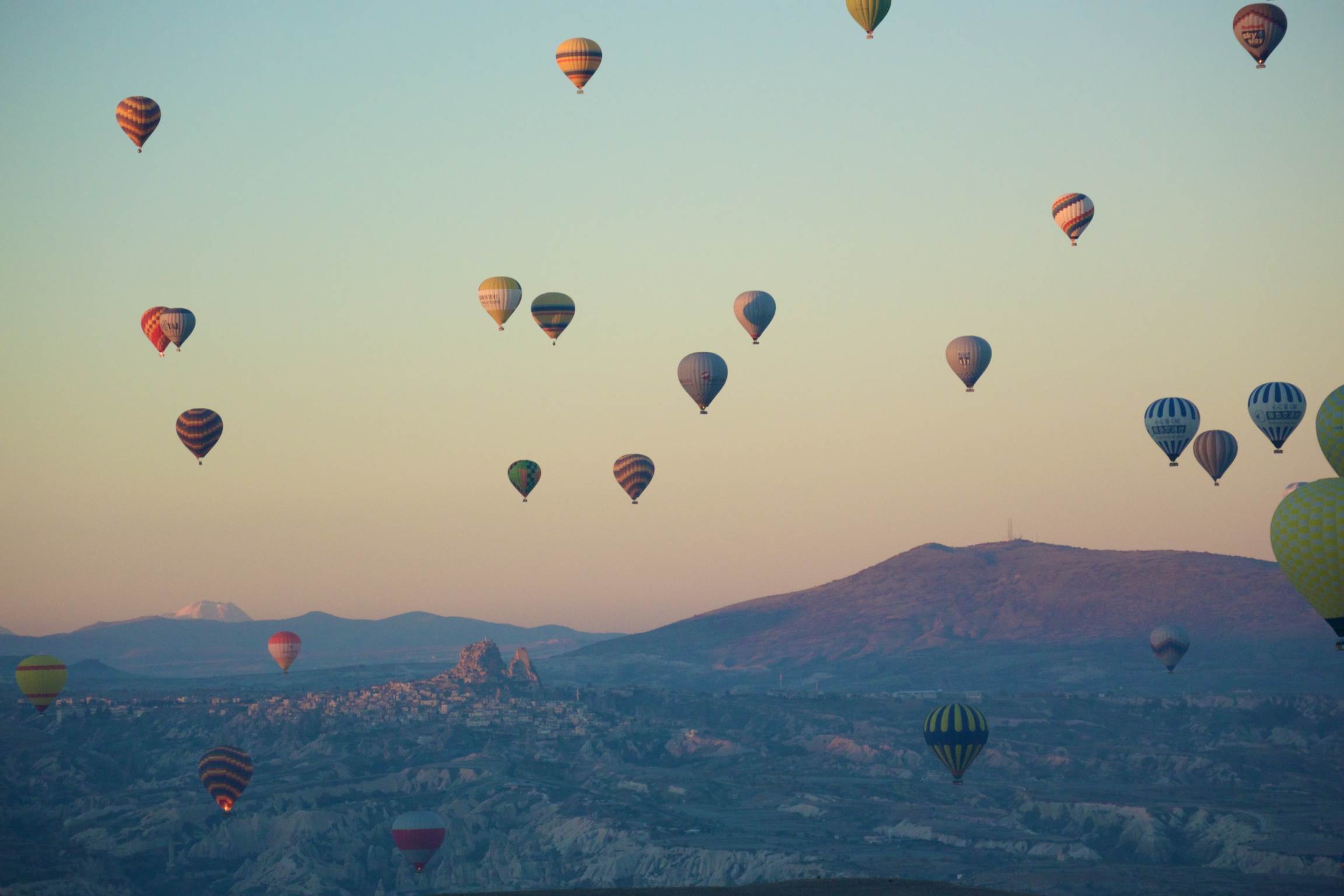
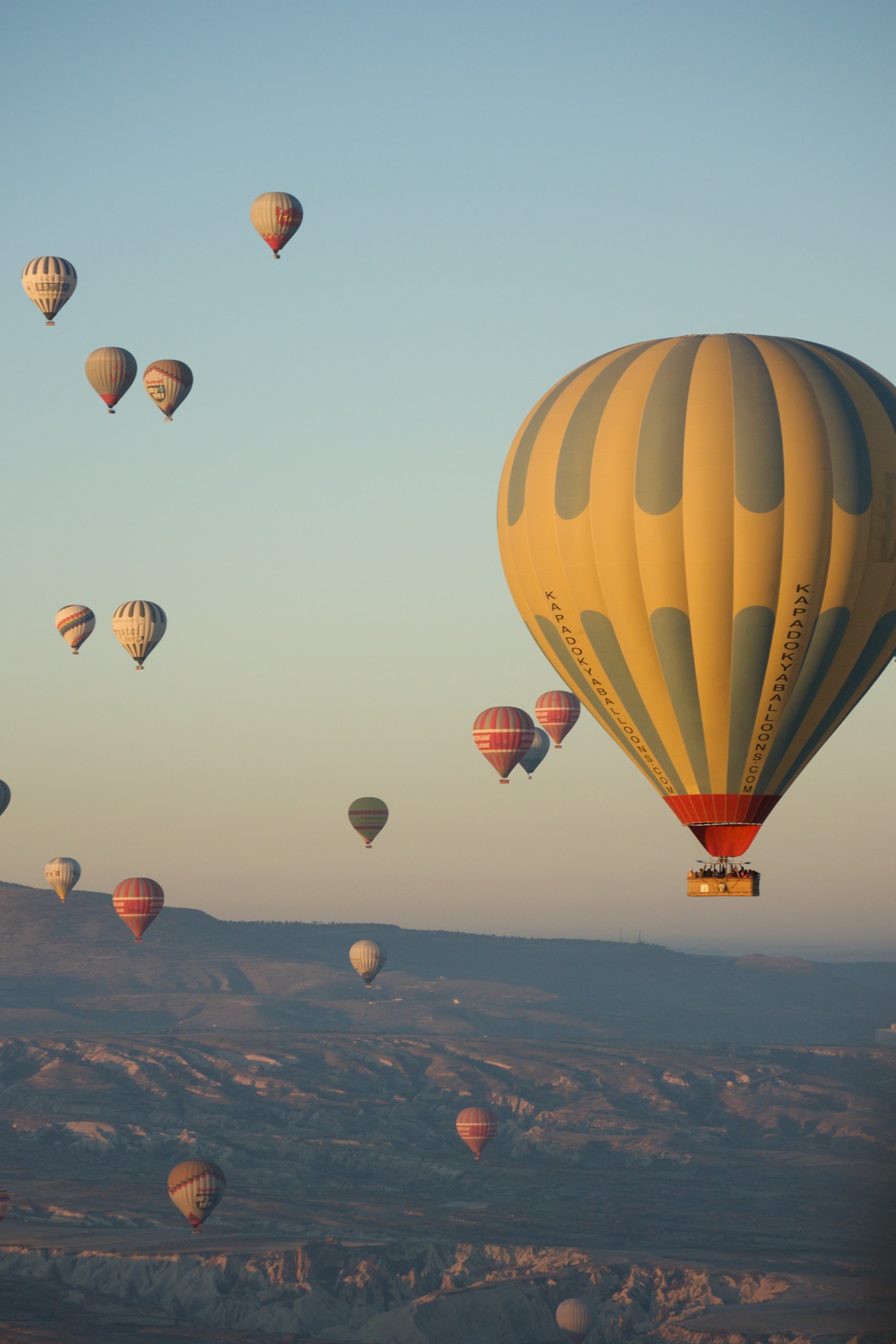
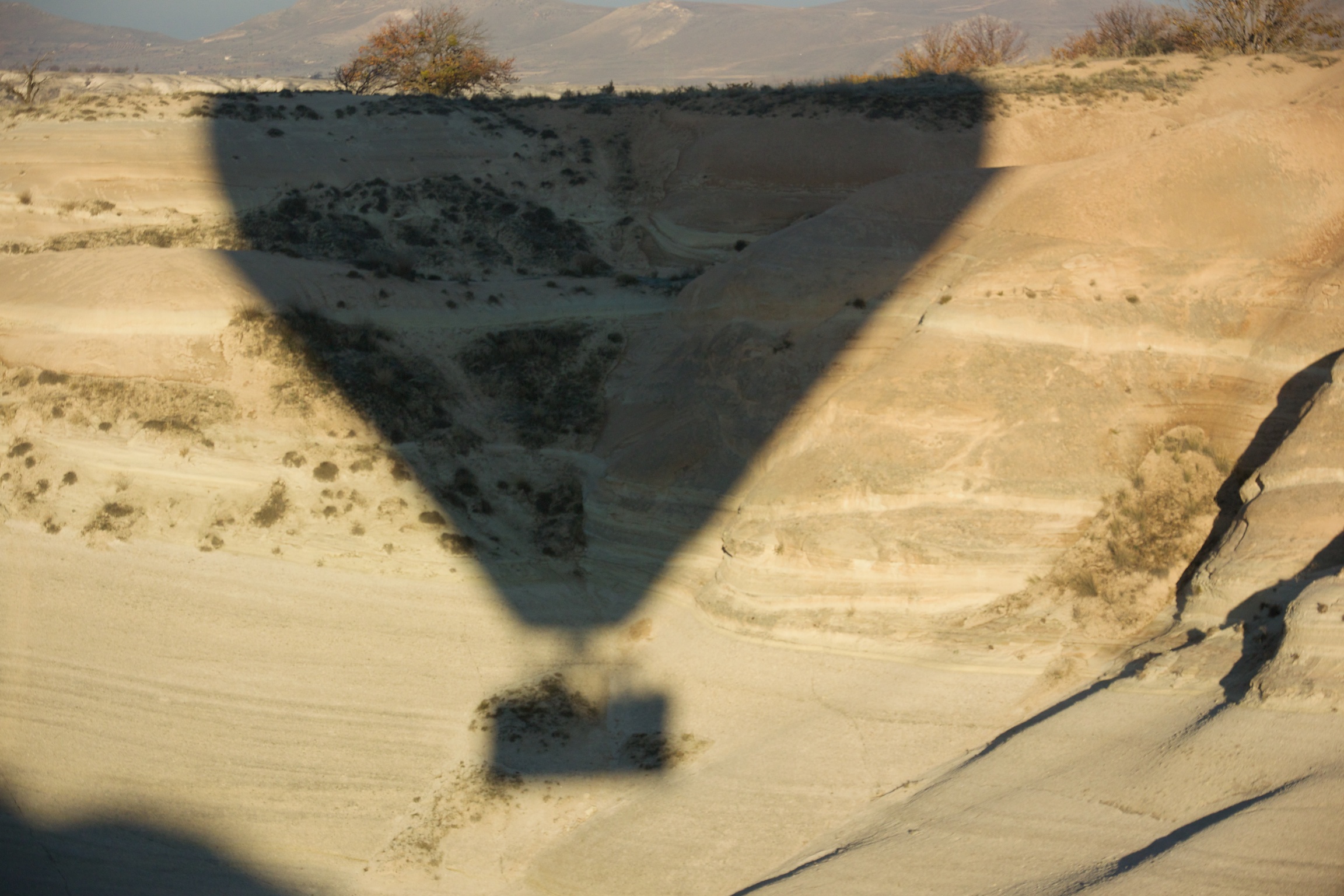
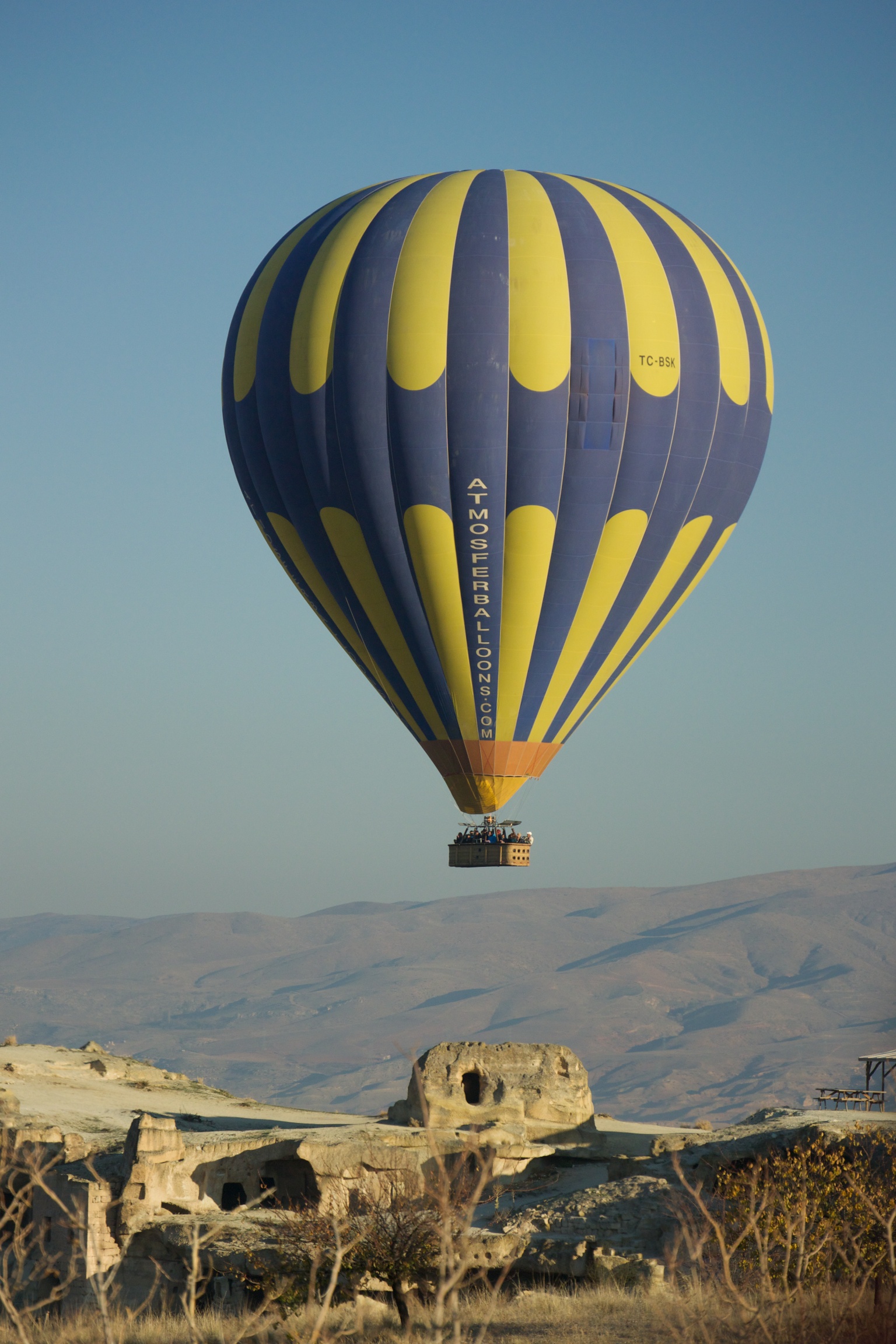
The, uh, high point of our visit to Cappadocia, however, was taking a hot air balloon ride at dawn. Seeing the rock formations from 6,000 feet (about 2000 m) was awesome, but it was also really neat to see close to 50 balloons all around us.
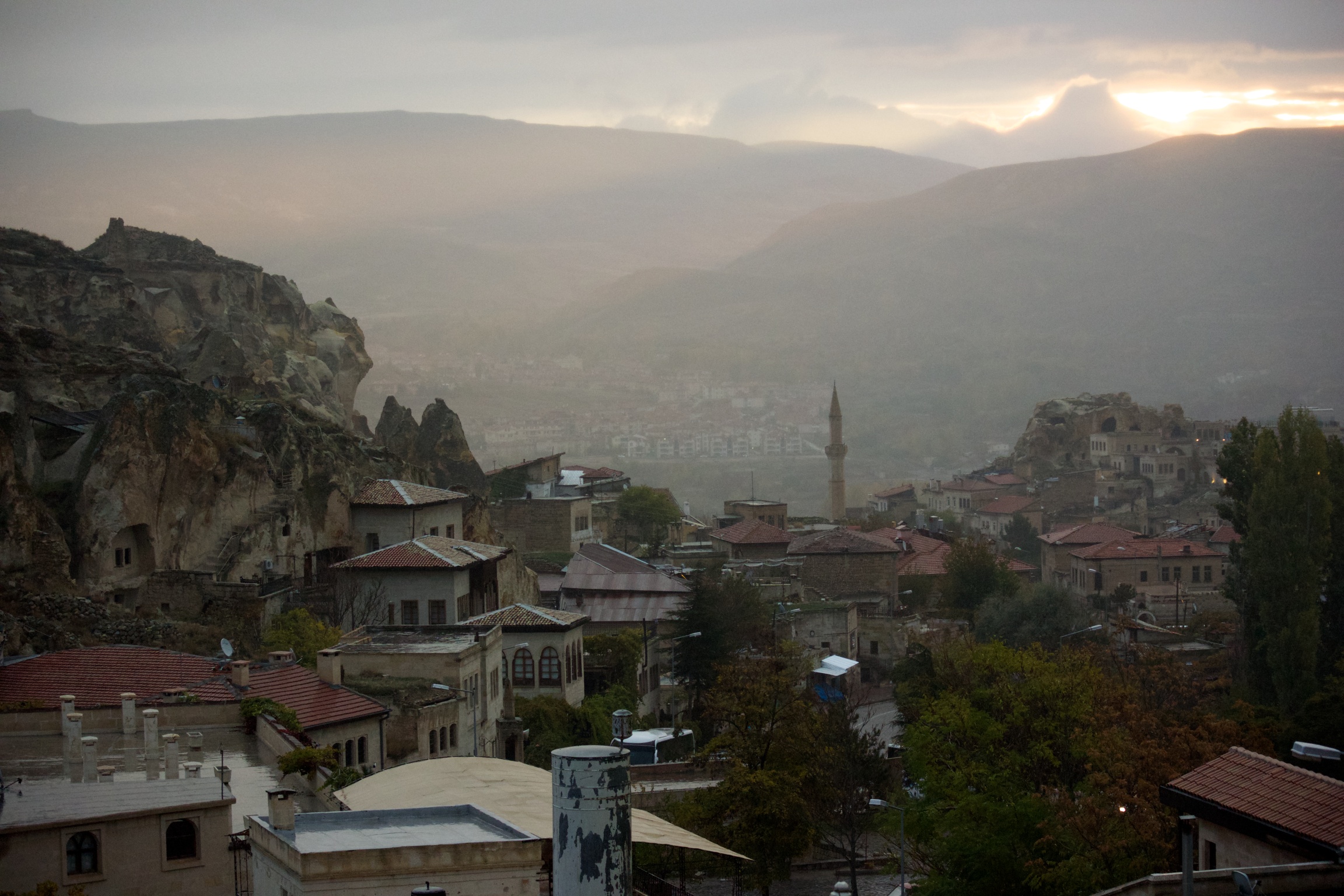
(Click on the pics to see them up close or on Cappadocia Aloft). 

Travelling Slower-ly in Fethiye


October 15-30 / Fethiye, Turkey

Because we are travelling for the better part of a year, we're trying the "slow travel" approach. That is, staying for longer in a few locations vs. rushing off to different destinations each night.  That would just be two hard on the kids, and frankly, not a pace that we can keep up anymore.

Our longest stint so far has been two recent weeks in the seaside town of Fethiye, Turkey. We found a nice flat via Air BnB  just north of town, this time with actual water in the pool, and only half a kilometre from the sea. The apartment had a kitchen so we could self-cater, and a full selection of Russian, Somaliland and Uzbeki TV channels, but no WIFI :-(

Fethiye is an odd place in that it draws a lot of tourists from the UK who come on packaged holidays or who own vacation flats (apartments) in the area. The annual British invasion has given rise to a plethora of Anglophile shops and restaurants:  I have never seen the words "British" and "cuisine" together before, never mind sidewalk boards advertising Premier League football matches, Proper English Breakfasts, and "mushy peas".
But as the end of October marks the end of the tourist shoulder season, the shops and pubs were emptying out and our neighbourhood was starting to look decidedly lonely.  On the plus side, we never needed a reservation for anything, and there was never a shortage of mushy peas. 

We also enjoyed a visit from Trish's Dad, Frederick Wind, who flew down from Istanbul to visit us in Fethiye for a few days, before we drove up to Cappadocia together. (BTW: It has been great to have someone from home join us. Hint! Open invitation!). 

But although we slowed down a bit by sleeping in the same place, we kept busy seeing the sites around Fethiye. This included:

  • swimming swam several times in the Aegean / Mediterranean Sea -- we're were never quite sure which it was, but it was often very, very blue);

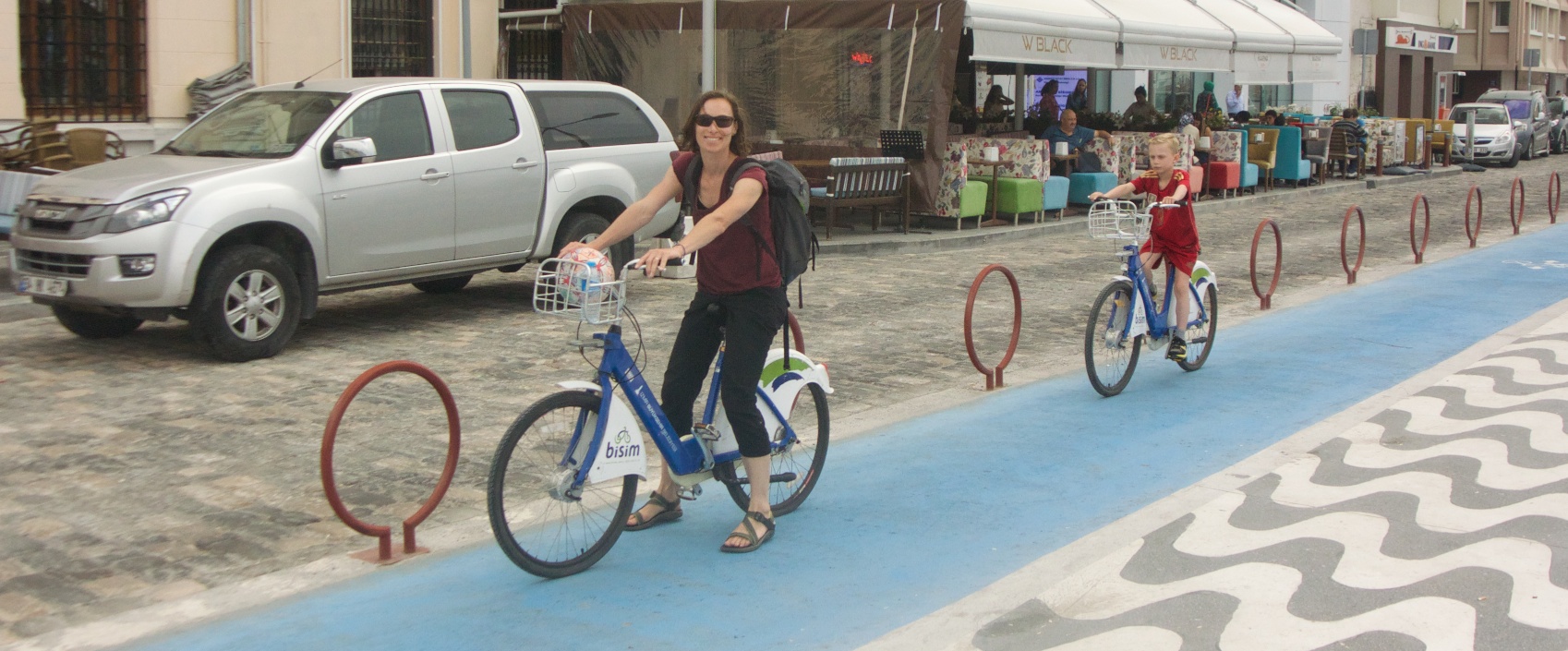
  • renting bikes to tour around this odd little British colony of Çalis Beach;

  • visiting the Lycian tombs up the hill behind Fethiye and the Lycian ruins at Xanthos, Letton and Patara -- the Lycians were forerunners of the Greeks who had a nasty habit of committing mass suicide when cornered by invading armies, but they also organized what is recognized as the first democratic government;

  • sea kayaking from Olüdeniz Bay to Butterfly Valley with Dean, our guide Seven Capes, who heroically retrieved our #thataway flag; 

  • visiting the former Greek / Christian community of Kayakôy, the town that was abandoned during the euphemistically named "population exchange" between Turkey and Greece. Kayaköy also provided the setting for Louis des Bernières' novel, Birds Without Wings, a novel that has helped me make sense of a few things we've seen here;

  • hiking 6 km along an old, old trail from Kayakôy over the  headland to Olüdeniz;

  • visiting a sea turtle rescue sanctuary;

  • meeting with the cousin-of-the-father-of-the-minister-of-Zoe's-godfather who runs a yacht leasing company in Goçek;

  • listening to some live, traditional music at a nearby restaurant in a large open air tent;

  • para-gliding (me) from the Babadug mountain, some 1960 metres down to the sea at Olüdeniz Beach-- very cool! 

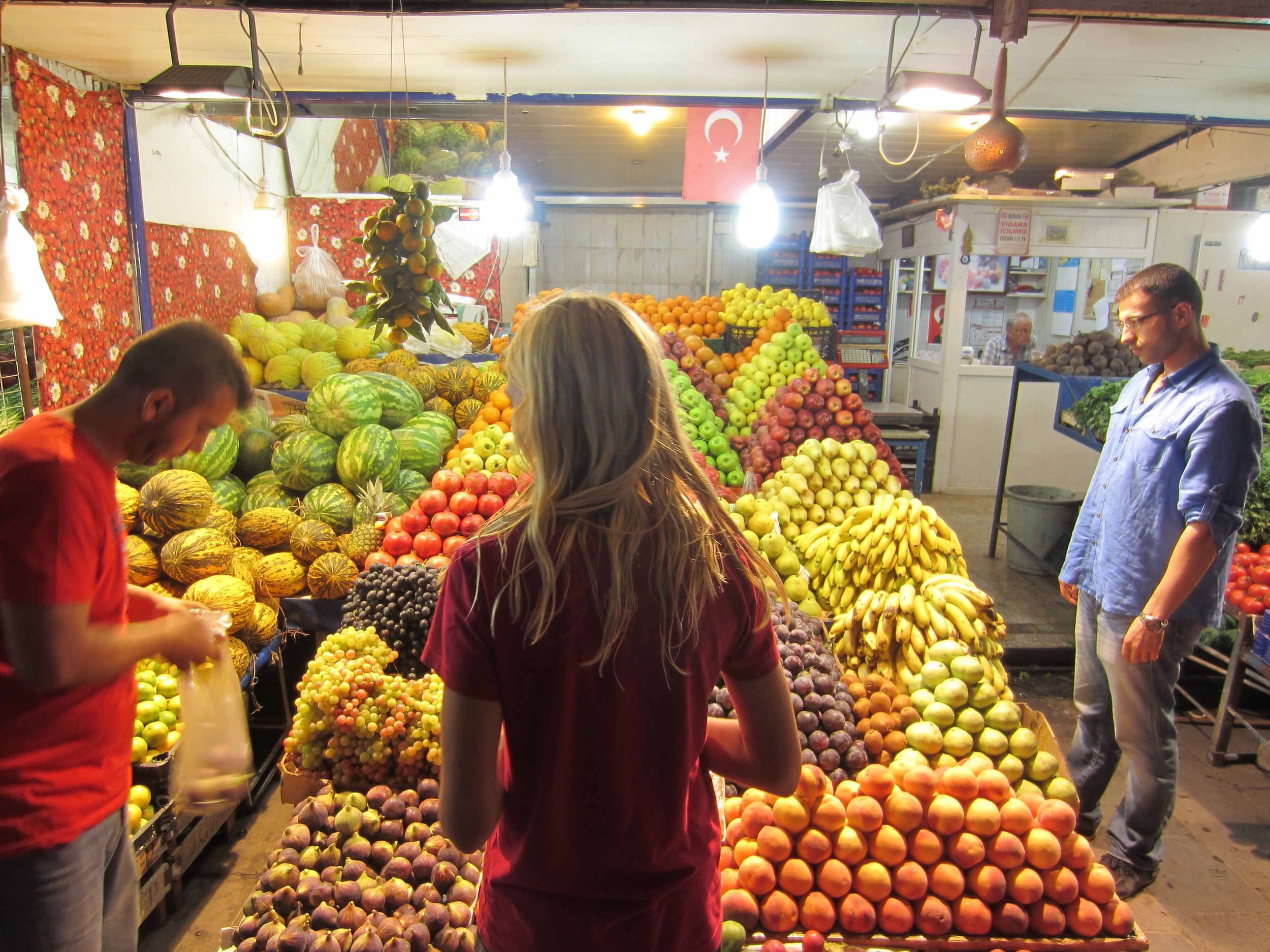
  • visiting the Sunday farmers market in Çalis;

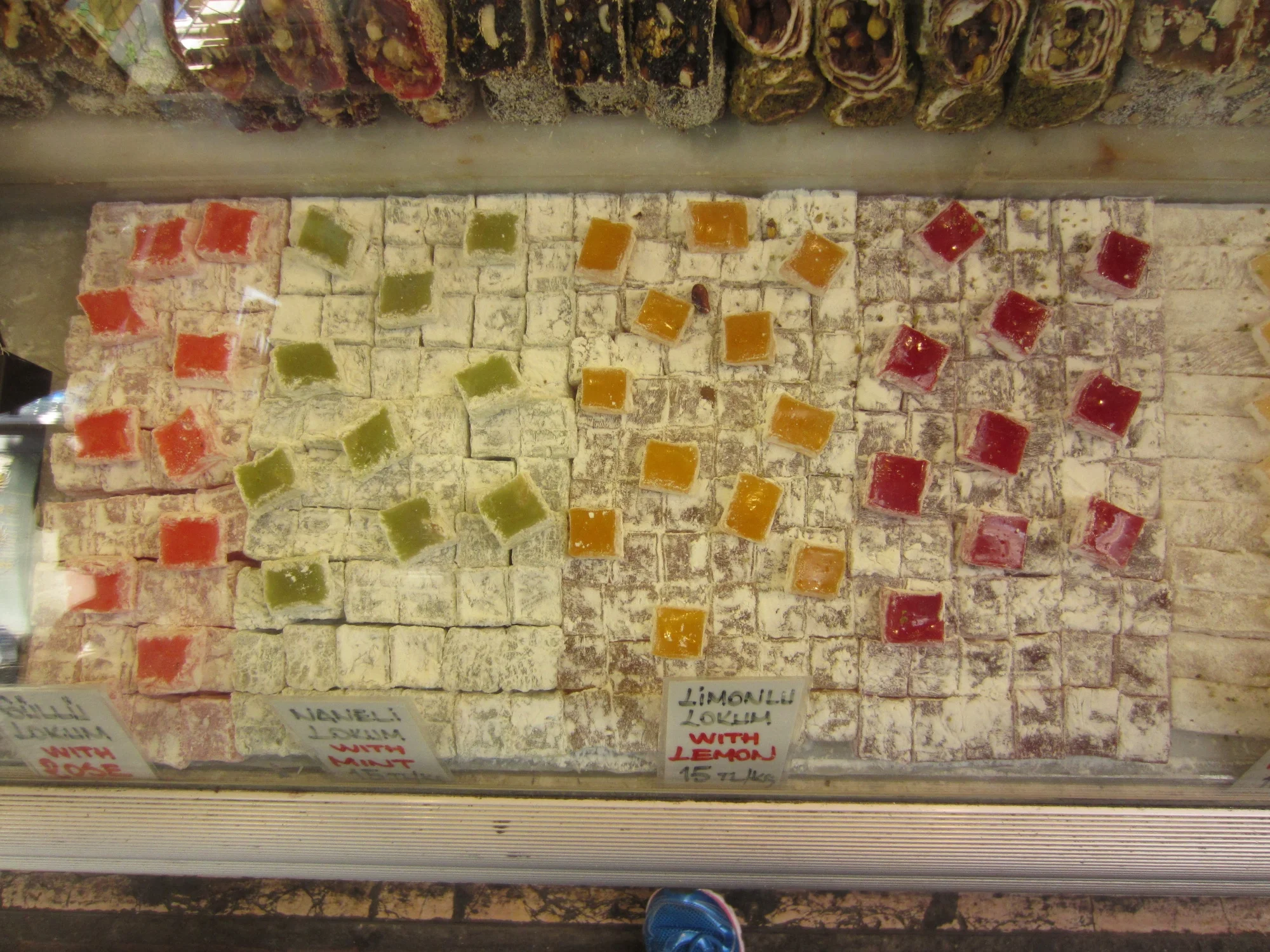
  • checking out a Turkish delight factory outlet store;

  • tromping through two canyons / gorges a few clicks from here; 

  • watching a few Premier League football games at the local British pubs. 

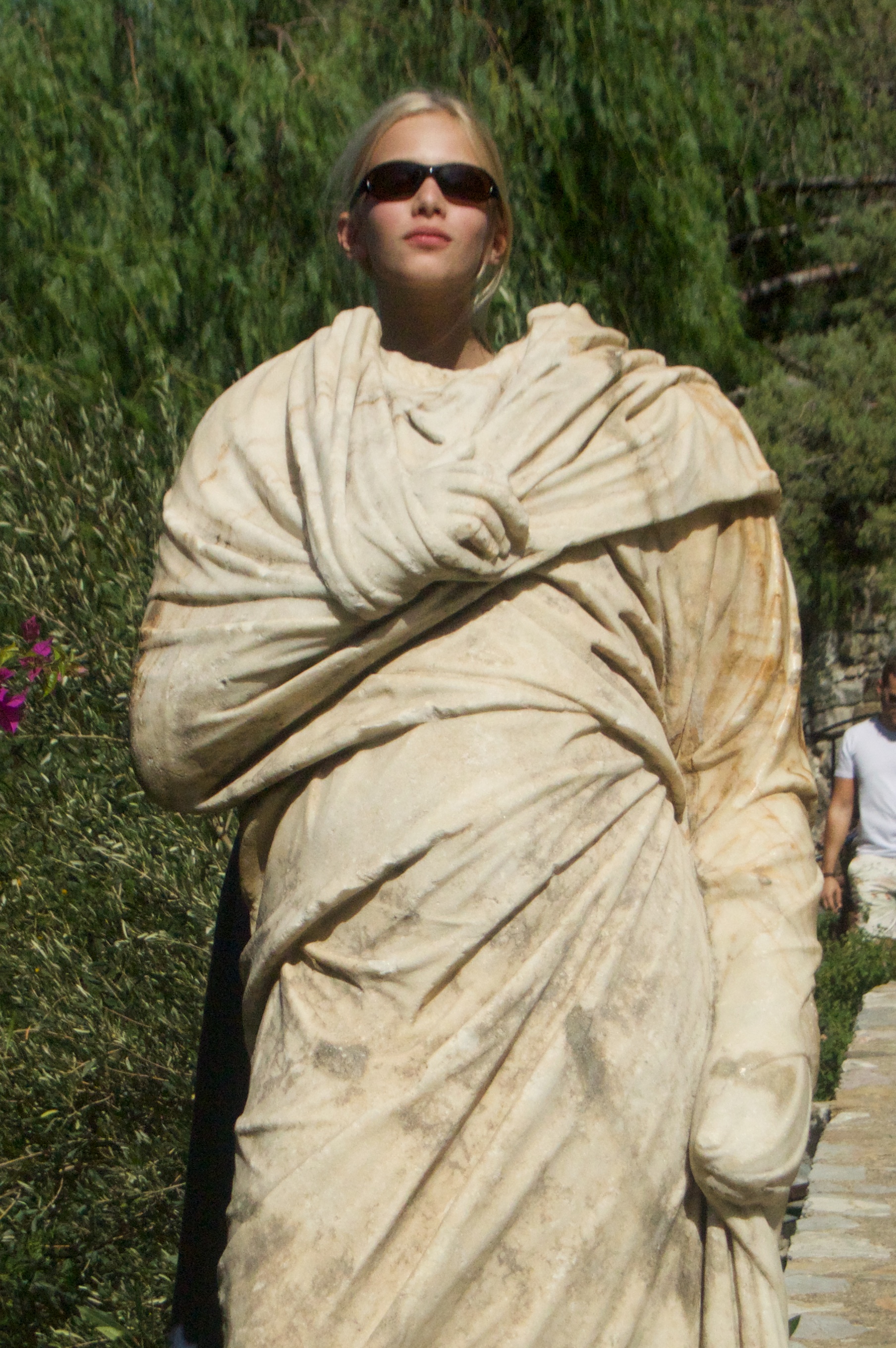
We also celebrated Hallow'een a bit early since we were going to be on road on the 31st. As far as we coudl tell, Hallow'een is not celebrated in Turkey, but we carved up two pumpkins that we bought at the local market and the kids, Trish and Fred all dressed up as Greek heroes and gods/goddesses, complete with togas and olive-leaf laurels. The kids then dutifully trick or treated to our door -- we are only one of two apartments with occupants still here b -- and she gave them chips, a chocolate bar and some tahini (sesame) halva. Not a really big haul of candy by Canadian standards, but the kids were really good sports about it. 

Of course, two weeks in one place also produced a lot of photos. But instead of deluging you on this page, you can click on the icons below to view each gallery:

Fethiye

Fethiye

Kayaköy to Olüdeniz

Kayaköy to Olüdeniz

Lycian Ruins @ Xanthos, Letoon & Patara

Lycian Ruins @ Xanthos, Letoon & Patara


Accidental Tourists

October 14-16, 2014 / Marmaris, Turkey

When we last left our intrepid travellers, they were escaping the tourist trap that is Bodrum for Marmaris...

It took us a few seconds to realize that the loud grinding sound was the rear axle of the bus scraping along the pavement. By that time, the bus driver had managed to pull over to the side of the highway as we watched one of the two rear wheels continue its journey towards Marmaris without us. 

We've taken lots of buses in our time in Tanzania, and we've had plenty of tires blowout, but that was the first time that I've ever been on a bus that has lost a wheel. 

Having safely pulled the bus over to the side of the road, the driver did what any self-respecting Turkish bus driver would do: he smoked a cigarette while talking on his cell phone. Within 20 minutes, we were crammed into the aisle of another company's mini-bus until the next town, and then ushered onto a third bus for the remainder of the trip. 

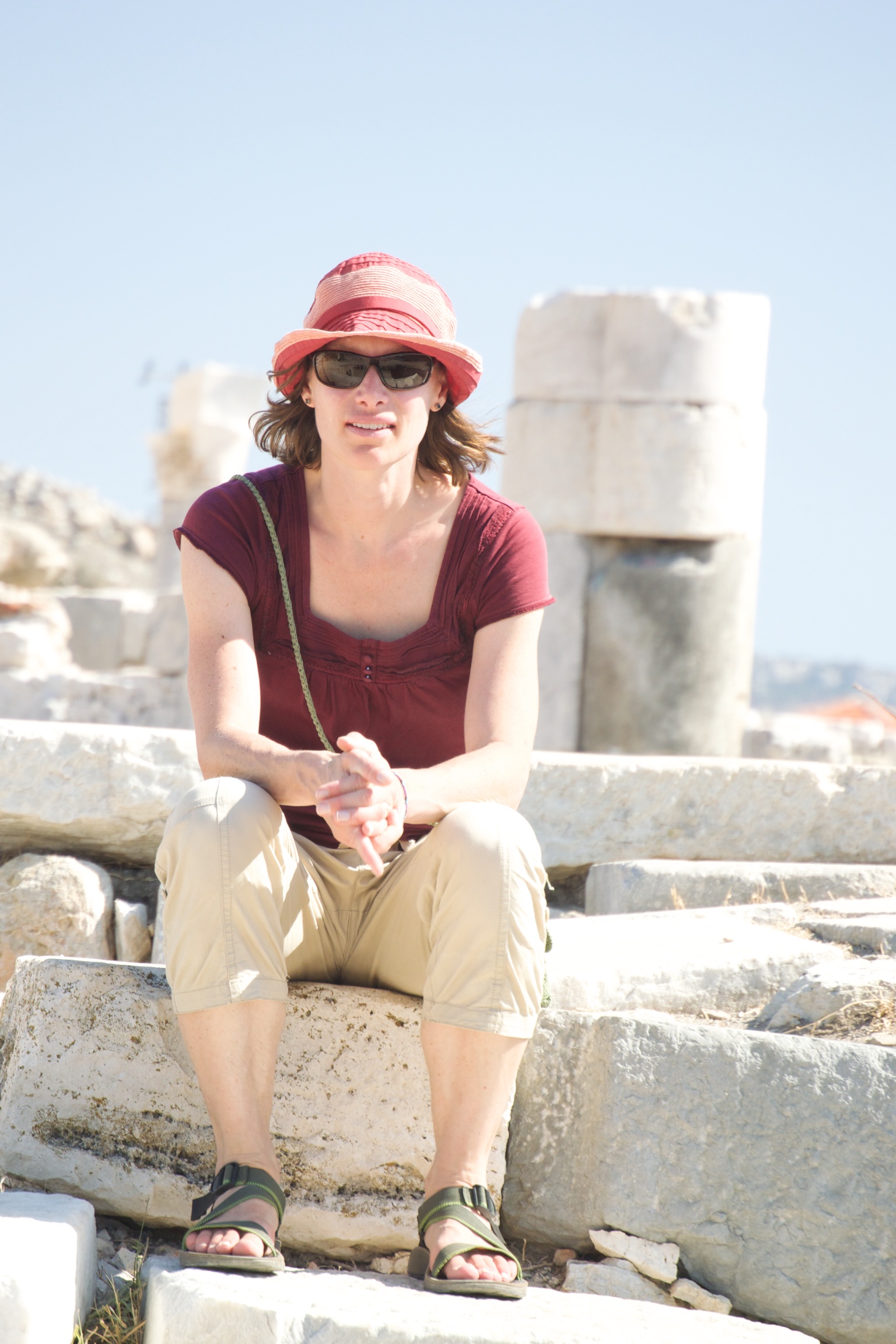
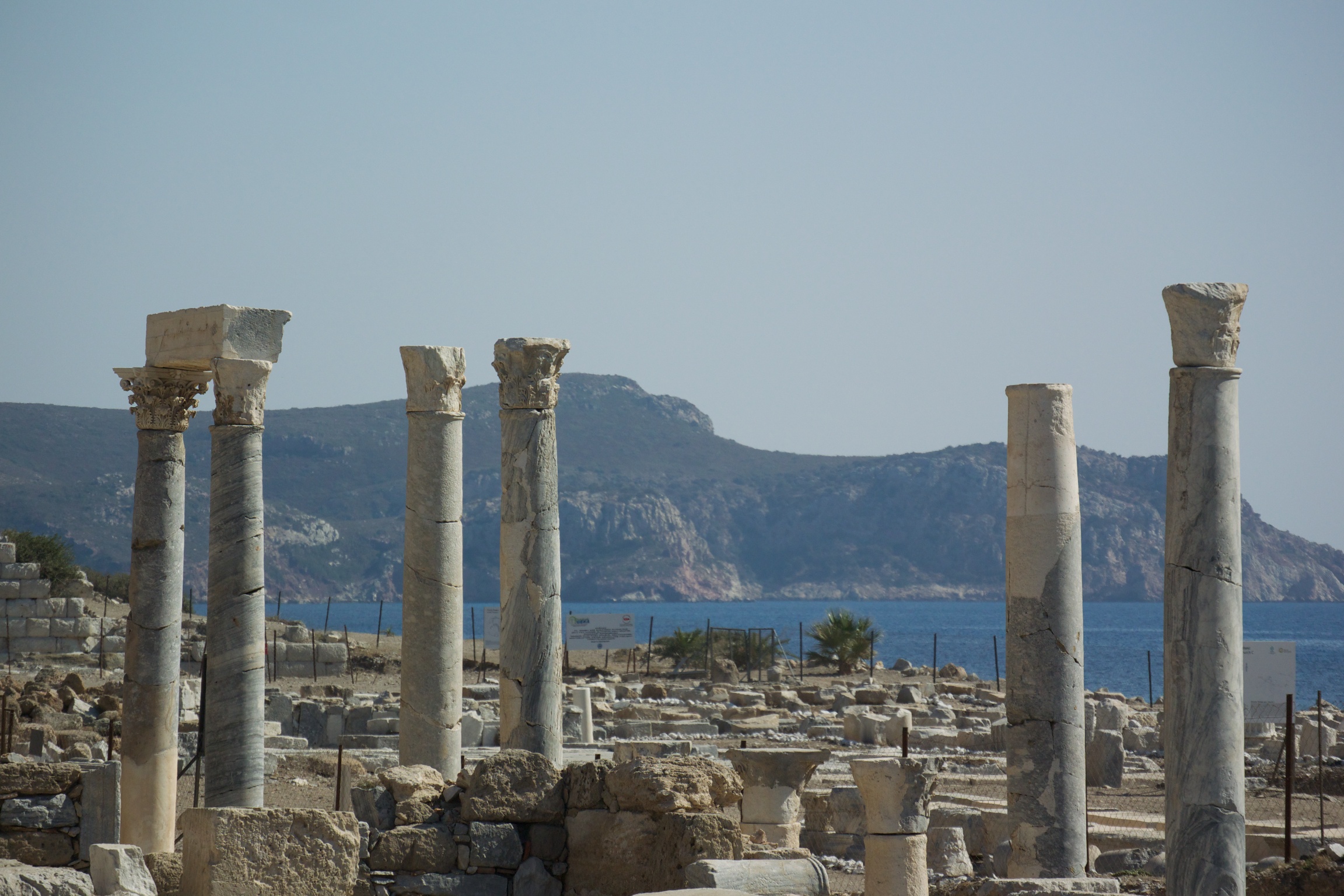
The kids seemed to take all of this drama quite well, but the delay meant that we missed our 1 pm car rental and had to settle for a short evening drive down the Datca Peninsula. The next day, however, we set out on a 2-hour rolller-coaster-road-ride down the peninsula to the ancient Greek city of Knidos,

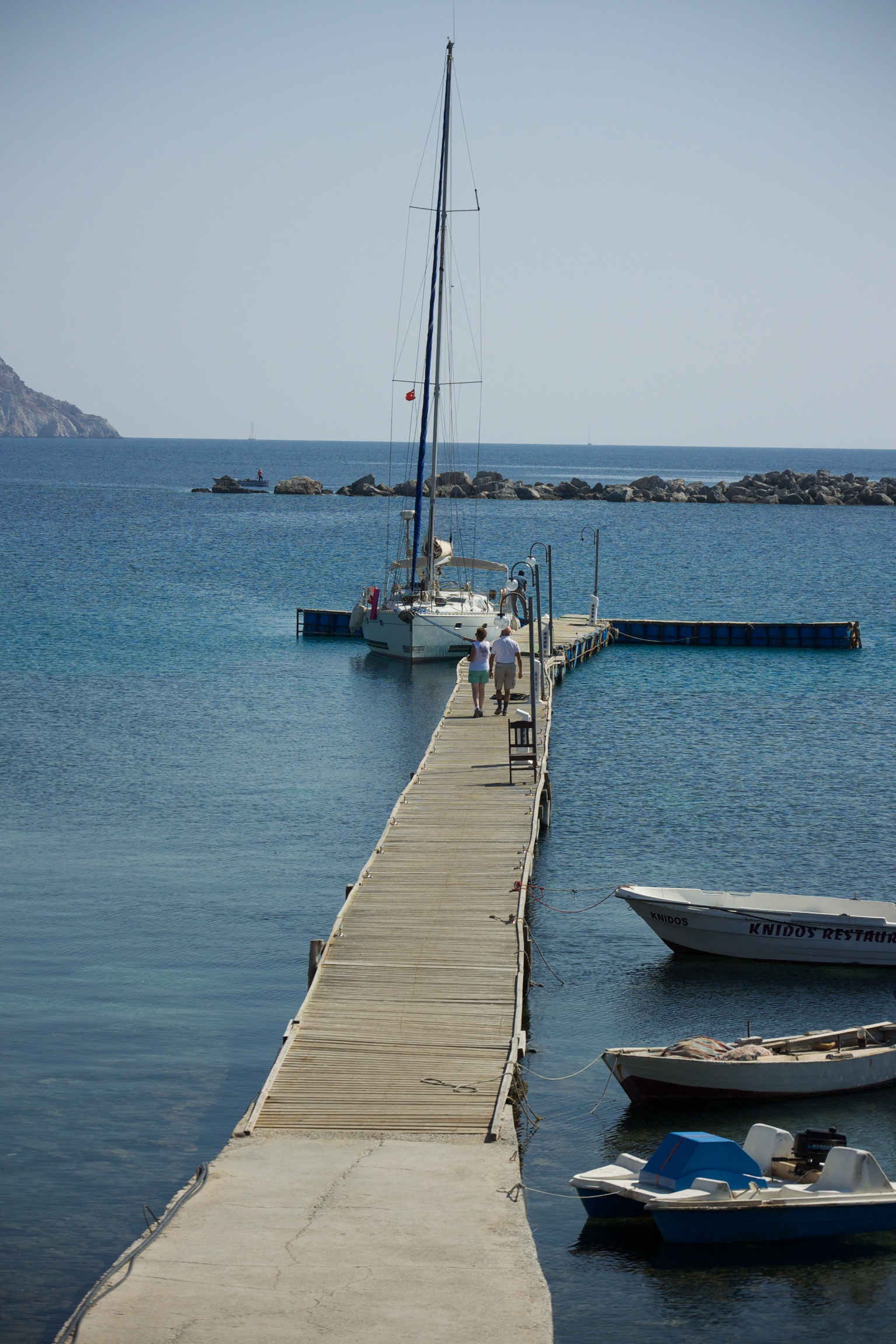
Of course, no visit to an ancient site in Turkey is complete with out a stop at the restaurant next door -- I have never seen so many restaurants anywhere before --  so we enjoyed some kebabs and mesa's (cold appetizers) for lunch. Then, we heard a familiar voice: Dave, the Aussie, walked up the steps! They had moored their rented catamaran at the harbour, and were coming in for a bite to eat. 

"Of all the cay joints in all the world, and you had to walk to mine," I said. 

Okay, I didn't actually say that, but I wish I had thought of that at the time. That, or "Dr. Stringer, I presume", but I should probably save that line for Africa, come to think of it. 

But back to the story.....

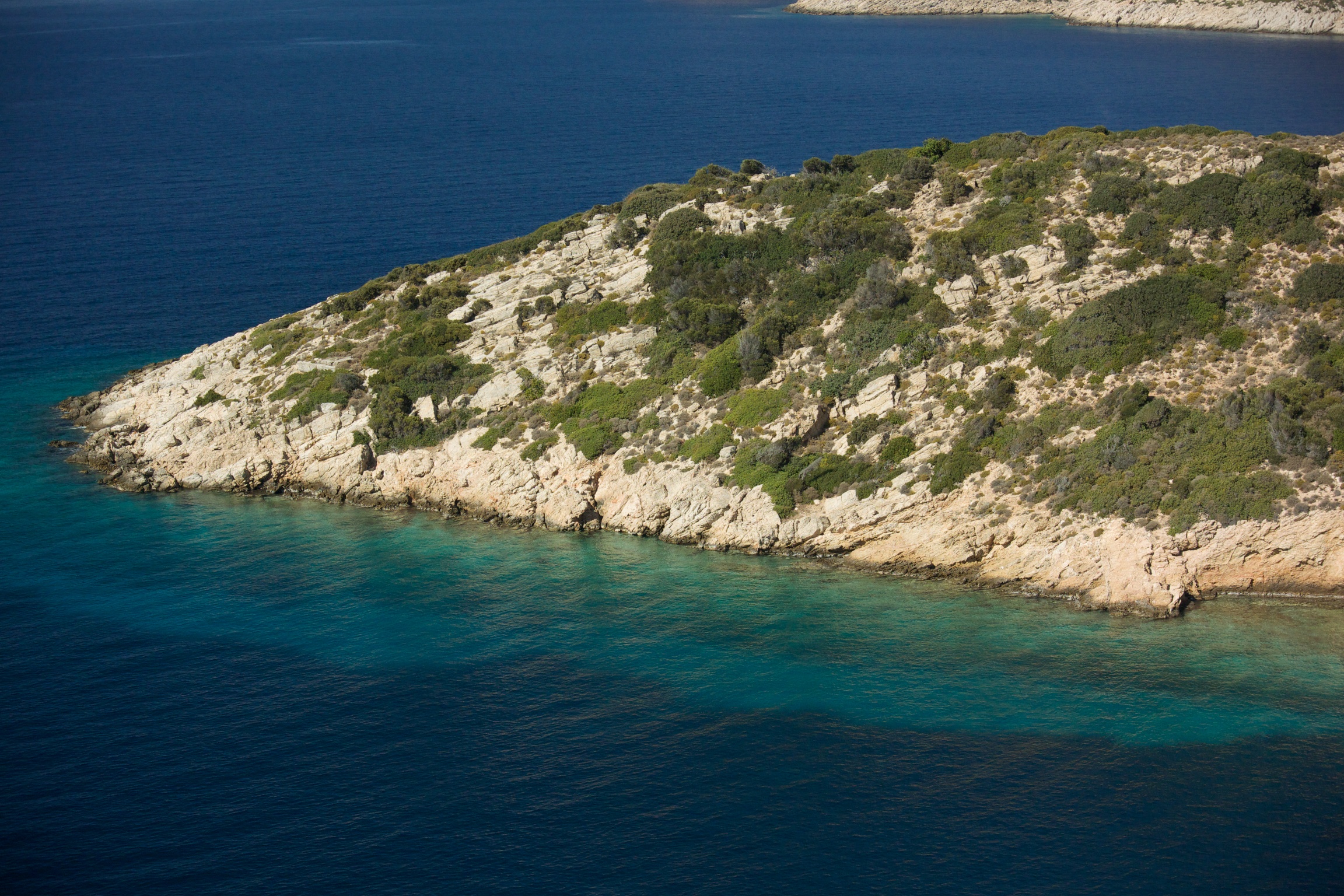
The four kids hung out together as Trish and I took a look around the ruins of Knidos- an ancient fortified city of 70,000 people -- and then Dave and Nikki took us out for a ride on their boat. We headed east under sail power, and then went for a swim in another crystal-blue bay. But as we were returned upwind to Knidos under engine power, the wind suddenly blew up and the waves started crashing into the hull of the catamaran and through the open port holes.

"Batten down the hatches!" I helpfully cried. I've always wanted to say that. As a non-sailor, I'm not exactly sure what that means, but it seemed like the right thing to say in this situation.

A mad scramble ensued. 

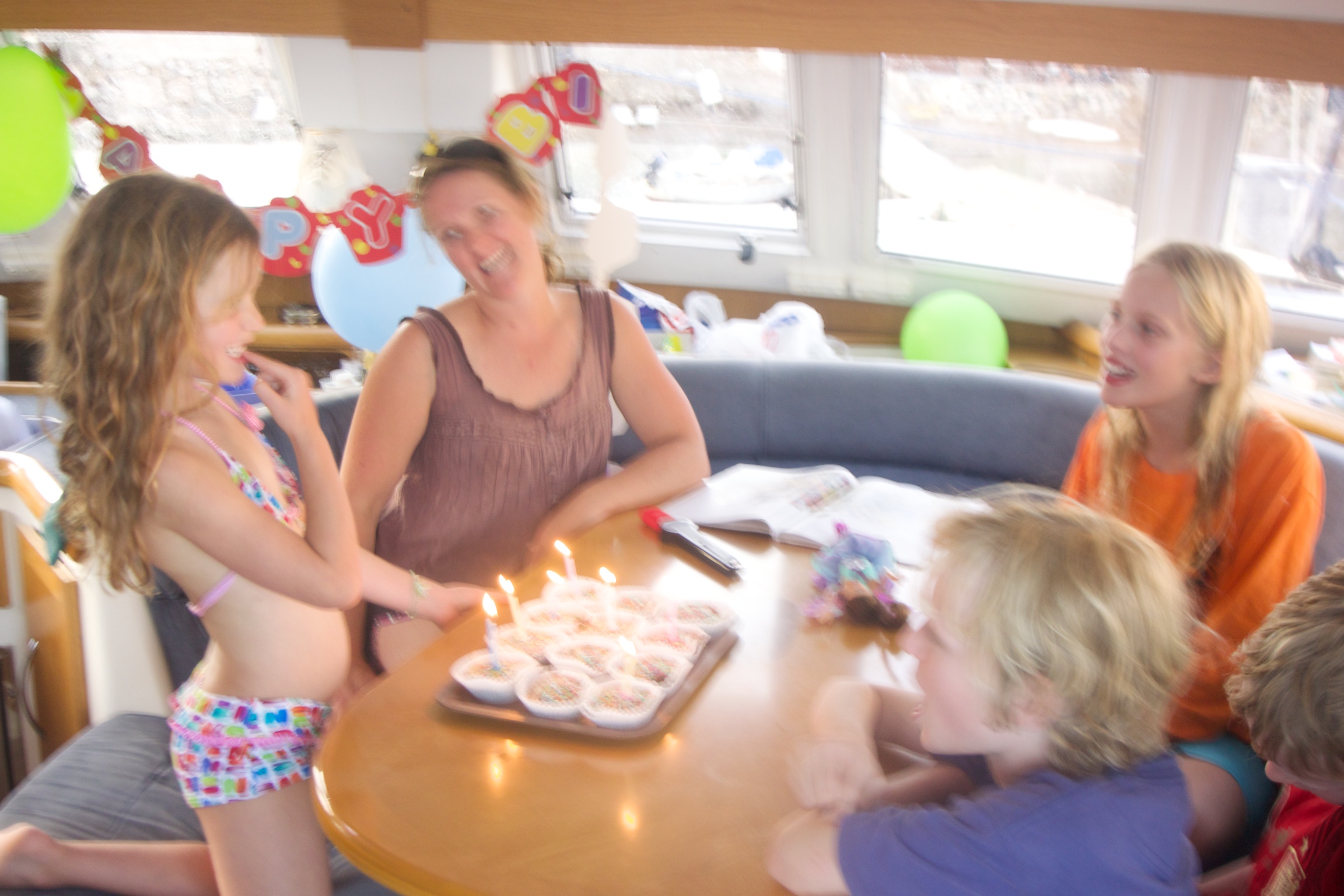
Ten minutes and 20 litres of water on Jessica's bunk later, we forged on westward, fearlessly into the winds. After a quick round of happy birthday and some freshly-baked-on-board, cupcakes to celebrate Jessica's 7th birthday, we landed safely on shore and drove the twisty roads back to Marmaris. 

So, as it turns out, had the wheels not fallen off the bus, we may not have had this little adventure. It just goes to show you the value of being open to what happens, and how sometimes, something bad can lead to something unexpected and great. 

Fair winds, dear Stringers! 


Lessons Learned on the Road - Episode 1

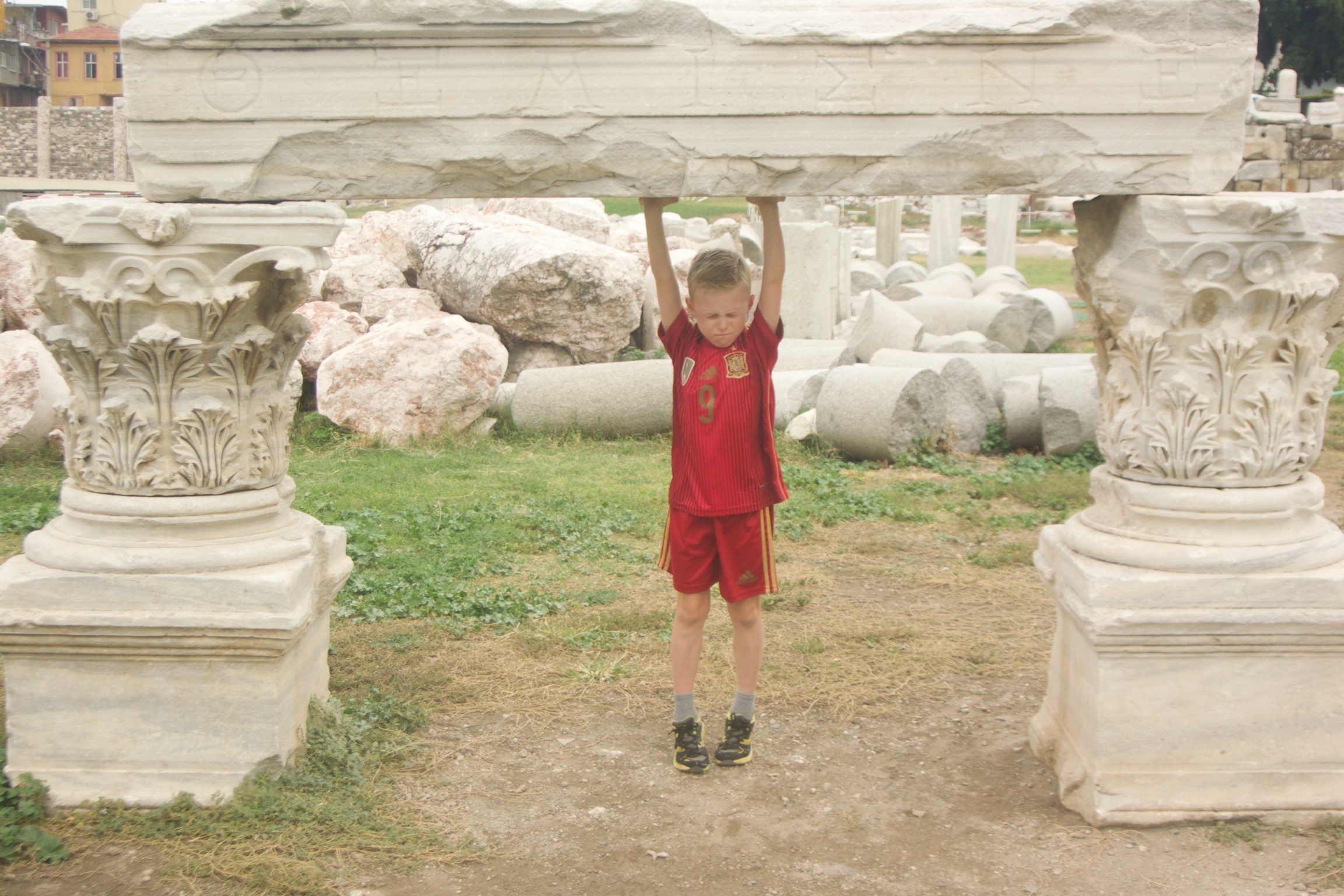
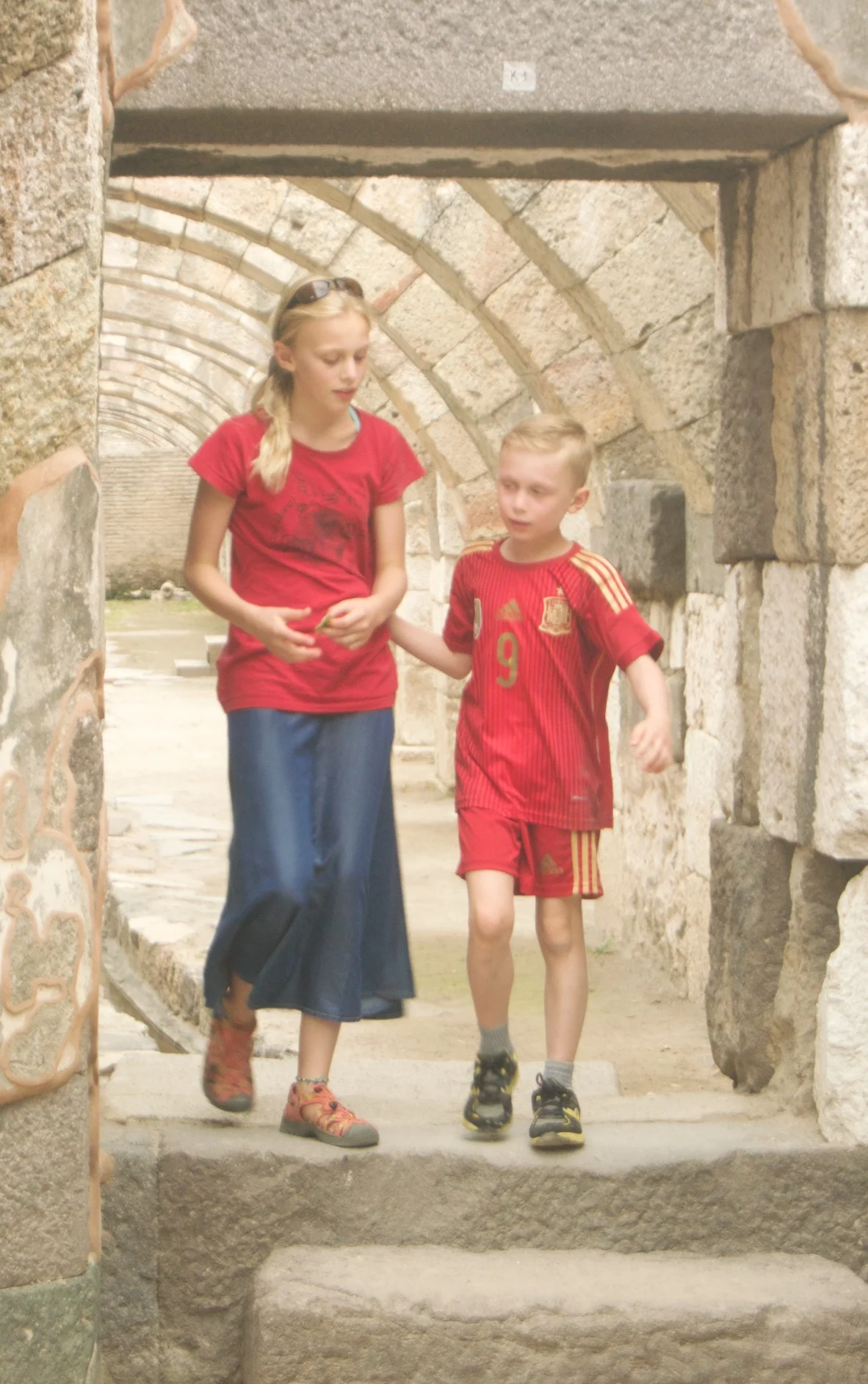
History / photography / zoology class in Izmir, Turkey

History / photography / zoology class in Izmir, Turkey

As we were planning to take this year off, the second question that everyone asked was  “So…uh….what will the kids do for school while travelling?

Given that Zoe and Isaac are 11 and 8 respectively, we figured that it would be enough for the children to focus on their 3R’s: -- Reading, wRiting and aRithmetic – with the rest of the time spent travelling internationally they’d naturally be immersed in geography, history, social studies, archaeology, phys-ed and ecology. We also wanted Zoe to keep up her French so that she can rejoin the Grade 7 immersion program, so we're planning to spend some time in France and Morocco.

To make sure that we were on track, we met with both kids’ teachers last spring to get their advice. Both of them said they were excited that the kids had an opportunity to travel, and they were both surprisingly chill about how much we “covered the curriculum”.  “Just make sure that they don’t get too far ahead,” one quipped. They also pointed us towards the provincial curriculum objectives, and also suggested a few online resources that we could incorporate (e.g. IXL Math, Duolingo, Khan Academy, Brainpop).

We also checked in with Tricia’s sister, Heather, and her cousin, Sandra, who have both home-schooled kids up through high school. “Don’t worry too much about structure,” Sandra said. “They’ll be fine.

But as someone who is never one to worry about things – especially structure! – I did a bit more research on how to “road school” kids. It seems that most vagabond families either:

  1. Enrol their kids in a local or international school (not practical given that we’re moving a lot);
  2. Sign up for more structured correspondence or online courses – again a bit tricky given that our access to internet will vary dramatically this year
  3. Pack text books and workbooks – a bit heavy given that we’re trying to carry everything in 4 rolling bags, but we did purchase the JumpMath curriculum that a friend recommended;
  4. Take the “unschooling” approach and just let the kids learn wherever they go from whatever’s around them,

So far, we’ve used a mixture of 3 & 4, designing topical learning task designs as we go, and drawing upon the “teachers,” we meet and the “generative themes” from where we travel. For example:

Turkish history is on a roll....

Turkish history is on a roll....

  • When we were visiting my parents in Durham, Ontario, my mother taught them how to bake butter-tarts, and the kids wrote out the recipe and took photos of each step. Zoe and I then did a rough French translation of the recipe and added in the photos.
  • At my brother’s place, they appreciated the art all around them by critiquing three pictures – including some original paintings by their artistic aunt, Suzette Terry – and by counting all of the pictures on the walls – 308 by their census count, (+/- 5 pictures, 19 times out of 20).
  • To help us dig through the different layers of Turkish history, we’ve mapped its empires and events along a very high-tech, historical timeline: a toilet roll in which each square equals 100 years.  (This will work well unless we run out of toilet paper… then our timeline will be history).
  • On another day Zoe did some research on the landscape of Turkey and some of the local environmental issues we’ve been learning about.
  • Recently, the kids are drawing maps of their “dream hotels” and I’ve asked them to create a video commercial for each of them. Not surprisingly, Isaac’s is in Barcelona and has a football (soccer) theme. Zoe will then need to do some basic calculations of the area of the hotel, and to name some ways that it can be eco-friendly.
  • In the spirit of their Hallow'een costumes, we're planning on a knock down game of Greek Gods & Goddesses Charades later this week. 

Now that we've been in Turkey for just over six weeks, we’re finding that 2-3 hours of “road schooling” per day is about what we can manage and realistically, probably all that they need. Without taking time to get the bus to school, line up at the bell, take off and put on layers of clothes (Oh, Canada!), wait for teachers or on other kids, etc. they can get a lot school work done in a short time.

Other days, the program is much less structured, either because we're travelling, or because there are things to do that are just too cool for “school”. In the past few weeks, they have:

  • toured the Ancient cities of Ephesus, Xanthos, Letoon, Knidos, Smyrna and Patara;
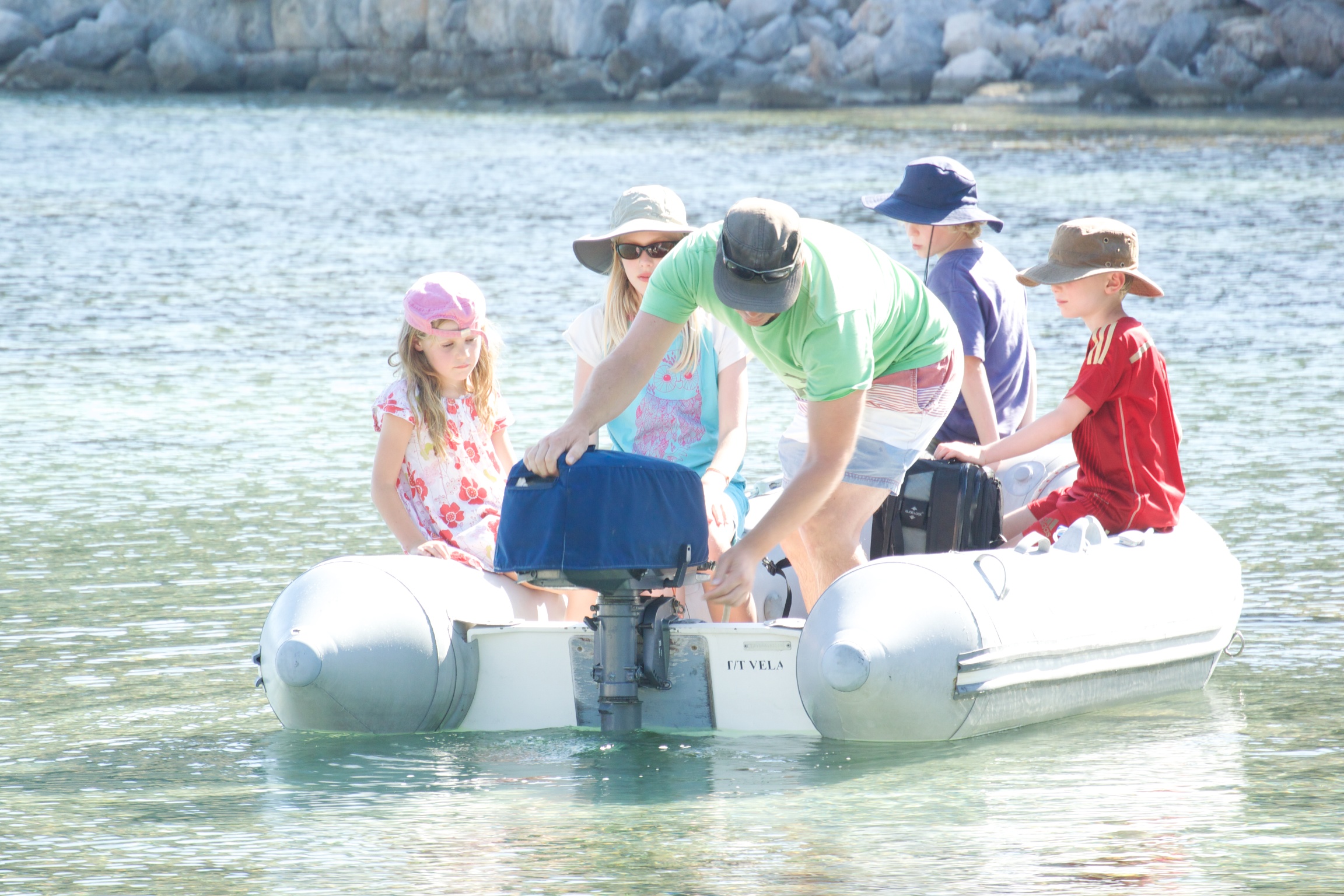
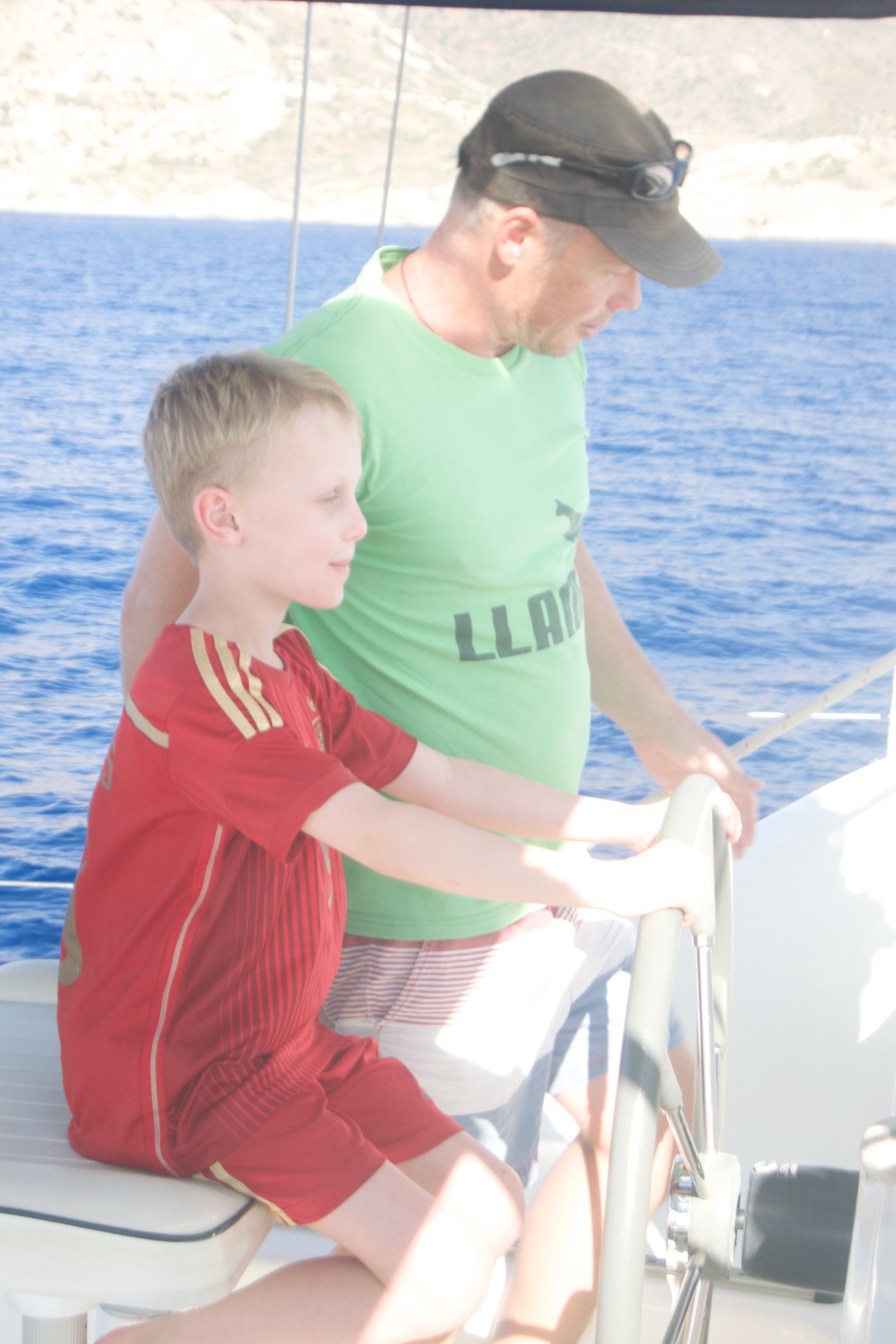
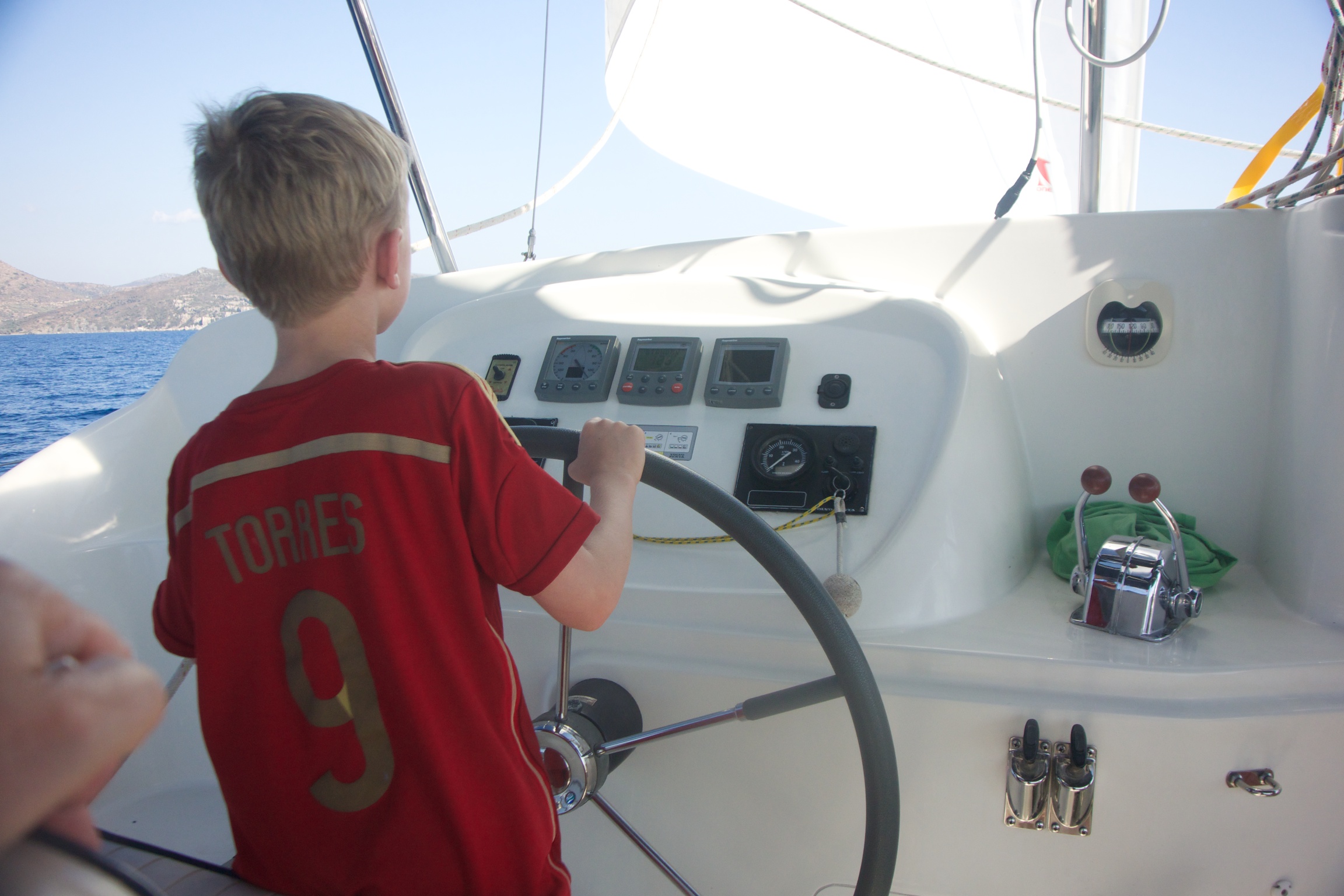
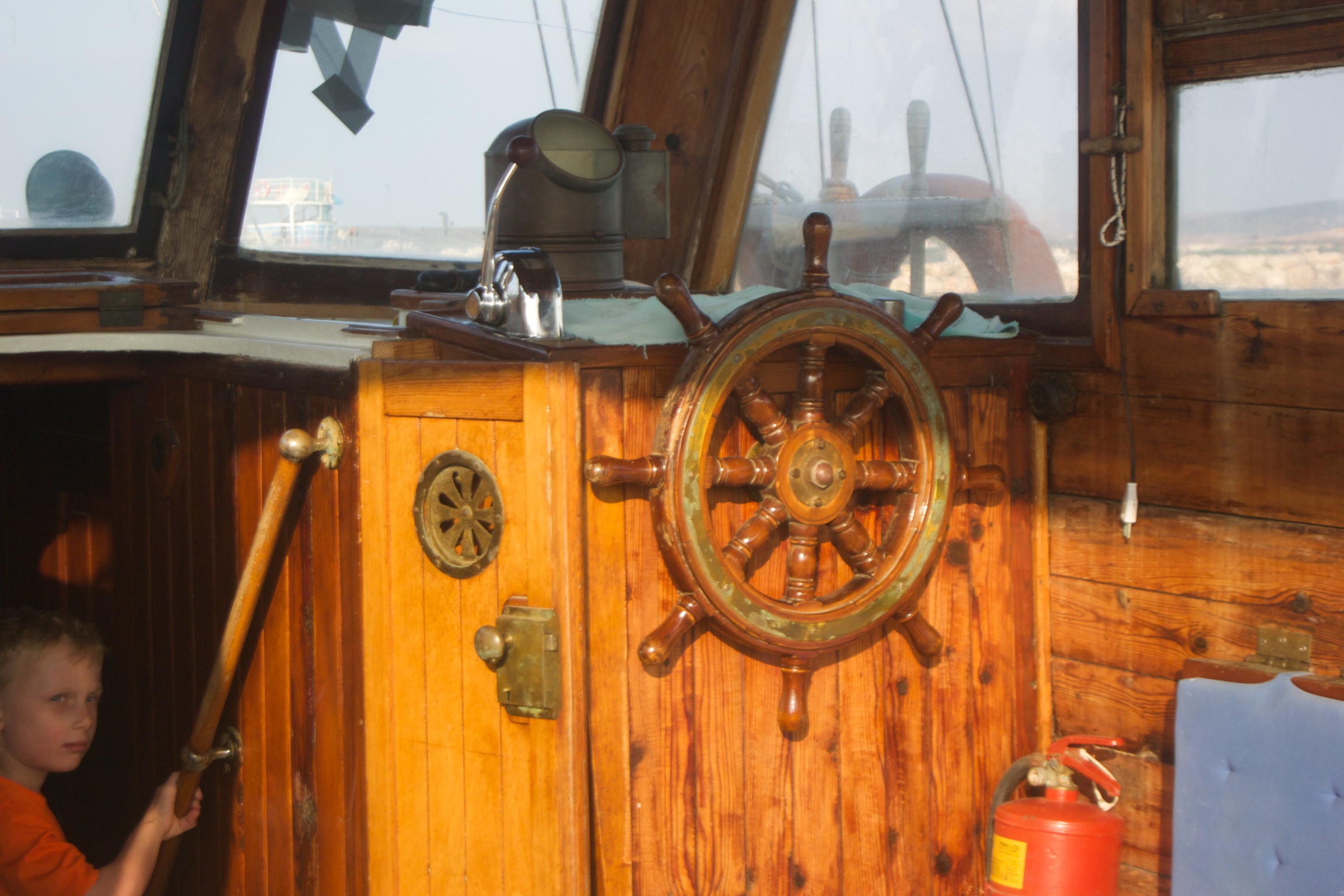
  • sailed on two boats in the Aegean – including steering our friend’s catamaran --
  • visited several museums of archaeology to view their collections of Persian, Greek, Roman, Byzantine and/or Ottoman artifacts; 
  • learned some basic Turkish phrases;
  • taken a guided tour of the Gallipoli Peninsula, site of the infamous WW I battle;
  • sea-kayaked on the Aegean Sea;
  • visited the abandoned village of Kayakoy, a town whose Christian population was "exchanged" to Greece after the war of Turkish independence. 

Some days it feels like we’re in an episode of the Magic School Bus

Of course, the kids are picking up some informal skills too, like how to improvise as the days unfold, how to buy groceries in a foreign language, and that well, Mom and Dad don’t always know where they are, never mind how to get back to our current "home"…..

On the plus side, I love the challenge of designing lessons on the fly, and the creative challenge imposed by the constraints and unique opportunities of each place that we stay. And we’ve also appreciated that they kids, by and large, have played along, and taken these lessons in stride. 

However, we’ve also found that road-schooling requires a fair bit of time and planning (duh!), and that the kids pretty much need constant supervision lest they get distracted by the closest iThing. As well, on the days that we don’t have easy access to the Internet, it is harder to capitalize on those spontaneous learning moments and questions like “Is seawater more salty in bays? Who would be the Greek god for soccer” Finding enough English, children's books in Turkey has also been challenging, but thankfully we can usually download e-books from the public libraries when we have WIFI. 

It is also clear that Zoe and Isaac really miss the social side of learning with other kids. It might be the places that we're going, the time of year or the fact that Turkish kids tend to go to "cram schools" after their regular classes, but we've met very few children on our trip so far. Both kids have been real troopers so far, but we’re still hoping that we can check in periodically with their friends at school back in Ottawa. Stay tuned...

Research at Beach Resorts


October 6 - 13, 2014 / Bodrum - Bitez, Turkey

From Izmir, we headed south by otobus to the city of Bodrum, and then took the dolmus (local minibus) to the nearby town of Bitez. The area is famous throughout Europe as a package holiday and yacht destination, and you'll see signs everywhere in English, German, Dutch and Russian.

The beaches typically have deck chairs right down to the water's edge, and then local restaurants and bars that serve Turkish and international food for double what we'd paid in other towns. We spent a few afternoons at the beach, and our road-schooling those days consisted of calculating the ratios of skin to tattoos to bathsuits -- on average 10:8:1 -- as well as the impressive degree of sunburn that the average European tourist can achieve of the course of a 7-day holiday.

Okay, I've never been much of a beach guy, but it was nice to take a dip and watch Trish and the kids actually float (in the saltwater).  We also went on two interesting excursions: 

  • a boat ride to visit several bays in the area -- each with their own beaches, bars, tourist shops, and requisite camel rides -- we decided to wait until Morocco. We all had a great time swimming in the unreal blue waters of the Aegean Sea. 
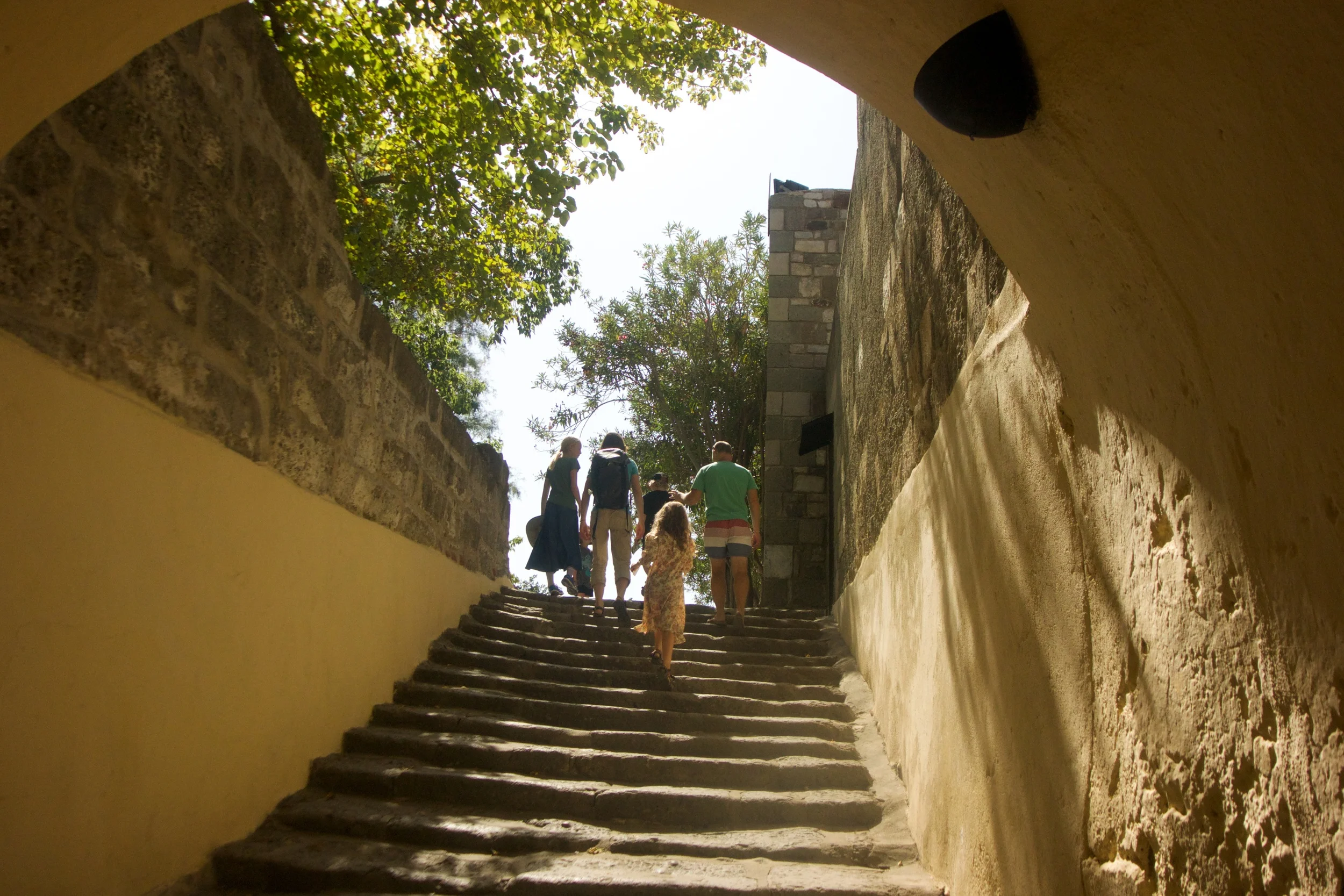
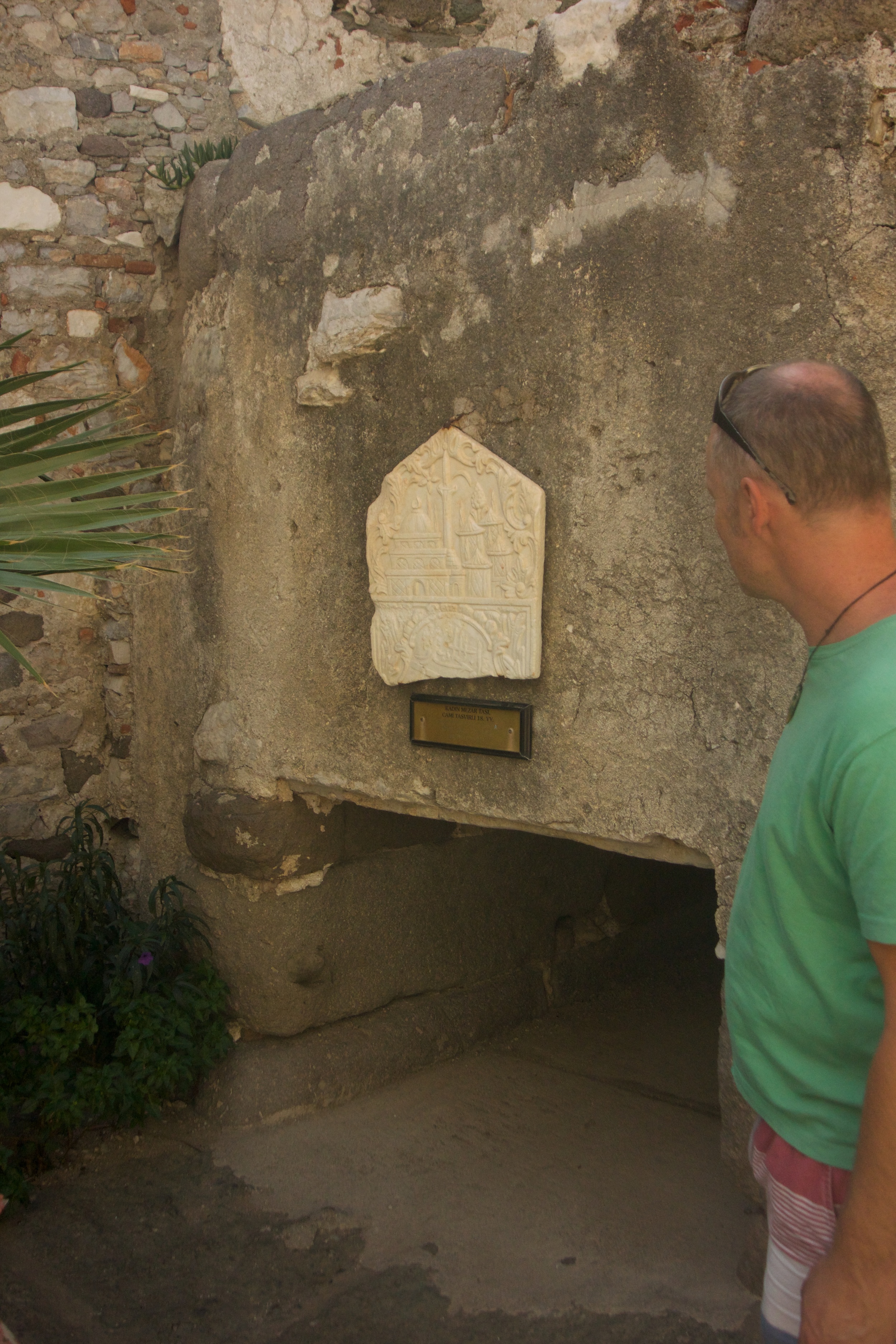
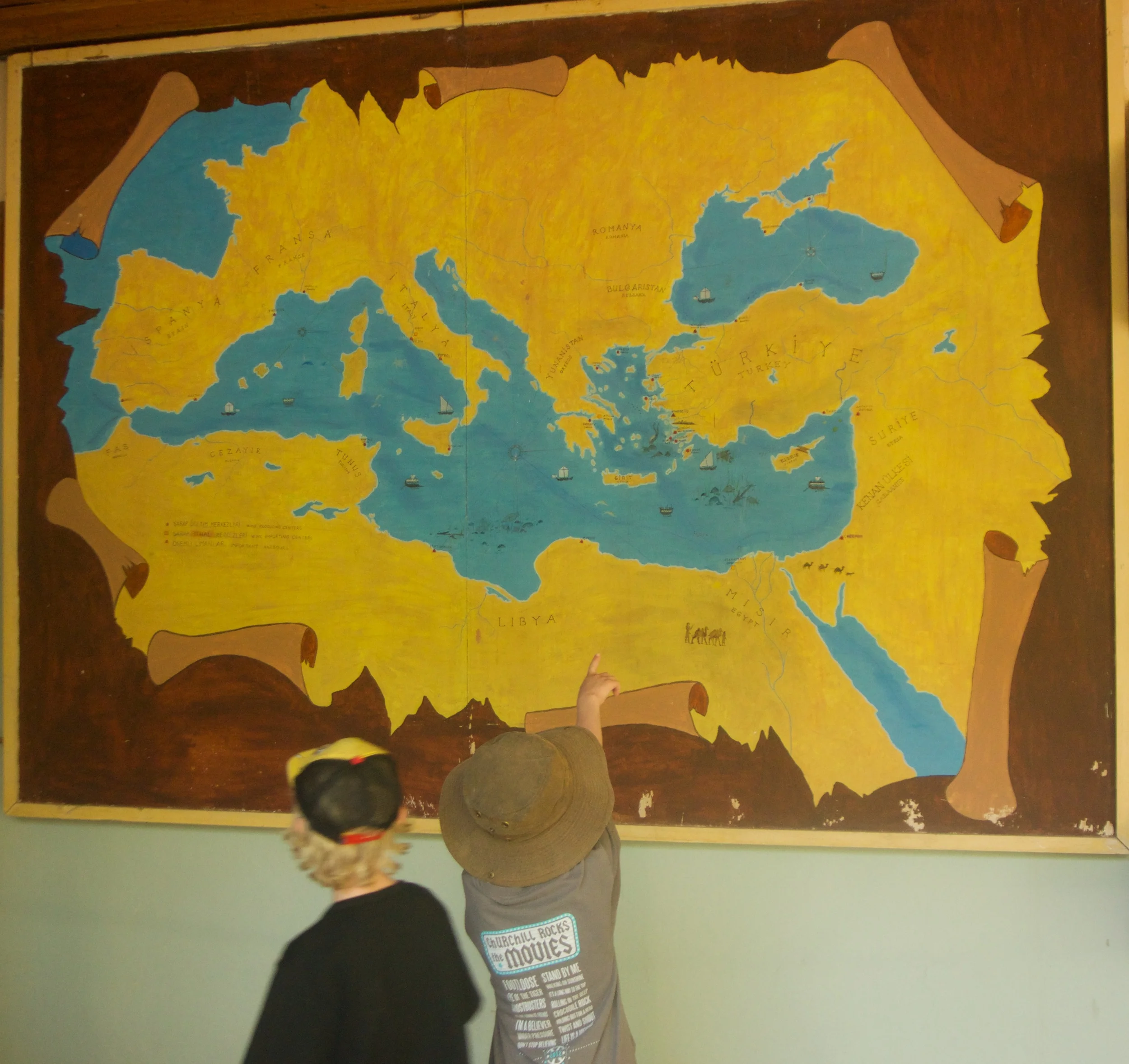
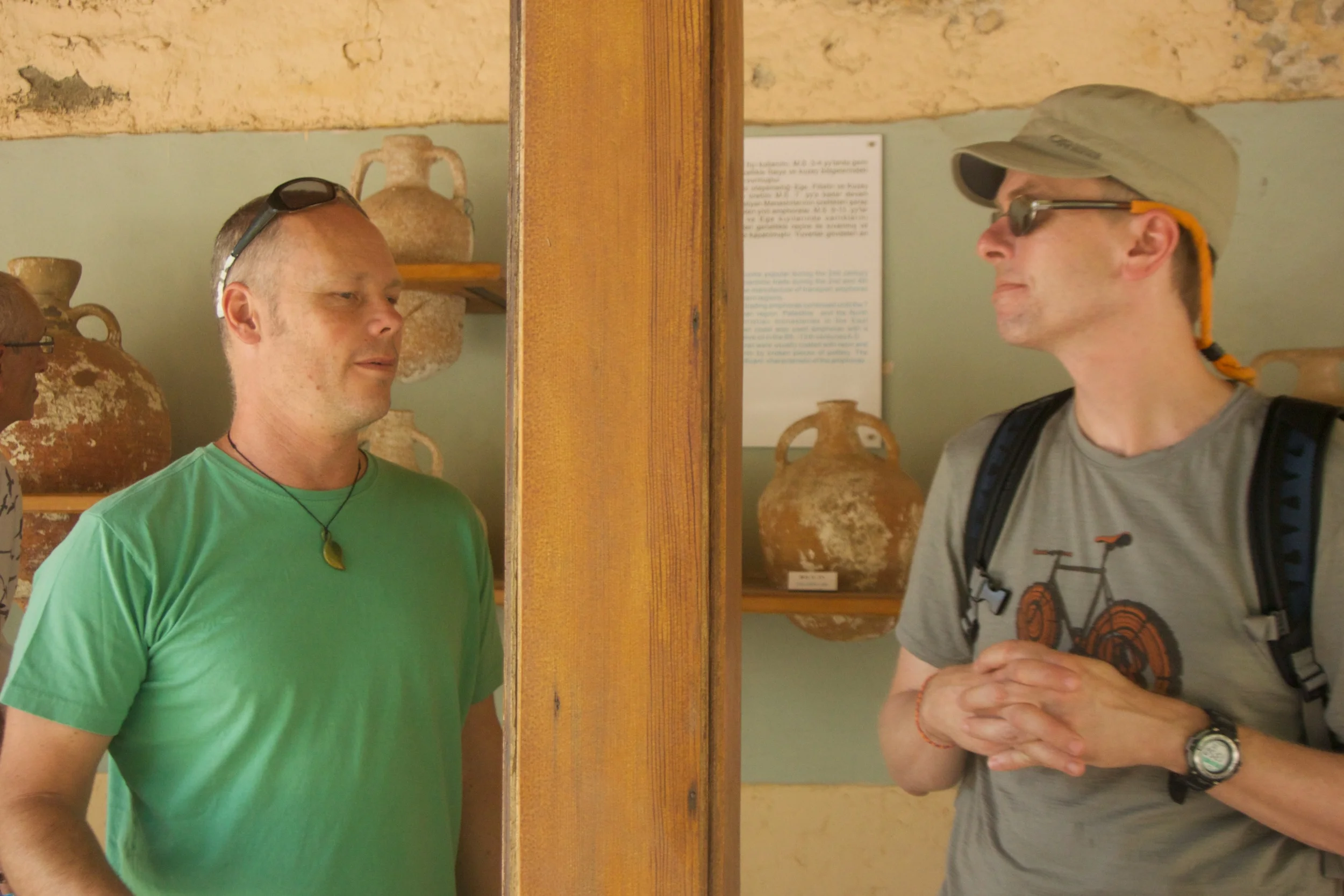
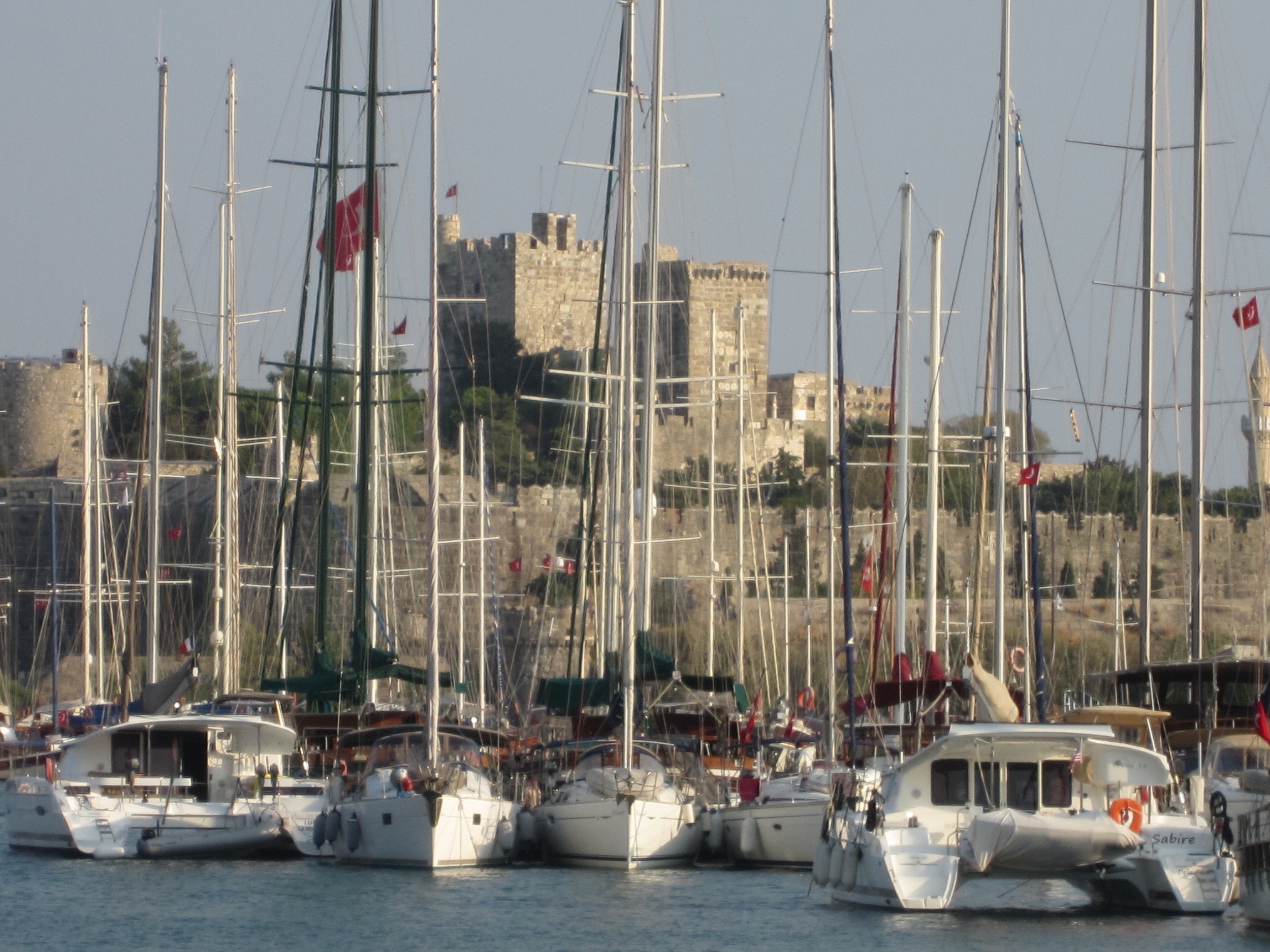
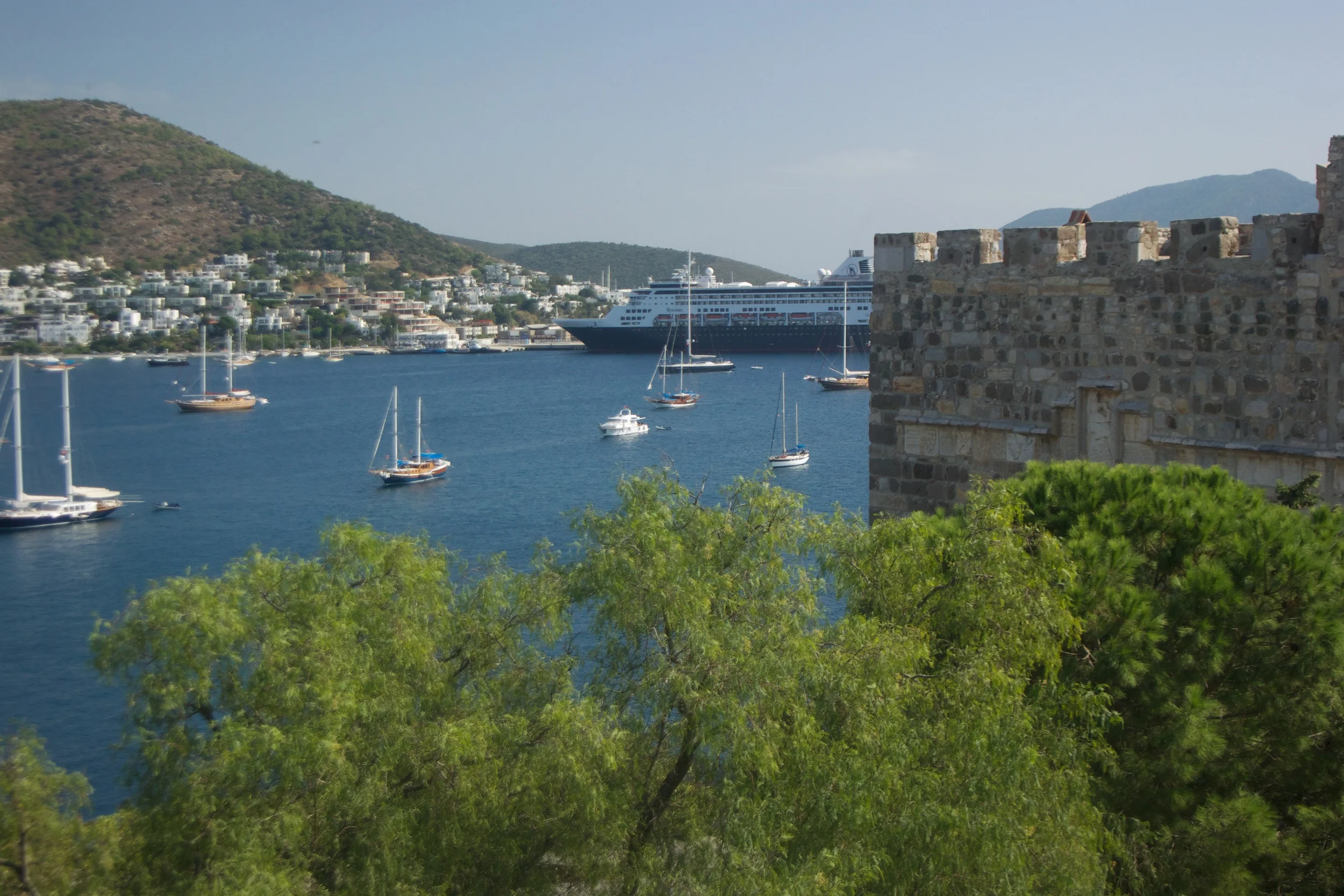
  • a visit to Bodrum's Castle of St. Peter -- a fortress built by European Crusaders (staring in 1404) to guard the harbour, and taken over by the Ottoman empire in 1522. This castle is exactly what my 8-year-old self used to imagine a castle would look like: square turrets, ramparts, ramps, dungeons, layers of defences and a really nice coffee shop. This castle is also the site of the Bodrum Museum of Underwater Archaeology , which houses an amazing collection of artifacts from the various cultures that lived here. 

Through an American that we met on the train back from Ephesus (Hi, Brant!), also met up with an Australian family who are also travelling through Europe. It was great to connect with David, Nikki, Rex and Jessica, and we even had them over to "our house" for dinner one night. 

Due to a couple of snags with the Air BnB apartment that we were renting -- Note to self: Turkish swimming pools are drained in early October -- we elected to leave Bitez a day early. This decision, as we later learned, would be very significant......

Oh no! a cliff hanger! My kids hate that when I tell them bed time stories. Stay tuned...

In the meantime, here are some pictures from Bitez & Bodrum. Roll the tape, Stan.....

Seein' the Aegean


September 28 - October 6, 2014 /
Izmir & Area, Turkey

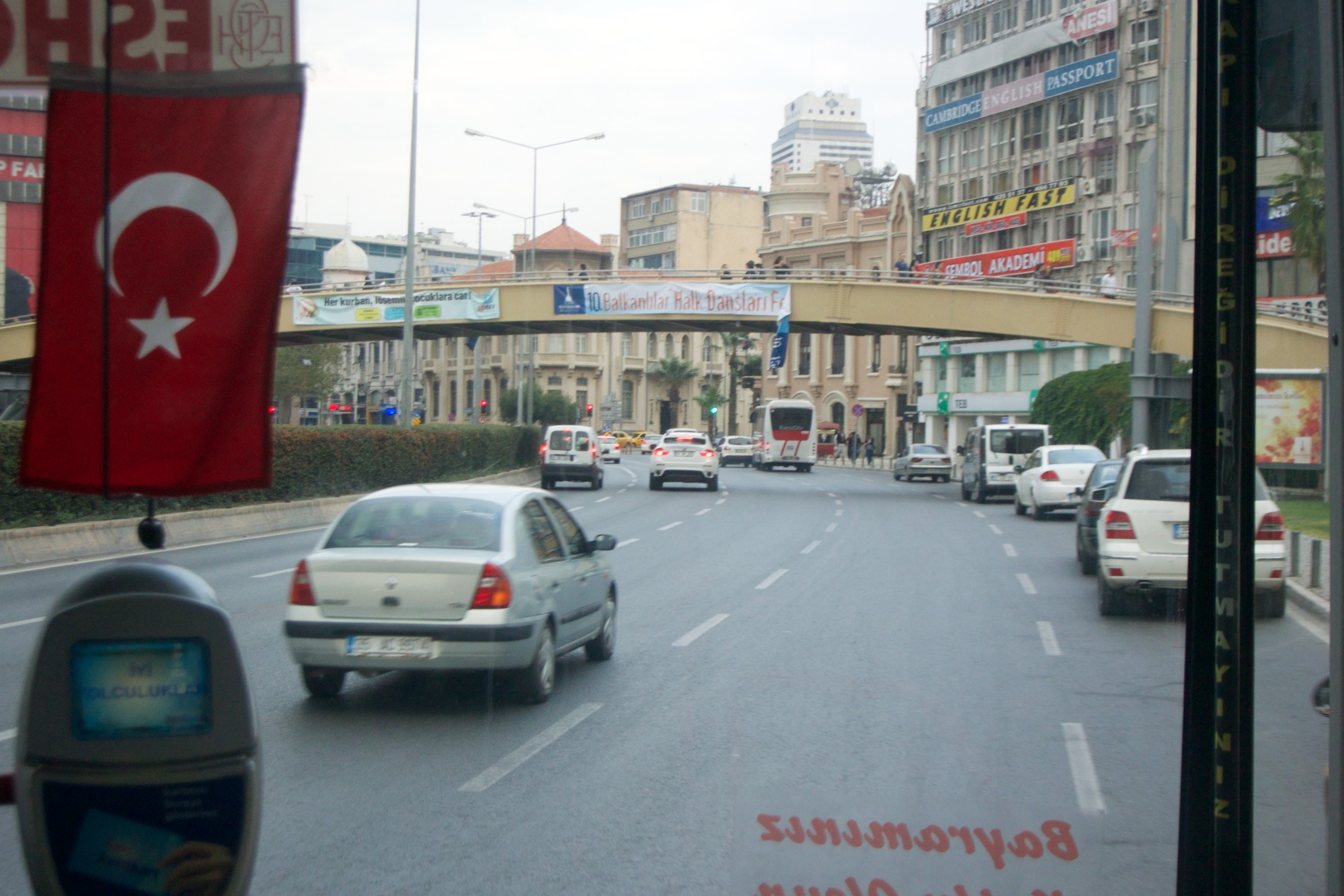
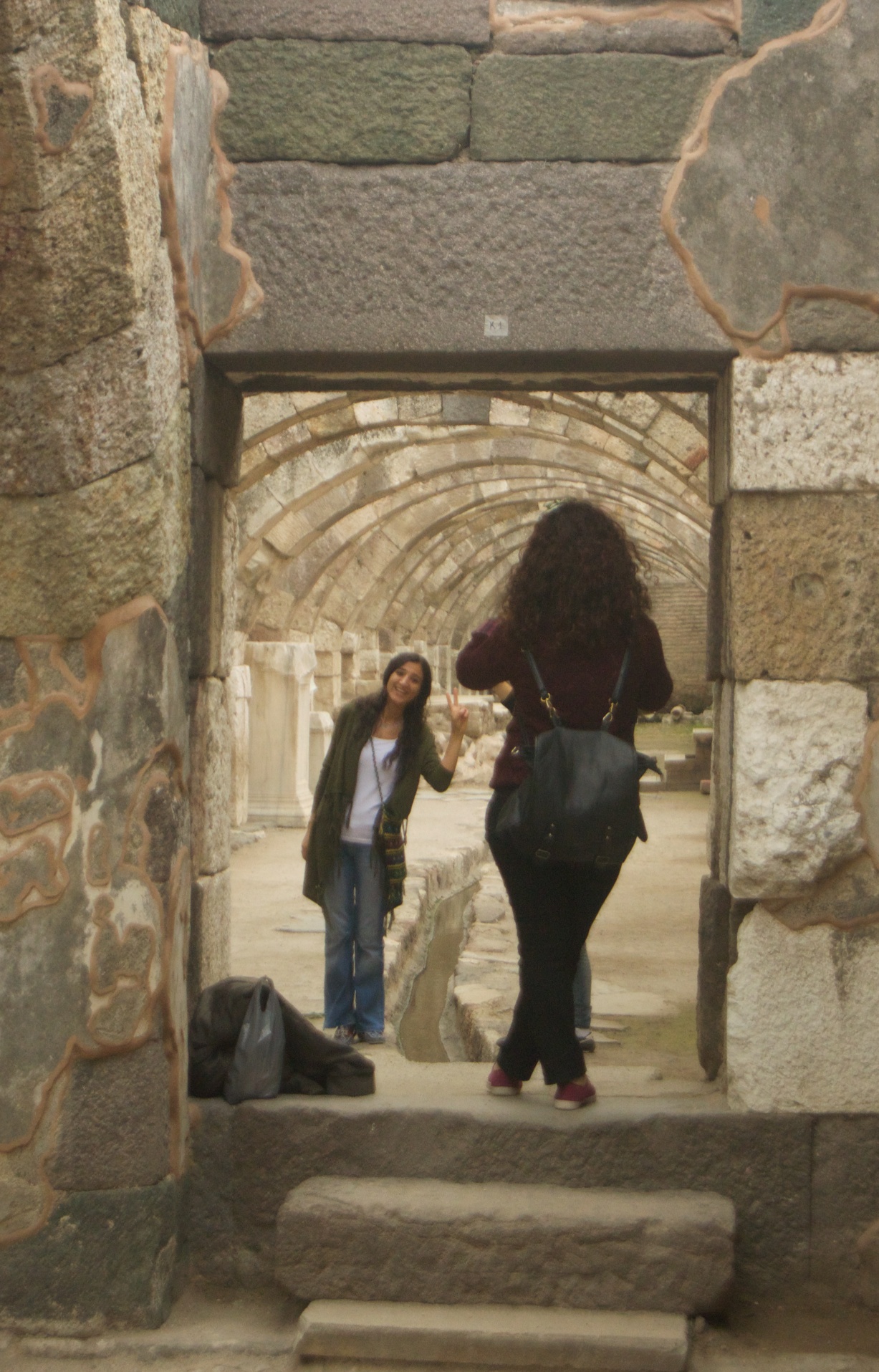
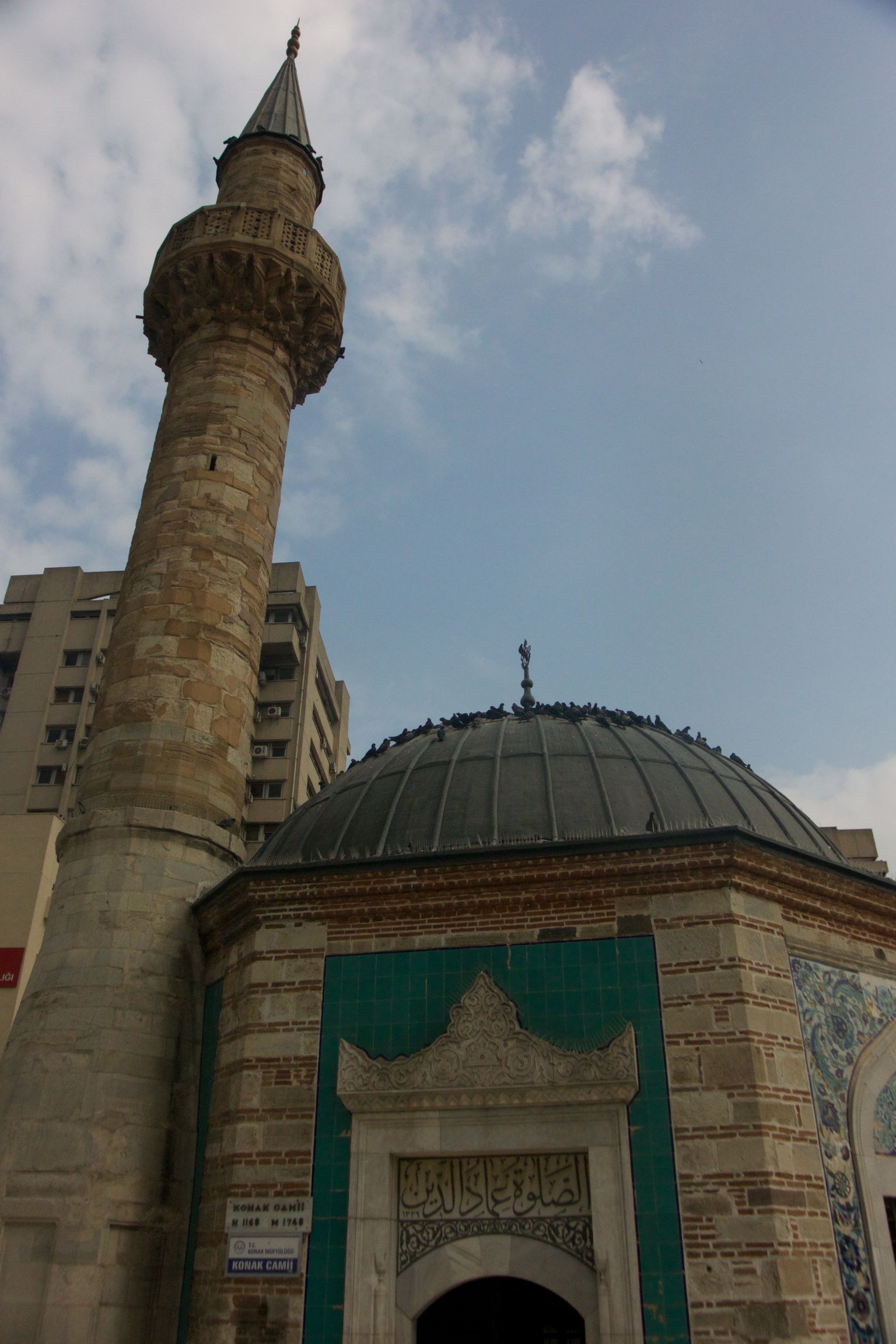
Early this month, we enjoyed a visit to Izmir, Turkey's third largest city. We stayed in Alsancak ("Al-sahn-jack") a vibrant part of town with a very hipstering pedestrian street -- imagine Spark Street in Ottawa with real people instead of zombies.

Izmir, we were told, has always rowed it's own boat due in part to its Greek heritage (née Smyrna -- it's in Revelations, people!)  and a large European presence, including the influential Levantine community that has been doing business in Izmir since the 1700's.

And through some Ottawa connections, we had the pleasure of meeting Brian, the cousin of the father of the minister of the godfather of our daughter, Zoe, who had us over for coffee at the family house in Boranova, Izmir. Their family's home is one of 30 Levantine homes in the neighbourhood, and is complete with an English garden that the kids enjoyed playing in. 

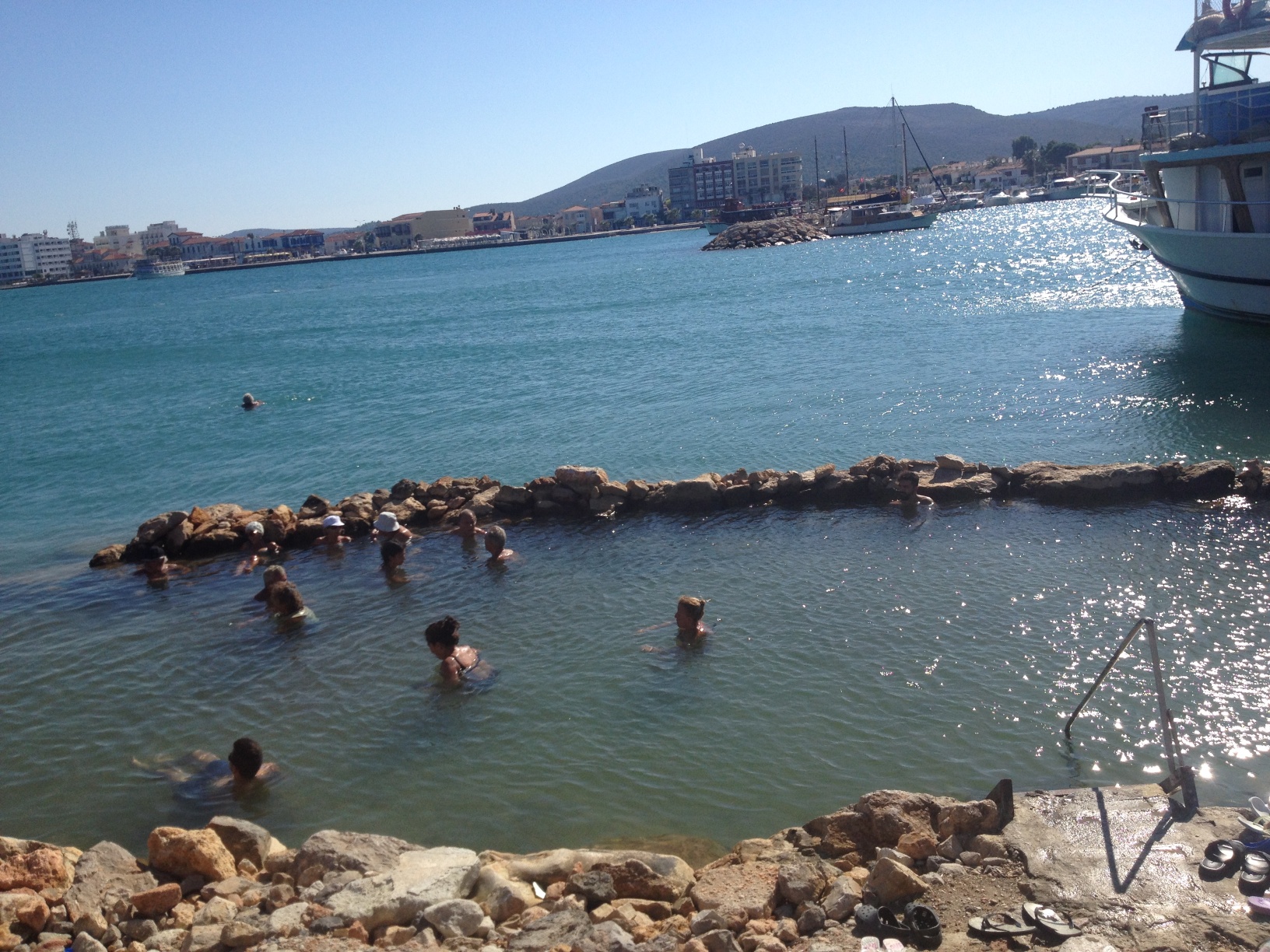
Brian also drove us down to see the seaside town of Çesme, where we enjoyed a memorable cuppa Earl Grey on the back deck of his boat. He even directed us to his favourite saltwater hot spring near the harbour, and treated us to a great meal on the way back to town. Many thanks! In Çesme, we also took a tour of the Ottoman castle. 

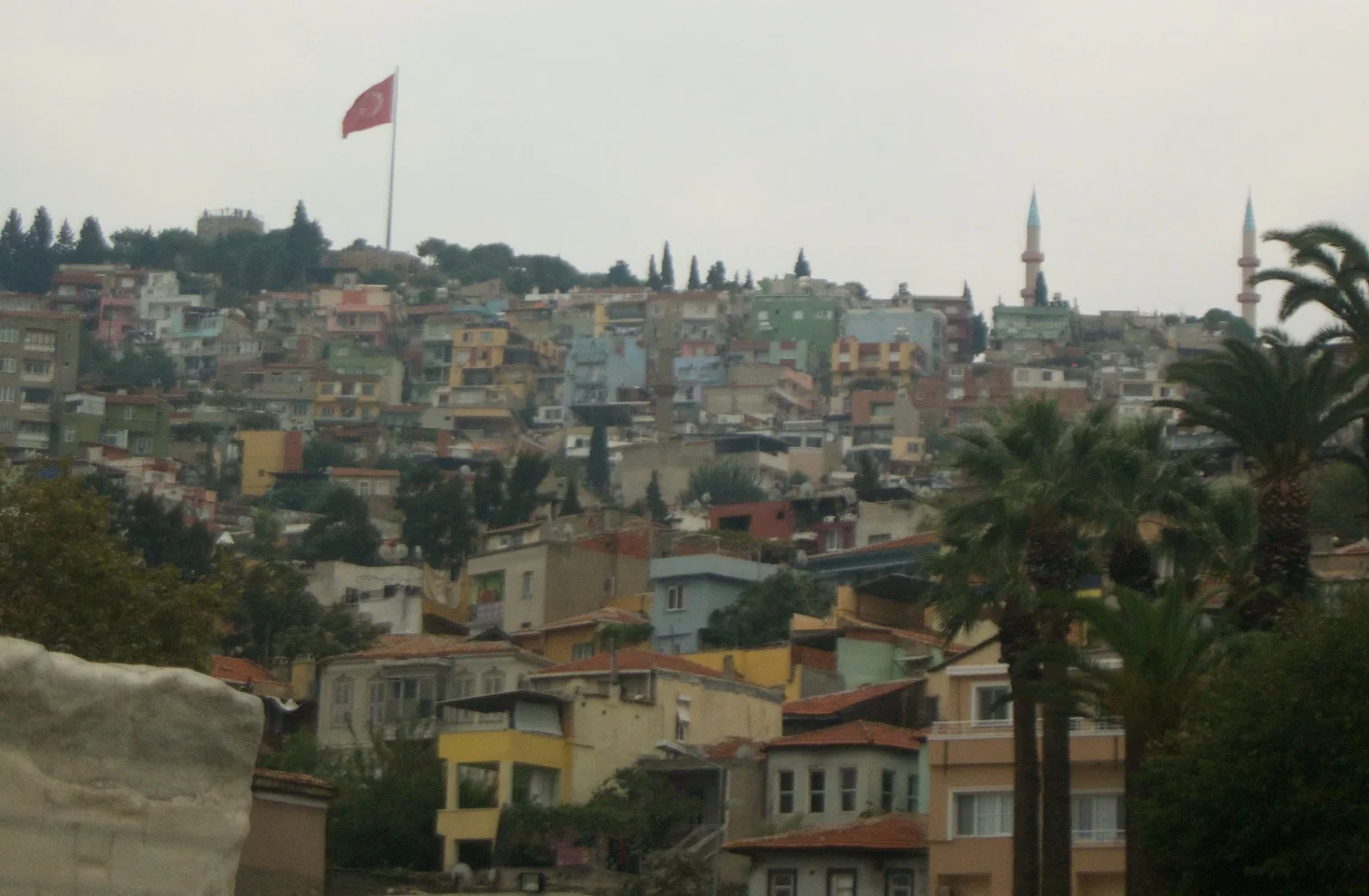
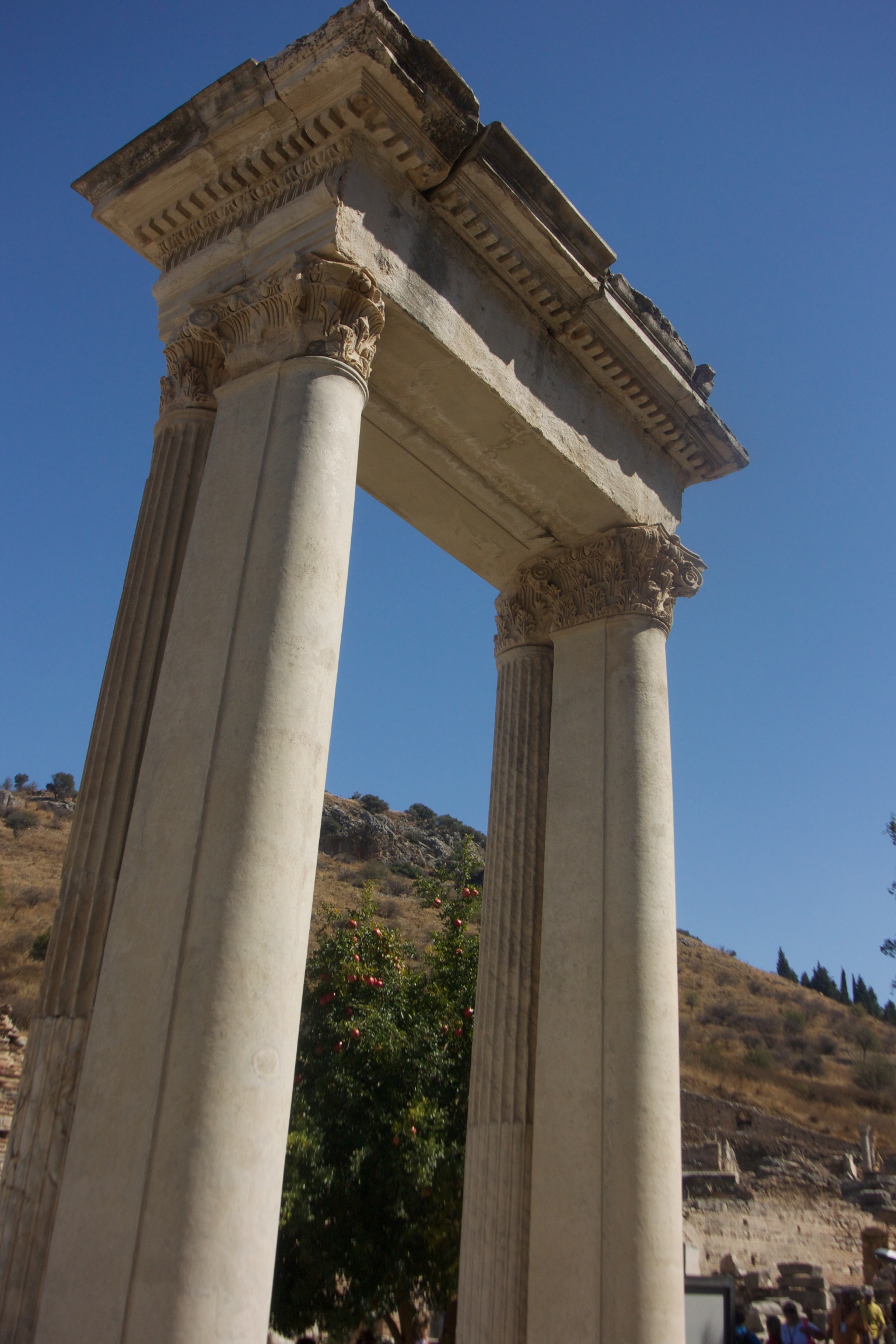
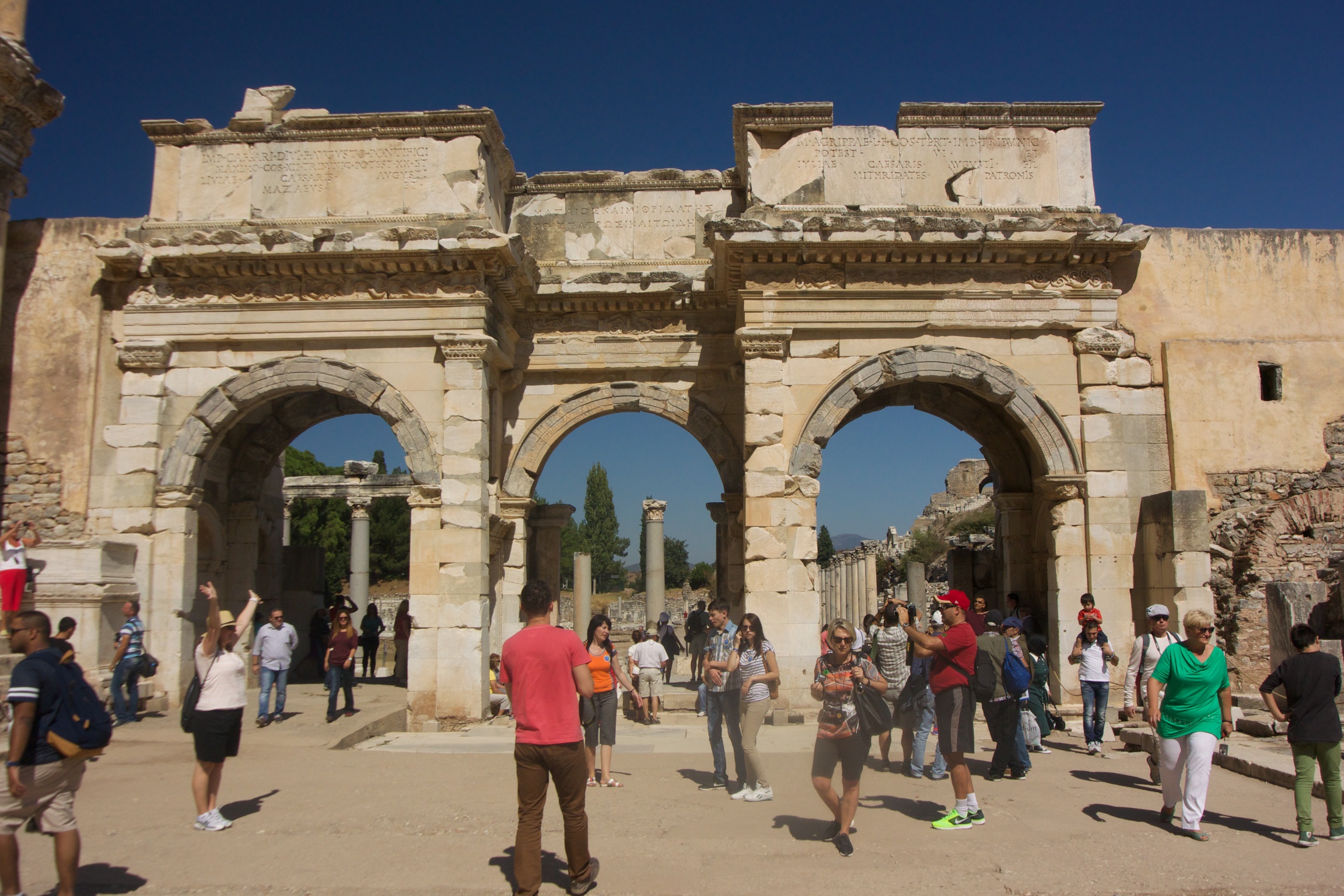
While we were based in Izmir, we also visited the site of Ancient Ephesus (It's in Revelations, people, and in uh, the Letter to the Ephesians, and Acts too), and paid a visit to the ancient town of Smyrna's Agora and road the bus down from that city's old Ottoman castle, the Kadifekale

Here are a few, okay a bunch, of snapshots from that week of the trip. Cheers! 


Road Scholars' Report: Ephesus


In which our Road Scholars, Zoë and Isaac, report live from the Ancient City of Ephesus, near modern-day Selcuk, Turkey. 

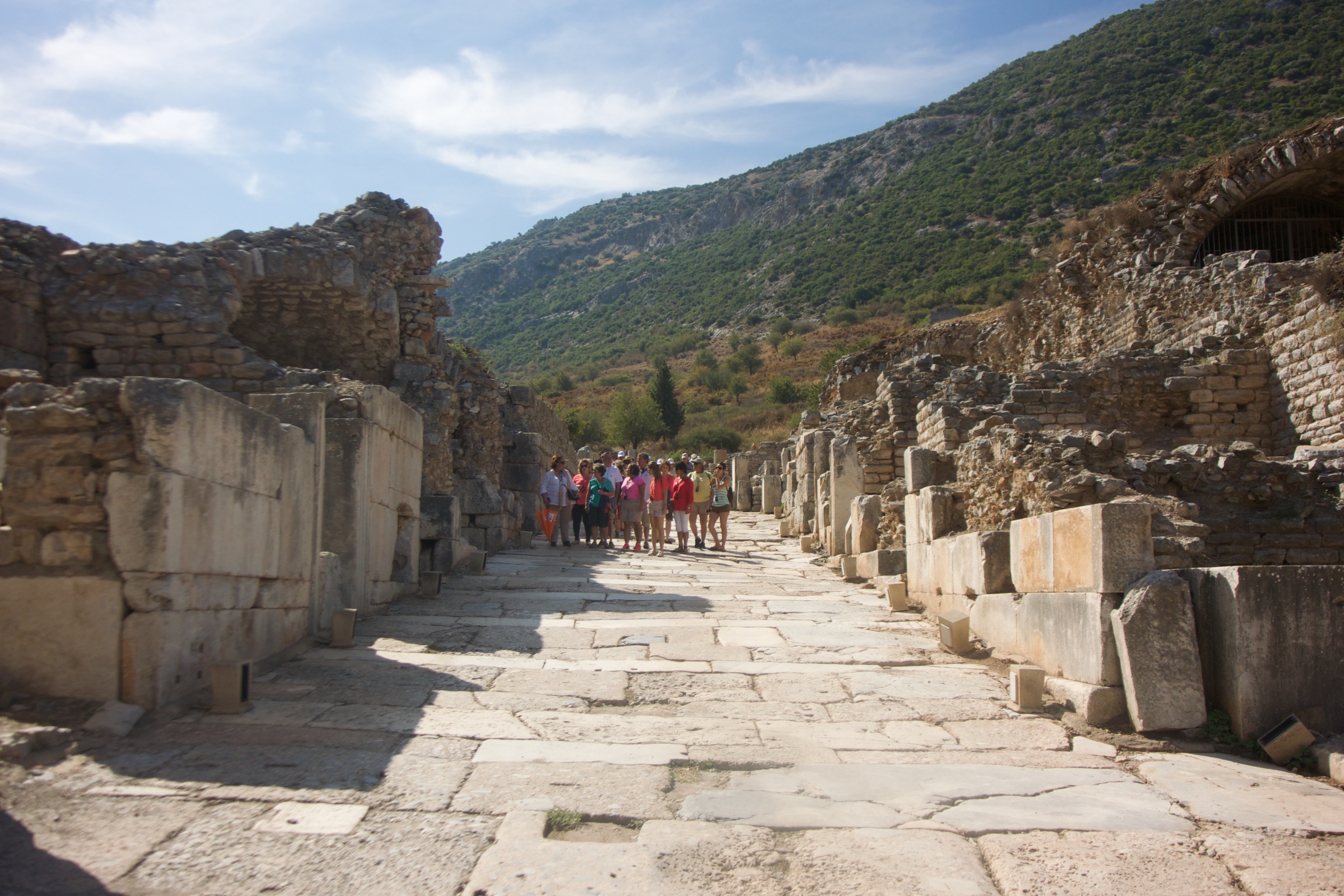
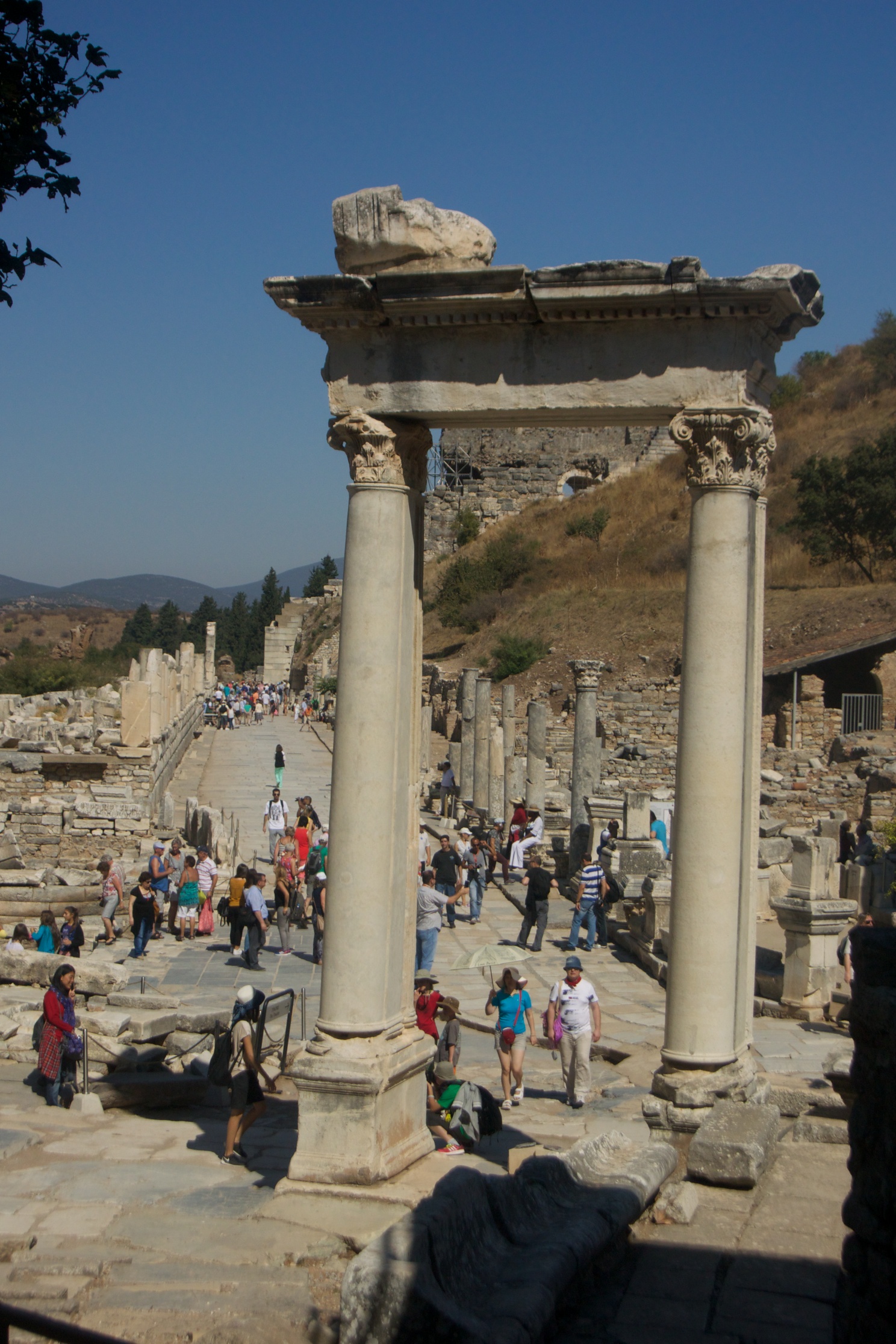
Ephesus was a  Greco-Roman city that was founded in the 10th Century BC. People lived there until around 700 AD when it was abandoned.  

On the right is a simple map of the Ephesus site (click on the map to enlarge it). 

Archaeologists believe that the excavated ruins are only about 20% of the original city. 


Road Scholar, Isaac Wind

Isaac's Highlights


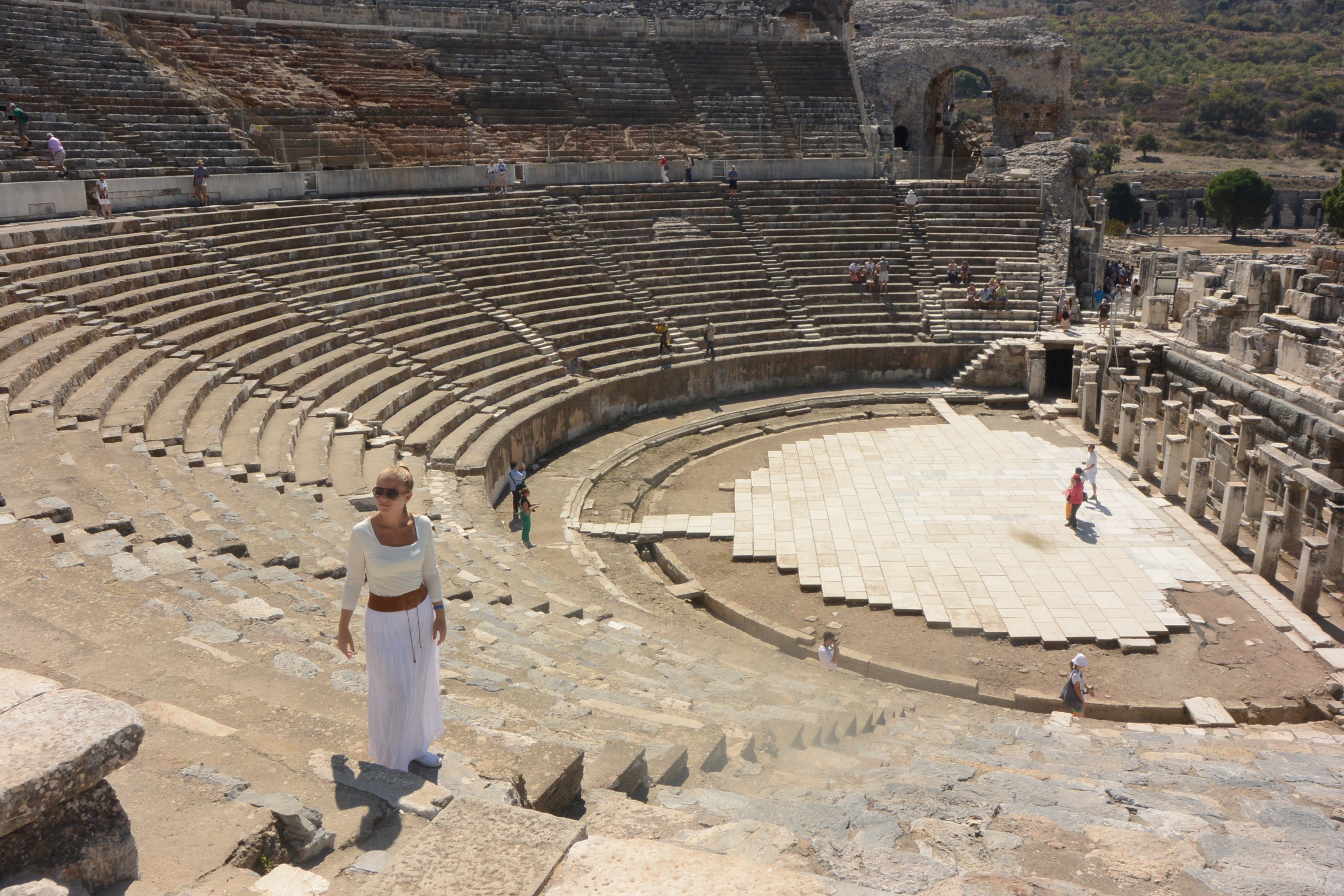
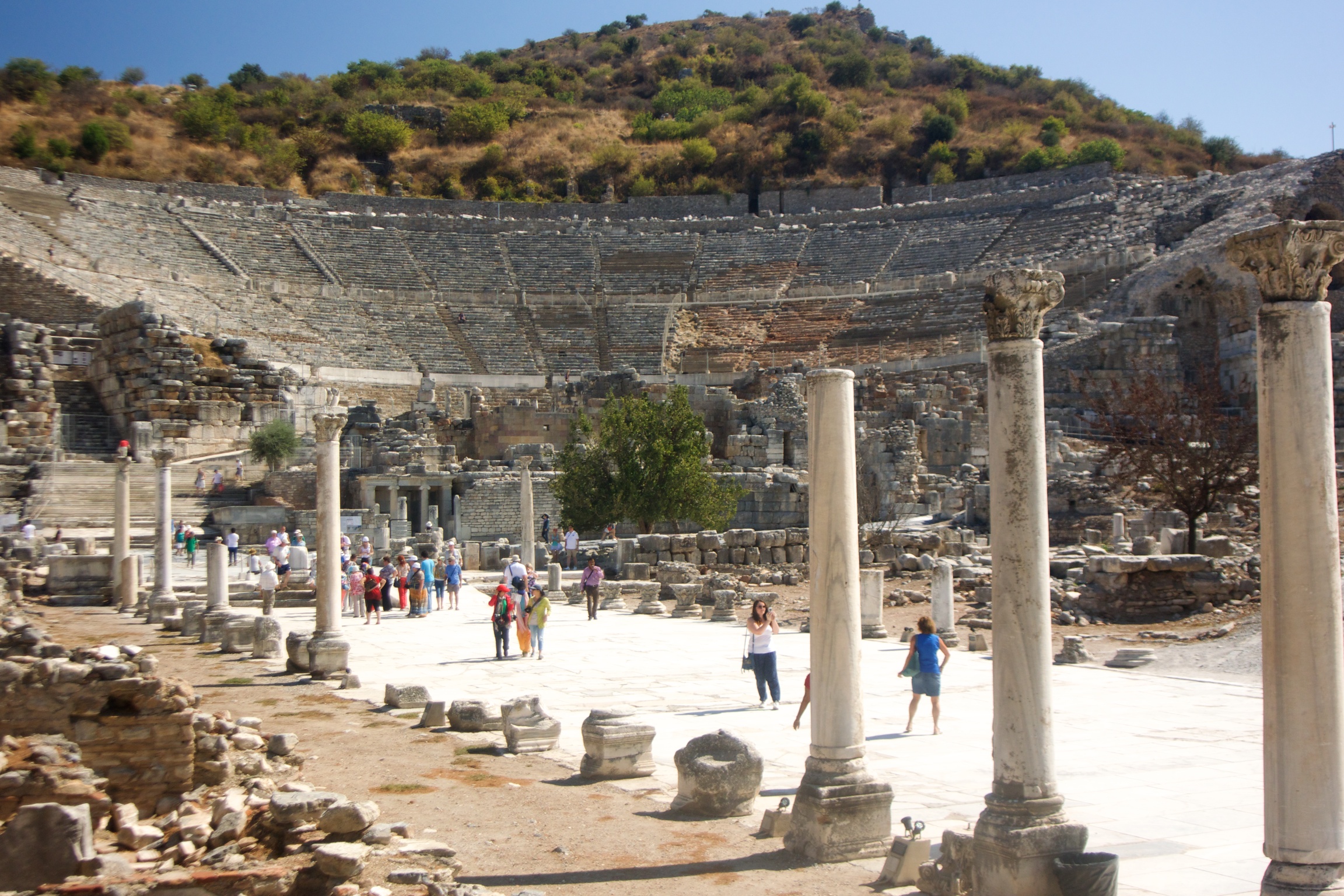
The Theatre at Ephesus

The Theatre

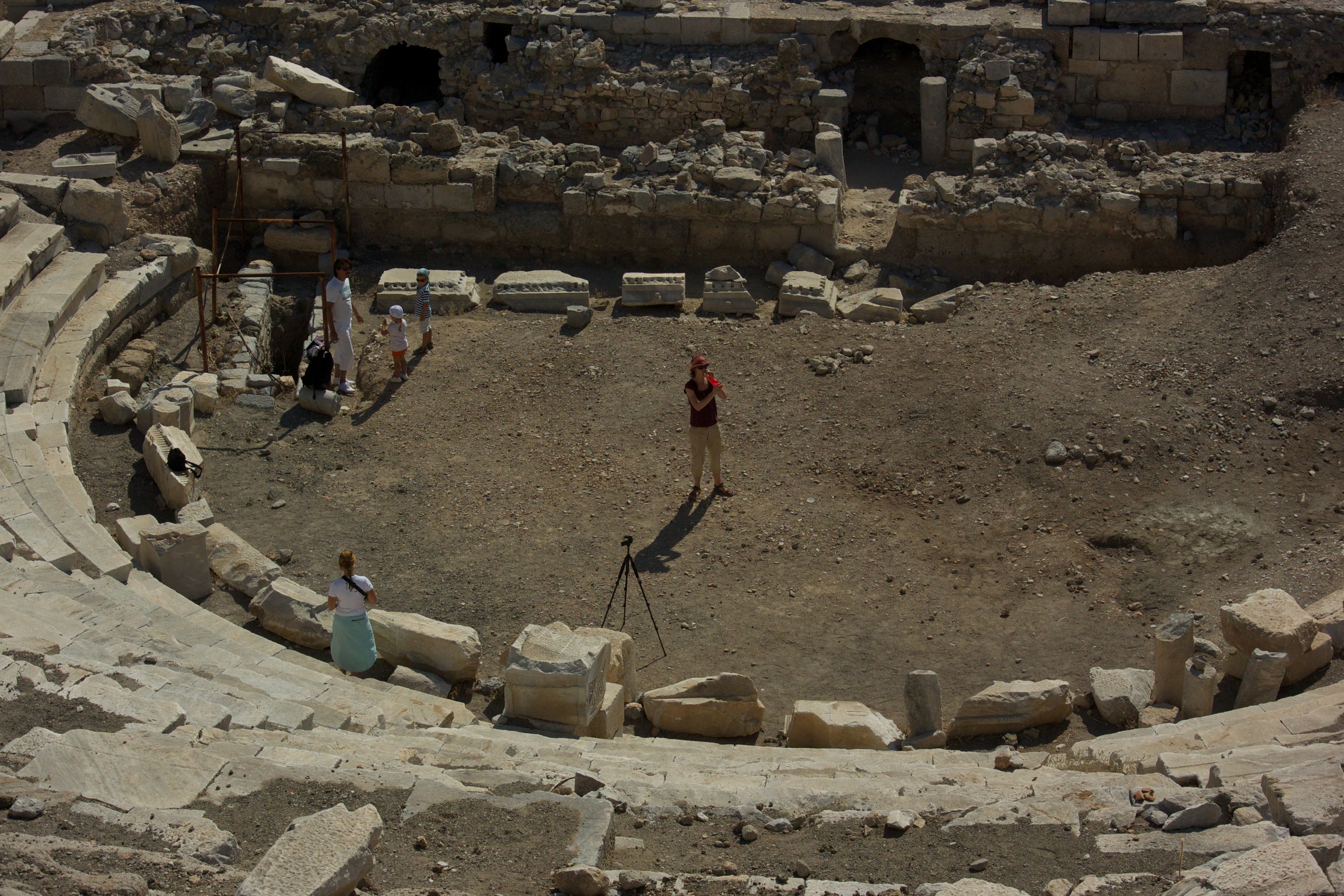
Up to 25,000 people could sit in this theatre in Ephesus, which is bigger then TD place in Ottawa, but smaller then Wembley stadium in London. At the Theatre my Mom & I saw some Dutch people singing hymns. Back in the day when there were no microphones, people would just talk ( not yell) at the bottom of the theatre and everyone could hear them. Amazing, eh?


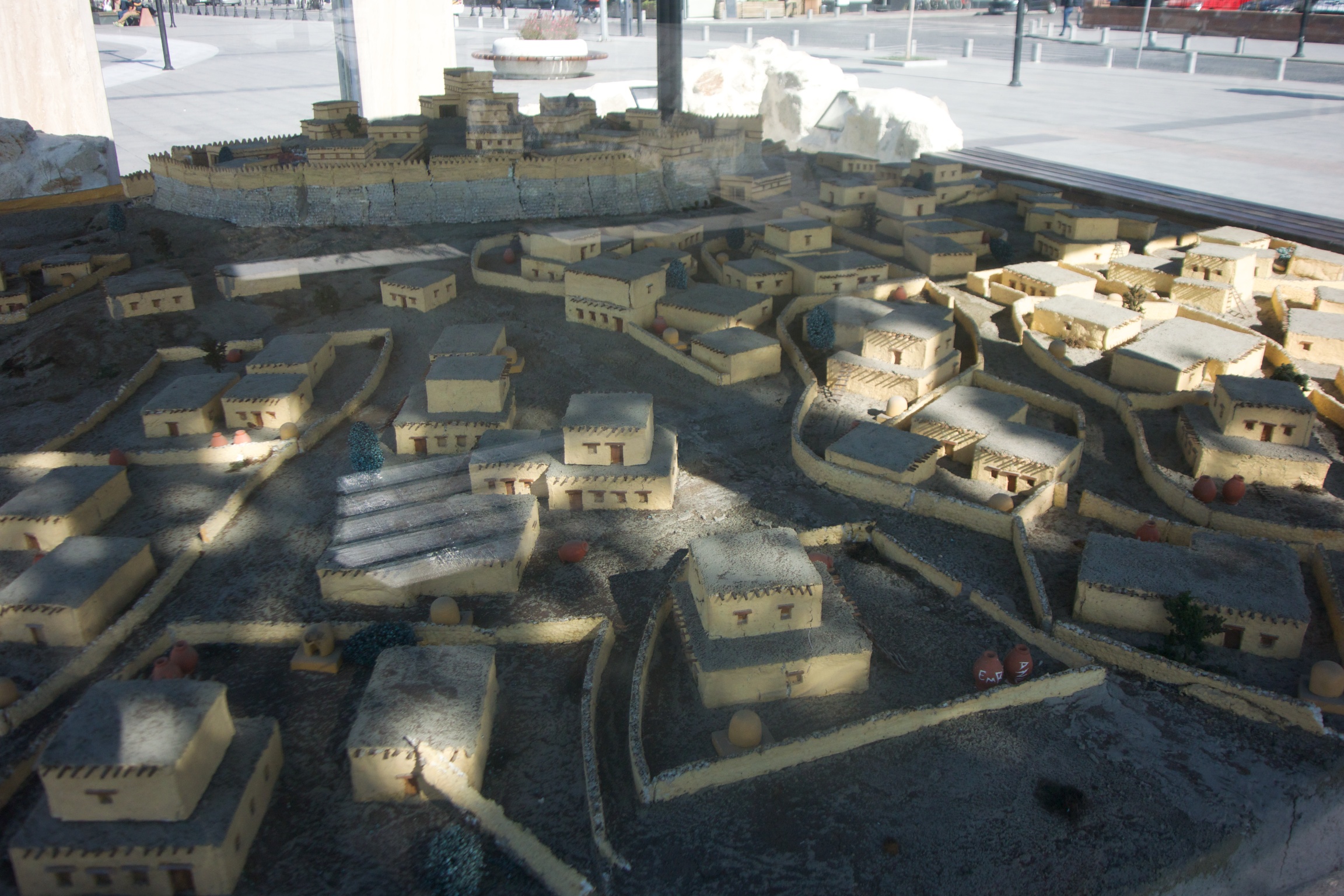
An exhibit of the archaeological excavation of the Terrace Houses at Ephesus

The Terrace Houses

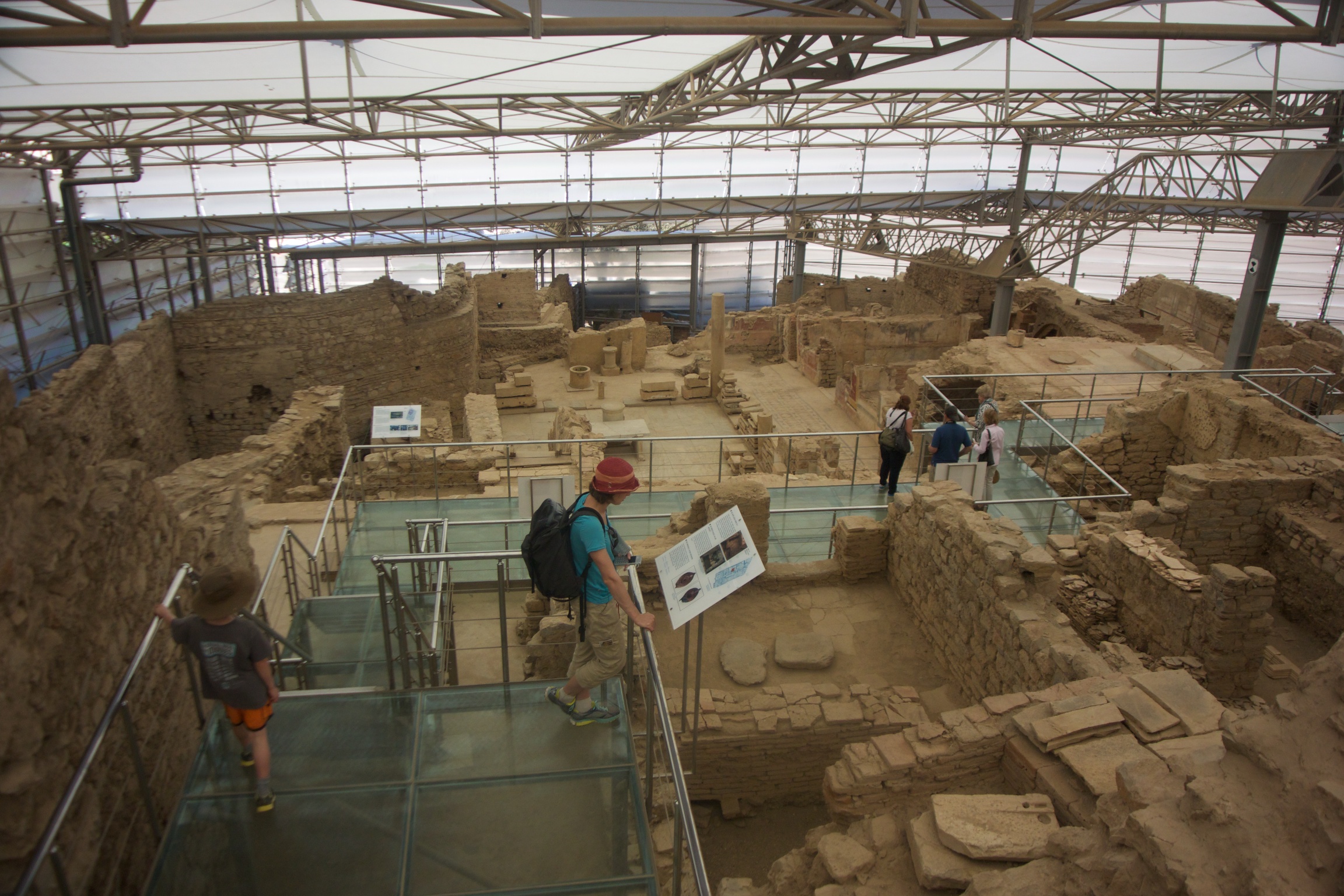
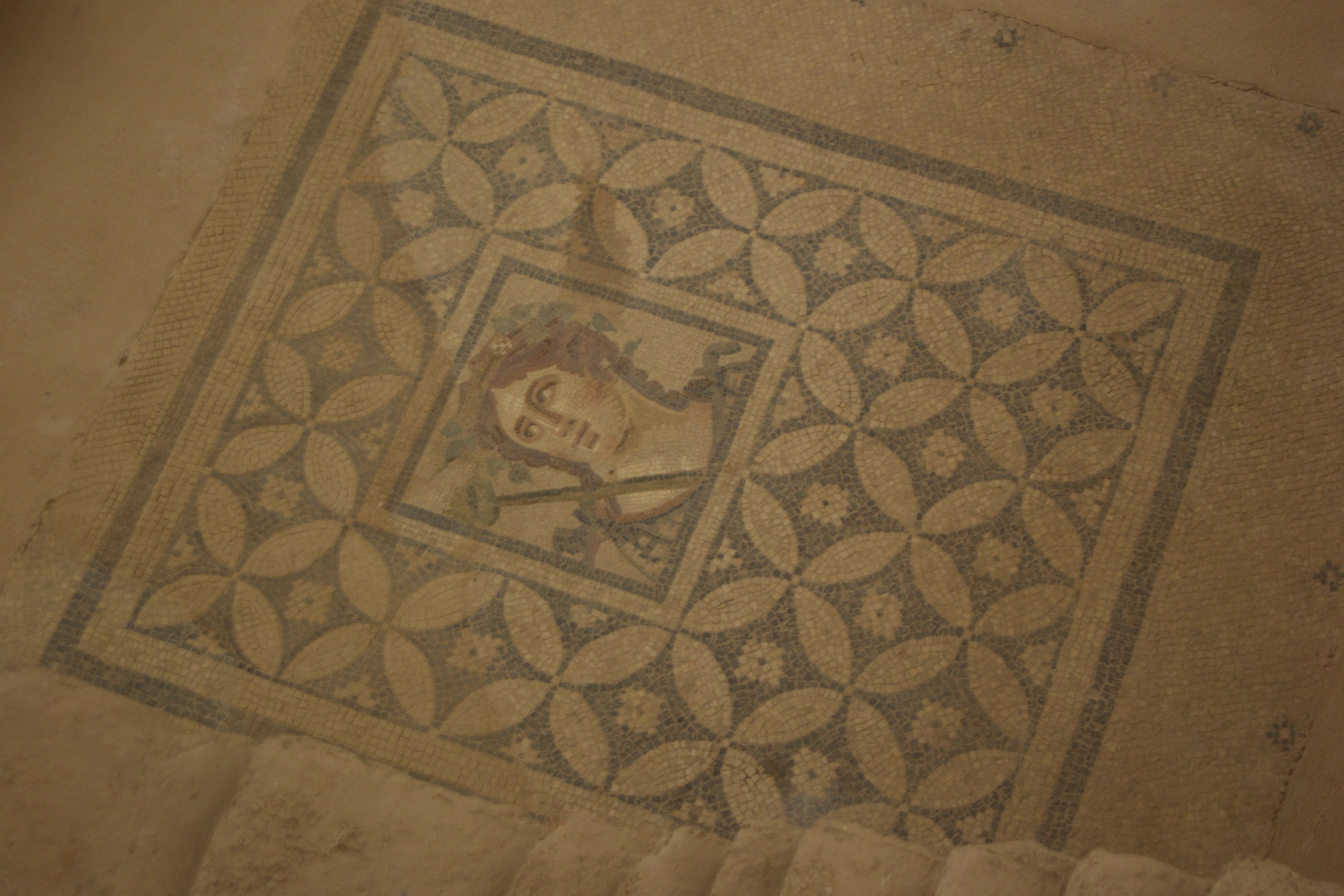
There were 6 "Terrace Houses" where wealthier citizens of Ephesus lived. The houses were stacked up the side of the hill. The houses had heating, running water, and bath tubs. The floors were made out of marble and the walls were made of stones. There were mosaics of Greek mythology on some of the walls. Now archaeologists are studying the houses under a big shelter. If the houses weren't made out of stone, and not in ruins, I might like to live in one of these houses. 


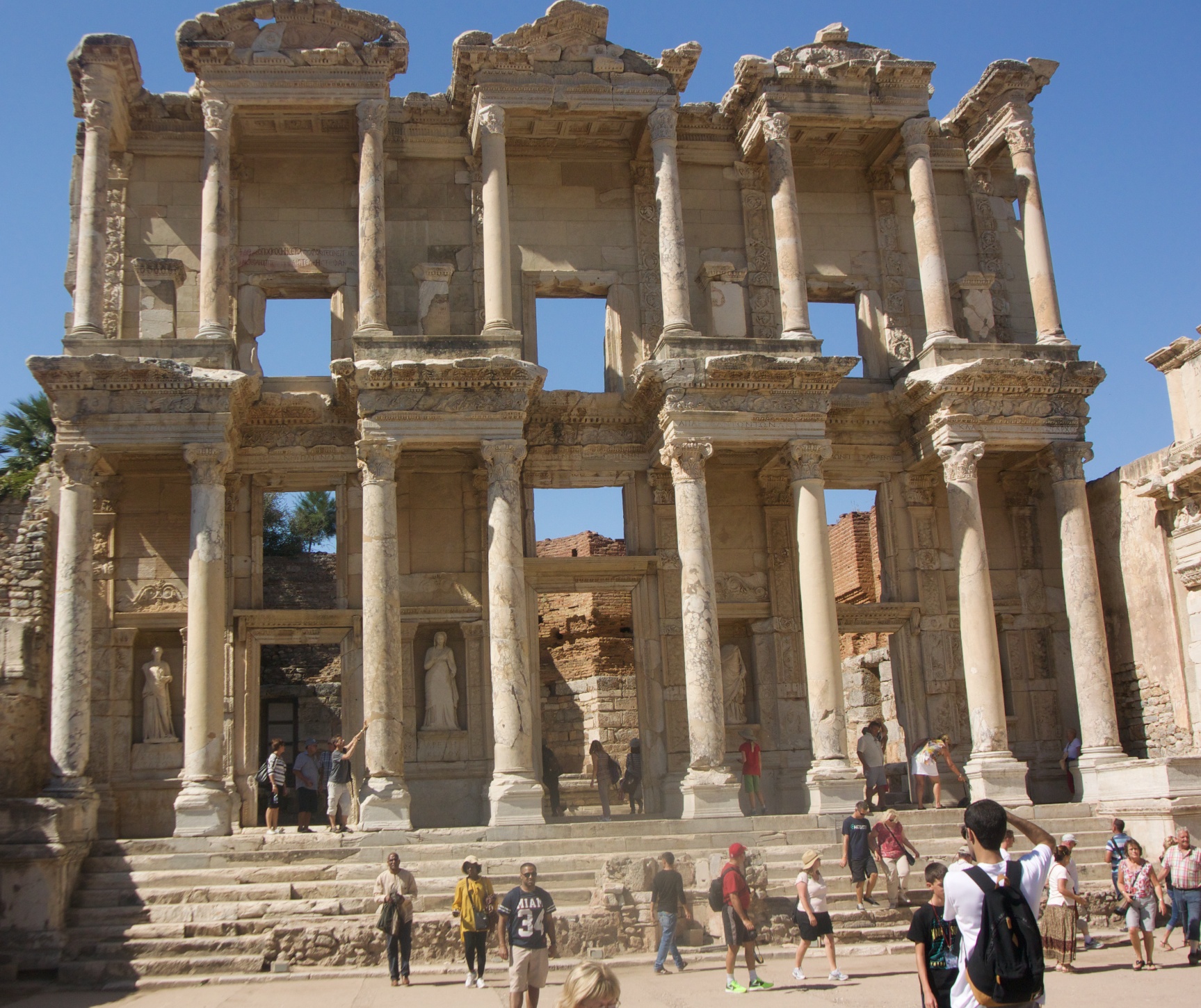
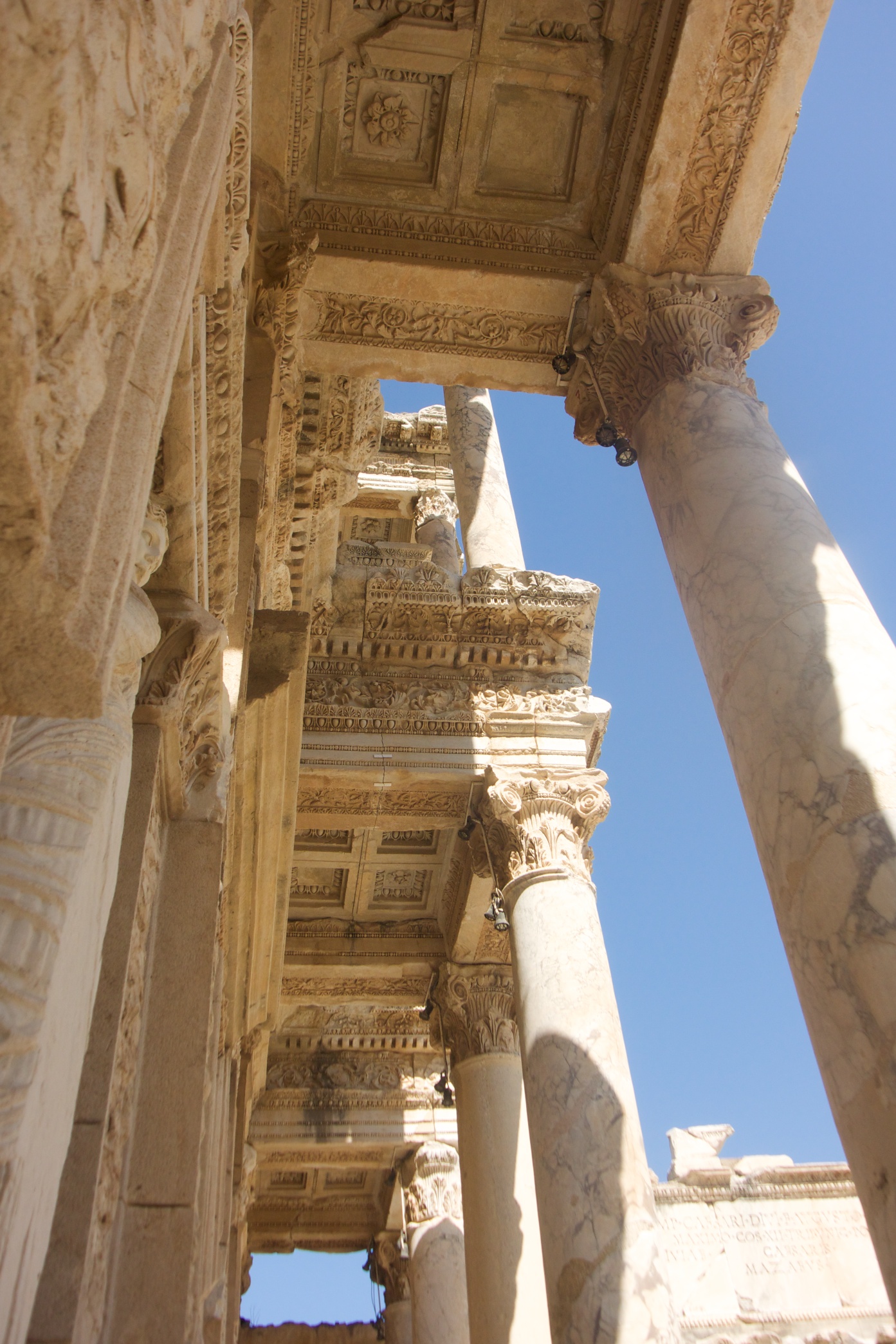
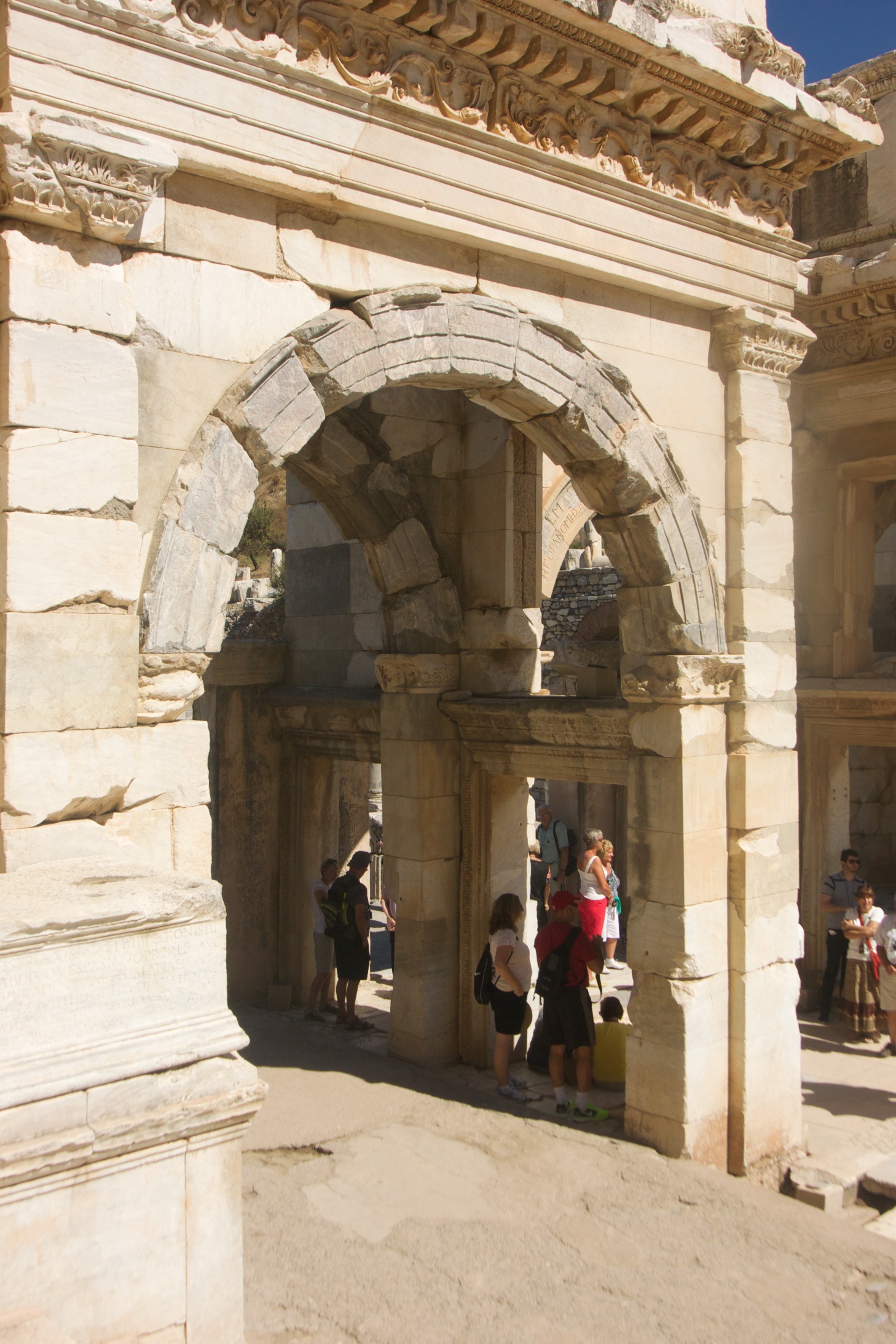
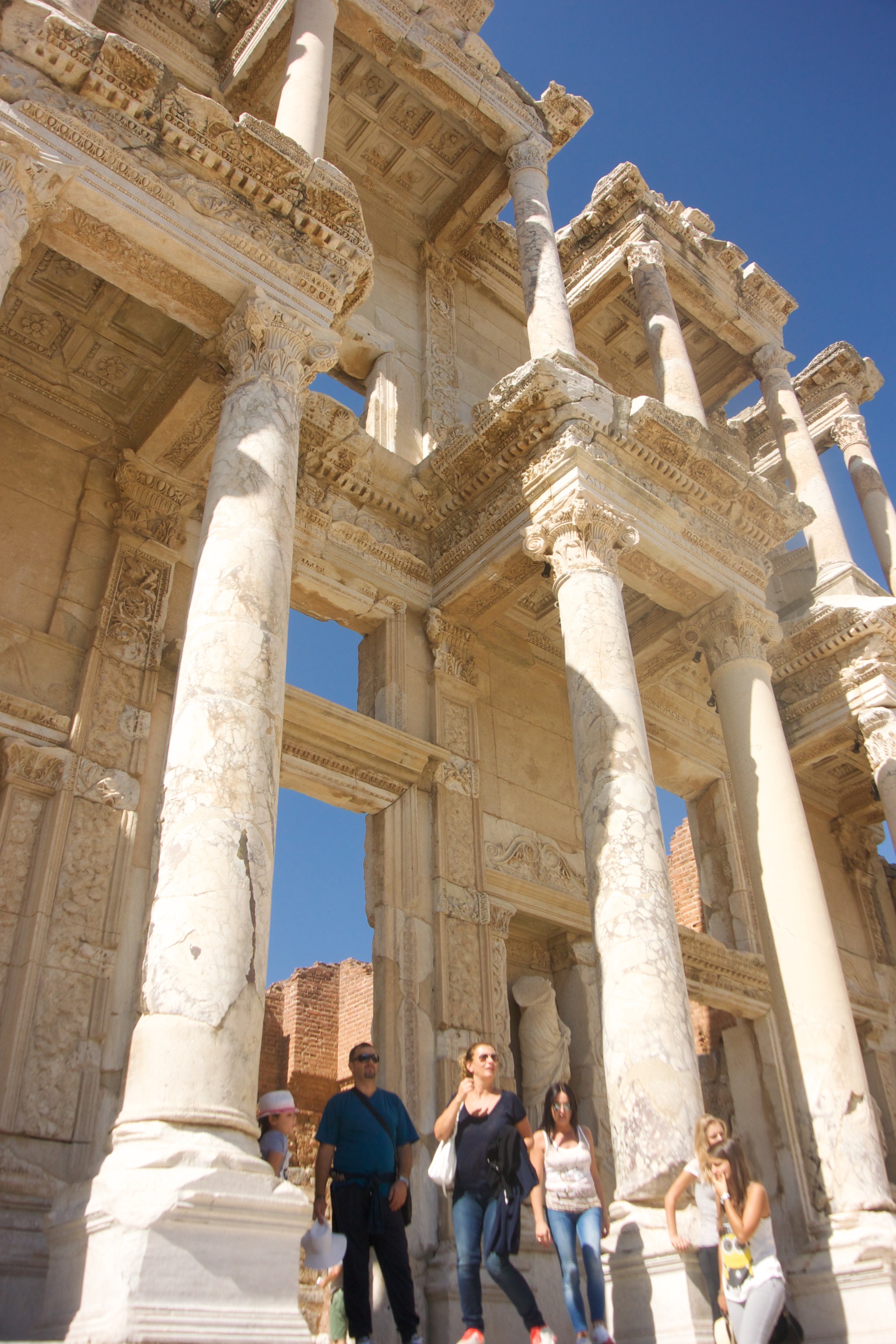
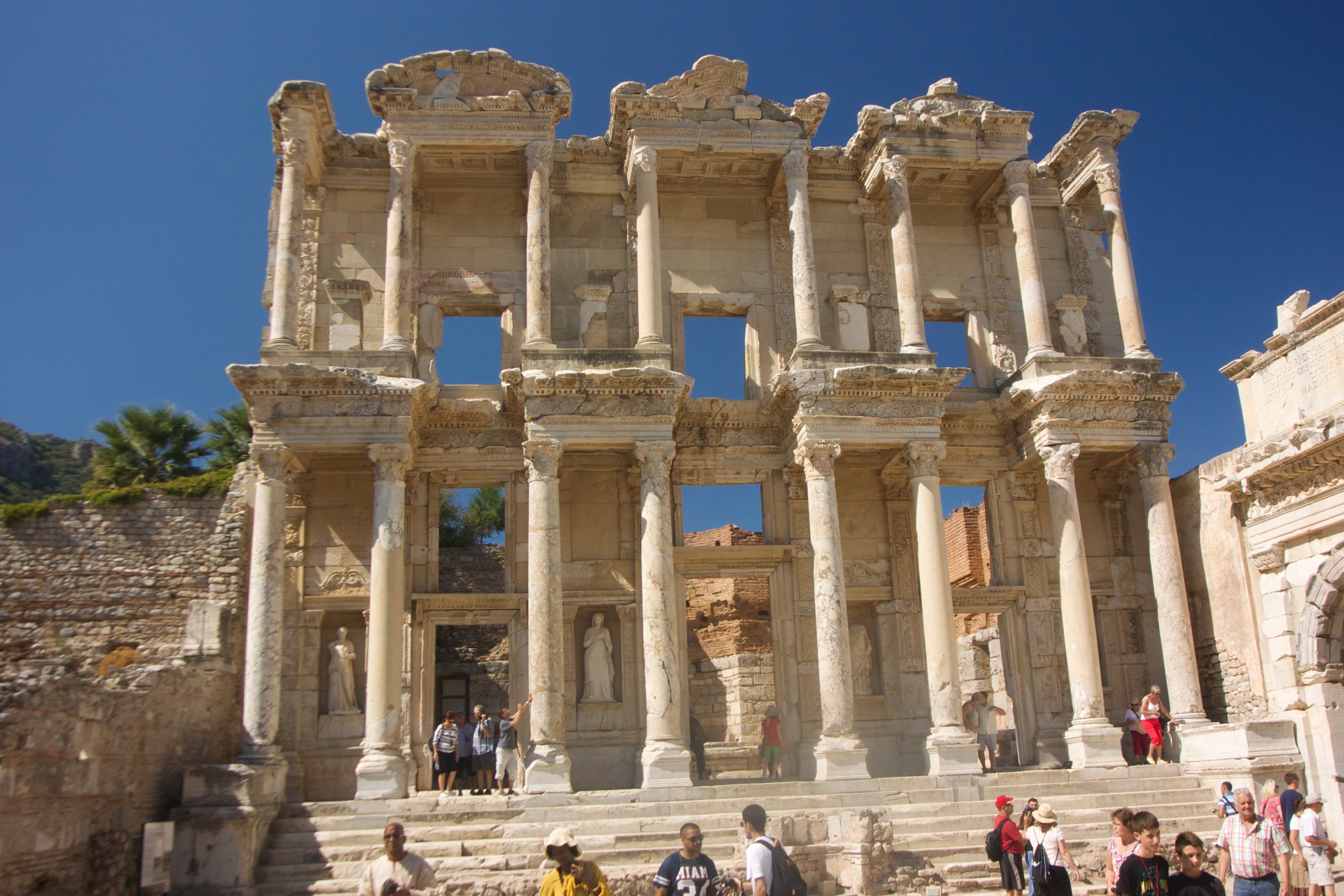
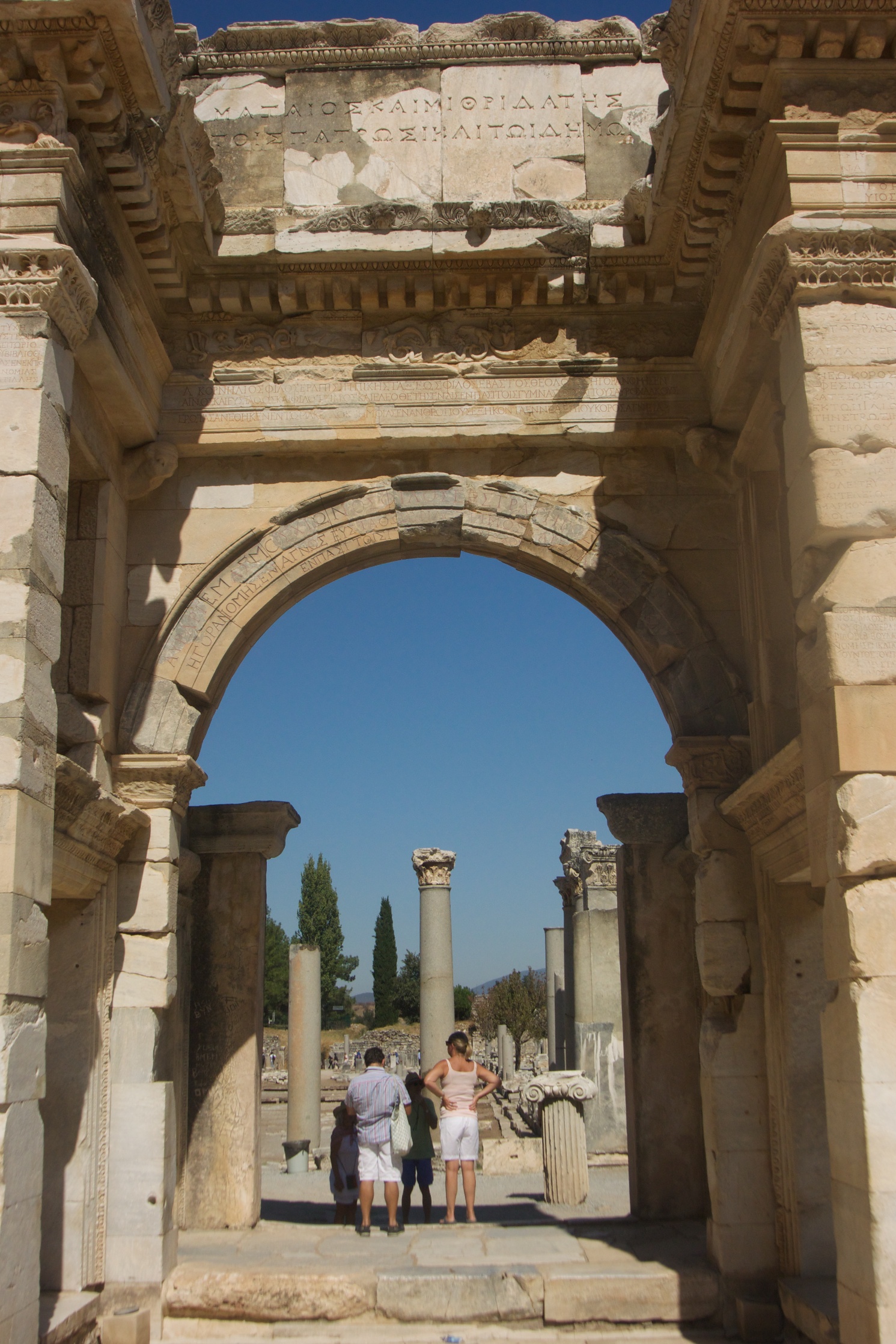
The facade of the Library of Celsus

The Celsus Library

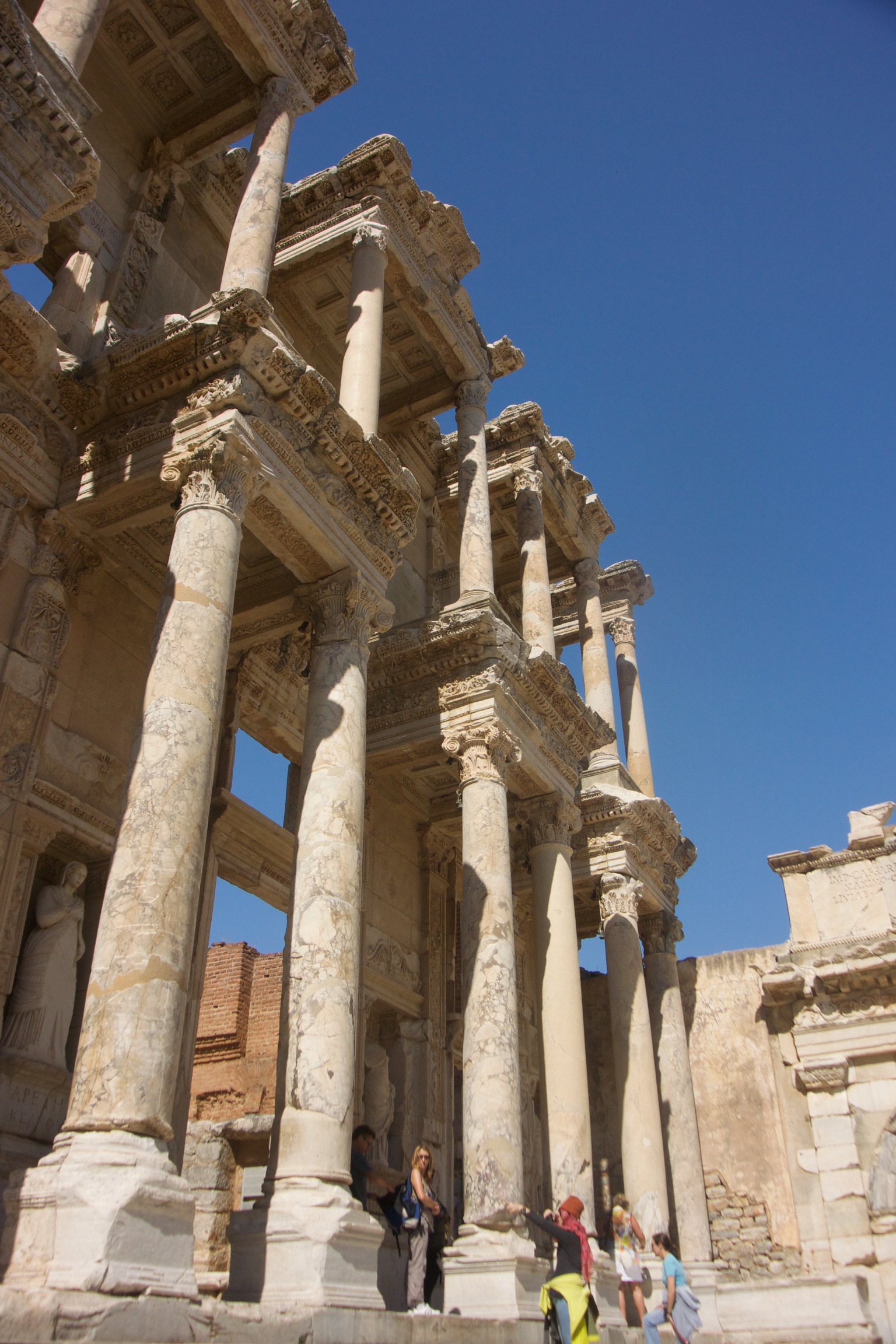
The Celsus Library could hold up to 12,000 scrolls, and keep them safe from heat and humidity.It was the third largest Library in the Ancient World.  


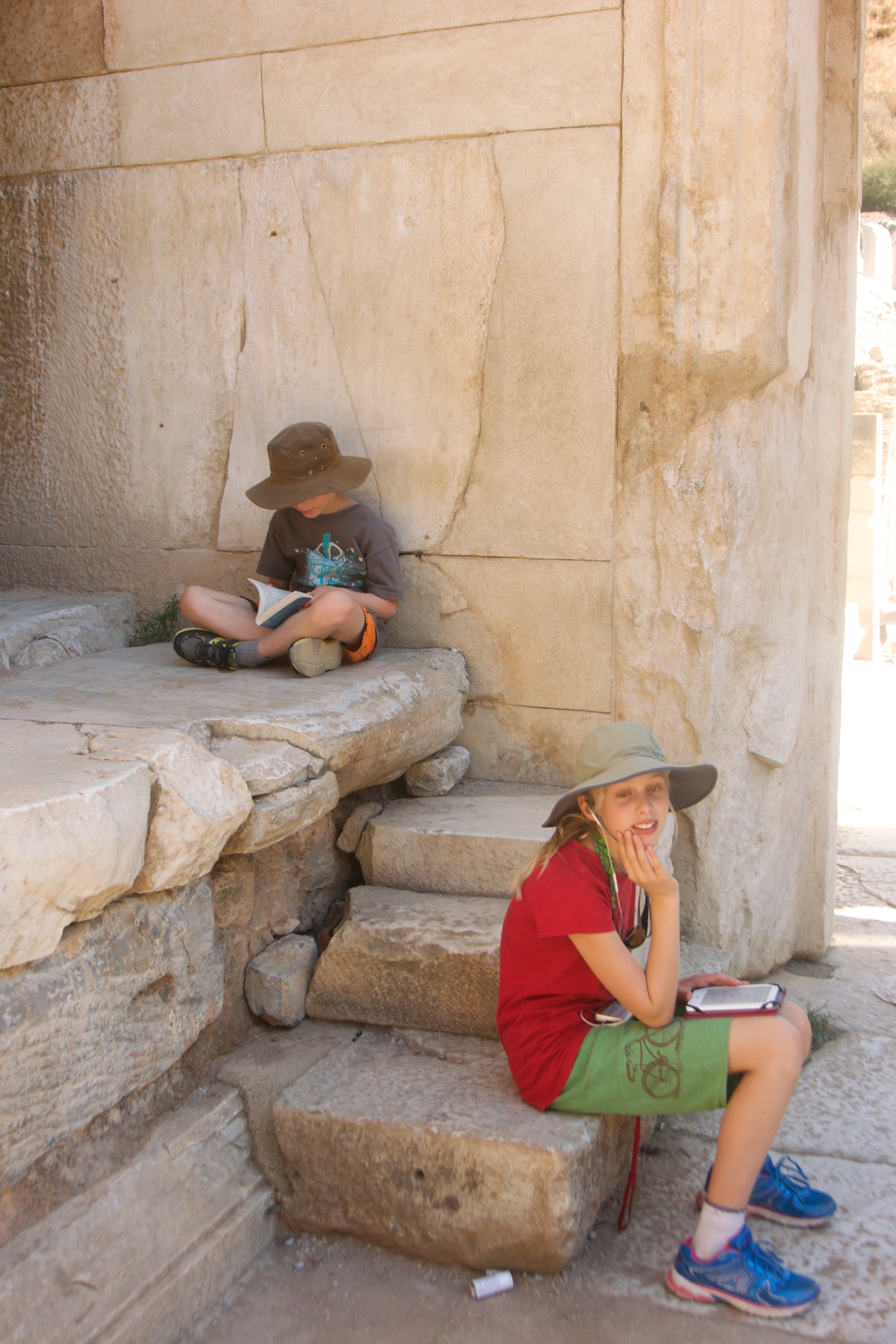
Zoe reading on her Kobo and Isaac reading "Diary of a Wimpy Kid" in the Celsus Library. 


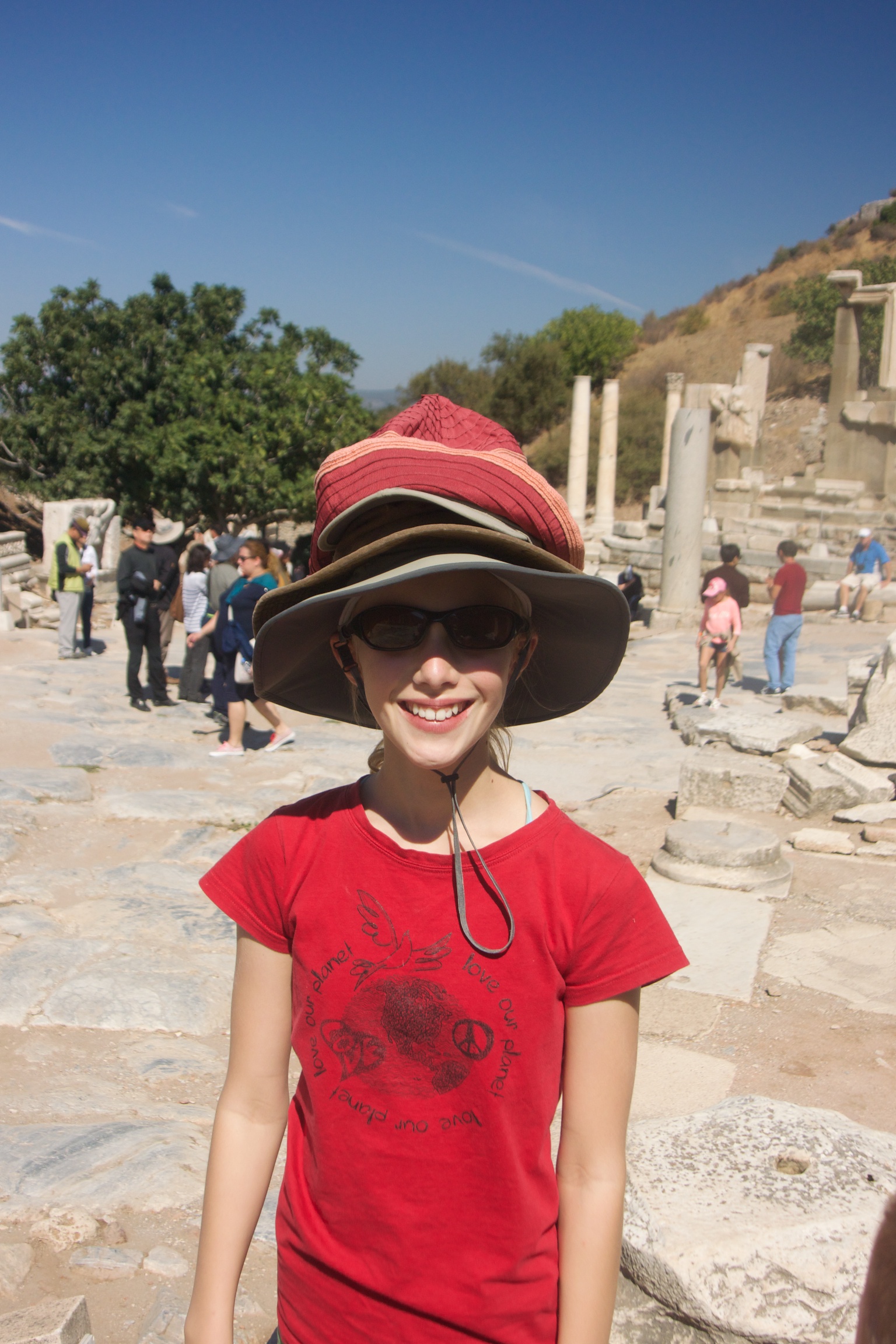
Zoe, Hat Acrobat

Zoe, Hat Acrobat

Zoe's report

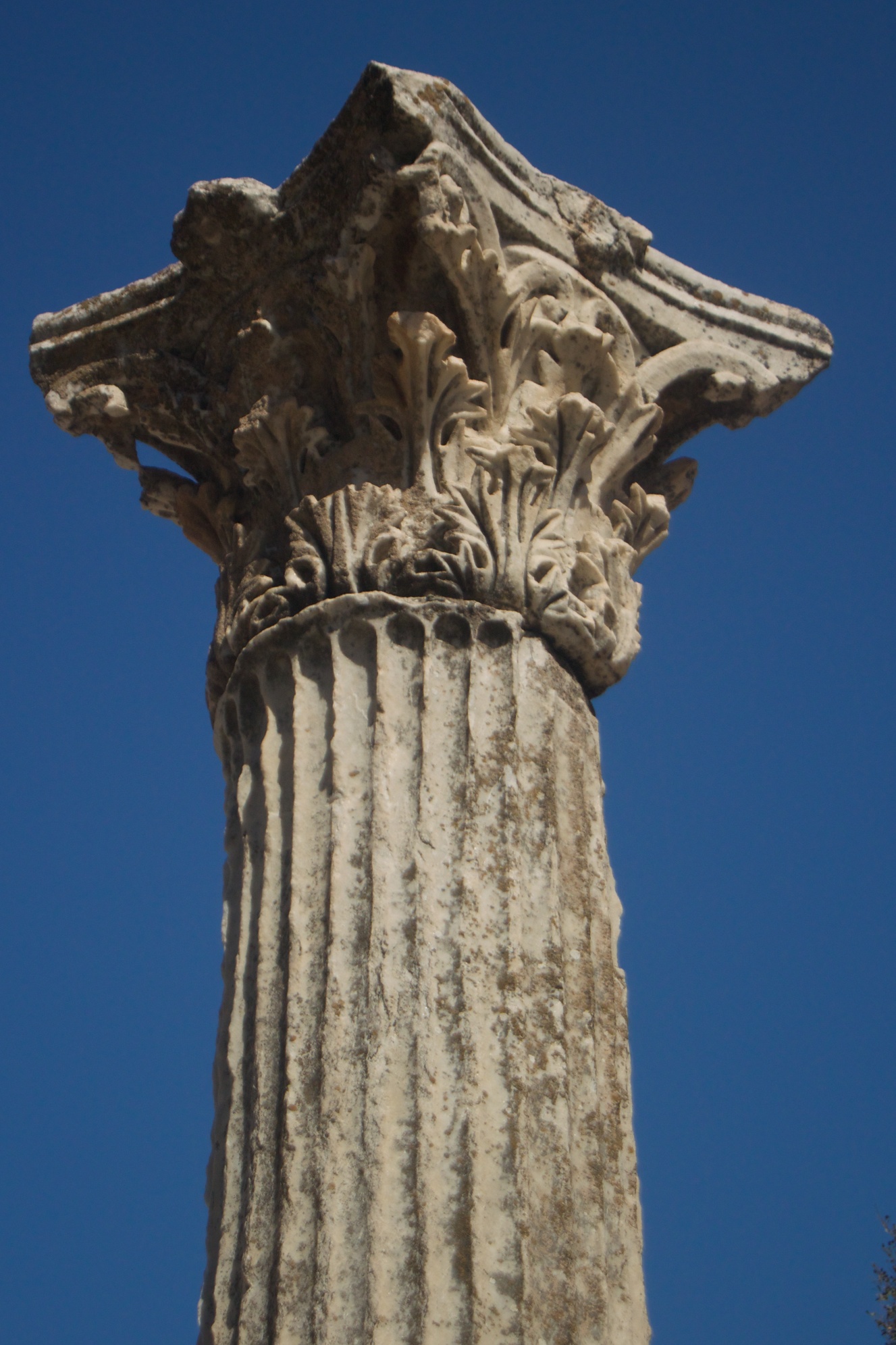
In Ephesus, there are a bunch of old rocks :-). Almost everything was made of marble, although some buildings were made of bricks plated with marble.


Celsus Library facade

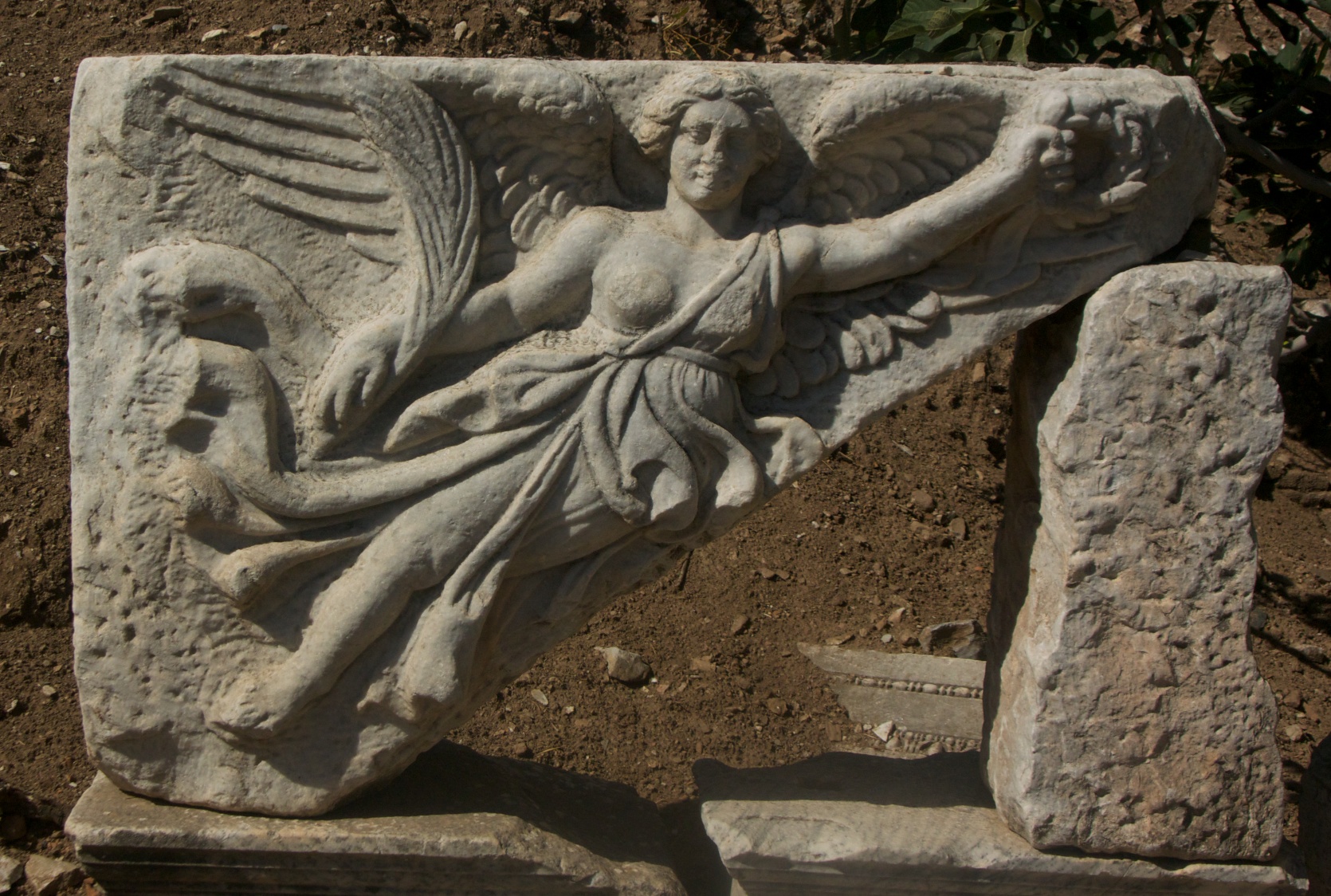
The Goddess Nike -- look for the swoosh!

The Celsus Library

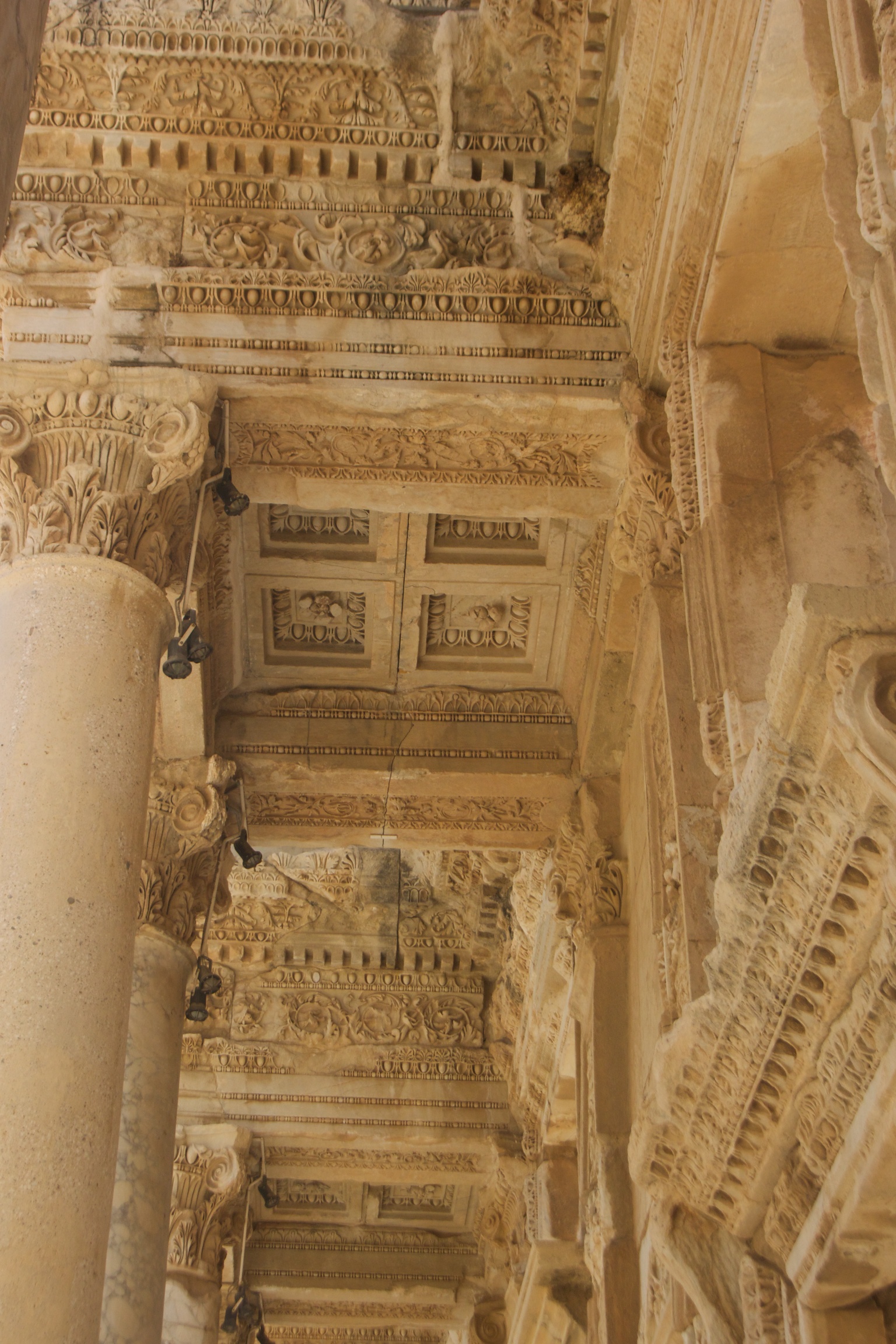
The Celsus Library had a cool facade, but interior was not so cool because the scrolls were no longer there and the stone work was way less intricate. 


The Goddess, Nike

There was a marble frieze of the goddess Nike (left), who was the goddess of victory, (not running shoes).
 

The Theatres

There were two amphitheatres:

  • the Odeon , which held up to 5,000 people and was used for meetings, and,
  • the Theatre, (left) had a capacity of 25,000, and was used for dramas, concerts and later gladiatorial combats. 
The acoustics in the large amphitheatre were so good that If someone were to stand on the stage and project their voice a bit, they could be heard by every member of the audience, provided there was not to much back-round noise.   


More Photos

Here are a few more photos that we took while in Ephesus. 


Talking (in) Turkey

Don't leave home without it....

Don't leave home without it....

Woke up thinking about Turkish grammar. 
Didn't take long. Don't know much about Turkish grammar.
But it made me think of Tanzania and the KiSwahili teacher who was explaining the 15 noun classes who made the observation that it's hard to match the adjectives and the verbs.
Then I was reminded about the French professor from Quebec who insisted on using the joual accent even though none of us knew what the hell he was saying and it occurred to me that thinking about all this stuff was keeping me from thinking about what I wanted to say. 
And isn't that just what grammar is all about? 

Well, not quite. Grammar is important!  But having parachuted into the middle of Istanbul with only our best intentions and our Lonely Planet phrasebook, we've been struggling with speaking Turkish. Okay, more like butchering it. 

Turkish is an old language that was re-organized with a Roman script as part of the first republican president's  secular reforms.. As Dr. Wik E. Pedia continues: 

The distinctive characteristics of Turkish are vowel harmony and extensive agglutination. The basic word order of Turkish is subject–object–verb. Turkish has no noun classes or grammatical gender. Turkish has a strong T–V distinction and usage of honorifics. Turkish uses second-person pronouns that distinguish varying levels of politeness, social distance, age, courtesy or familiarity toward the addressee. The plural second-person pronoun and verb forms are used referring to a single person out of respect....

Okay, now I'm thinking too much about Turkish grammar again....

But there is hope. So far, we've done remarkably well by using just a few Turkish phrases  -- merhabe (hello), teşekkür ederim (thank-you), istiyorum lutfen (i would like please)-- broken English and clueless tourist gestures. Most students speak at least a bit of English, and the shop owners have been very patient with us.

But I'm still tripping over my tongue to correctly pronounce:

  • the regular "s" vs. the "ş" (shh),
  • the "C" (said as a "j') vs. the " {C}{C}{C} {C} {C}Ç" ("ch-"), and
  • the i-with-a-dot ("eee") vs. the I-with-no-dot ("uh"), which poses a challenge for my middle-aging eyes...

On the other hand,  I've been surprised about how quickly I've started to understand a few words. For instance, the guys at the video game cafe who asked Isaac and I if we wanted  to have FIFA 15 with "playerone or playertwo"? Or the otobus driver who helped us get from the istasyon to the otel, or the taksi driver who swore so piously about the trafik problem....

Okay, I admit that I'm getting by on cognates right now. But thankfully there are a tonne of words that look just familiar enough to what I know of French or Arabic-influenced KiSwahili to get us started. The rest will come with practice. Iki türk kahvesi stiyorum lutfen!

inşallah, with enough hard work and the kindness of strangers, we'll be talking (in) Turkey before too long.  

Sonra görüşürüz!


Making war history

September 25-28, 2014 / Canakkale & Gallipoli, Turkey


We recently enjoyed three nights in the town of Canakkale (pronounced "Cha-nak-kah-leh", with an "cedi" on the first C, natch).  

Canakkale is on the Dardanelles, the waterway that connects the Mediterranean and Aegean Seas with the Sea of Marmara and then the Black Sea (via the Bosphorous at Istanbul). It is a much smaller and calmer city than Istanbul, which worked well since the kids were ready for a break. 

Historically, Canakkale is notable for two wars:

1. The Trojan War as described in Homer's Iliad  and as seen on TV

Unfortunately, because the weather was wet, we didn't make it out to the actual site of ancient Troy. Instead, we went to the Canakkale Archaeology Museum, which houses a number of the artifacts that weren't looted by the Russians.  For a long time, academics believed that the battle of Troy was merely part of the vast volumes of Greek mythology, what with its interplay of gods, beauty-pageant goddesses and muscled heroes who wouldn't look of place in a modern WWE contest. But excavations by Indiana Jones type treasure hunters and later more careful academics fond that there were actually seven Troys, all piled upon one another like so many layers of historical sediment. 

Was there actually a Trojan horse? Sure! I've seen several around here (see the photos). 

2. The Gallipoli Campaign of World War 1 in which the Ottoman Empire successfully defended Turkey from an invasion by the combined forces of the British, French, Australian, New Zealand and Newfoundland (then a British territory). 

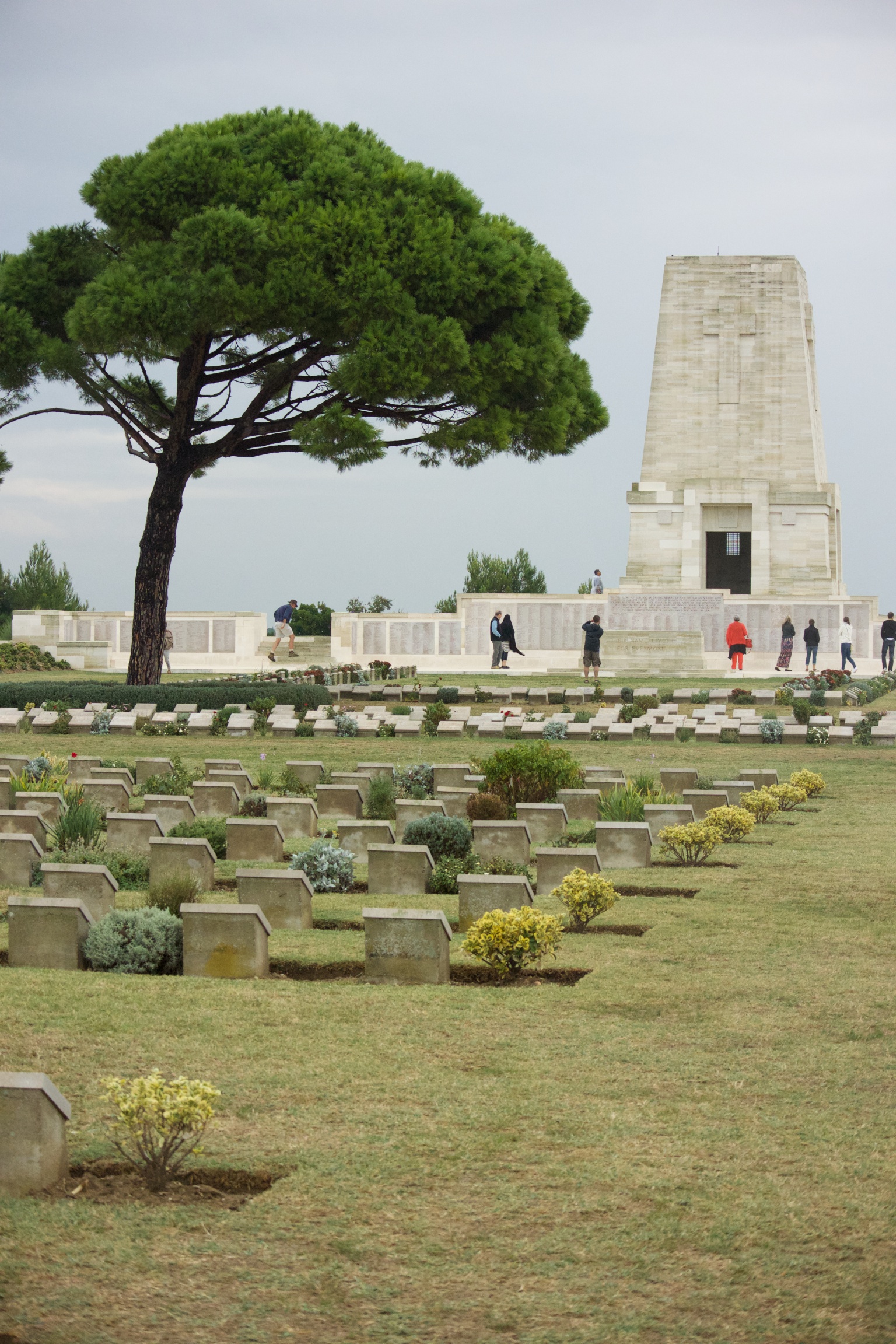
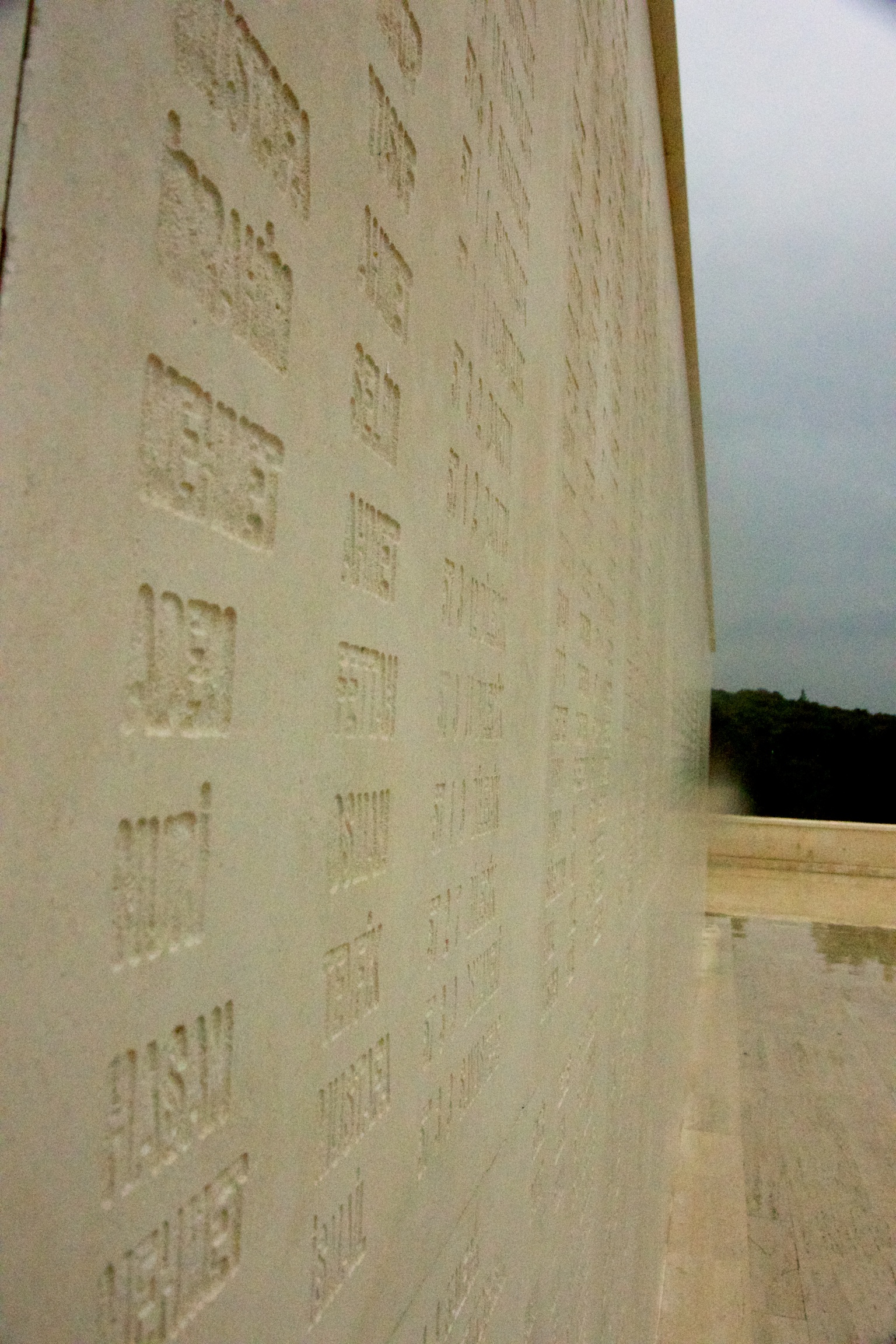
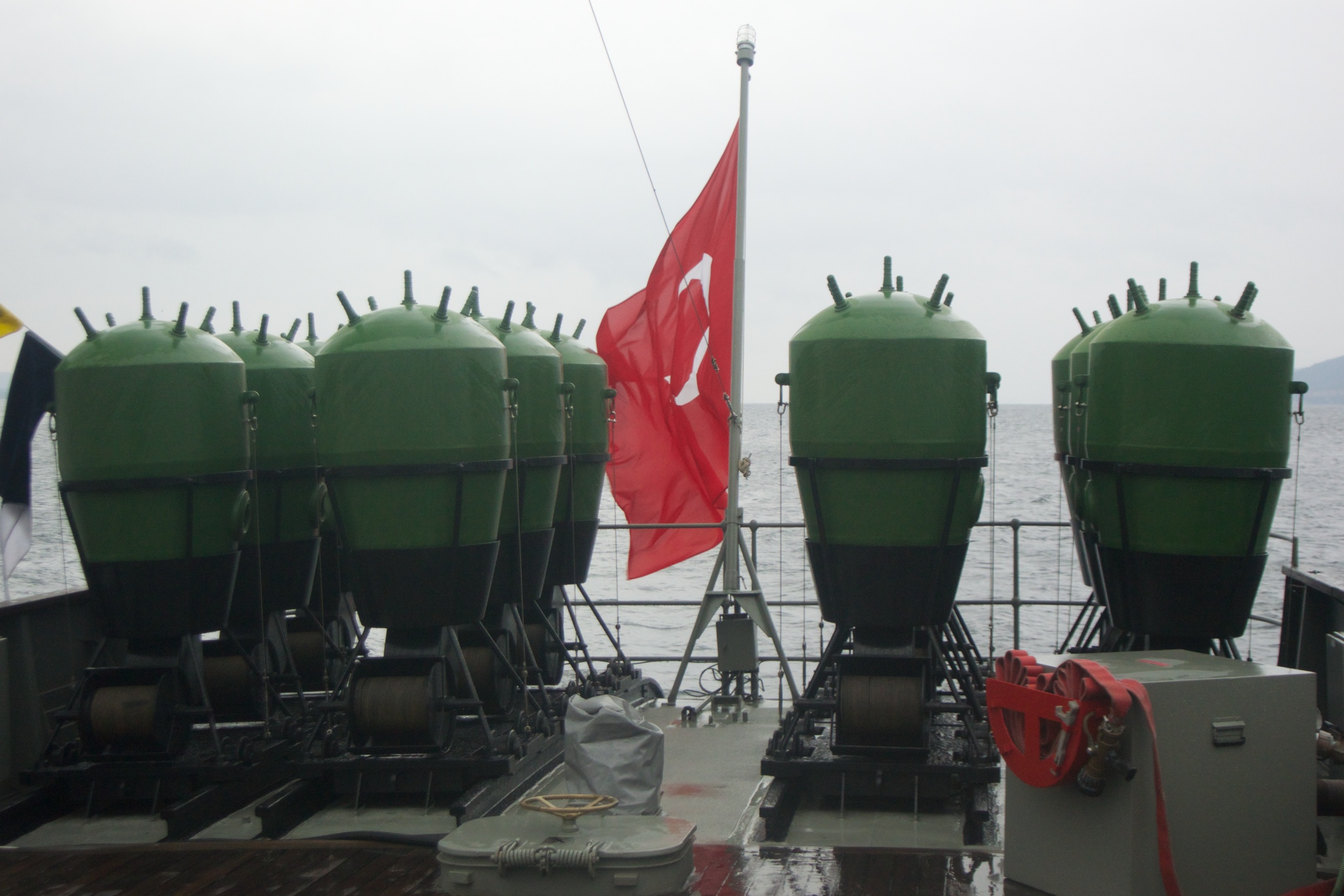
We did, however, manage to take a rainy-afternoon tour of some of the WWI cemetery sites on the Gallipoli Peninsula. Our tour guide was extremely knowledgeable, although he had a puzzling way of inserting a rhetorical question into every sentence: "The ANZAC soldiers were pushing up the hill. To where? To the Turkish positions ....".

As he explained, the conditions were brutal for the soldiers on both sides: mud, heat, awful (even by British standards) food, lack of drinking water, lice, extreme cold and frostbite, and of course, intense machine gun fire and shelling -- often between soldiers hunkered down in trenches that were 20 metres apart. Nearly a hundred thousand soldiers -- some say more -- died during the nine months of this battle. Their names are now engraved in dozens of Turkish and Allied memorials throughout the peninsula. 

The guide was fairly even-handed in how he told the story, which would be tricky given the significance of the battles for the Turkish people and for the thousands of Aussies and Kiwis who make a pilgrimage here to pay their respects. 

The best moment of the day, however, was watching an Aussie tourist taking photos with a group of Turkish students. It made me wonder if their ancestors who fought here would have ever imagined a time, just two generations later, when their descendants would be shooting selfies instead of each other. And if today's soldiers could imagine this, would they still fight? 

As our tour guide might say, "May all wars become what? ....Ancient history."

Instantbulagram #3: live in technicolour

A few more snaps from our week in Istanbul. 

Torres! Torres!

On Saturday, I went to the Grand Bazaar and I bought a football jersey (no. 9, Fernand Torres, of Spain).

The owner of the shop asked for 45 TL (about 22 Canadian dollars). After waiting a long time and discussing it with Mom, I then offered him 25 TL. He said yes and he kissed me twice and told me that I was a good businessman. 

The next day, I went to a local futsal court. Futsal is like football (soccer), but in a tennis court with screens on the outside, artificial grass and tiny nets. when I got to the footsall court some boys saw my Torres jersey and started saying ''Torres! Torres!'' and I realized they were talking to me. I started to play footsall with then even though I couldn't speak Turkish and they couldn't speak Englesh very well. It was fun. 

IMG_1308.JPG


Instantbulagram #2: the extreme renovation episode

In which we view two historically-significant and sacred tourist magnets in a desirable neighbourhood.  

Aya Sofia

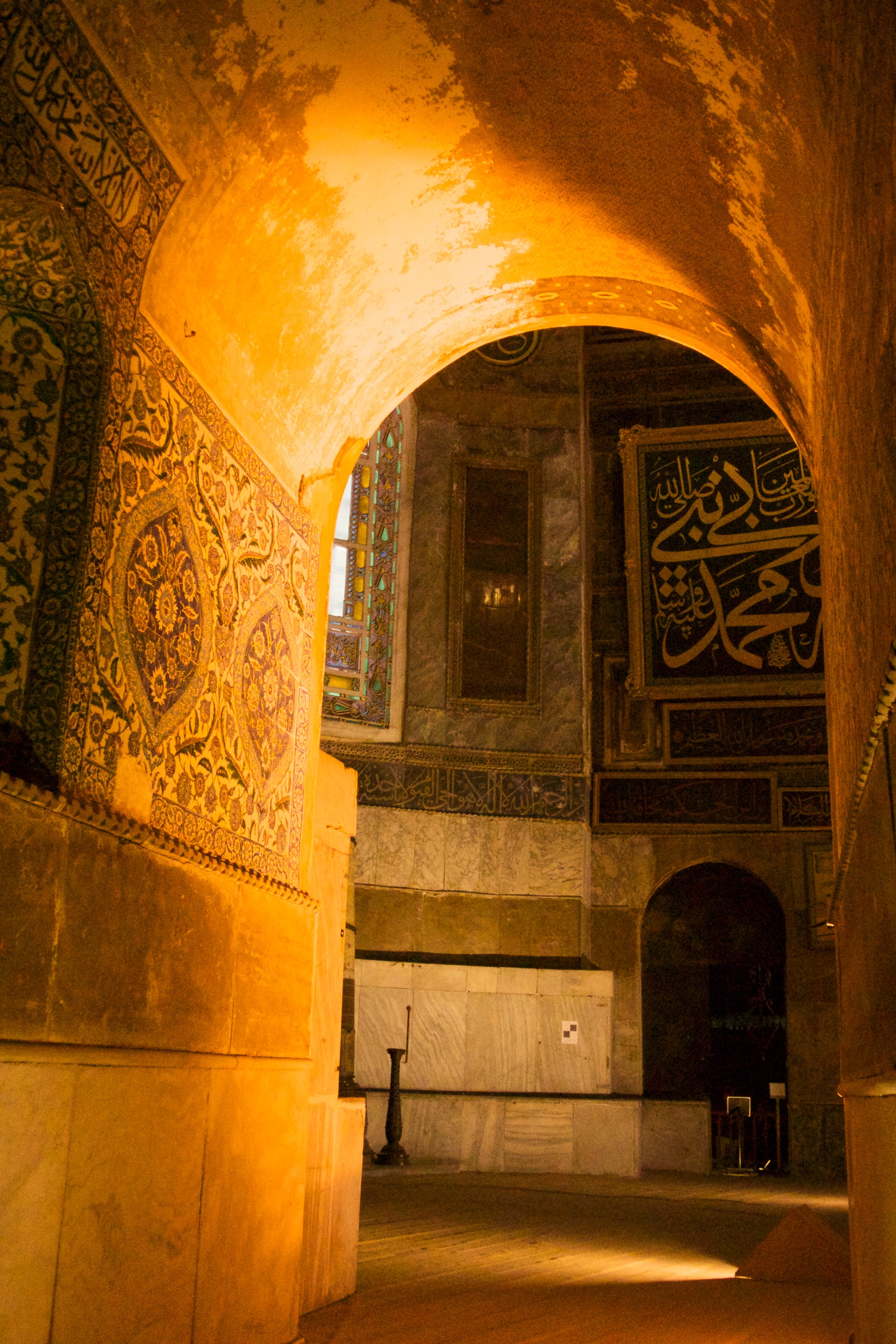
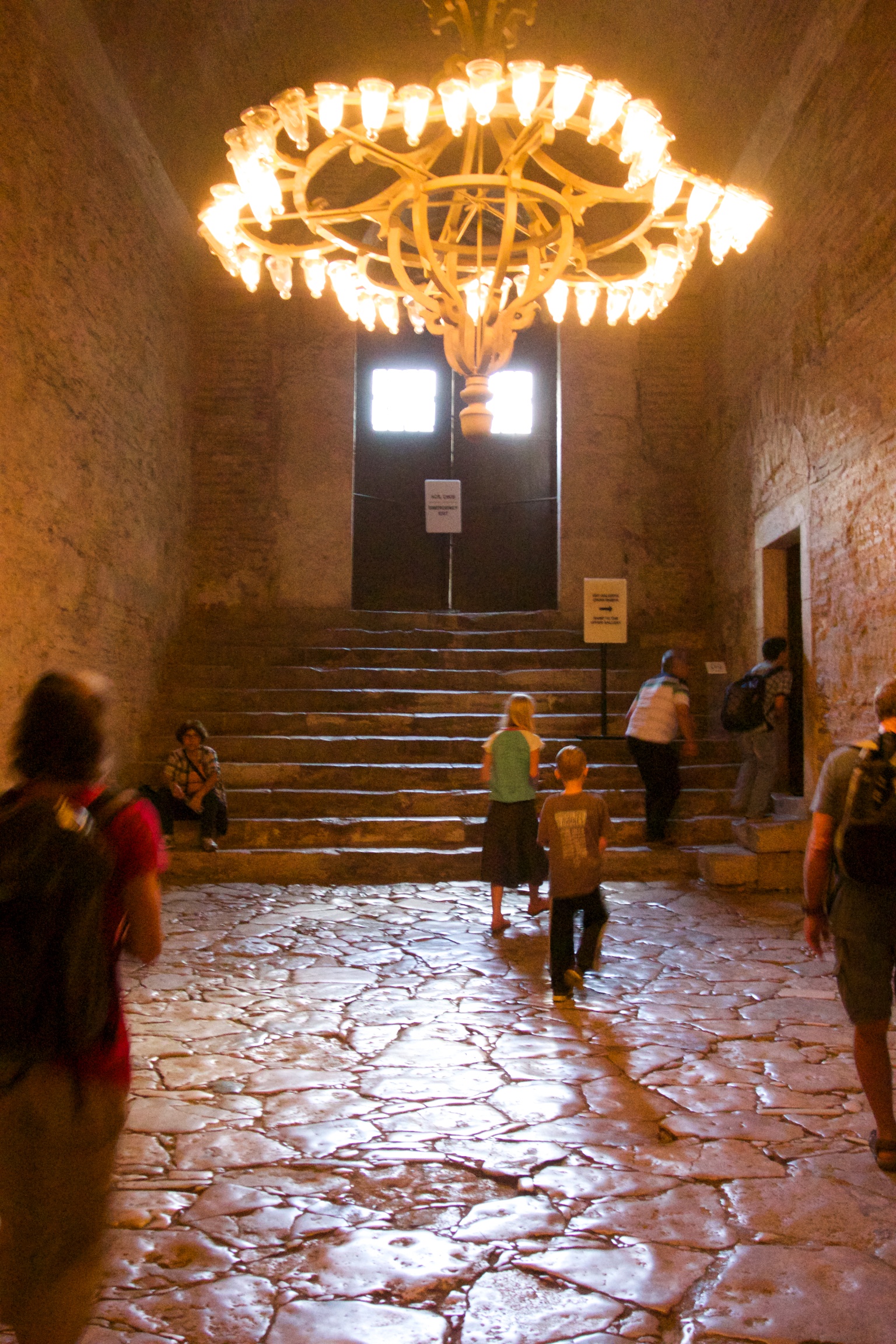
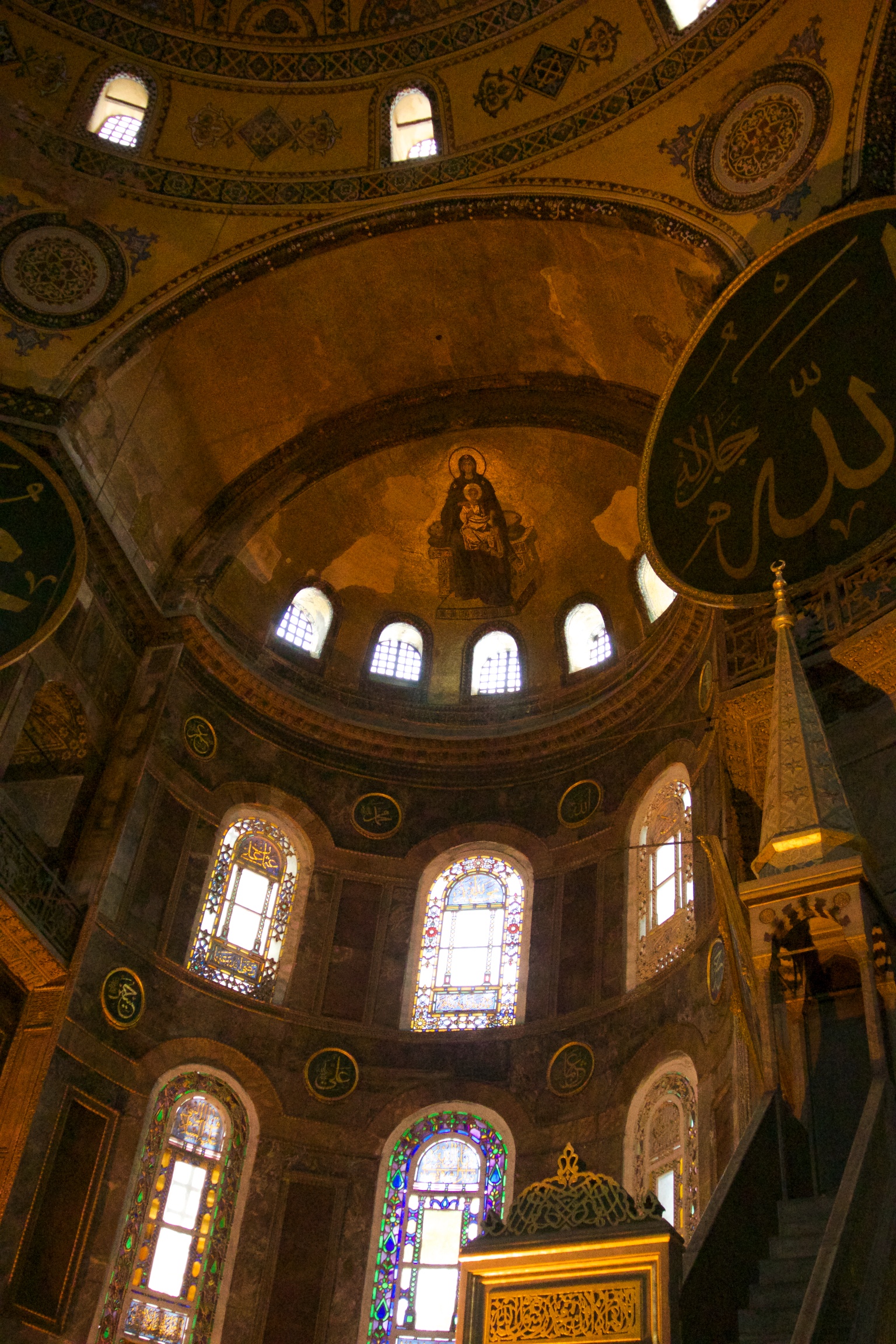
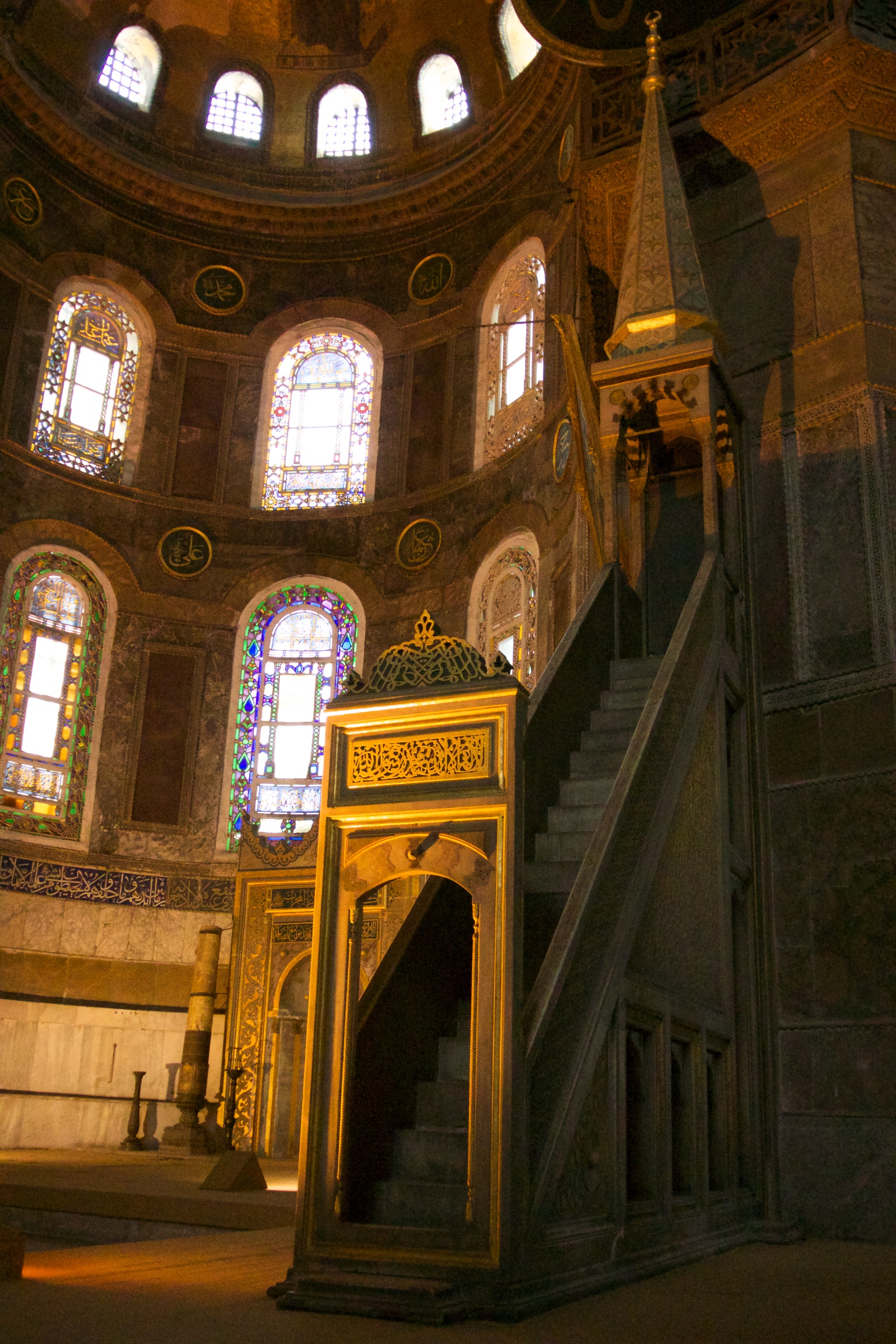
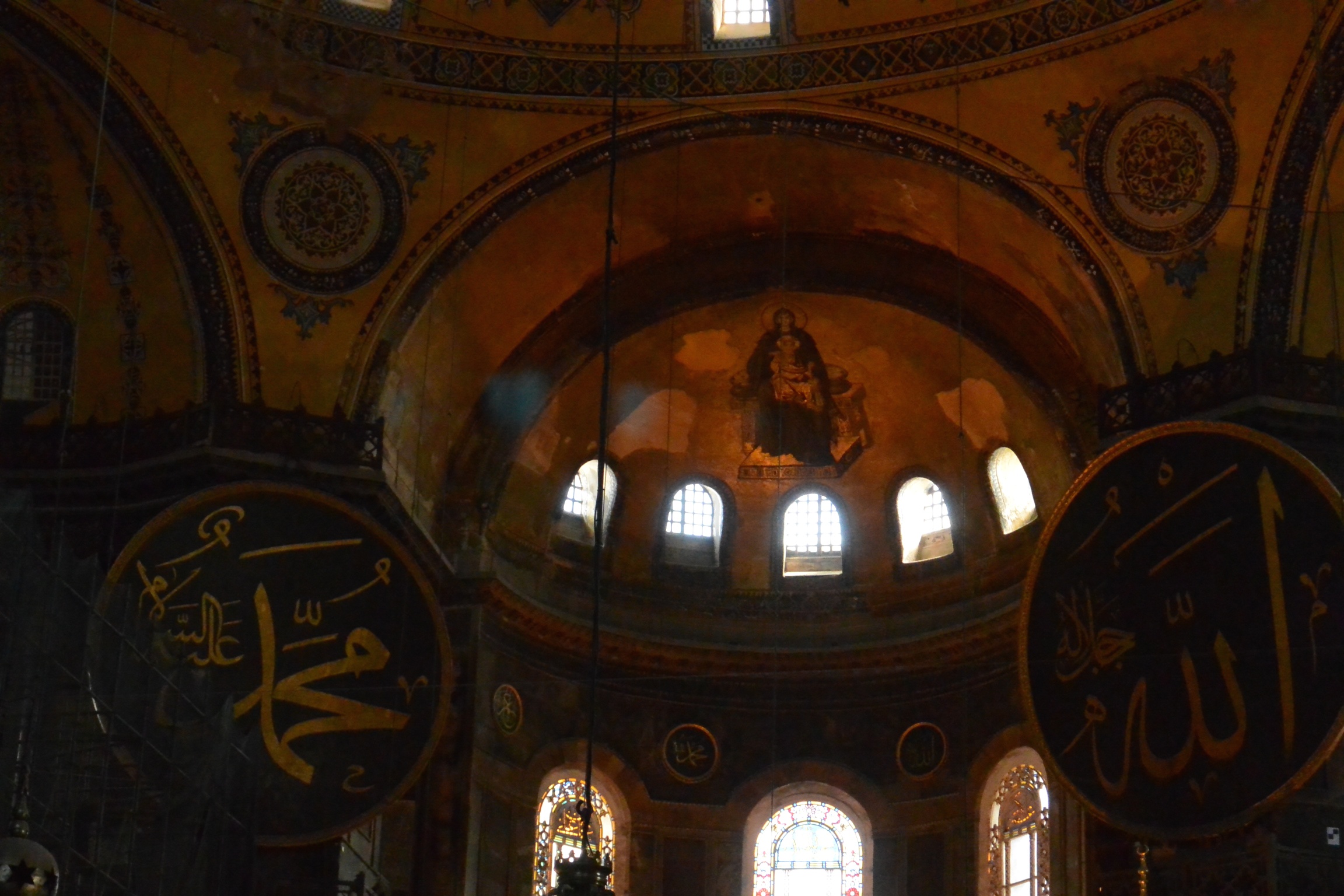
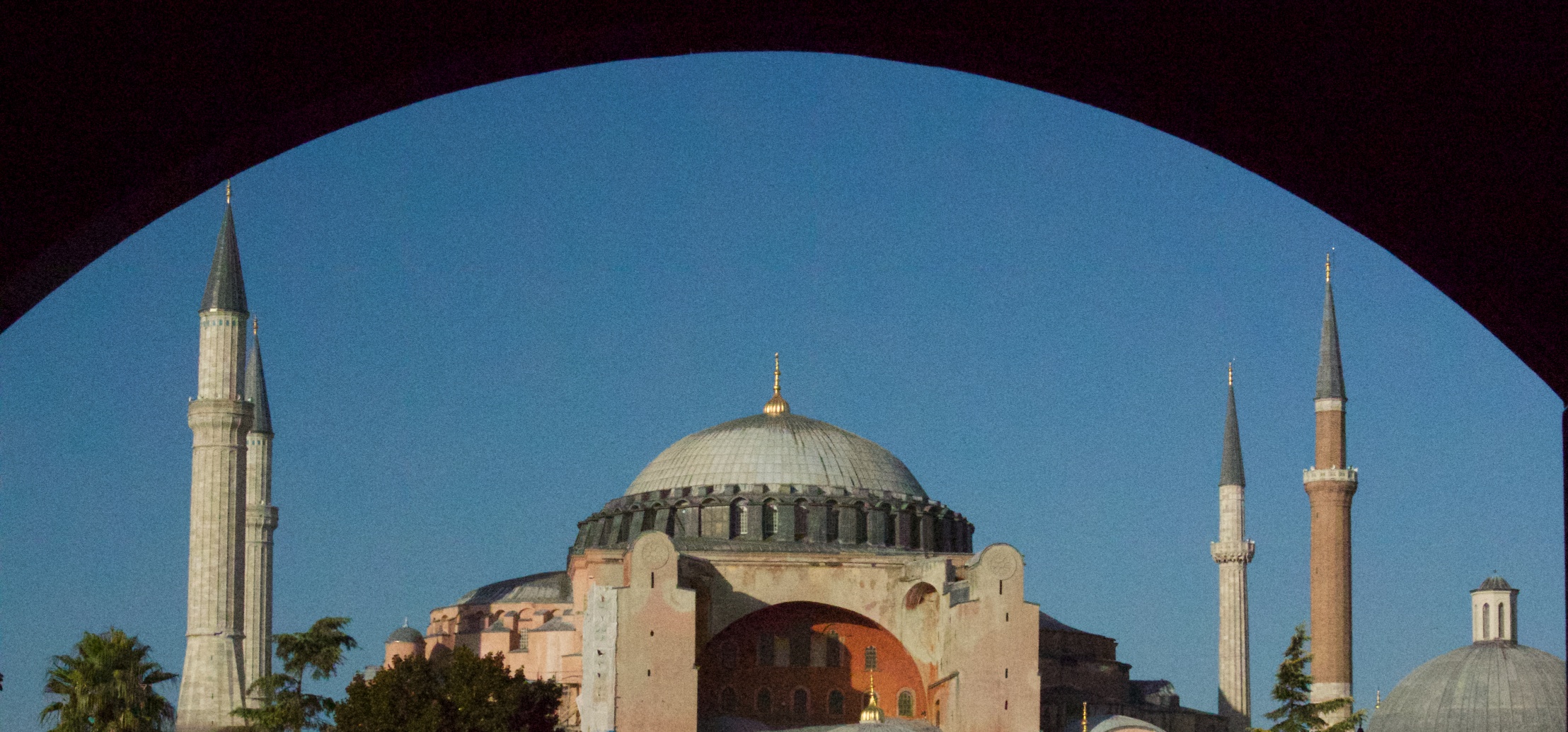
The Aya Sofia (nee Hagia Sophia) is a massive stone building that has undergone more radical changes than any house on the Home Renovation shows that my dad likes to watch. 

It was originally built in Constantinople and consecrated as the Hagia Sophia church by the Byzantine Emperor Justinian in 537 AD. Subsequently, the building underwent further renovations by earthquakes, Crusaders and iconoclasts who favoured a minimalist ascetic/aesthetic -- each added their own peculiar touches to the layout and facade. 

Then in 1534, the Ottoman Sultan Mehmet II purchased the building in a multiple-offer bidding war -- or more likely just a war  -- and he undertook a major renovation to transmogrify it into a mosque. However, he left some of the original Christian mosaics due to its heritage-building designation. 

His successor, Sultan Abdul Mecit 1, later oversaw some further upgrades -- you know, new cabinets in the kitchens, radiant floor heating, taking out the aluminum wiring, adding in some massive medallions with Koranic quotes -- in 1847. 

Finally in 1935, the first leader of the Turkish Republic, Mustafa Kemal Attaturk, put a modernist, secular stamp on the building by declaring it a museum. Its current manifestation is a pleasing mix of Byzantine-Ottoman-Modernist with great windows, high ceiling, lots of tile, and close proximity to public transit. All quite a steal for just 30 TL to visit + 20 TL for the audio tour. 

The Blue Mosque

Just across from the Aya Sofia on the other side of a massive water feature is the move-in-ready Blue Mosque (a.k.a the Sultan Ahmed Mosque), named after the thousands of blue Iznik tiles that adorn its inside.

Compared to its neighbour, it has a bit more curb appeal because it has not been subject to the redecoration whims of its previous owners. And it also has a more coherent interior-design motif: more of a non-representational, geometric pattern and Koranic calligraphy vibe.

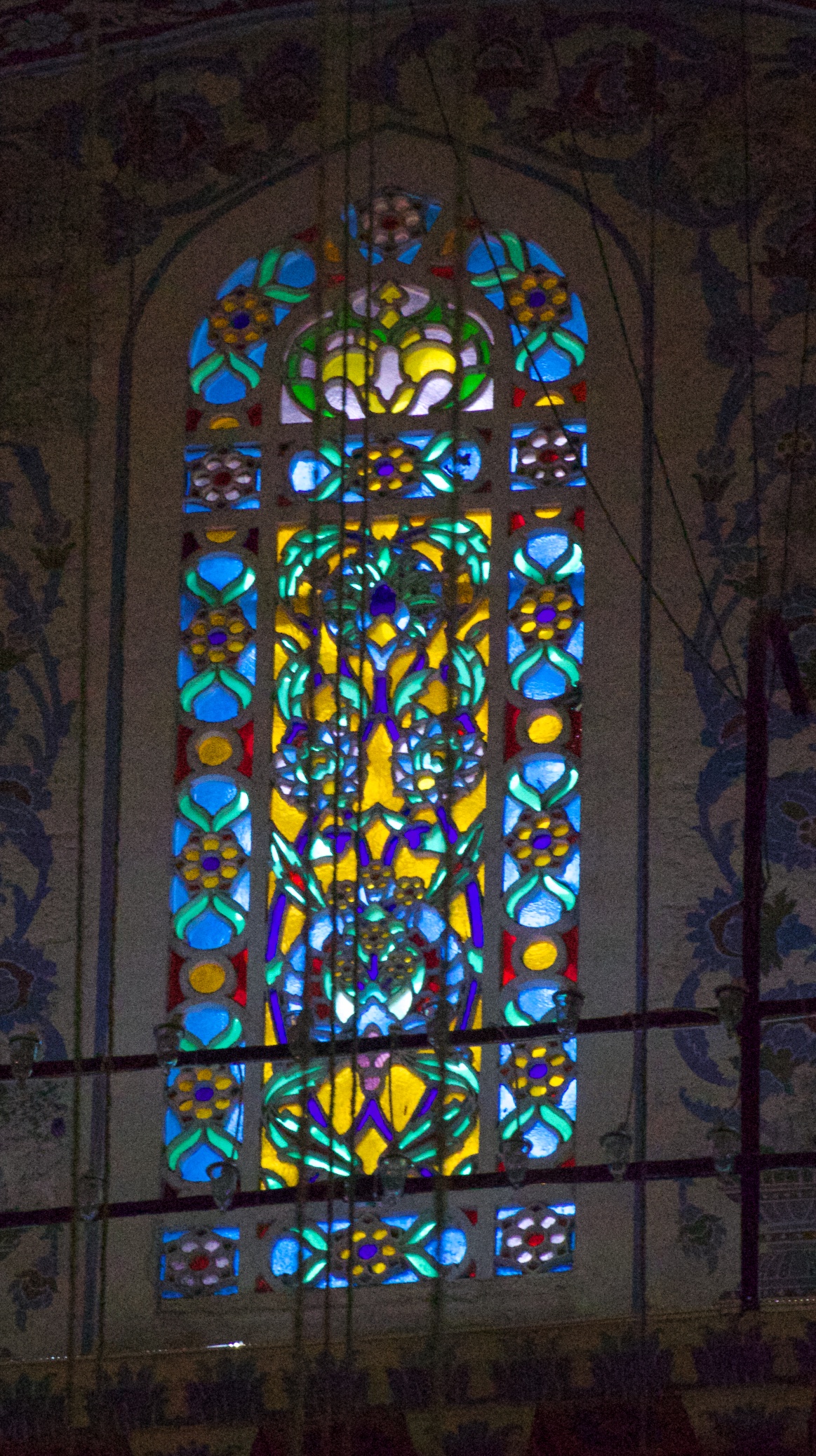
Again there are lots of high ceilings, plenty of stain glass windows and full wall-to-wall carpeting -- please remove your shoes when you come by for a viewing.

Admission is free, but only between prayer times and to those who are appropriately dressed. 

Instantbulagram #1: street scenes are made of these

Greetings from Istanbul, Turkey.

After flying in-style-in-economy class with Turkish Airlines, we arrived safely on Wednesday afternoon and caught a cab into town. The cab driver responded to the onslaught of "traffic problems" with very pious profanity and several out-of-vehicle tirades at obstructing drivers. Forty minutes later, he gave up on even finding our hotel and suggested that it would be faster to just walk towards.....well....he pointed vaguely to somewhere back behind the traffic problem.

The hotel was actually in the other direction....

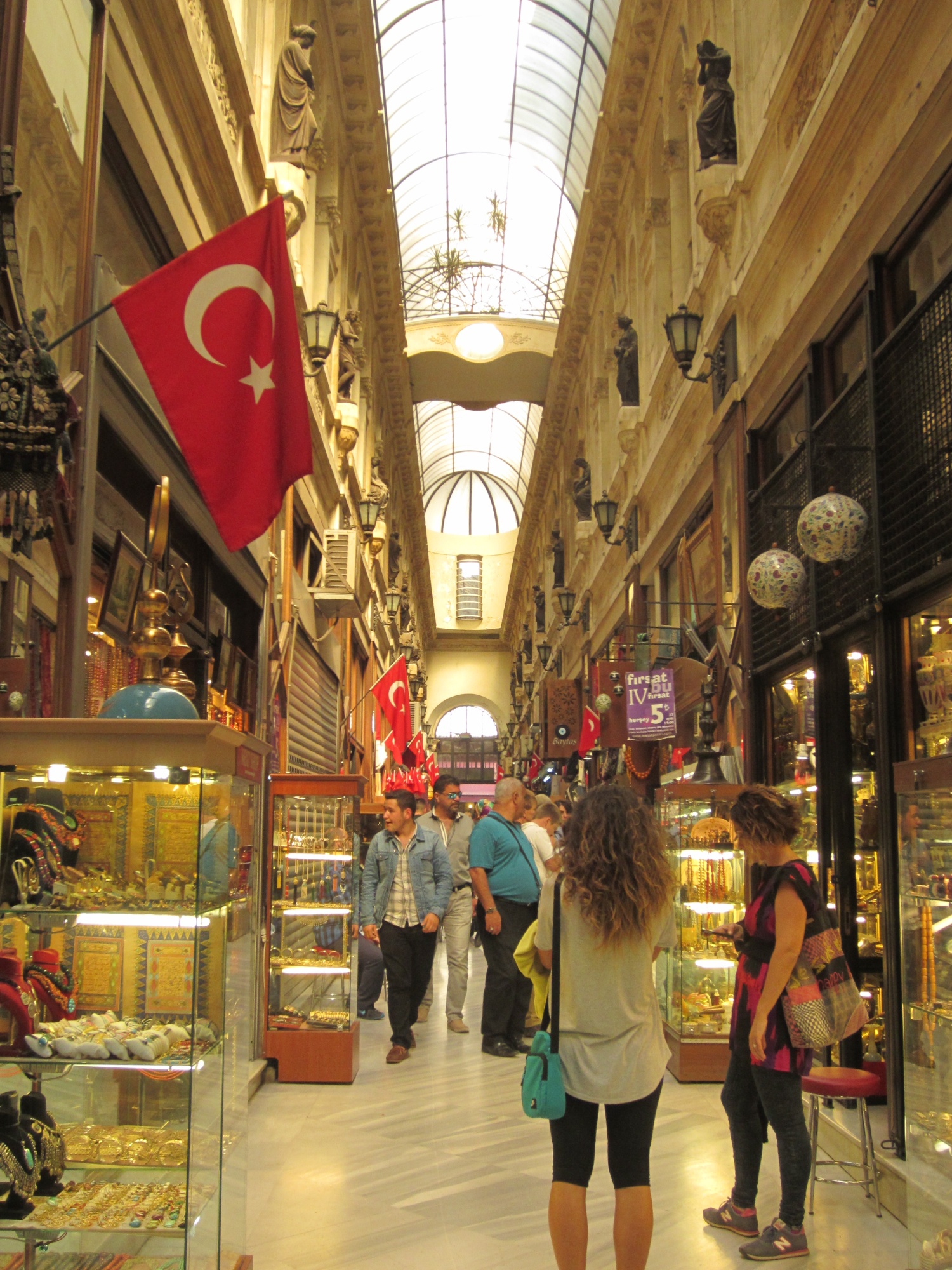
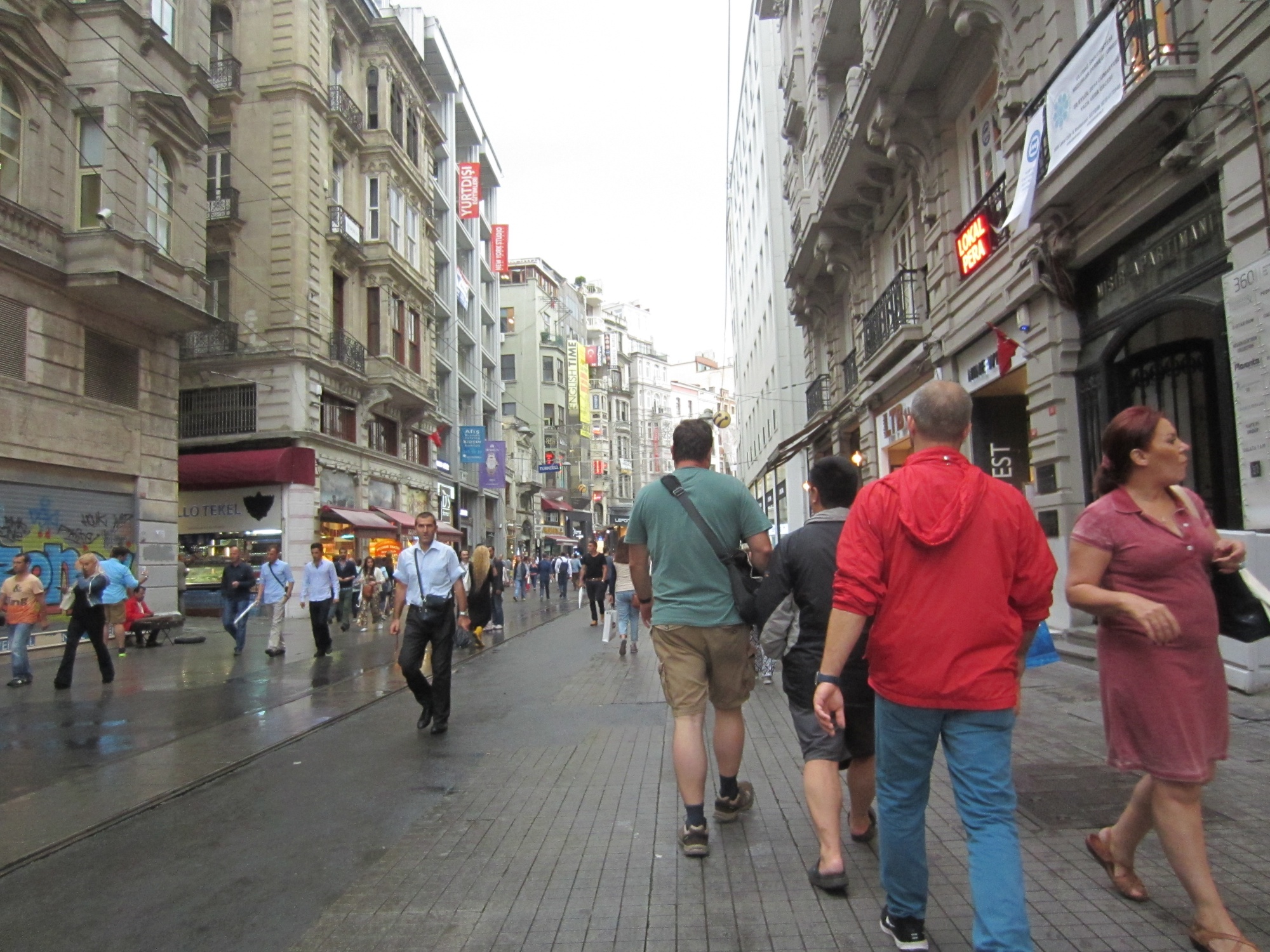
We have spent the first few days getting over the cultural shell shock of landing in the heart of the Old City, Sultanahmet and finding our feet again in the New City, Beyoglu.  We are grateful for the modest progress of:

 
  • finding our Air BnB apartment again without staring at the Google Maps app;
  • loading up our Istanbulkart transit pass to take the tram across the Bosphorous;
  • meeting up with some friends-of-a-friend-of-ours who set us straight on a few issues;
  • seeing a few of the marvellous historical sites in the Sultanahmet district;
  • jet-lagged kids sleeping through the night and even wishing they had stayed longer at historic sites (#roadscholars);
  • finding more-or-less the groceries we needed. NB: that bottle contained salted yogurt smoothie, not milk, Trish.

Today, Isaac even successfully haggled for his first purchase, using his winsome smile to dicker down the price of a Fernando Torres jersey from 45 TL to 25 TL and winning an affectionate kiss from the proprietor. Our Turkish vocabulary so far consists of 3-4 mangled phrases, so we are grateful for the kindness of local merchants. 

My first impression of the city is that it is a marvellous soundscape of cultures, and religions, teeming with pedestrians and small businesses that crowd up the gnarl of streets that are piled on layer upon layers of empires....

....Oh dear, I'm lapsing into competing metaphors. Clearly words fail me.  SI'll think that I'll just pour myself a bit more raki and share a few first impressions for now.... 

Southern (Ontario) Sojourn

Click to take a closer look....

August 27 - September 16, 2014 

Before leaving Canada, we visited with both of our extended families in Southern Ontario. This included cruising on a sailboat and in a 1917 Model T Ford truck; making butter tarts with Grandma; learning the ropes of home-schooling with Tricia's sister and kids; and visiting the Royal Ontario Museum with Tricia's dad.

We also had a chance to visit with many of our aunt's and uncles, and to enjoy some great home-cooked meals at my parents. Thanks to everyone who hosted us! 

An Update from Zoë

On y va!

Zoë has written her first post on her travel blog.

Note, you will need a password to view her posts. Please contact us using the short form below and we'll send it to you via email.


Orbiting Ottawa

Click to enlarge. 

August 1 - 27, 2014

"Haven't you gone yet?" a good friend teased us the other day. "How can we miss you if you won't go away?!"

Well, yes, since vacating our house on August 1, we've spent the first weeks of our sabbatical year off orbiting within 2 hours of Ottawa. So far we've made it:

  • as far East as Montreal, where Trish and I pretended we were Plateau hipsters for a few days while the kids went to sleepover camp;
  • as far West as the Barron River Canyon in Algonquin Park for a short canoe trip; and
  • a bit further North visiting friends' cottages up in the Gatineau Hills. 

While hovering close to home has sometimes made this feel like a long goodbye, it has been a great chance to recover from the big push to move out of the house, and to reconnect with a few more friends...

We also taking some time to get use to being happily homeless, and to pare our travel gear back to "all that we can't leave behind".  We have really appreciated the hospitality of friends who have put us up (and/or put up with us), and we are getting excited about heading off for Turkey in mid-September. 

Having reached escape velocity from the gravitational pull of the nation's capital, we are now on the VIA train en route to Toronto, from where we'll next visit some of our family in Southern Ontario. See you soon!


A Blessing of Friends

image.jpg

As keen as we are to go #thataway for the next year, we know that we will miss our friends and neighbours while we frappez la rue. So it seemed fitting  that we throw a party ere we depart. 

Trish and I have been married now for something like 19 years, which I suppose is long enough to call some of our odder habits "traditions".

One of these traditions is to open up our house for big parties. This started back when we were grad students with the De-Alienation From Your Labour Day Salsa Making Collective Party, and it continued with Monster Potlucks of 70+ people when we lived at The Blob, a two-year experience of living in intentional community.

More recently, our fetes have included the Biannual Waffle Extravaganza on New-Year's Day, and a super-secret-surprise party for Trish's 40th party in which we demonstrated our great love for her through skullduggery, deception and covert acts of catering.

Through these exxperiments and double-blind, randomized control trials, we've discovered that the formula for a great party is really quite simple:  good lighting, a great playlist, an electic mix of amazing friends of all ages, some simple but yummy food, a wee bit of something to drink, and a Grandiose Title -- preferably with a #hashtag :-) 

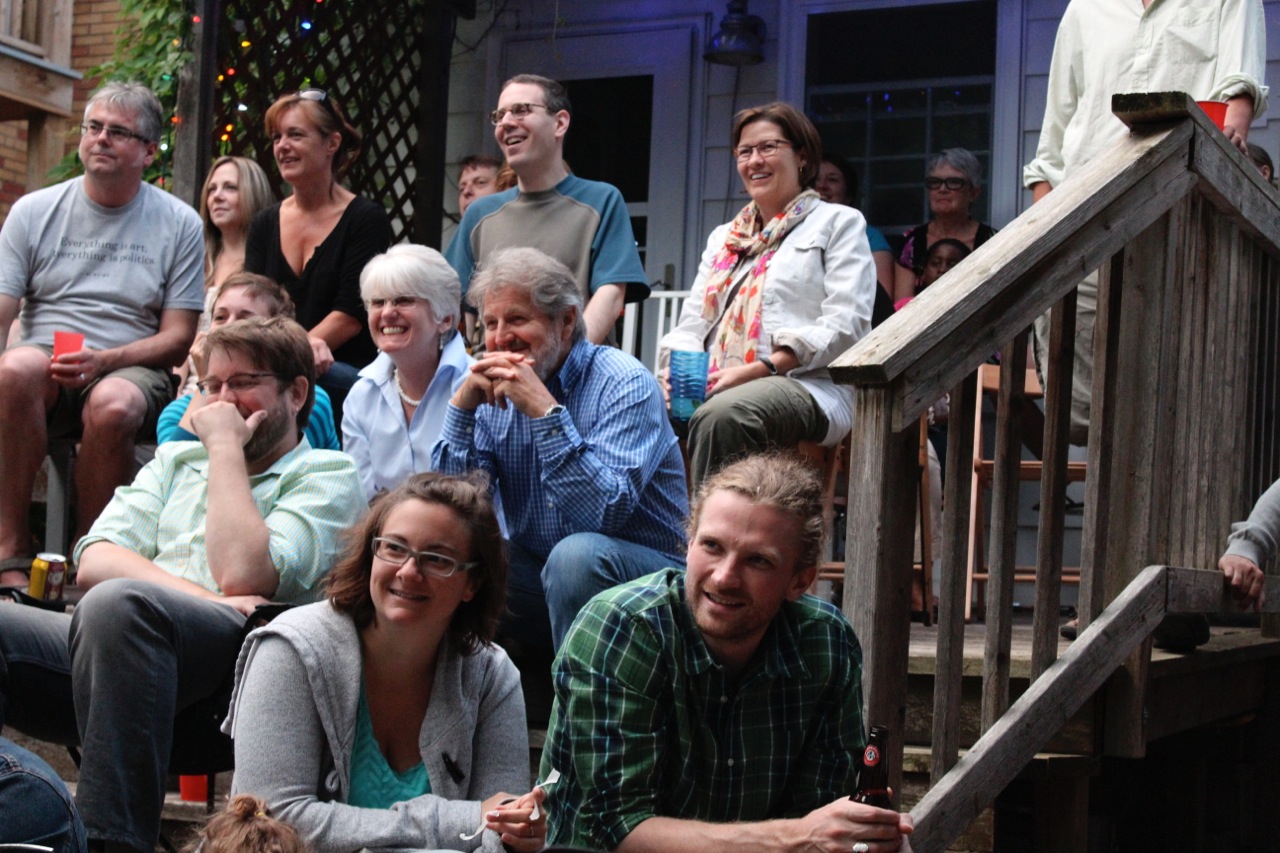
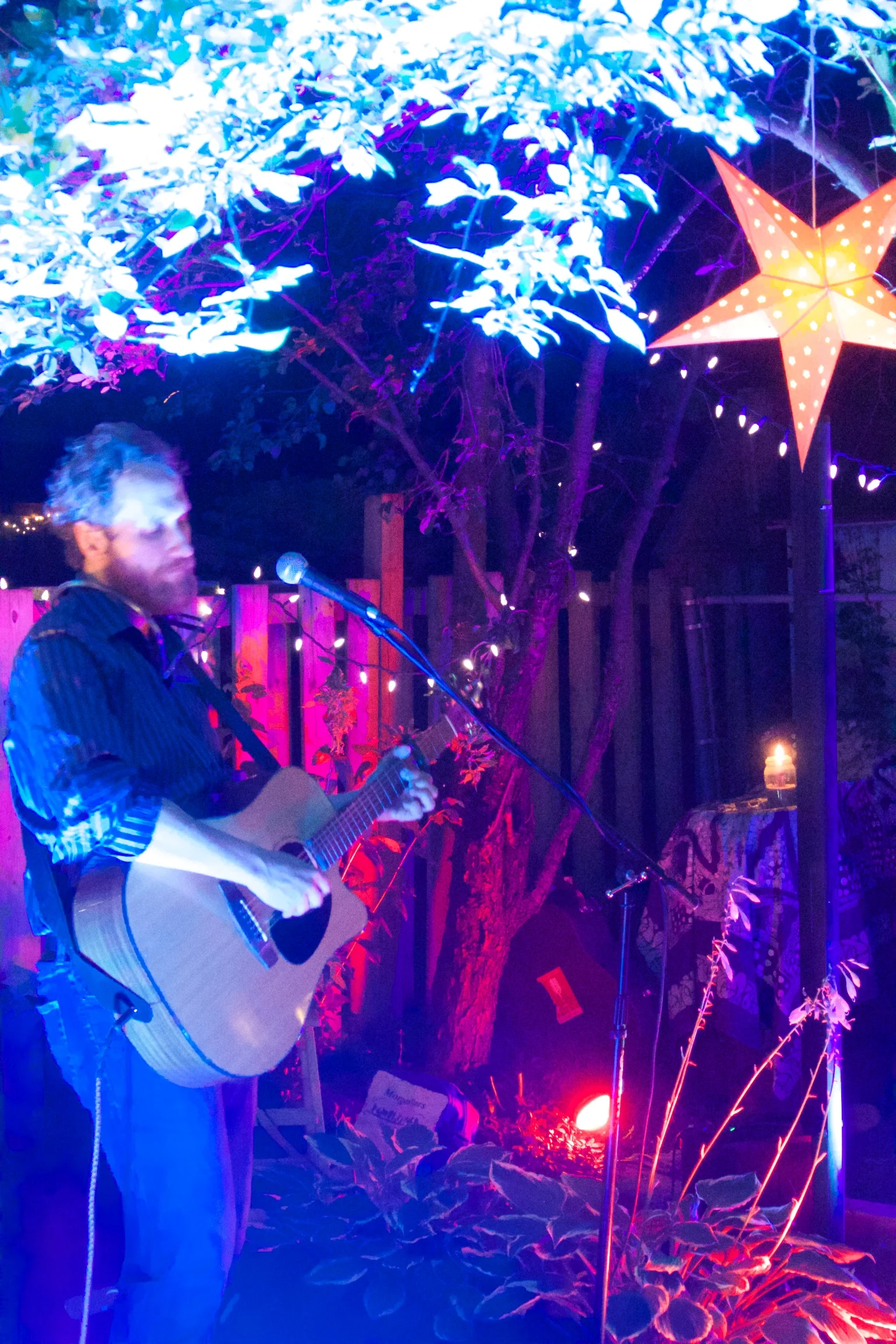
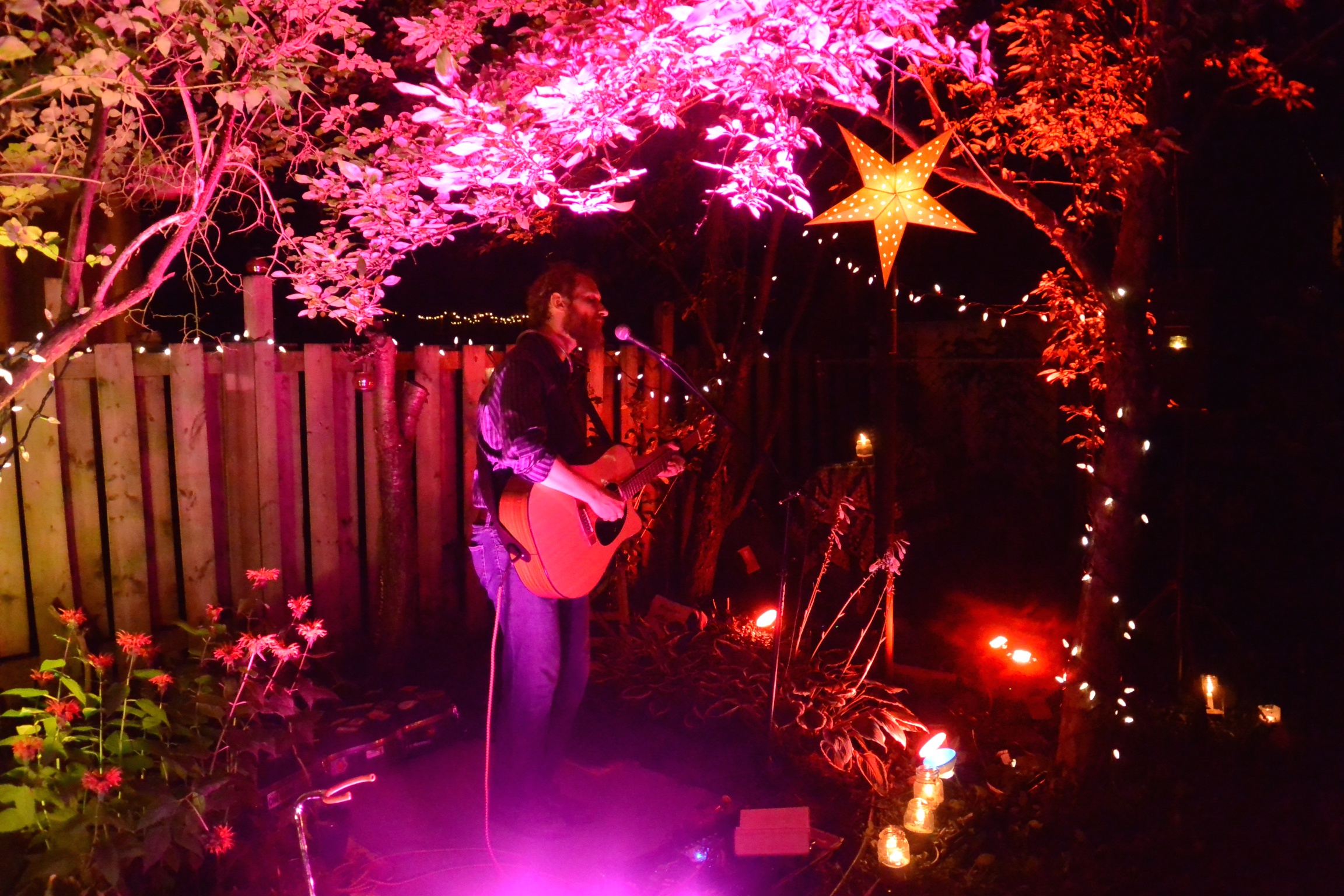
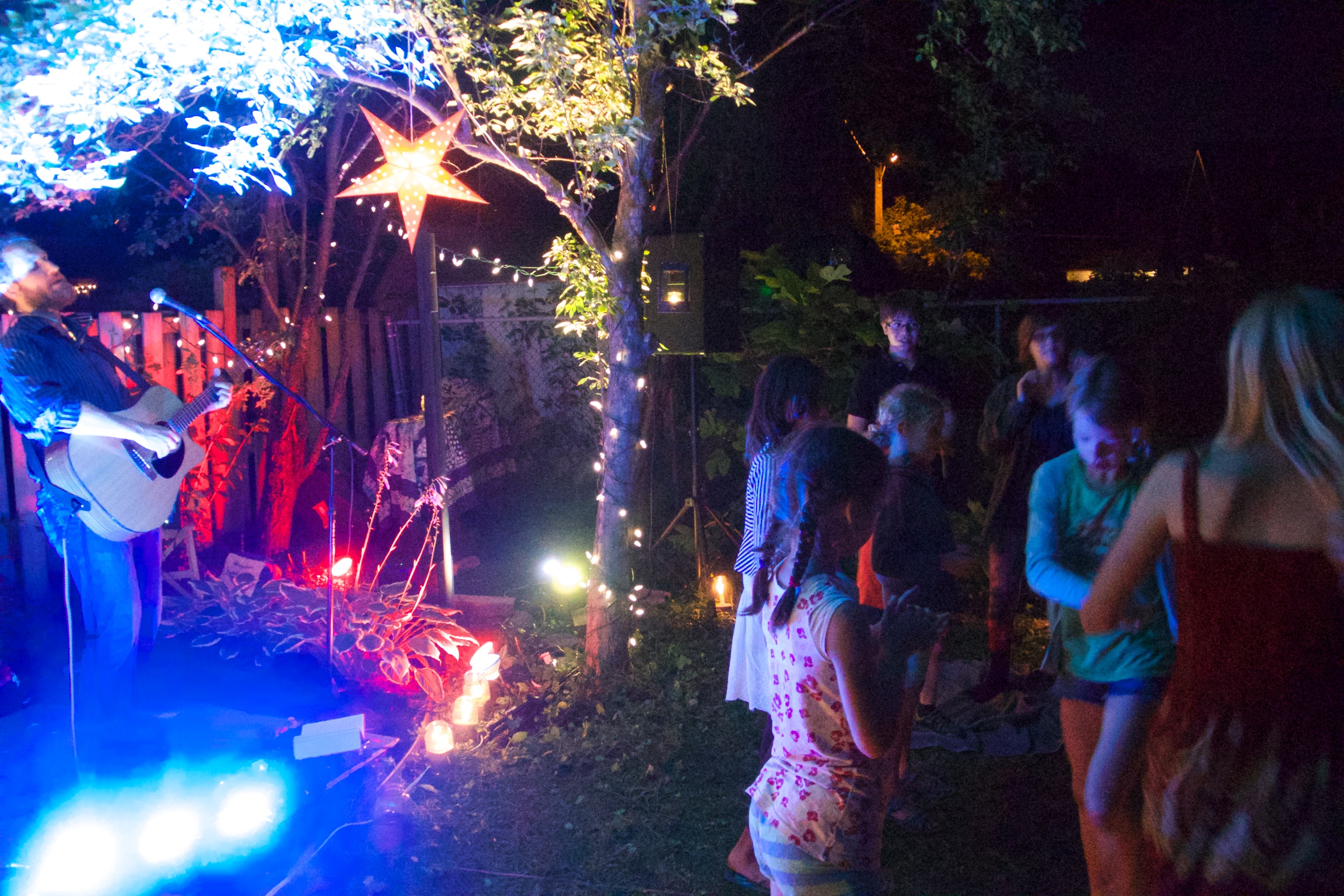
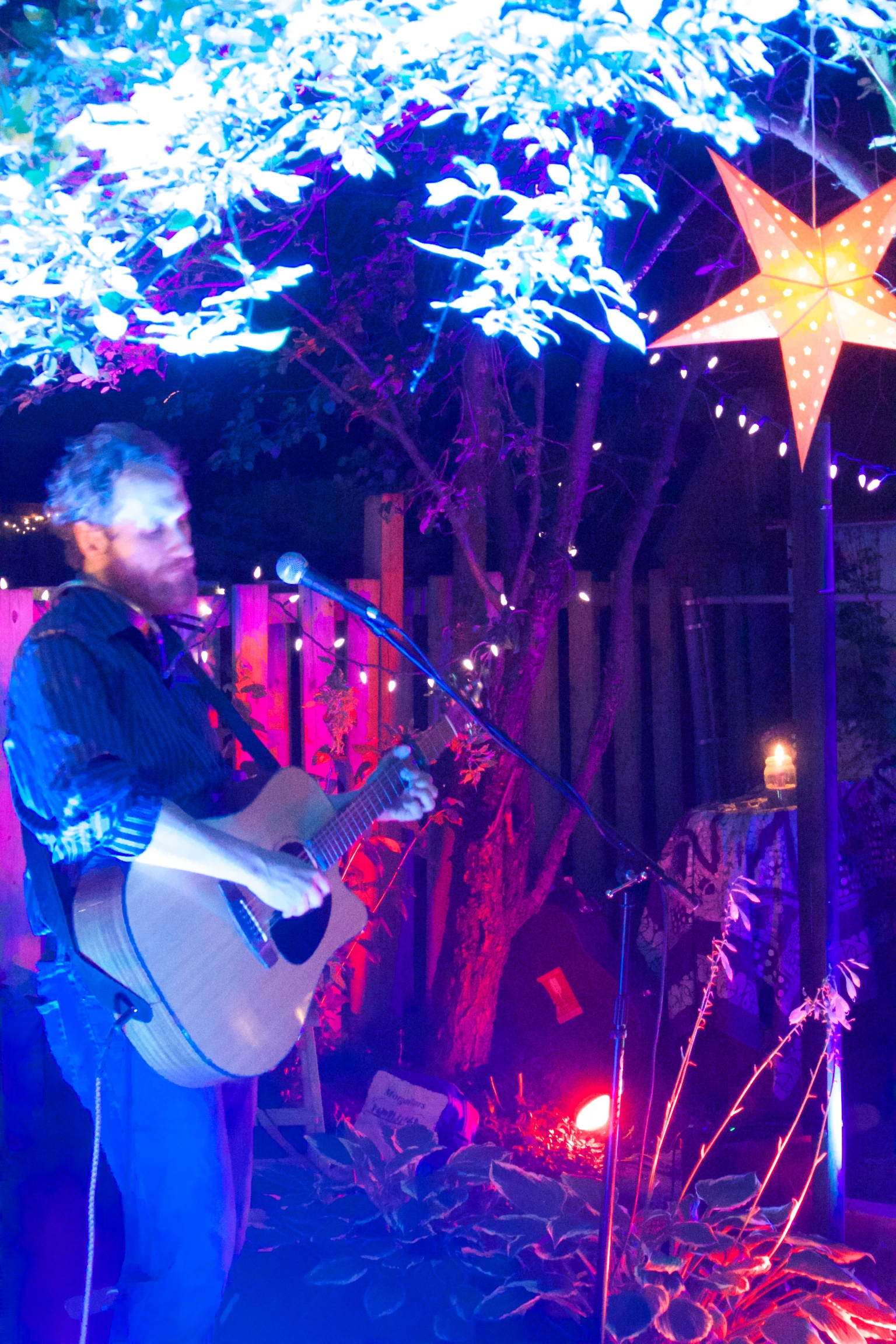
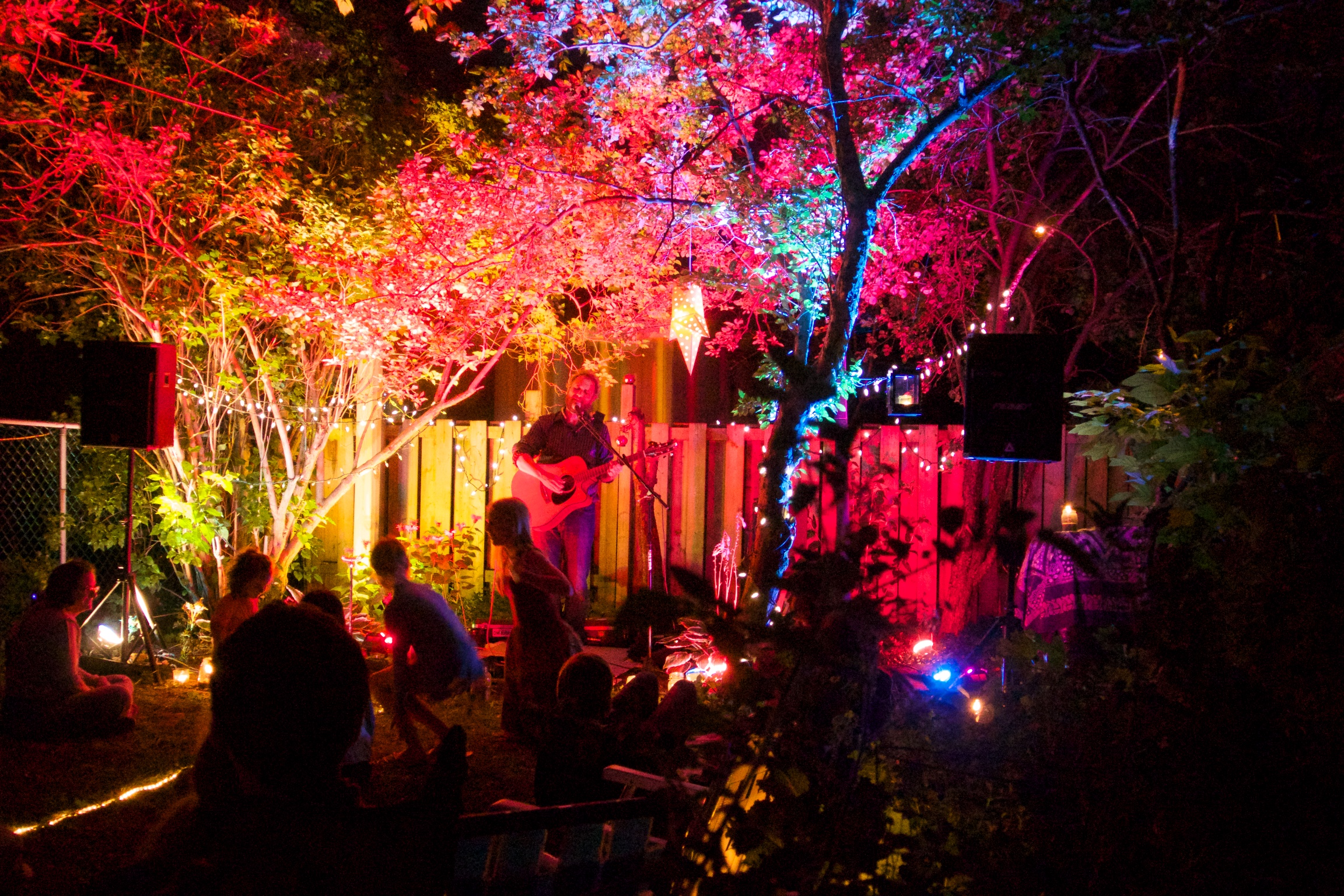
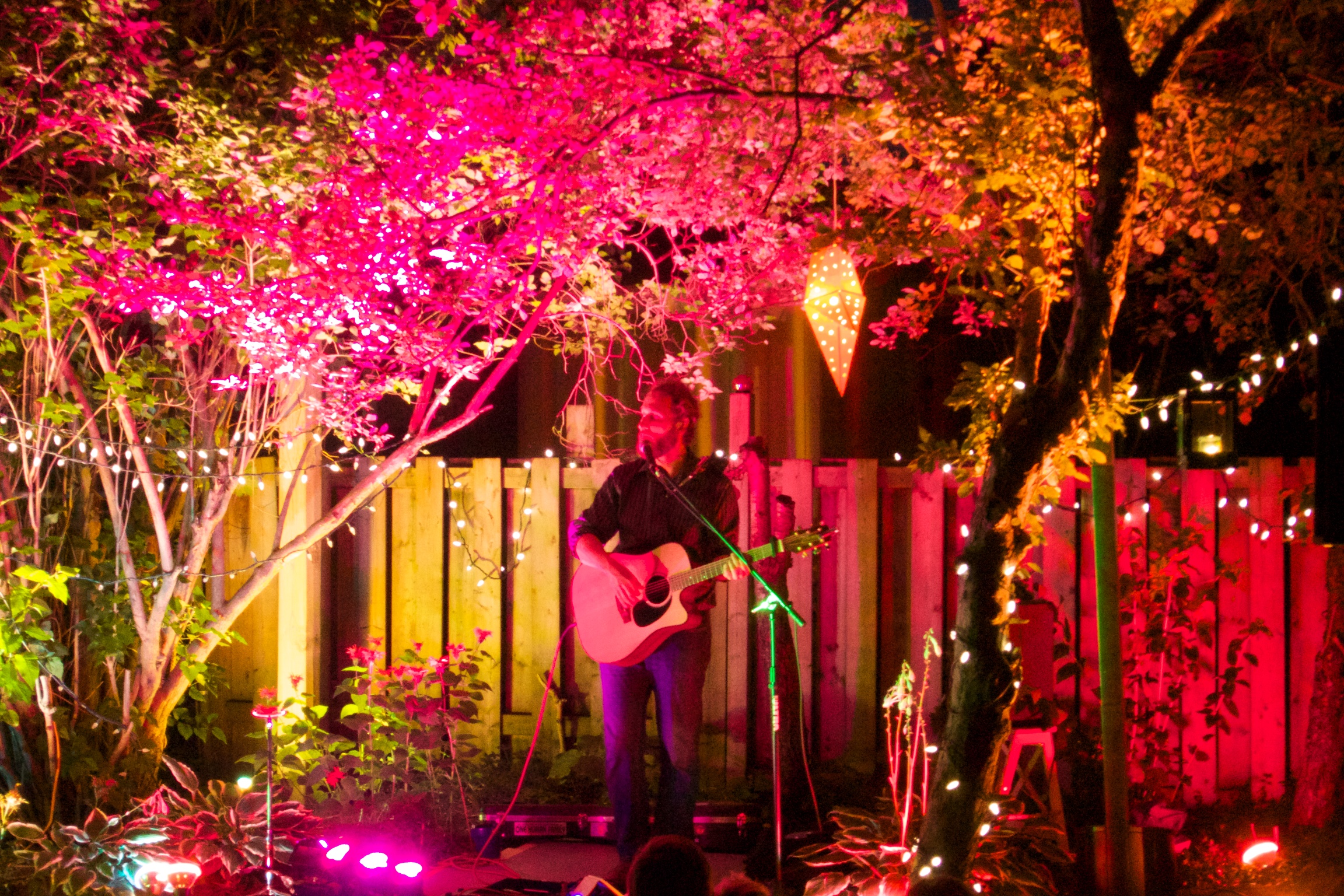
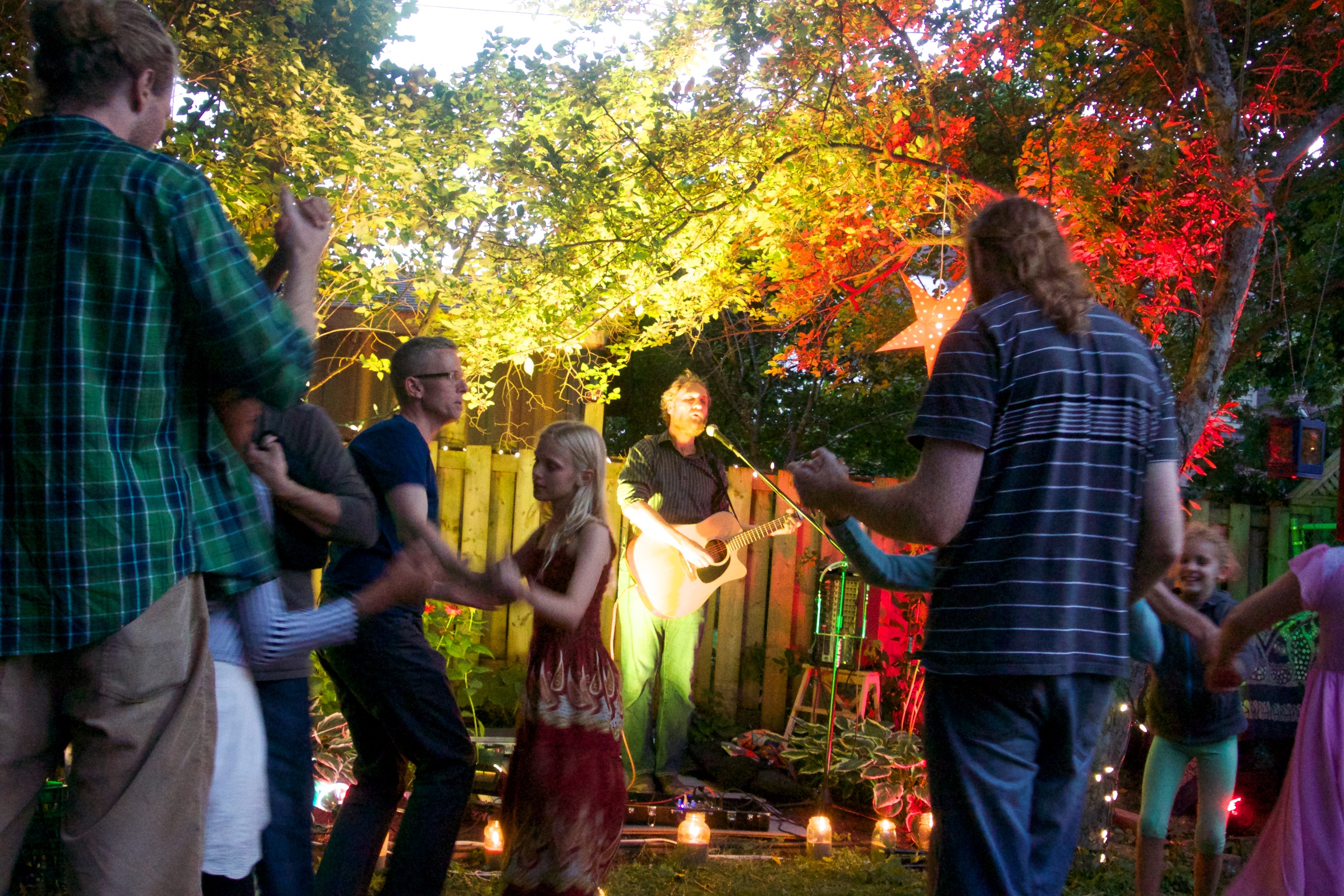
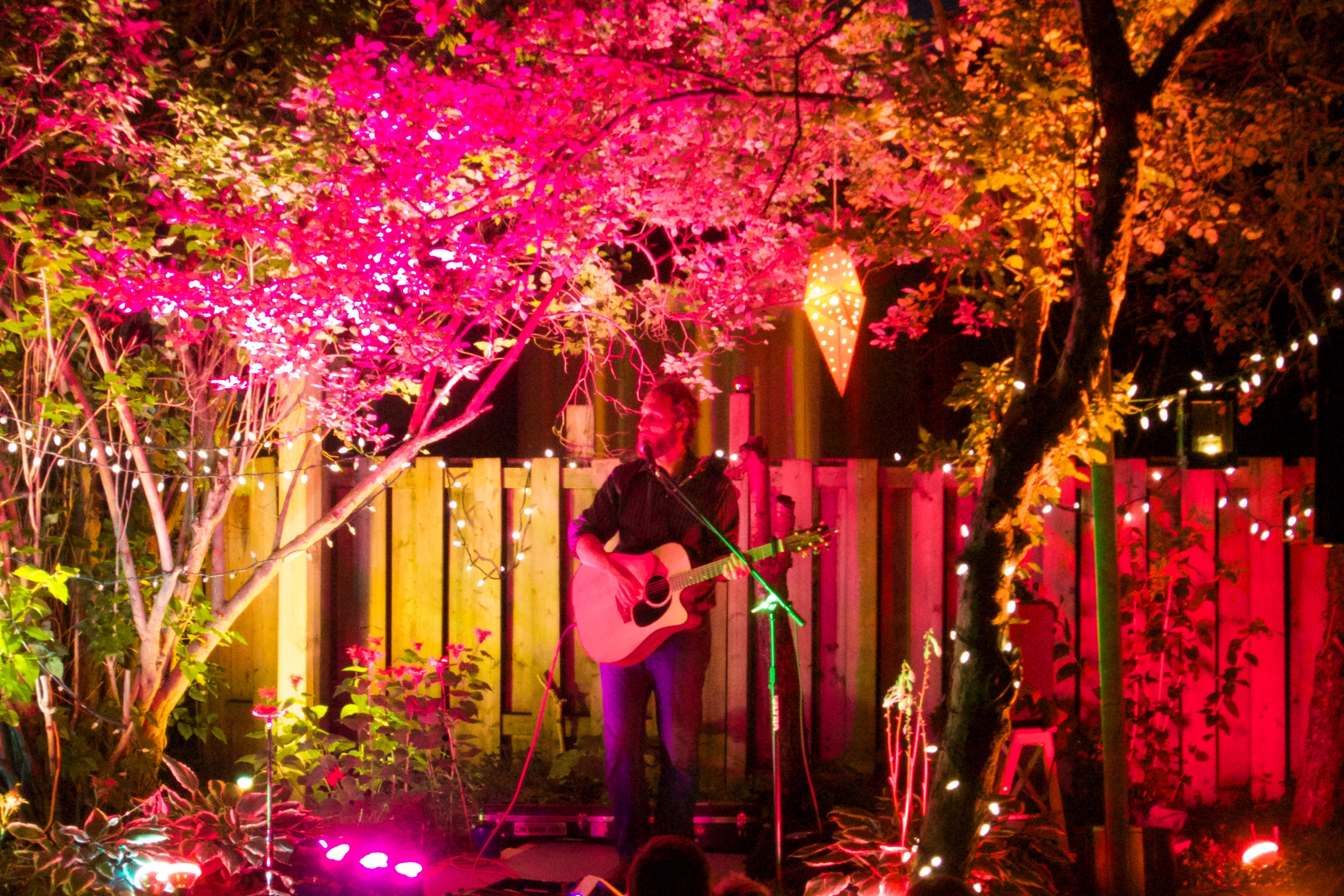
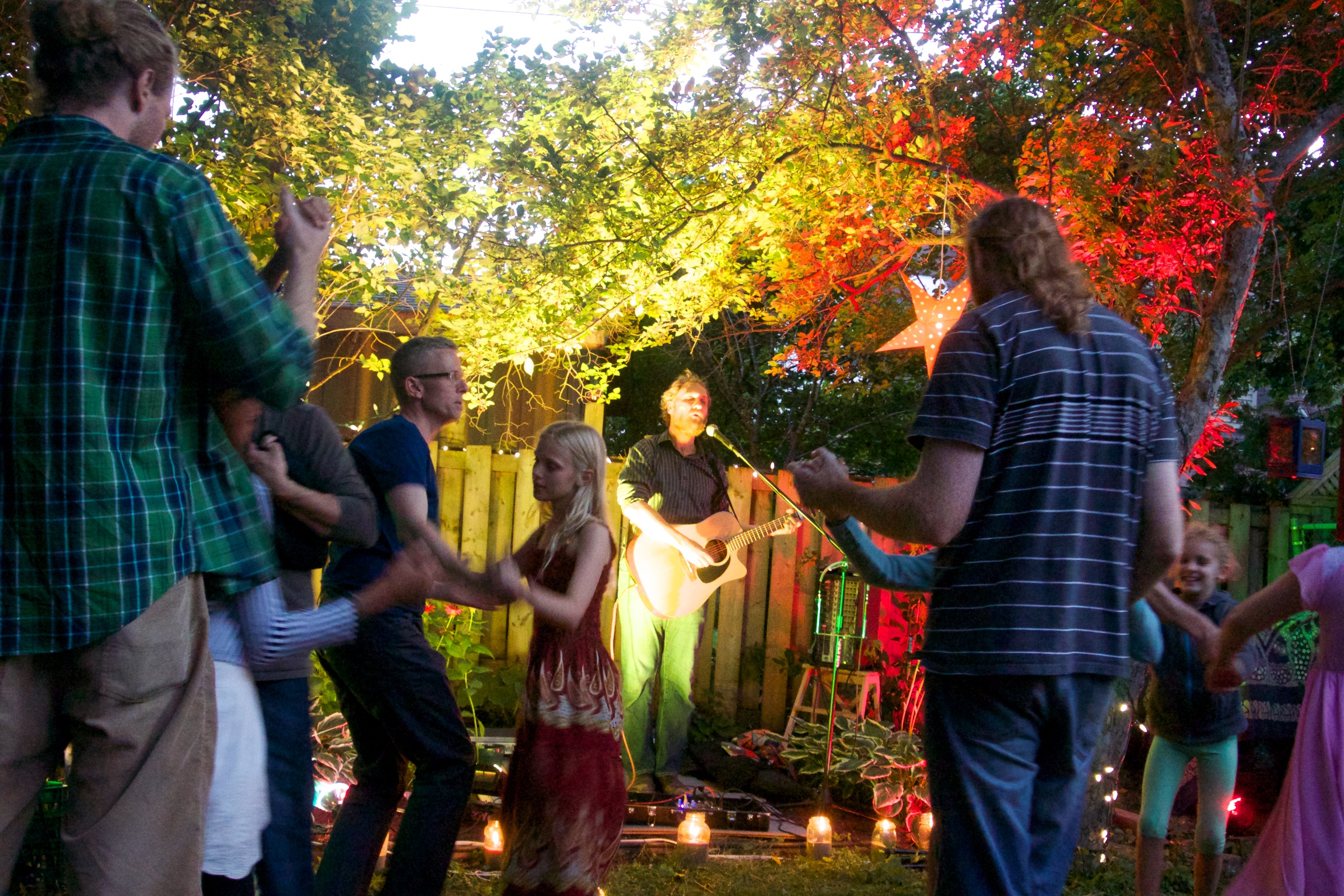
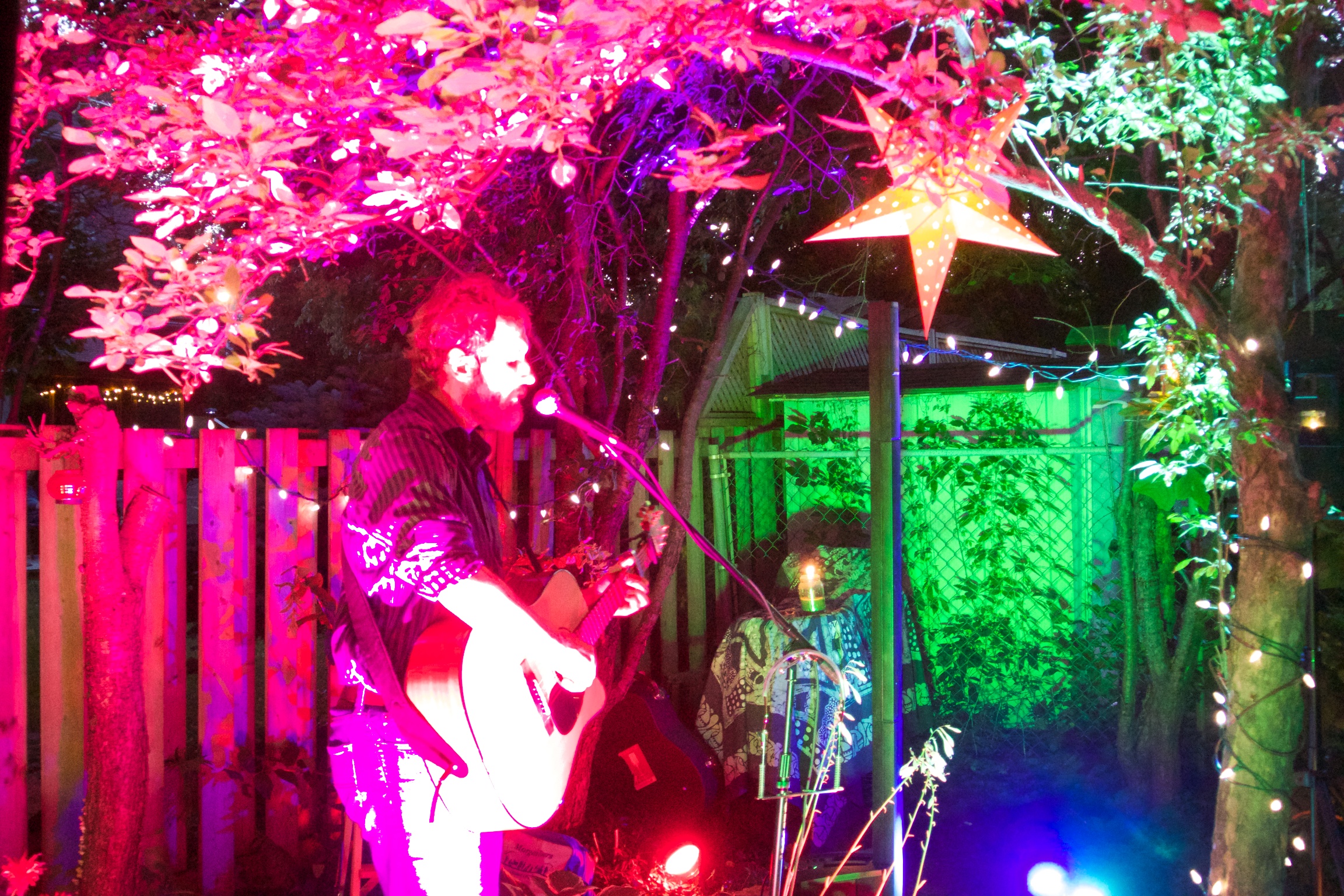
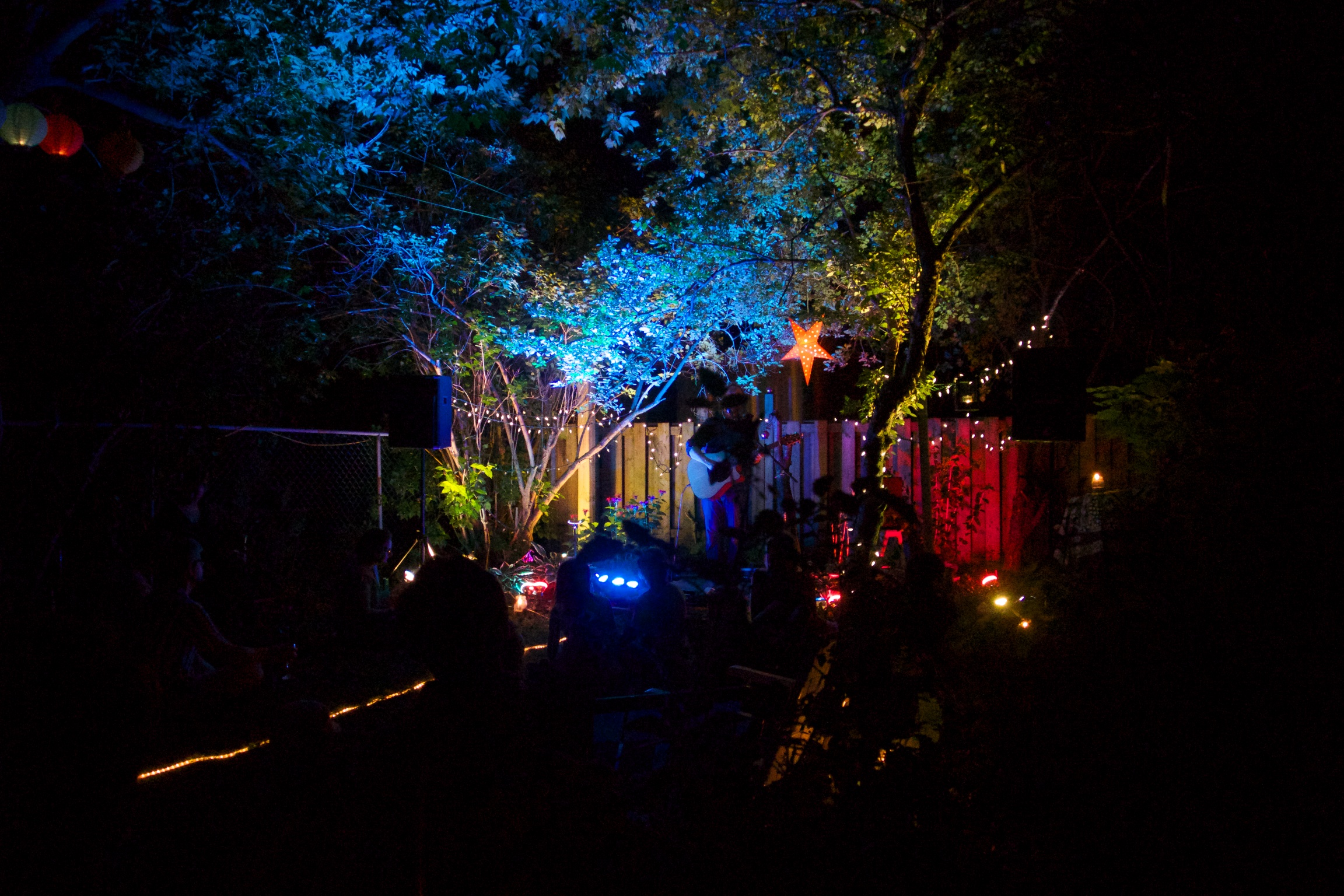
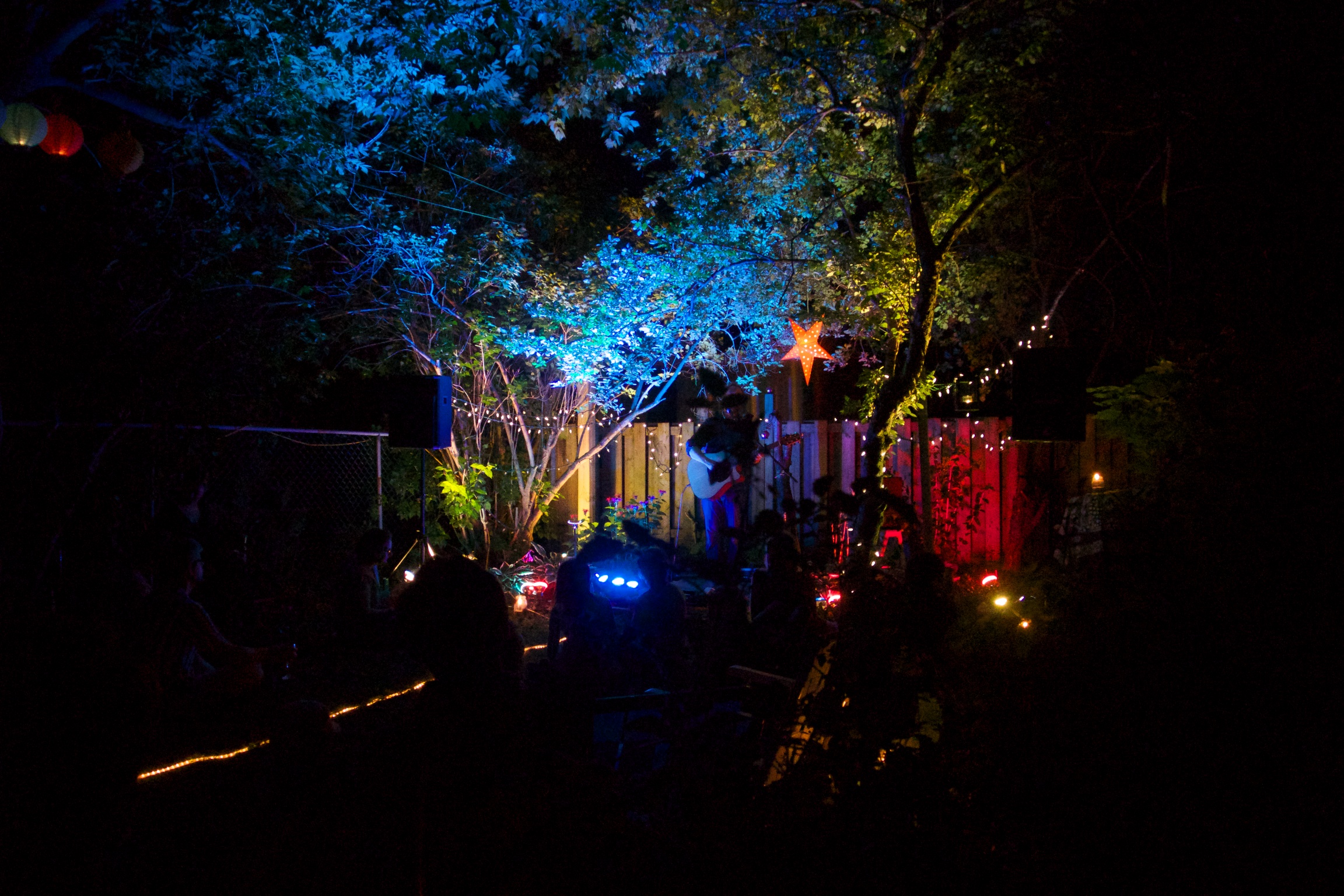
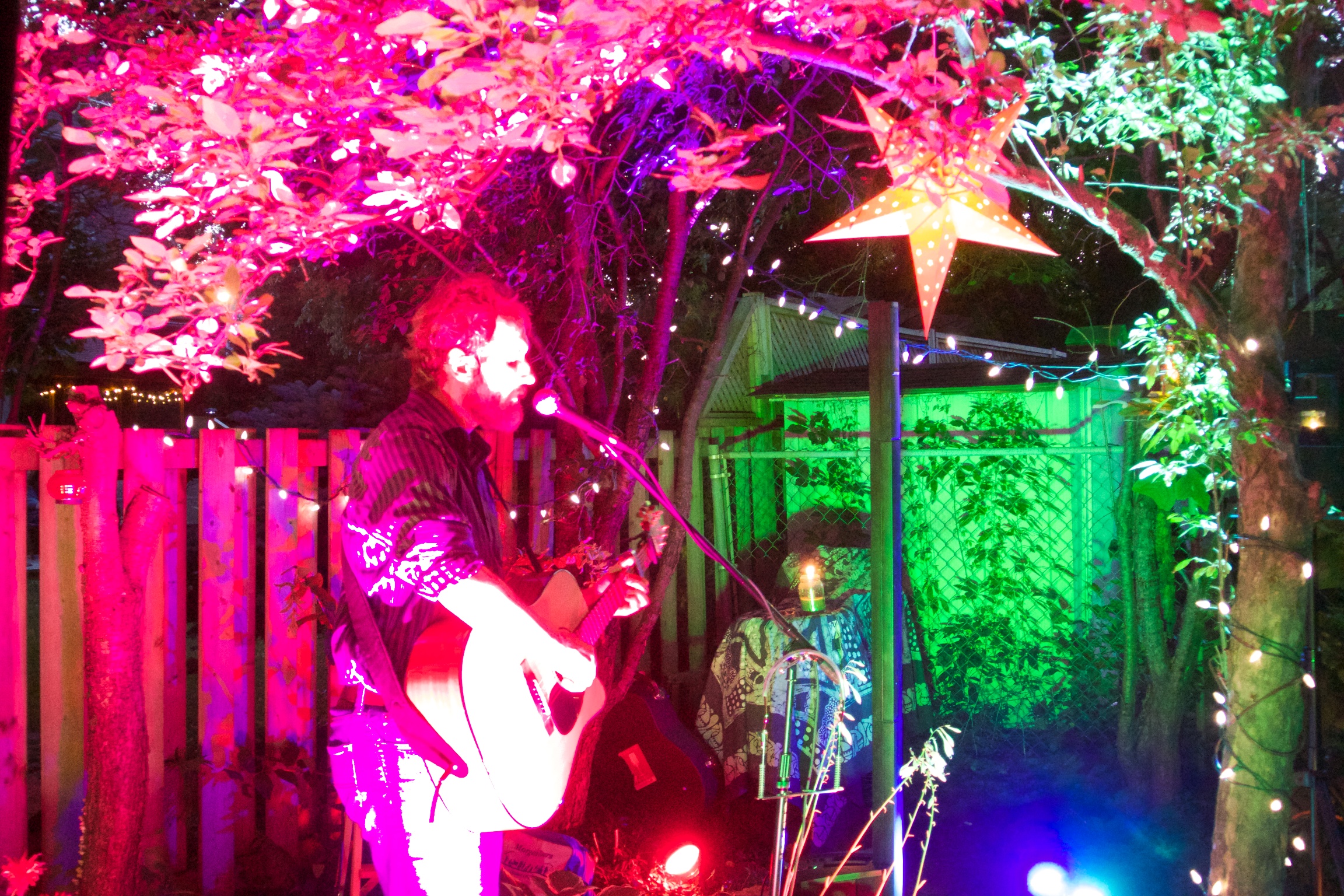
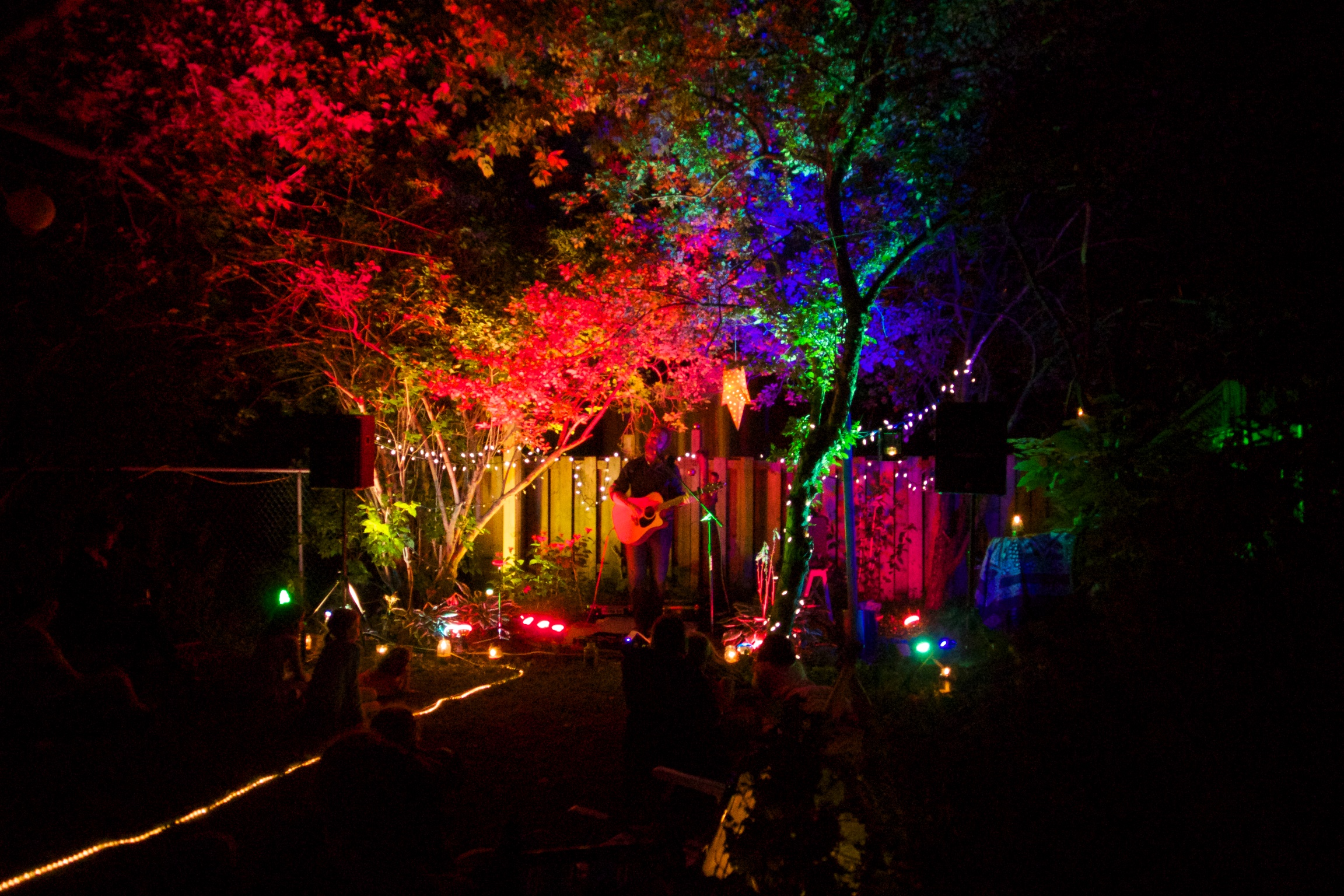
This time for our #thataway bash, we invited singer-songwriter, Craig Cardiff to play. Craig tours all across Canada, peforming at bars, concert halls, churches and festivals, but in between he loves to play smaller private functions like this. I first heard him play at our neighbour's house concert and his songs have been on high-repeat on my shower-serenading set-list ever since. 

Craig's poignant songs, solid guitar work, sing-along-choruses and father-daughter dance smack down competitions, together with technical, logistical and moral support from some friends, turned our back yard into a Mid-Summer-Night's Dream. It was lovely to see so many folks together and to say goodbye; we will miss you.

Ahh, yes, to misquoteth the Bard, Partying is such sweet sorrow. 

Here are a few pictures from the bash.