Dwayne Hodgson

A Portfolio

The work and adventures of Dwayne Hodgson,
+ Learning Designer & Facilitator at learningcycle.ca
+ Storyteller & Photographer @ thataway.ca

Lessons Learned on the Road - Episode 2

"Please, let this be a normal field trip!"

With these kids....? No way!

As "road scholars", we're trying to learn from the environment, cultures and sites all around us by mixing the good-old-fashioned 3R's (reading, writing and 'rithmetic) with the experiential learning 3R's of research, reconnaissance and reflection. 

As I listen to Trish and Isaac practice Arabic greetings in preparation for our travels in Morocco, I thought it might be interesting to list all of the "educational" field trips that we've gone on since we left Ottawa last year.

It is turning out to be a long, and admittedly eclectic list that has the kids (and us!) majoring in geography, social studies, languages, history, archaeology, ecology and the occasional experiments in physics (if you count roller-coasters and hot-air balloon rides).   It has also been fun to note where the different cultures and empires that we've seen -- Greek, Roman, Ottoman, Spanish, Swahili -- have intersected and influenced each other. 

Here is a partial list of the museums, national parks, UNESCO World Heritage Sites, and experiences that were just-too-cool-for-school. 

Canada

As I wrote back in July, we started our road schooling as "Tourists in Our Own Town" by taking advantage of some of Ottawa's world-class museums. But we continued learning as we hit the road in Southern Ontario and Quebec. 


Checking out the Aya Sofia with the book and an audio guide

Turkey

Turkey is deeply-steeped in history -- archaeologists have found signs of human habitation as far back as 12,000 years -- and everywhere you go you are standing on one or more levels of Hittite, Lycian, Greek, Roman, Seljuk, Ottoman, or Turkish ruins and architecture. There are a gazilliion museums and historical sites, of which we visited the following: 

Isaac Wind, Road Scholar, channelling Indiana Jones at Ephesus.

Isaac Wind, Road Scholar, channelling Indiana Jones at Ephesus.

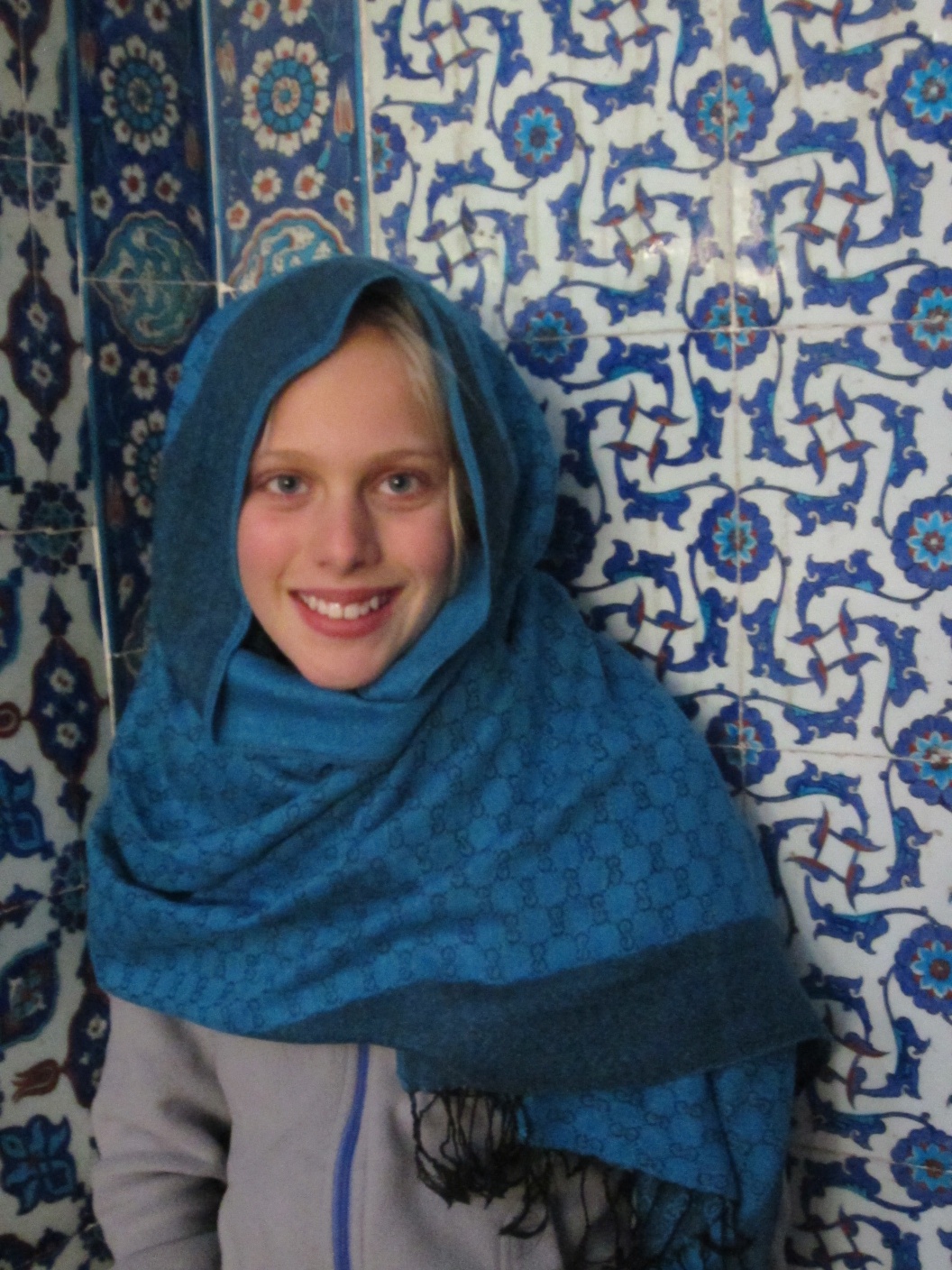
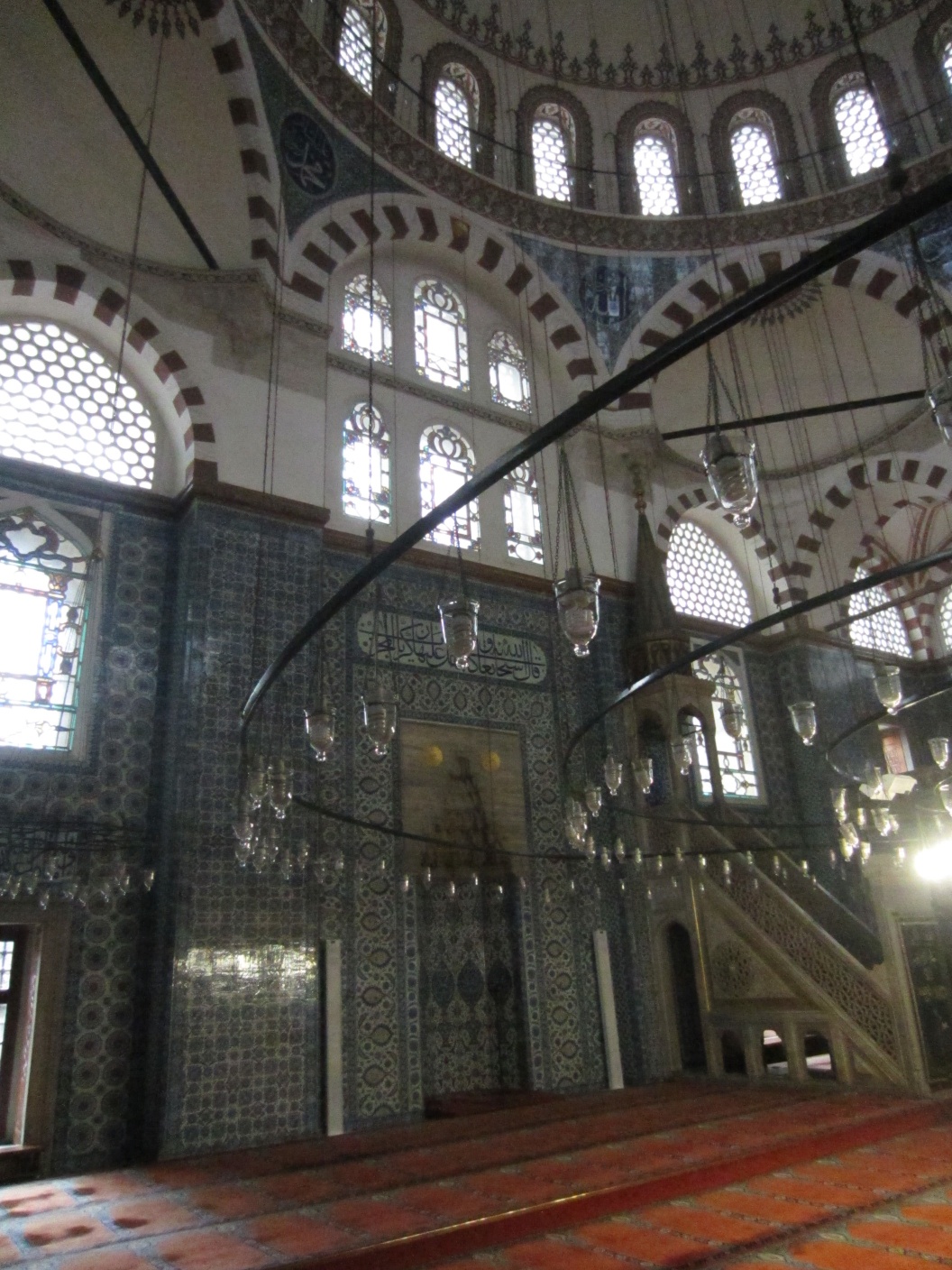
Zoe and Isaac at the Sultanahmet Mosque

Zoe and Isaac at the Sultanahmet Mosque


Tanzania

Because the people of Tanzania tended to build with biodegradable materials (e.g. wood, mud, thatch), there is comparatively less "built-history" to see. As well, post-independence Tanzania has not had the resources to document its history and culture to the extent that you see other places. But still, it was very interesting to learn more about the culture, development issues and of course, the ecology of the area: 


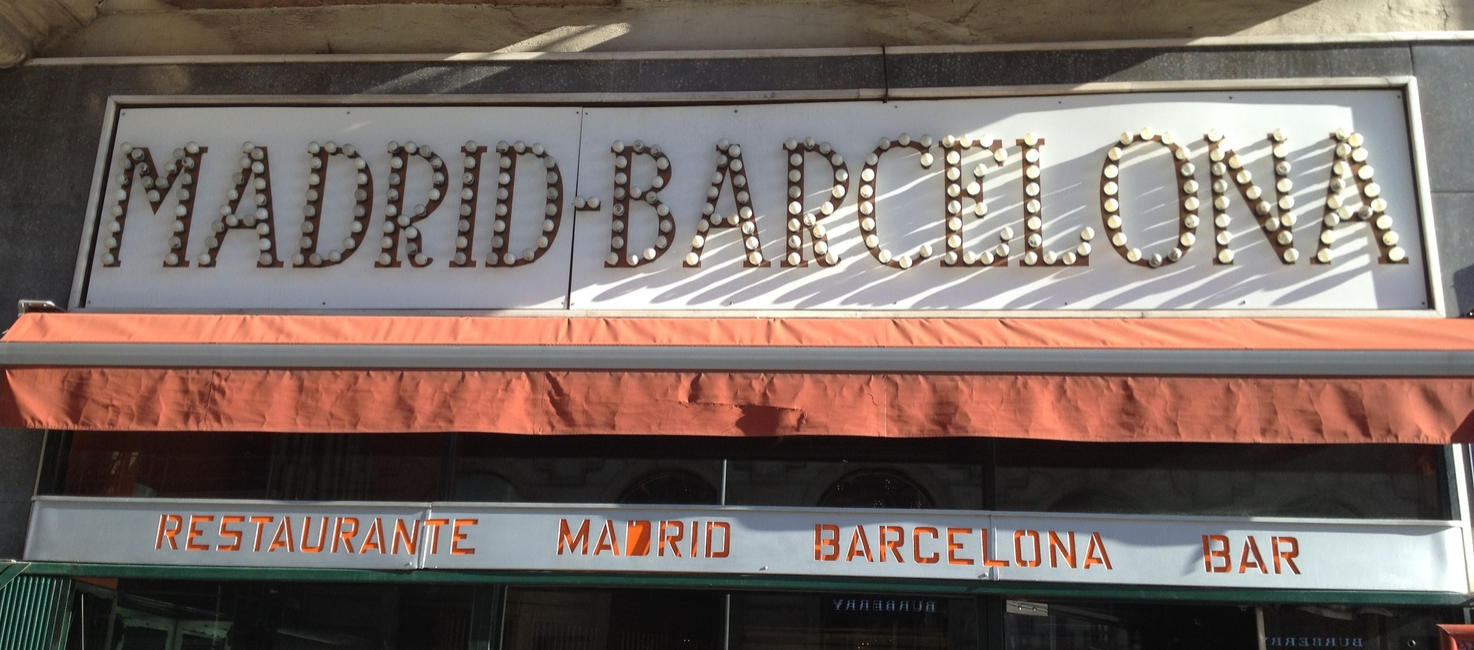
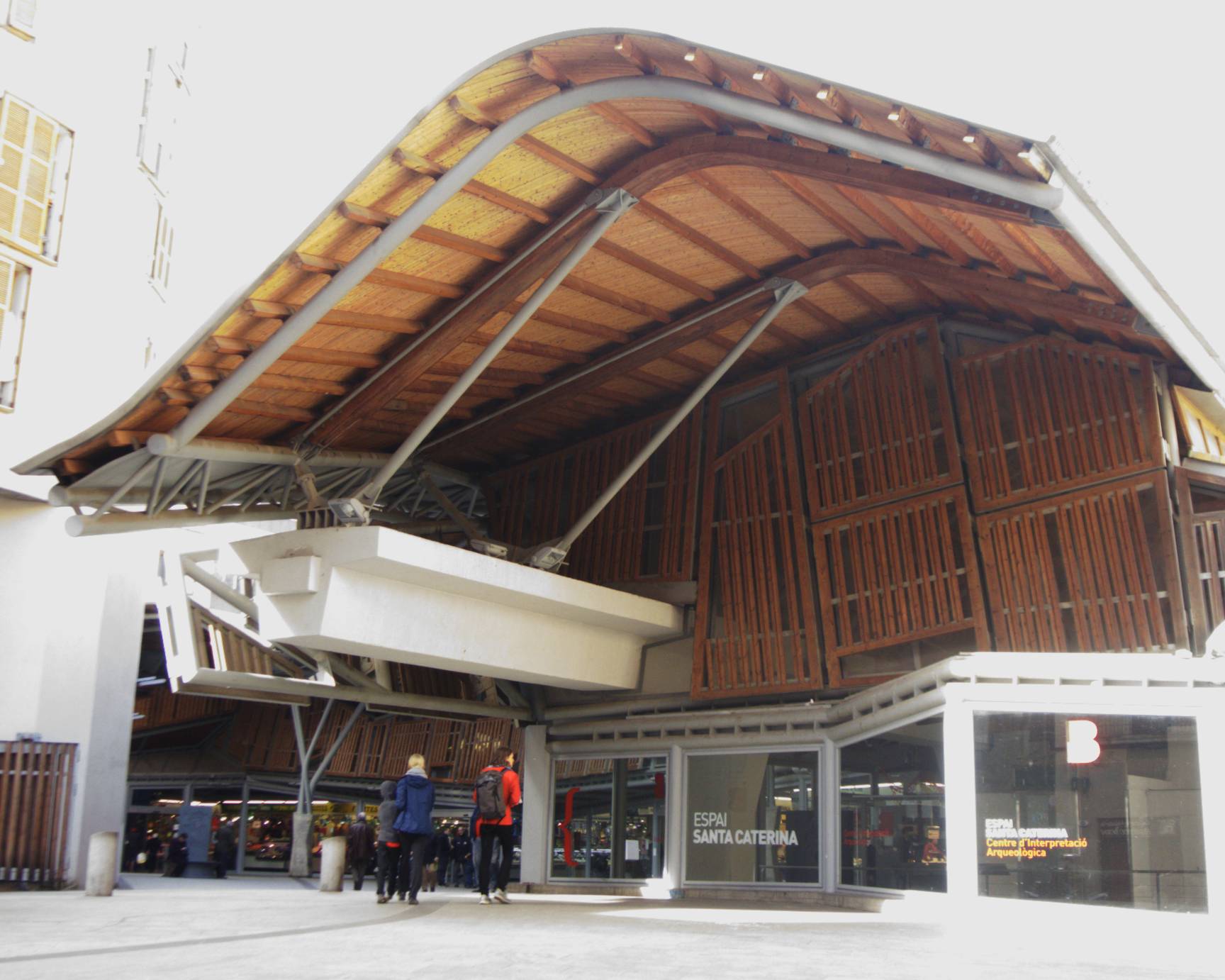
Zoe outside the Museum of Design in Barcelona with the Torre Agbar in the background. 

Zoe outside the Museum of Design in Barcelona with the Torre Agbar in the background. 

Spain

Okay, it's imperial and largely built with stolen loot from the New World, but during our brief visit to two cities in Spain, we saw a fascinating mix of Moorish, Andalusian, Spanish and modern architecture and history. Barcelona also seems to have a museum on every block, and i hope that we can return there to see a few more. But so far, we've seen: 


To Be Continued

So, that's a summary of some of what we saw and did during our first seven months of this year-long trip.  And best of all, we've still got five more months to see some more cool places in Morocco, the United Kingdom, the Netherlands, France and Spain. So please be sure to check back in a few months for Episode 3.... 

Chez Nous à Fès


February 27 - March 5, 2015

After arriving from Barcelona, we passed my office (“Douane”), cleared immigration and then completed our now compulsory, cross-cultural-arrivals procedure: 

Intrepid wife works the phones to get us home....
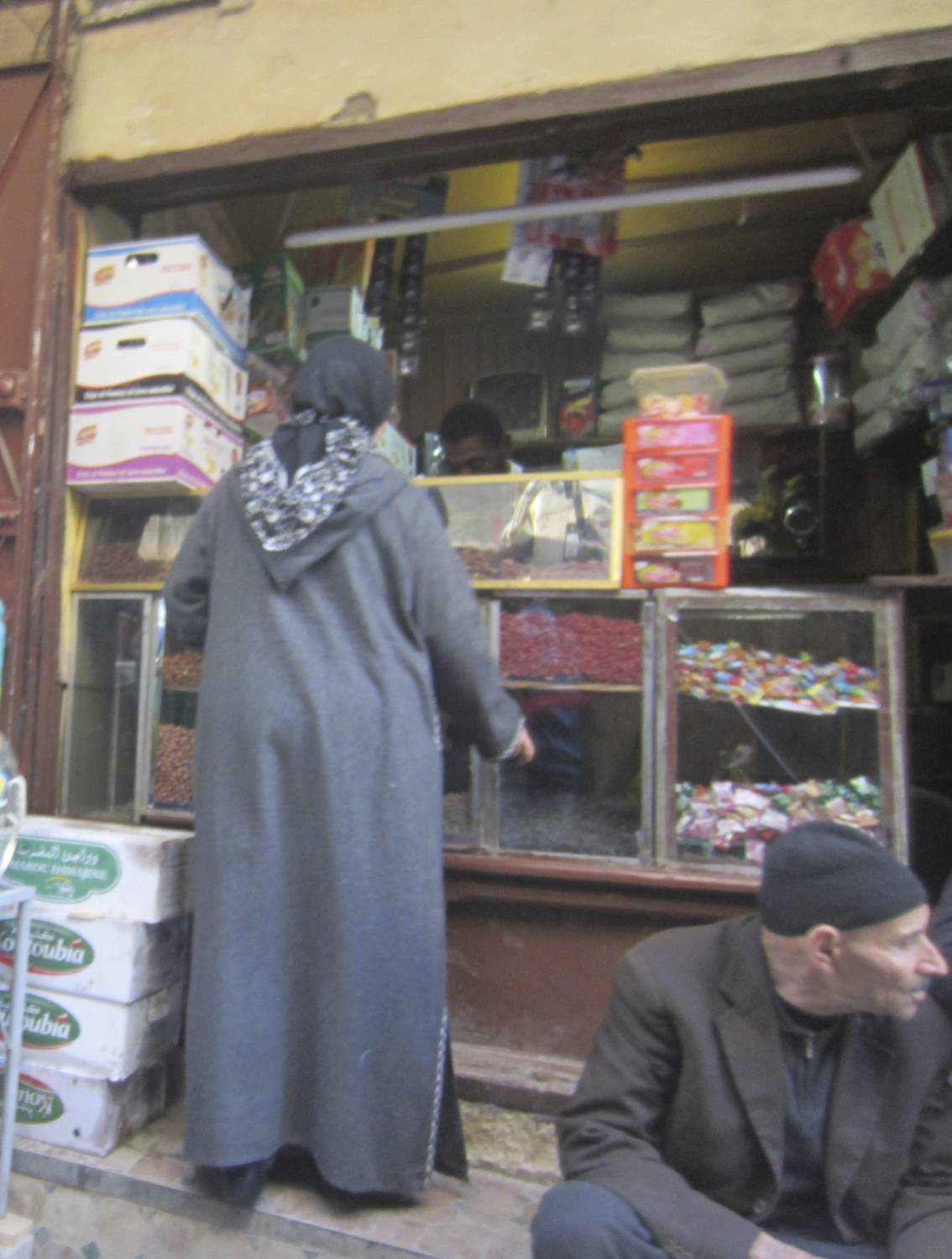
  1. Opportunistic taxi driver demands an exorbitantly high fare;
  2. Multilingual wife protests profusely before giving up with rolled eyes and guttural grumbling – presumably that was Dutch;
  3. Taxi driver careens through streets before dropping us off at not-quite-our Air Bnb apartment;
  4. Intrepid wife locates SIM card and calls Air BnB host as children slump over luggage on the side of a busy street;  
  5. Host arrives and leads us, luggage-clattering over cobblestones to our new home.

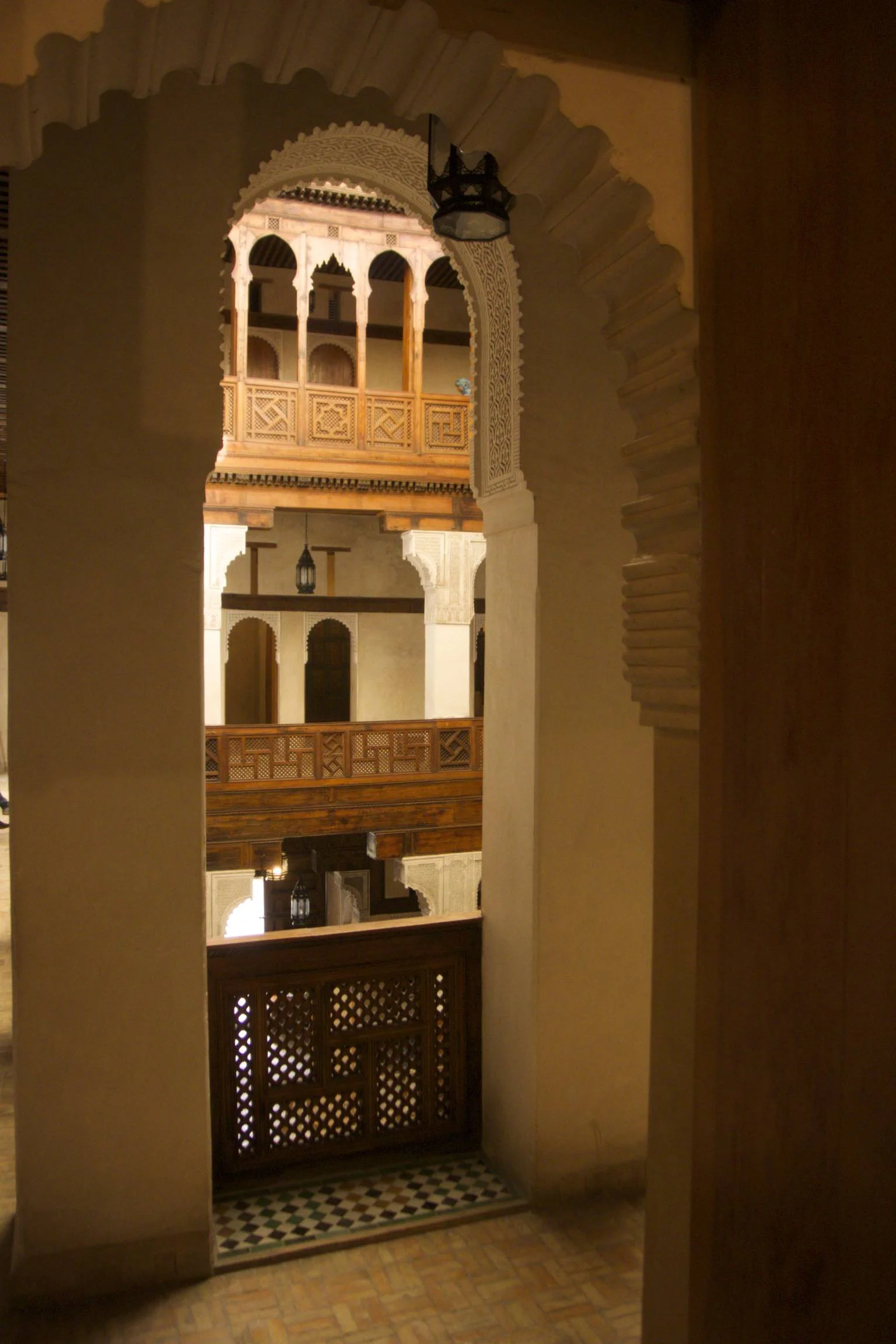
Interior of the first riad that we stayed at in Fez. 

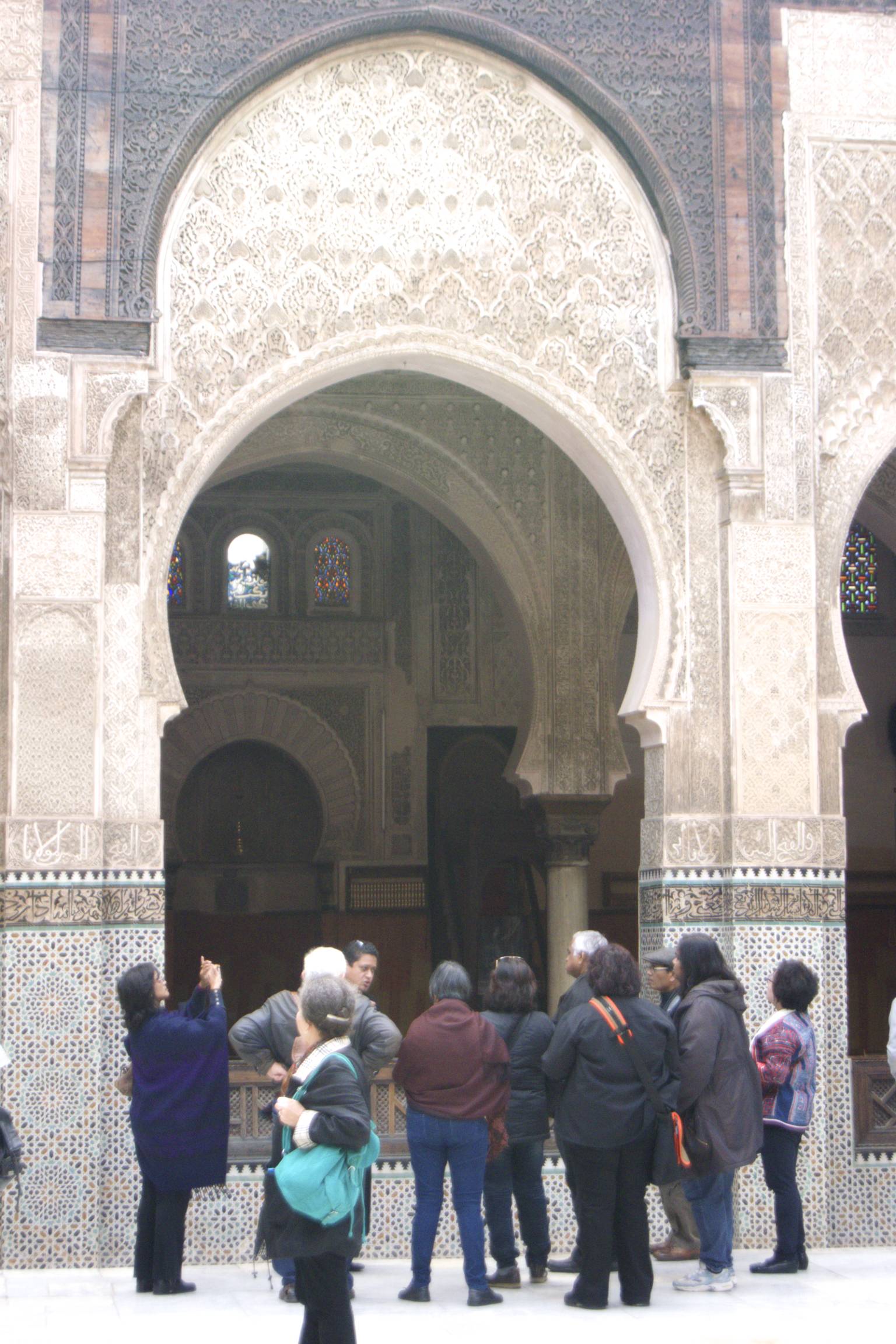
In this case, “home” was delightful riad or open-air-courtyard within three stories of guest rooms looking down on a fountain. The interior walls were covered in tile, carved stone, arched wooden doors and coloured-glass windows. A rather striking combination when you put them all together.

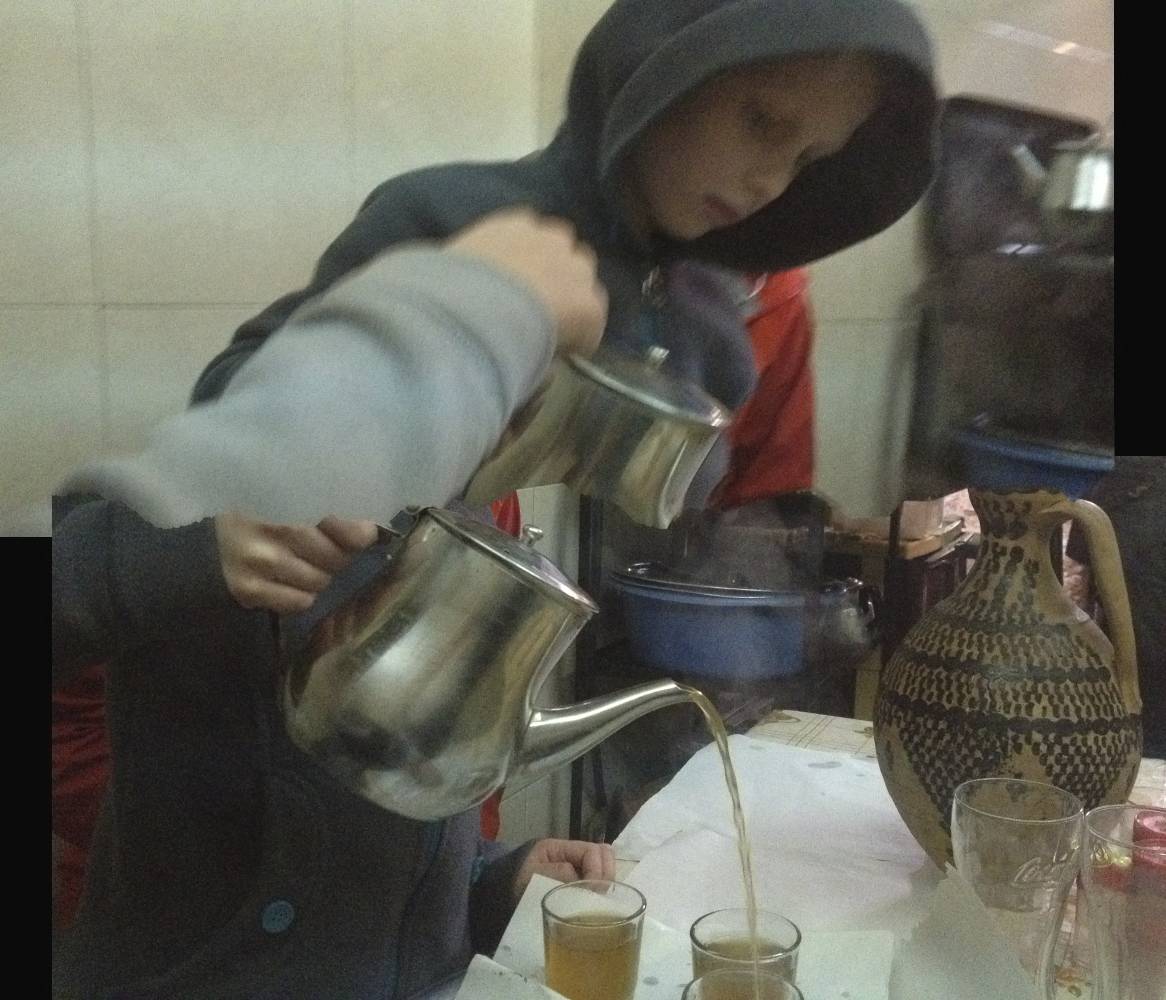
We gratefully gulped down some very sweet, mint tea and commenced our move-in procedure with military precision:

  1. Unpack just enough clothes and leave the rest in the luggage;
  2. Deploy the toilet kit to the bathroom;
  3. Start recharging the iDevices;
  4. Check to see if the WIFI (“wee-fee”, en Français) works;
  5. Play video games until parents notice;
  6. Restart road-schooling assignment as parents told you in the first place;
  7. Plan out what’s required for the next meal:  go out, shop and eat in, or just skip it and go to bed; and then
  8. Check the guide book again to find out where the heck we’ve landed….


You Are Here

In this case, we had landed in Fez (a.k.a. Fès), one of four imperial cities in Morocco.

Pop Quiz: Name the others… Answers below*.

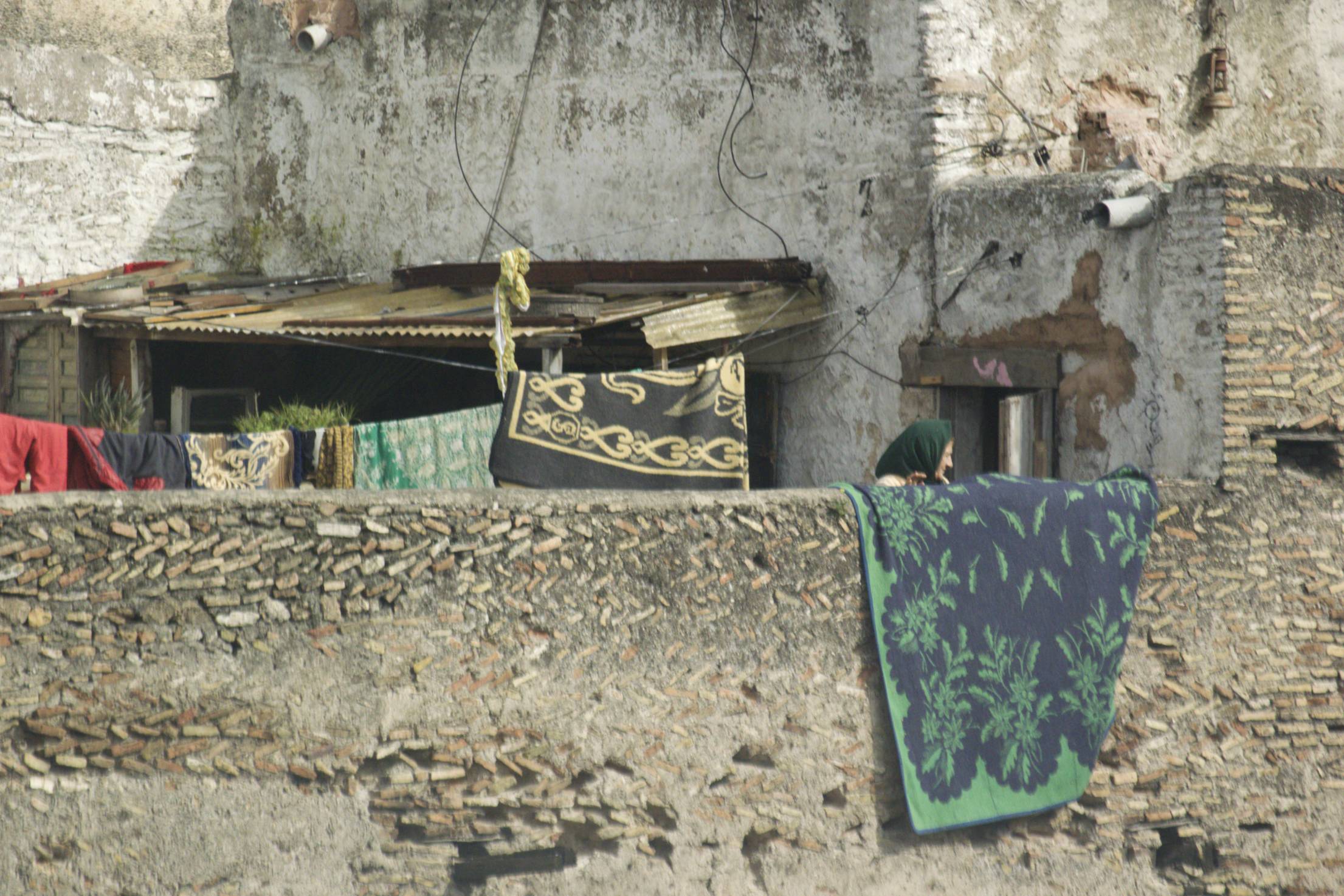
Fez’s medina or the old city (established 808 AD) is the largest pedestrian-only neighbourhood in the world – a labyrinth of small streets, alleys and courtyards covering 30 km2 and reportedly home to 150,000 people.  A five-metre-high wall runs 19 km around this medieval city, enclosing a hazy sea of flat roofs, balconies, clothes lines and satellite dishes.

Fez medina from a nearby hill. University in the foreground with the green roof.  

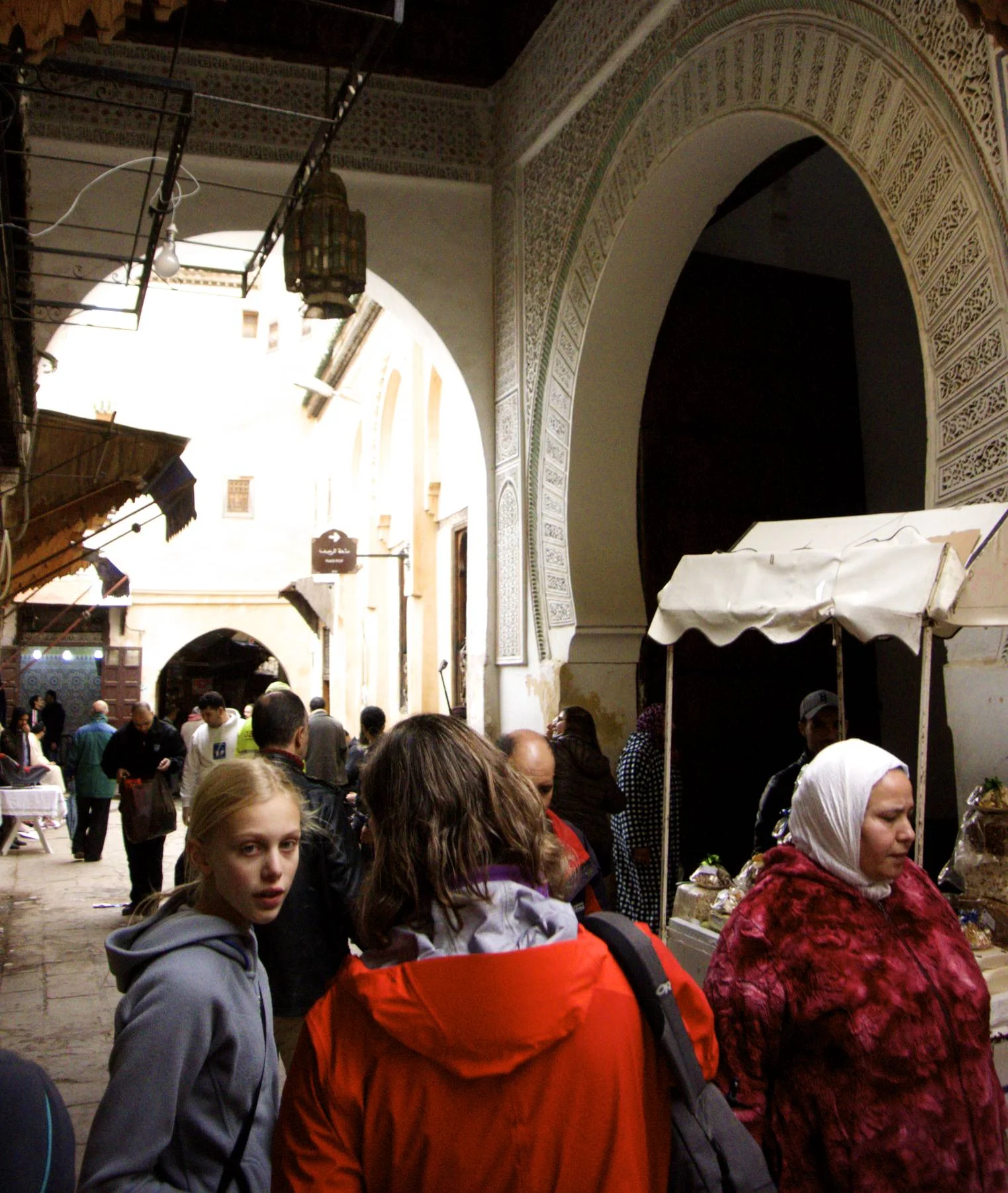
Most of the medina’s narrow streets are covered by the upper stories of buildings and/or bamboo lattices, but it is always well-lit nonetheless. Vendors in narrow shops spill out into the alleyways selling handicrafts, food, household goods, pirated DVDs, sides of beef, bread, spices, soap, leather products, carpets, shoes, cigarettes, clothes, etc. It’s all business, all the time…except on Fridays when most of the shops close by the noon prayers.

As you jostle through the crowds of locals and bag-clutching tourists, you sometimes need to make way for a man pushing a hand-cart or a donkey laden with cooking-gas canisters. You are constantly being welcomed to “just step inside and see” or to eat yet another meal for a “good price”. After a while, I got tired of saying “no, merci” and just ignored the touts.

There are something like 9,000 streets, alleyways and corridors in this medina, and you can quickly find yourself entering someone’s private riad if you’re not careful. If you do get lost, however, you can just follow the flow of people to one of the two main streets and head back up the hill.

There are also approximately 90 mosques in the medina, as well as two Koranic schools (medersa), and what is reputedly the oldest university in the world, Kairaouine Mosque and University.   Unlike in Turkey, non-Muslims are not allowed to visit most mosques in Morocco, although we are allowed to visit some of the mausoleums. But in case you’d ever have any trouble finding religion in Fez, you’ll be sure to hear the call to prayer five times a day. When it is blaring from every mosques’ outdoor loudspeakers, it sounds like you are in the middle of a speedway.


A Public Service Announcement:

We also learned that a medina in Morocco typically provides five public services:

  • water fountains or taps for both humans and animals;
  • communal ovens for baking bread;
  • Koranic schools for children;
  • mosques where the faithful can say their prayers and hear sermons from the iman; and
  • hammans or “Turkish” baths, since most houses would not have hot water.

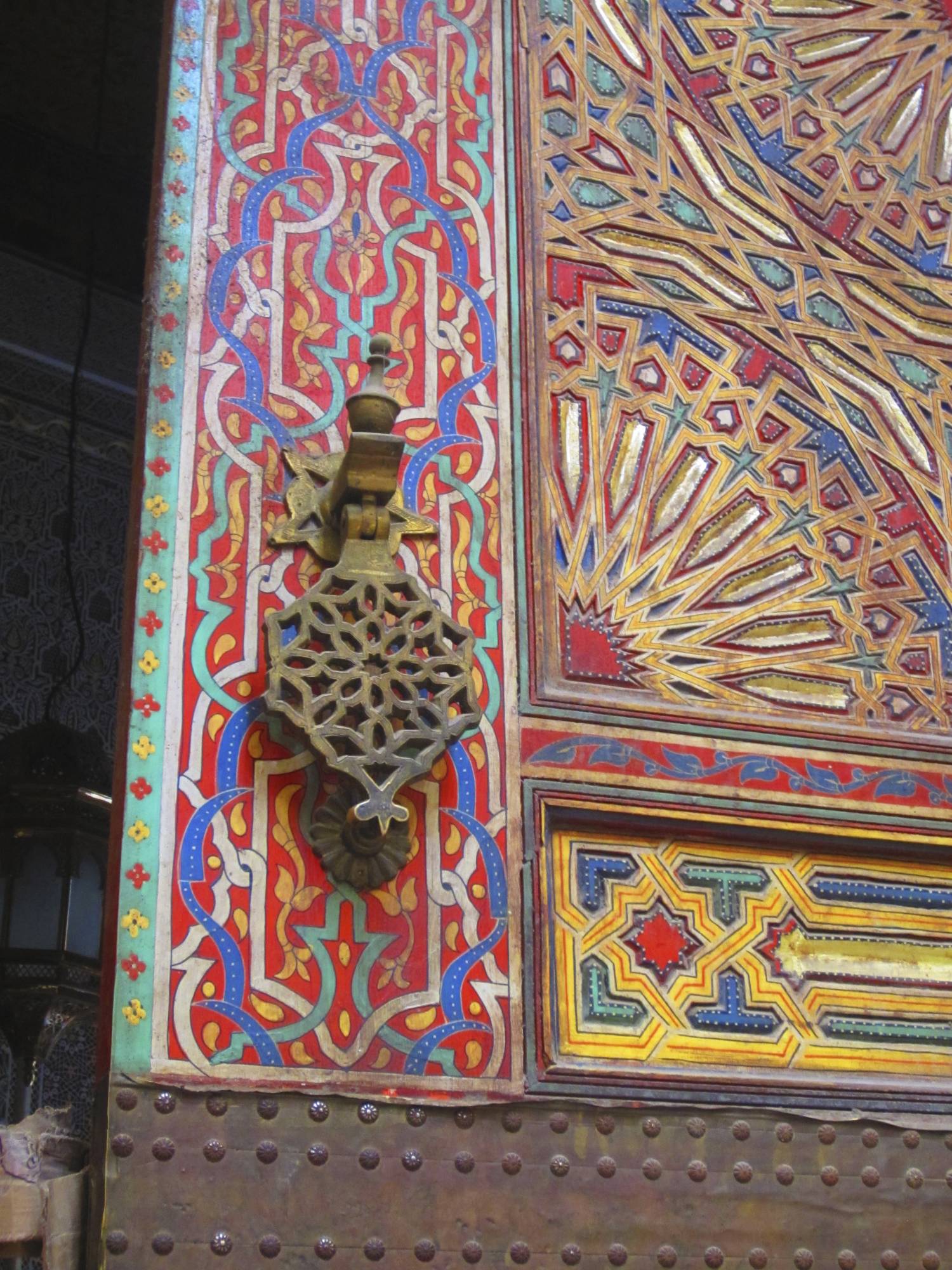
Many of these facilities are provided in grand style with tile, carved wood, marble or plaster and Arabic calligraphy -- quite amazing when you consider that these were really just public utilities. Imagine if designers in Canada put that kind of flourish on a light stand, bridge or public building?

Tourism is now one of the major sources of income for Morocco and the current government is investing a lot of money in restoring some of the older sites, including the famous Chaouwara tanneries that you’ve probably seen in any Google search of “Morocco”. Now the dying pits are a construction site, so I didn’t manage to get the money shot. No worries; I don’t lack for photos. And it gives me an excuse to come back.....

Of course, not everyone can live in the medina, and Fez also has other more modern and open neighbourhoods with palm treed, car-jammed boulevards, large mega-malls and sprawling suburbs where the remainder of the city’s 1 million residents live. We enjoyed a good Italian meal there one evening while watching football highlights on Arabic TV.

But it was really more fun to hang out in the medina where people are living in much the same way that they have for 1,200 plus years – albeit now with cellphones, satellite dishes, cheap plastic goods from China and fancy espresso machines in every restaurant.  Nothing stays static.
 

Some Pictures....

Click on the images to enlarge them to a "lightbox" size. 
Get Out of Town!

After spending a few days poking around the Medina, we rented a car to go south for a hike near Azrou and Ifrane – reputedly the Switzerland of Morocco, and it does look straight and orderly. The kids were thrilled to be able to run in a cedar forest, to see Barbary apes up (too!) close, and to roll down some spring-skiing-snow-covered slopes.

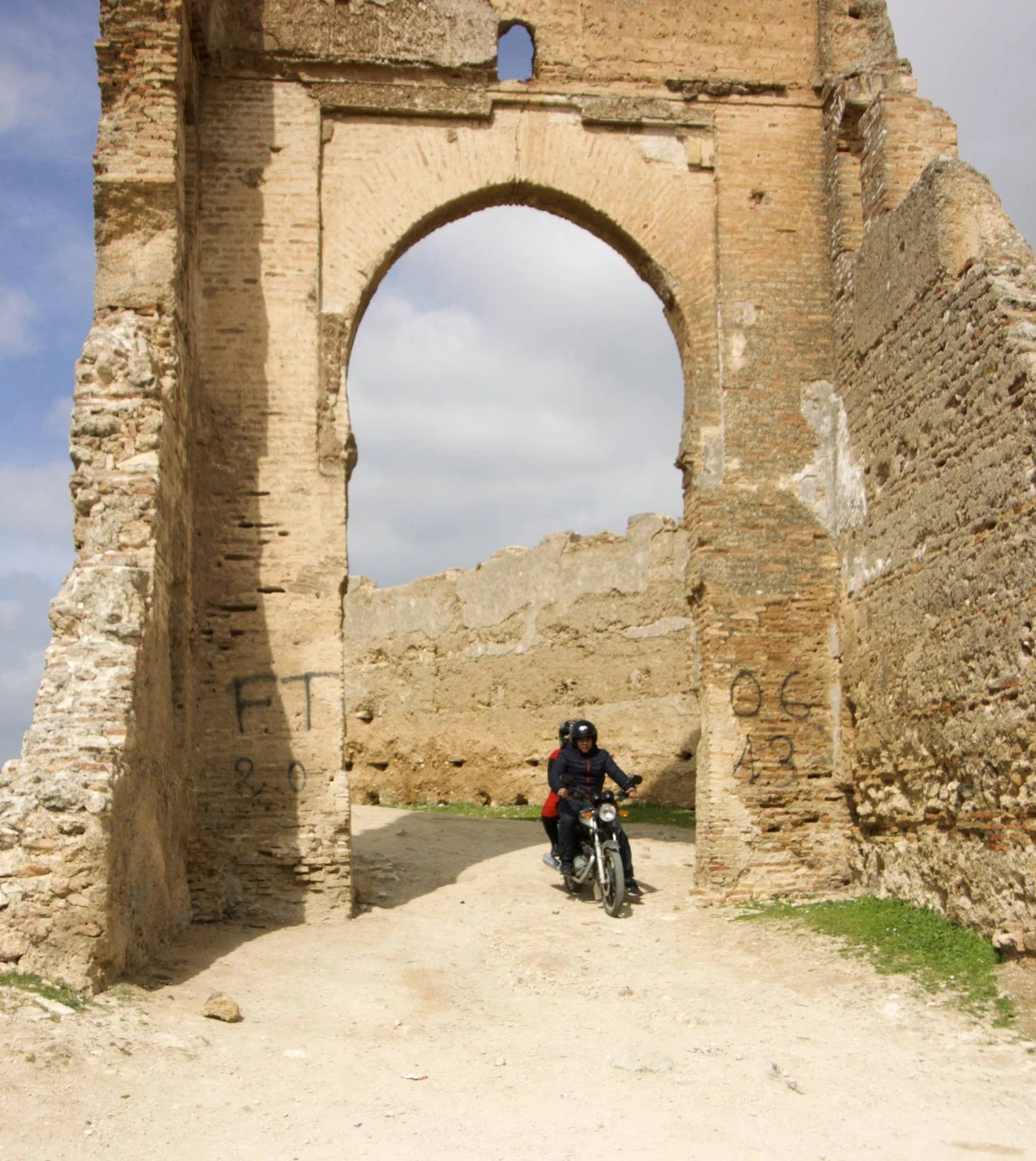
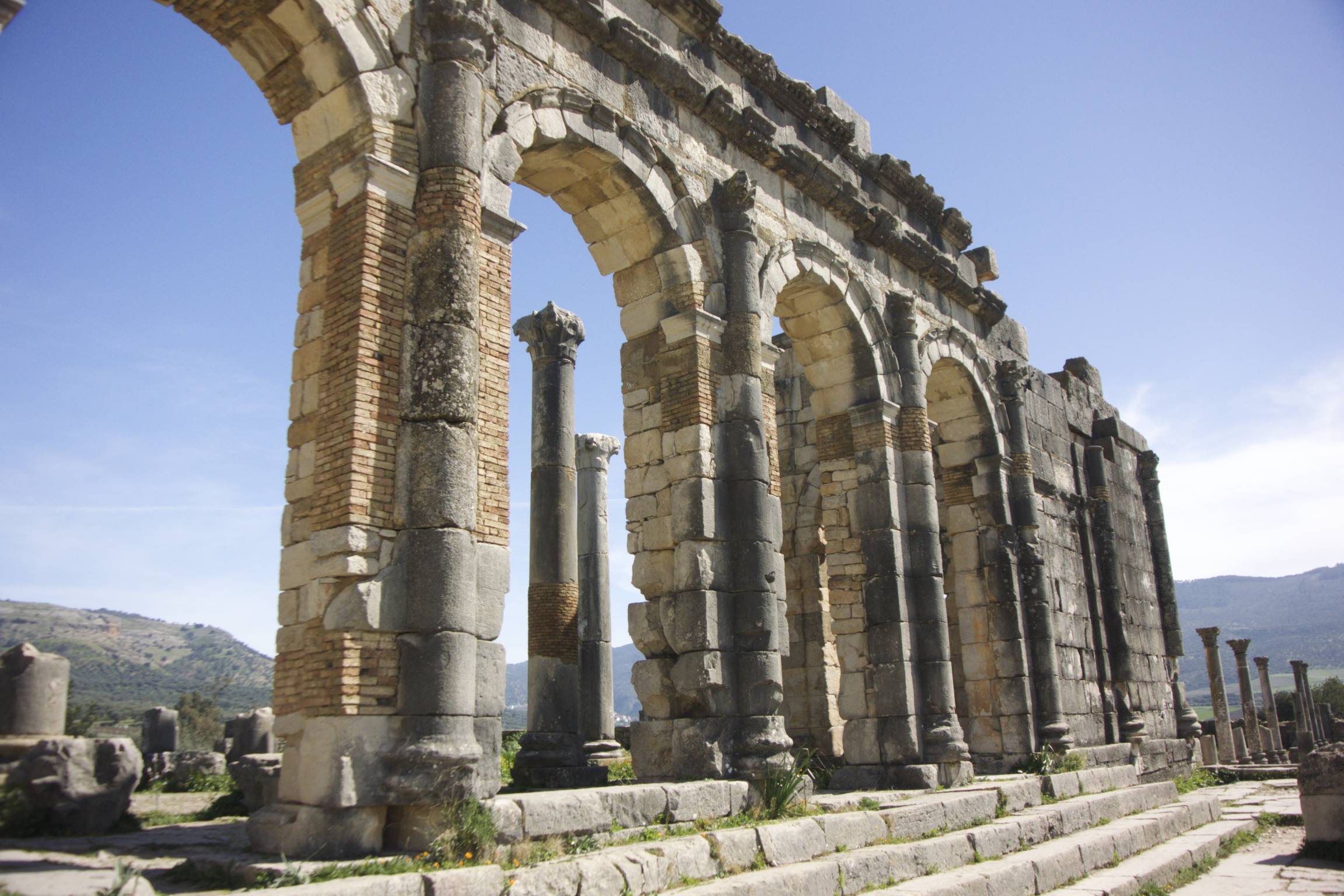
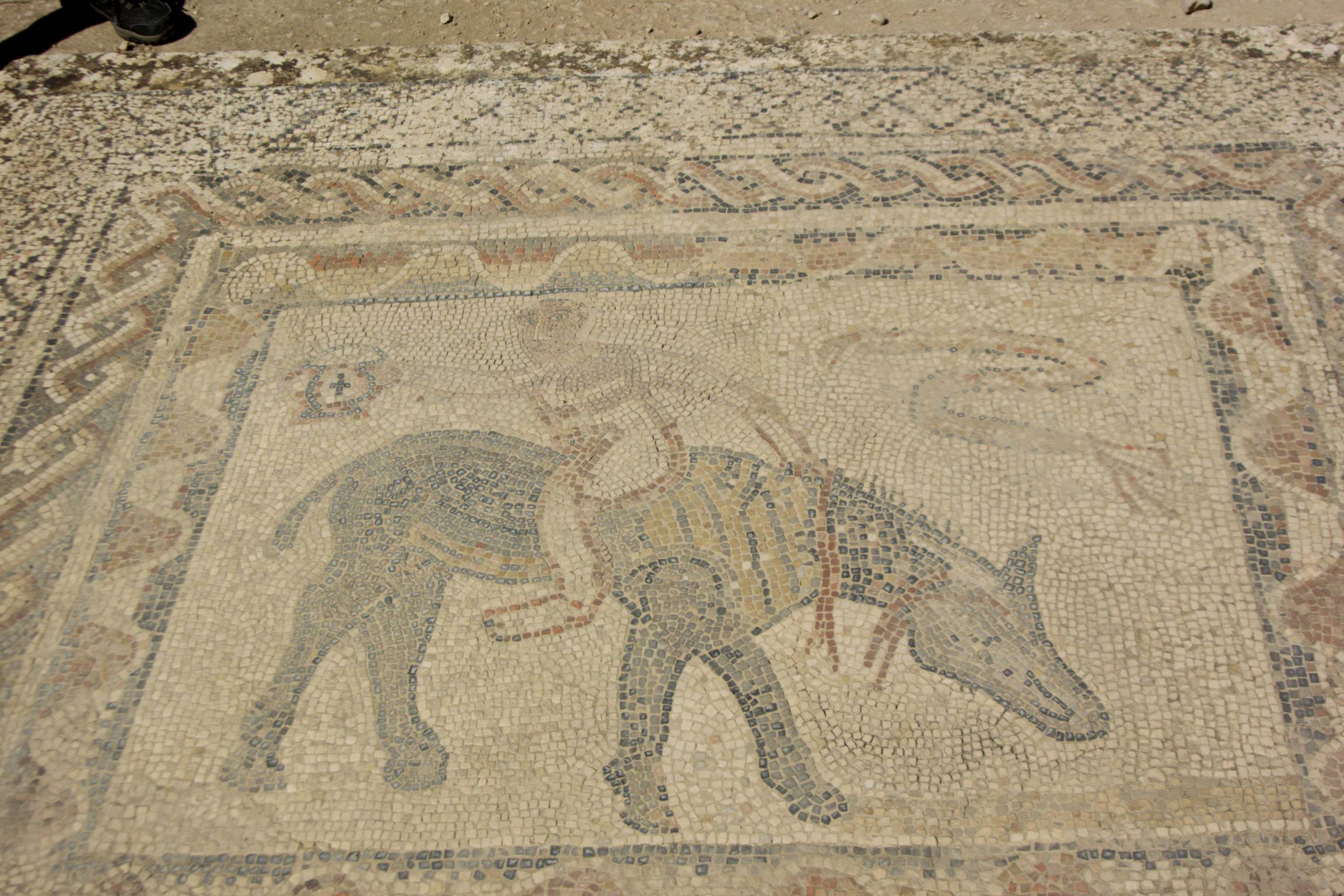
The next day, we headed north-west to Volubulis, the most preserved Roman ruins in Morocco. Having toured a few similar sites in Turkey and Spain, it was cool to see some of the same Greco-Roman staples here: underground sewers, heated baths, cobble-stone roads with chariot tracks, the agora or marketplace, large patrician houses, basilica’s, forums, arches, floor mosaics depicting Greek myths, and even public, open-stalled toilets where the Romans conducted their “business” together.    

Volubilis was eventually taken over by the great-grandson of the Prophet Mohammed, Moulay Idriss, who brought Islam to Morocco.  He was buried 5 km up the valley at the town that now bears his name, and his mausoleum is now the fifth holiest site of Sunni Islam

Pop Quiz: can you name the others? Answers below ** 

A few more pictures...

Yusef, a guide who found us as we pulled up to the wrong parking lot, said that five visits to Moulay Idris is considered the equivalent of one visit to Mecca. Who knew?

Before our rental car pumpkined, we made a short visit to Meknes, the second of the four imperial cities founded only relatively recently in the 17th Century. There, we fought our way through the rush hour traffic to briefly see the Bab el-Mansour gate and the mausoleum of Moulay Ismail, one of the other holy sites open to us infidels.

We then high-tailed it back to Fez to return the car and get ready for the next leg of our journey.
 

Sunset at the fort above the medina, Fez. 

Insha’Allah

Morocco, so far, has been beautiful: sunlit, cultivated and colourful.  The people we’ve met have been mostly mellow and extremely hospitable.

They are also quick to follow any statement in the future tense with “Insha’Allah” – God willing. For example:

ME, trying to get away from a tout:
"Nous avons déjà mangé, merci. Mais, peut-être nous retournerons chez vous un autre fois."

TOUT, knowing full well I’m lying, but gracious all the same:
“Insha’Allah. Soyez bienvenue.”

We are managing fine in French here -- we even enjoyed two days of parlez-ing with a family from Avignon – although we sometimes need to make the occasional foray into broken English, sputtered Spanish and/or even our 1-2 words of nascent Arabic. It’s good to travel with a polyglot, that’s for bien sûr.

Mais, jusque maintenant: so far, so good. I think that we’ll enjoy our month in Morocco…. Insha’Allah!

The Answers, for those of you playing along....

* Four imperial cities of Morocco: Fez, Meknes, Rabat and Marakkesh. Each were established by different regimes over the centuries, but all have royal palaces still today. 

** Five holiest sites for Sunni Islam (some may contest this…):

  1. Masjid al-Harram in Mecca, Saudi Arabia.
  2. Al-Masjid an-Nabawi in Medina, Saudi Arabia
  3. Al-Aqsa Mosque, Jerusalem, Palestine/Israel (choose two)
  4. City of Kairouan, Tunisia,
  5. Moulay Idris, Morocco – although Wikipedia put the current exchange rate of 6 visits here = 1 visit to Mecca. Must be inflation. Nothing stays static. 

Dwayne-in-Spain's Stay, Mainly Entre Planes

February 7 - 26, 2015 / Madrid & Barcelona, Spain

It turned out that our three weeks in Spain inspired both Tricia and I to start a blog post at the same time....so this blog post is a bit of collaborative effort. 
 

Out of Africa


Our visit to Tanzania was "a sort of homecoming" for us, having worked there between 1998 and 2002. We were pleased with how much Swahili we were able to resuscitate, and it was great to go a bit "deeper" culturally after 3 months of just getting by in Turkey. 

We were also grateful to have the support of the World Renew Tanzania team, who helped us with bookings, let us stow our extra stuff (e.g. winter clothes) in their office storeroom, and set us up with some volunteer assignments that we could plug into very easily

Overall, it was a great way to revisit Tanzania, to contribute to their work and to see some old friends and familiar places. The children seemed to take everything in stride, and they managed well during the days we were volunteering when they had to make friends quickly (and briefly :-( ), or even to fend for themselves for a day during our last workshop.  

But after two months in Tanzania, it seemed like it was time to either settle down or go. 

We left hot, humid and dusty Dar es Salaam on February 7 at 1:45 am, changed planes in Cairo, and then pulled into Madrid several hours later. It took a bit longer for the last of our bags to catch up with us, but all was fine in the end. 


Madrid - Part 1

Walking out into the Madrid airport (MAD) felt like we were on the set of the LEGO movie: crowds of people moving between multiple floors on moving sidewalk-ramps, escalators and elevators, sleek space-age trains and espresso-coffee-vending machines.  An hour train ride later, we found our Air Bnb downtown and made ourselves at home.

Why Madrid? Well, partly because Madrid is the last stop of our Aeroplan ticket -- we'll fly home from here in July --  but also because Madrid is close to a few other places that we'd like to visit (e.g. Barcelona, Morocco, France). Although the shoulder season, February turned out to be a great time to go there because the weather was cooler and the line-ups were much shorter than they would have been during the high season. 

Knowing that we'll be coming back through here, we were content to wander around and take a Hop-On-Hop-Off bus to get an overview of a city.  However, the tour bus narration consisted of a lot of jazz fusion muzak interspersed with obscure factoids about architecture and the royalty that commissioned it. A bit dry, I'm afraid, and after a while, the names, dates and styles started to just overflow our jet-lagged brains.  

We also managed to do a bit of shopping and visit the Museo Nacional El Prado, home to what some say is one of the finest collection of European art, including Velázquez, El Greco, and Goya. 

Madrid certainly plays the role of impressive, imperial capital, and it will be interesting to visit it again in the summer when it's hot. But our main objective this time was to make it to.... 

Barcelona

Barcelona.  What a city. It really warrants a fanfare. Please watch the video below before continuing....

Yep, Barcelona is really that epicalistical, as the kids say.


We spent two and a half weeks in Barcelona, and it was wonderful. The two Air BnB apartments where we’ve stayed were in very pedestrian-and-bicycle friendly neighbourhoods, close to subway stops, and within three banister-slides to cheap-but-good-red-wine, espresso, and all the groceries we needed. It reminded us a lot of Montreal, and indeed there is a strong separatist movement that very nearly resulted in Catalunya becoming an independent nation last year. 

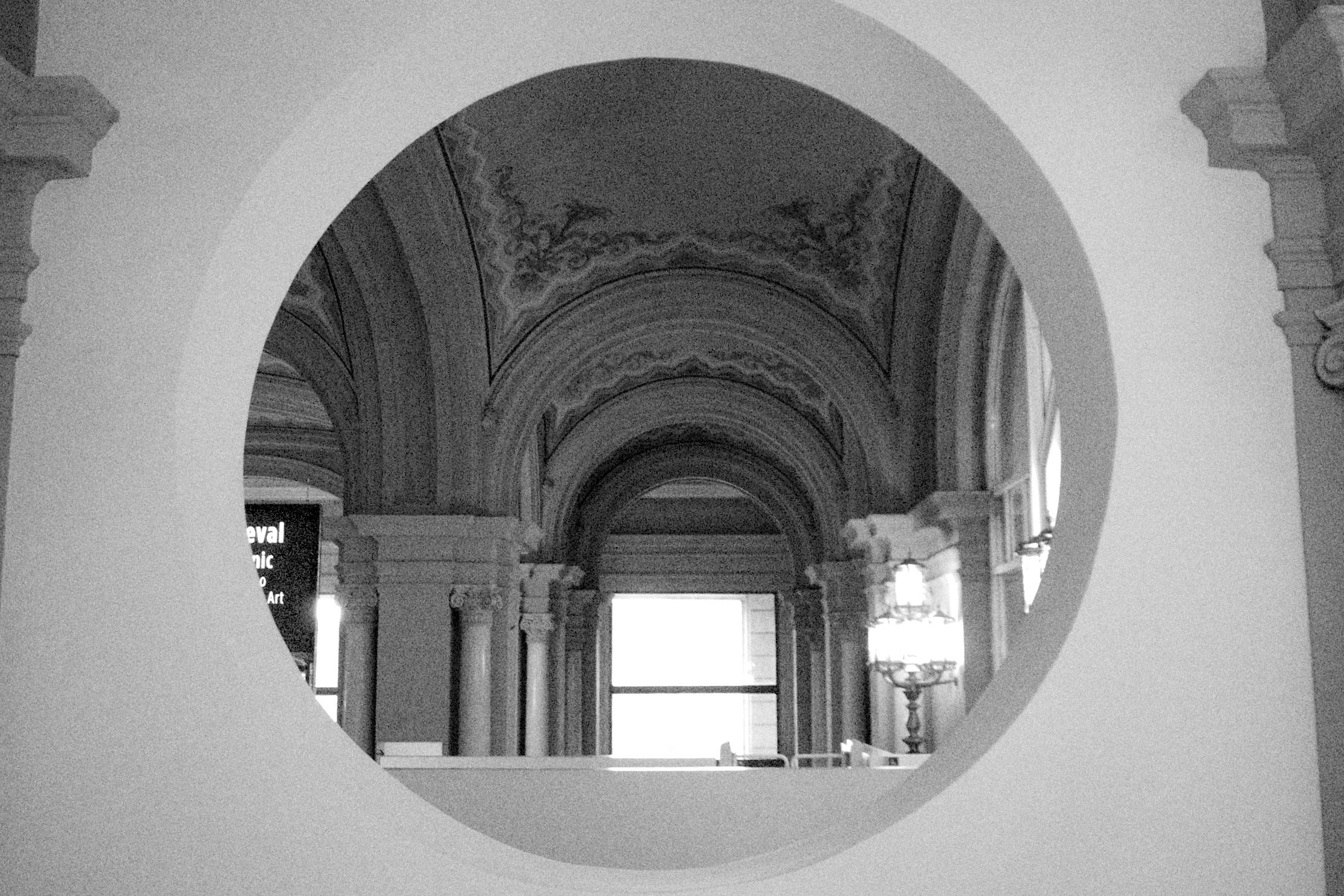
Barcelona has small, angled streets like Istanbul, minus the steep hills, and a great mash-up of Roman, Renaissance, Medieval, Gothic, Romantic, Modernisme / Art Nouvelle, Post-Modernist, Post-Colonial, Hyper-Post-Modern-Meso-Whatchamacallit styles.....Okay, I’m obviously not an architect, (although I do have the glasses….). But we’ve really enjoyed Barcelona’s joyous cacophony of styles, angles and colours. 

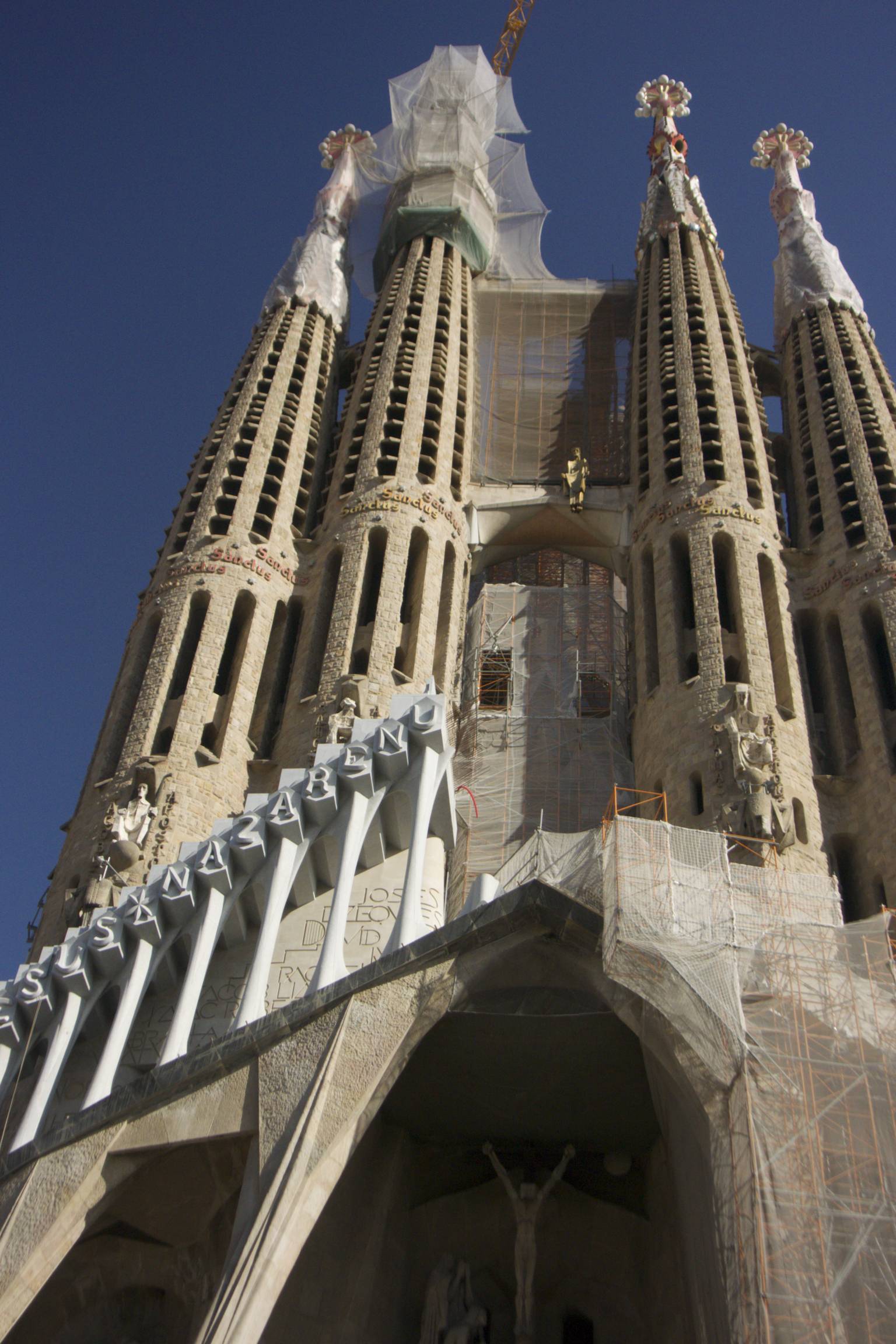
One of the city's most famous architects was Antoni Gaudi, and we had the chance to see three of his projects, including La Pedrera, the Parc Güell, and of course....

La Sagrada Familia

The highlight for me (Trish) was the Sagrada Familia.  What a space!  I have been wow’ed by buildings before (Ste Chapelle in Paris, the Aya Sophia in Istanbul, and even the Skydome J), but the Sagrada Familia actually brought me to tears.  It’s astonishingly beautiful, especially inside where the stain glass windows really shine. 

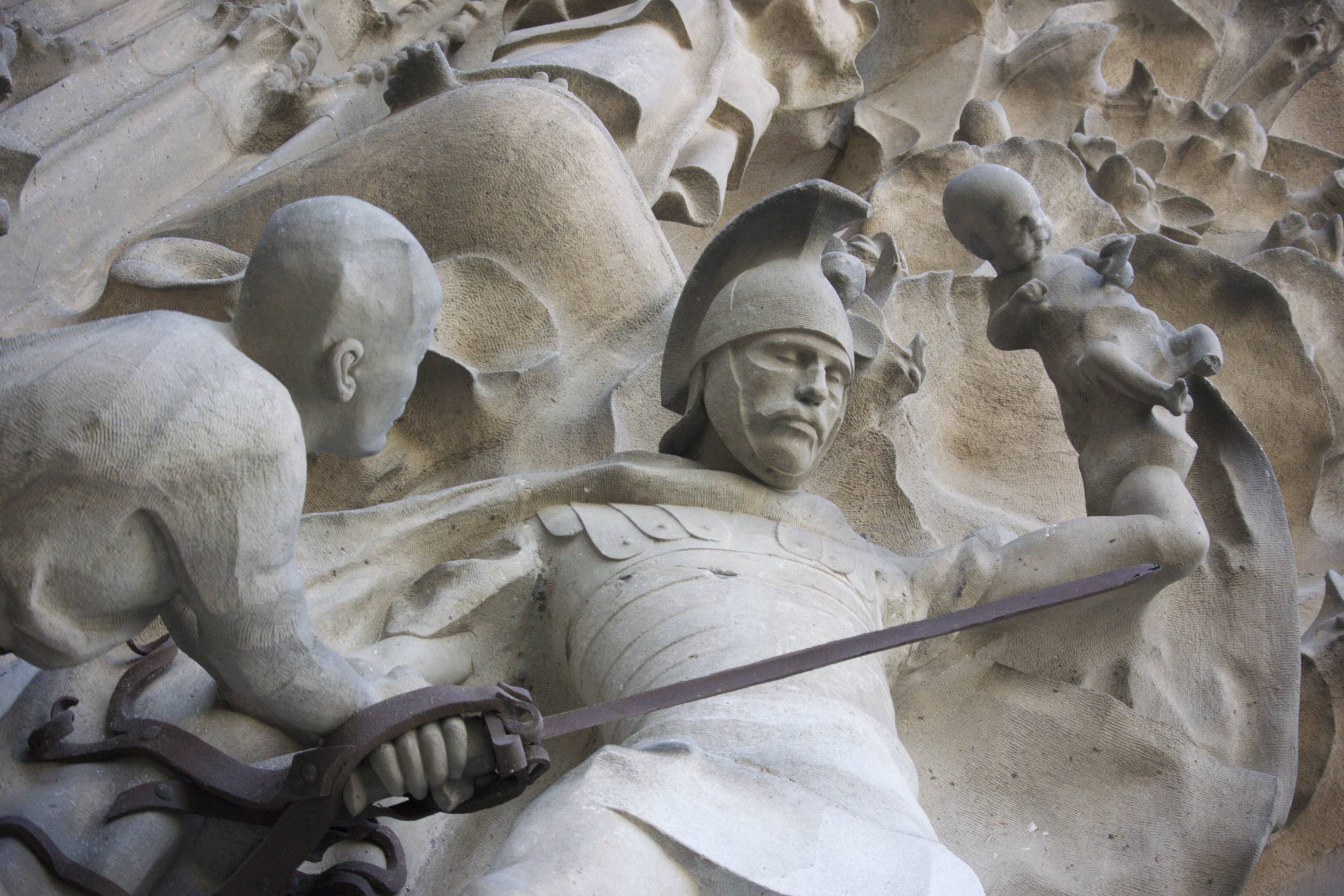
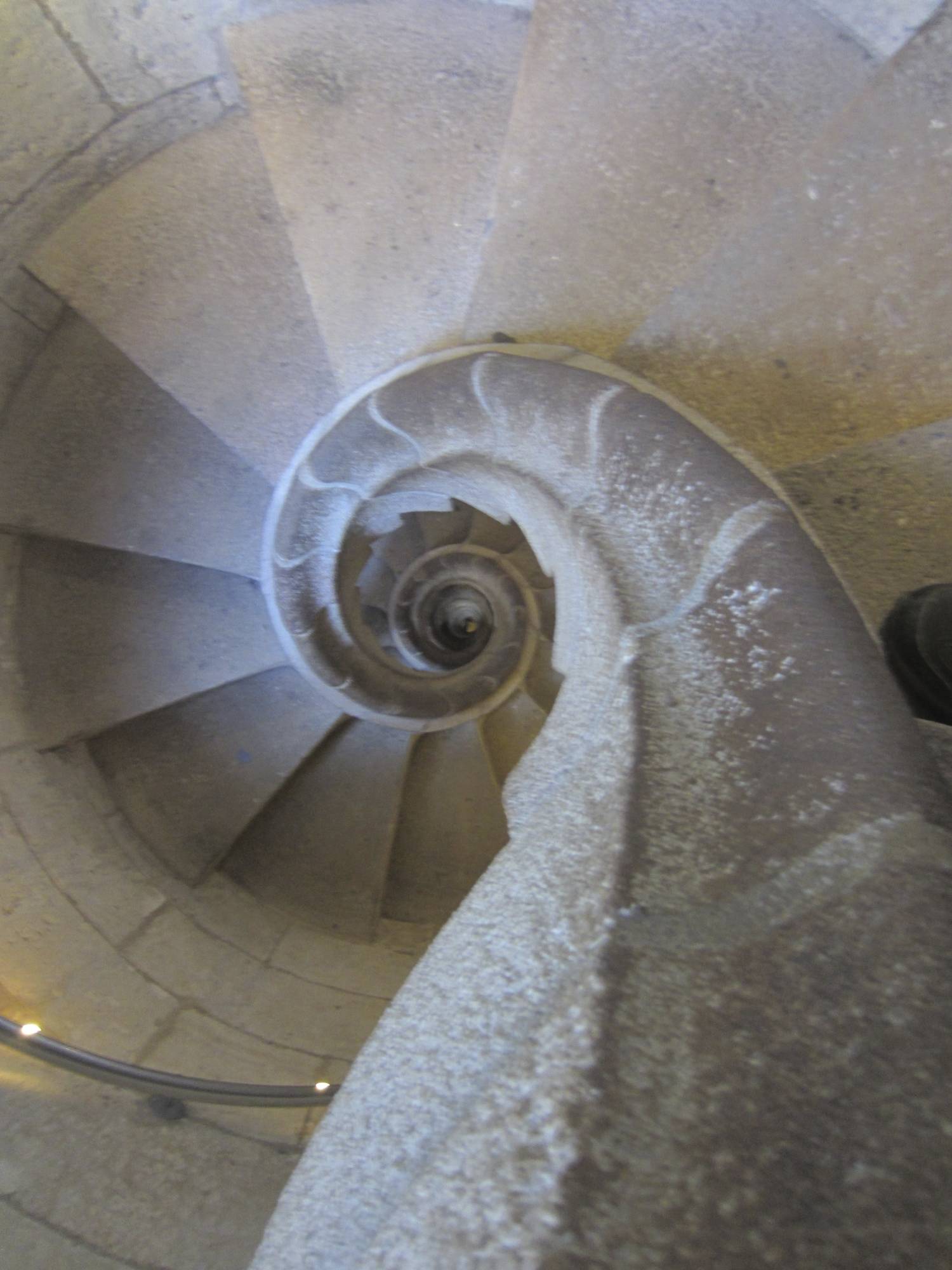
The architect behind the Sagrada Familia, Antoni Gaudí, certainly makes you rethink our propensity of making walls straight!  His apartment blocks, churches, cellars, - all his buildings take their cues from nature, and are full of spirals, parabolaoids, and lots of sticky-outie bits. He certainly wasn’t shy about adding flashes of colour, and even words on his buildings.  It’s like he built with exuberance. 


Fútbol Mania

Barcelona is the home of Isaac’s (current) favourite team, the celebrated “Barça” FC , led by Messrs. Messi, Neymar and Suarez. Their logos are everywhere you look and it seems that half of the tourists that come to town are making the Haj (pilgrimage) to Camp Nou, their home stadium (capacity 95,000). Every coffee shop and bar plays the games where the fans watch in silent concentration (and perhaps, prayer). 

Months and months ago, as we were preparing for this trip, Isaac had said he really wanted to see an FC Barcelona match, so it was great to be able to get out to a game, right around the time of his 9th birthday.  It was especially fun, given that Barcelona won. 5-0!  Isaac was able to recall all of the highlights for days afterwards. 


Viva, Barcelona! 

Barcelona also seems to have a museum on every block, and we managed to visit:

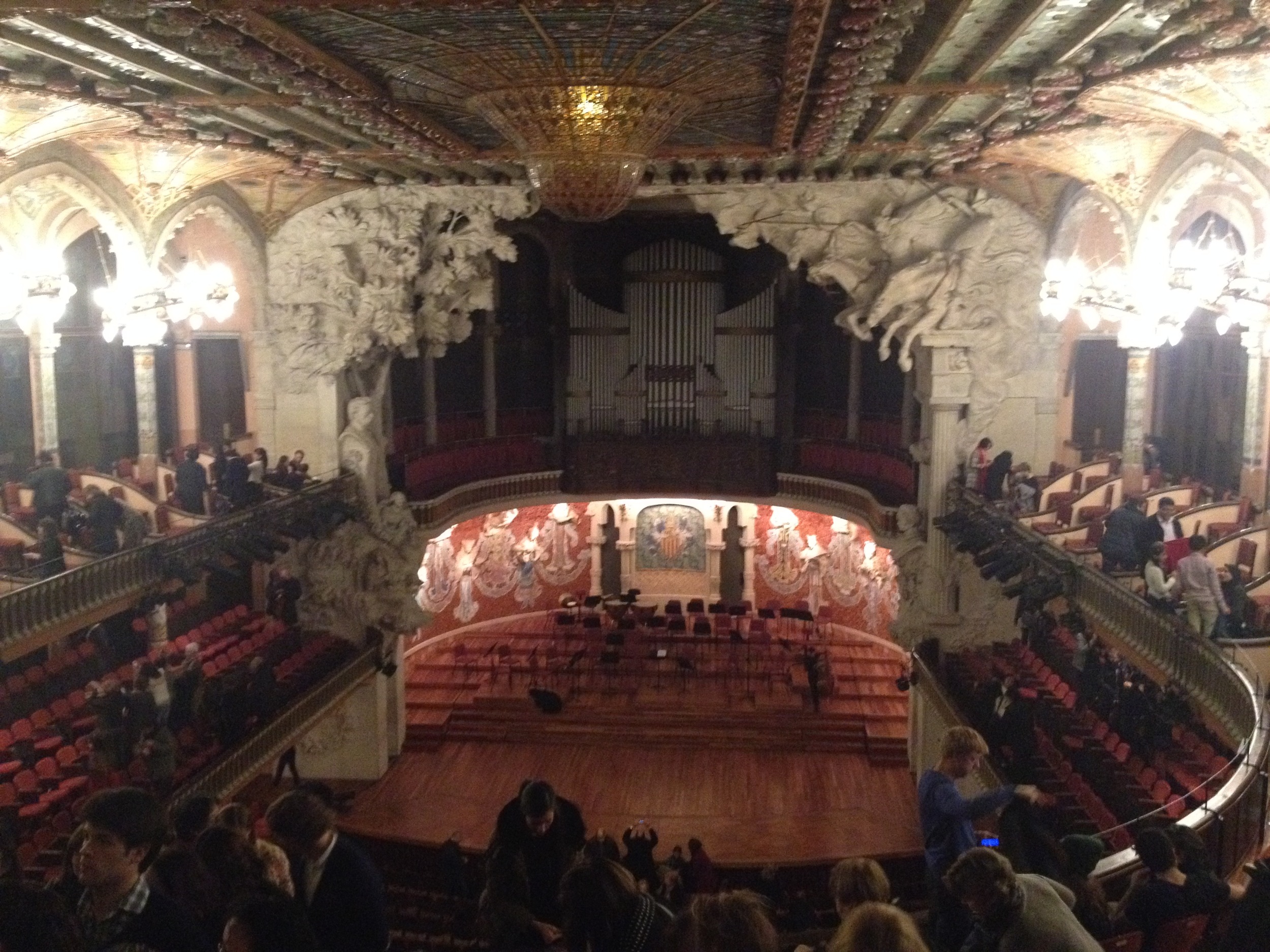
Zoe and Dwayne also had a chance to see the opera, Carmen, at the Palau de la Musica, an Art Nouvelle gem.

And best of all, we were able to celebrate Isaac's 9th birthday with another vagabond Canadian family, Paul, Laura, Ella and Wesley, as well as Tricia's mutual friends, Julie & Sam with baked macaroni and cheese and trifle. It was great to have some other kids around for the party. 
 

Viajes fácil

Looking back, our three weeks in Spain was really an “easy” part of our trip:

  • Moving around was easy,
  • Most things worked, with exception of the WIFI at one apartment;
  • We felt safe, and the city was very clean;
  • We stayed in two great apartments with lots of space -- after often squeezing into one room in church guest houses in Tanzania,
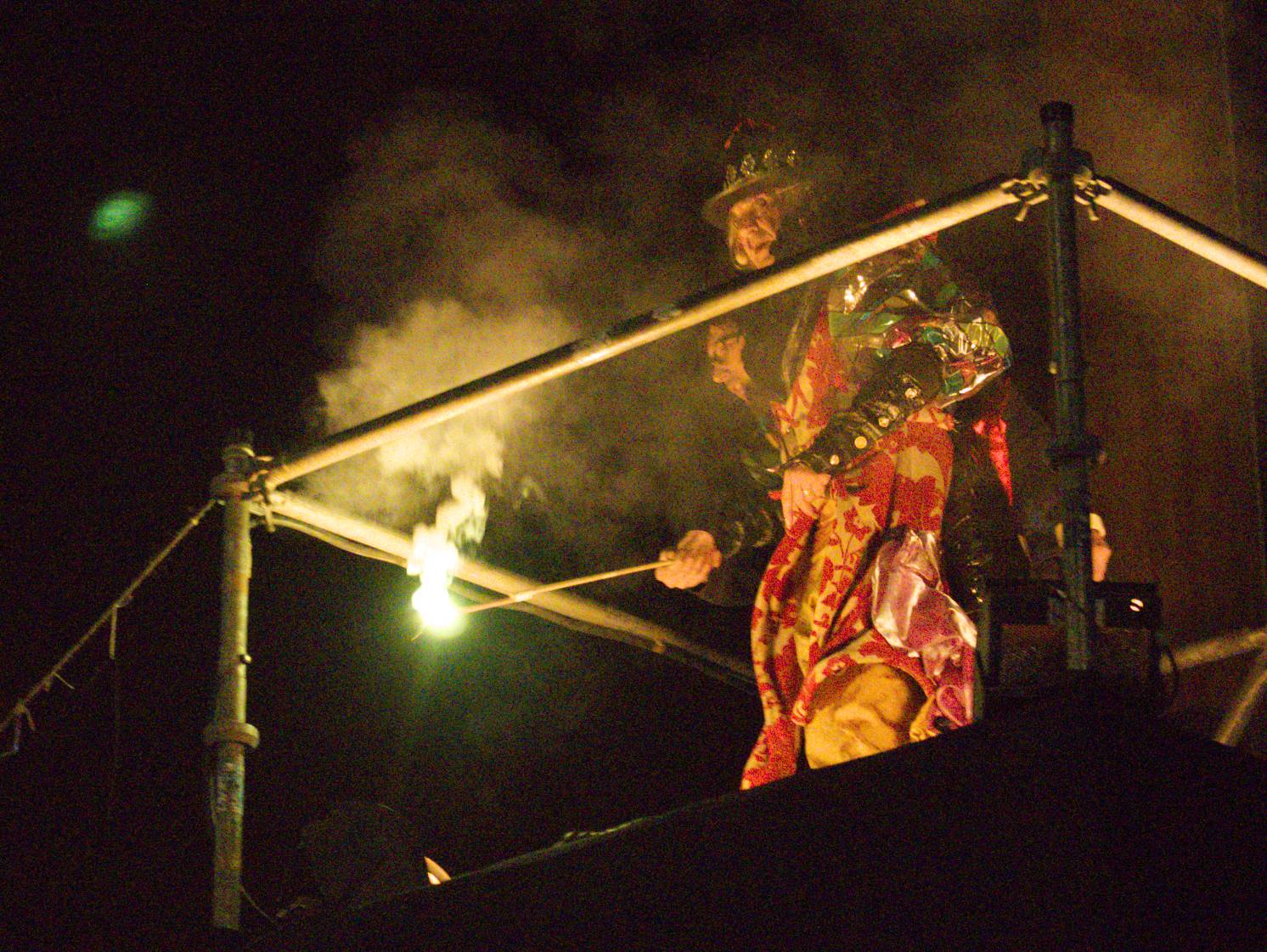
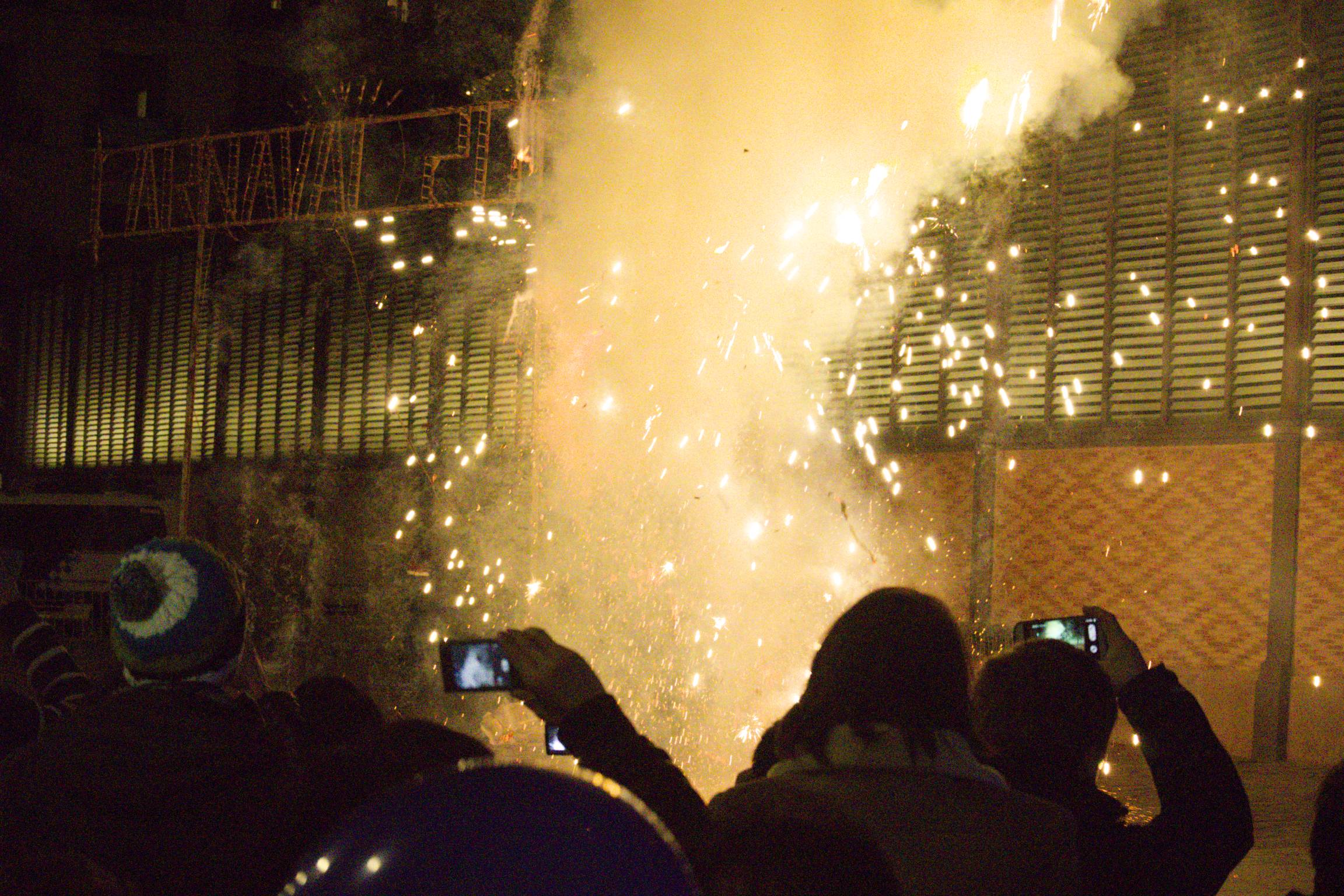
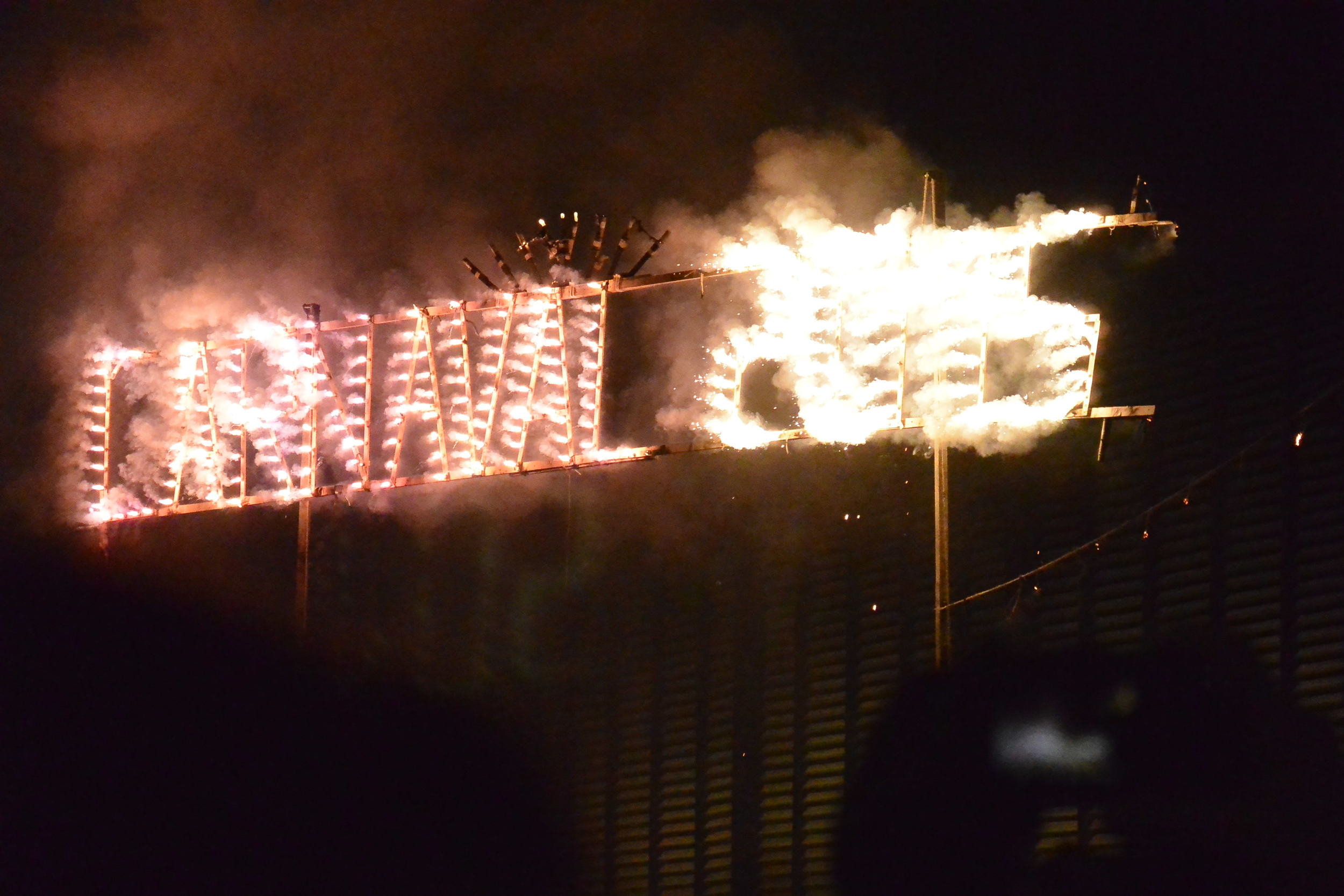
  • We happened upon lots of fun free local events (including Carnaval!),
  • We loved all the tiny streets and public squares (plazas)

Trish also speaks passable Spanish (Castilian), so that really helped with the day to day errands, even in a Catalan speaking area. 

Of course, we’re aware that Spain faces lots of issues -- there’s a colonial legacy that paid for all of this opulence, and we primarily saw a touristy part of a country facing 23% unemployment since the last financial crisis.  But oh, it was nice to travel in a place where the hassle factor is so low. 

Mais maintenant.....on to Morocco! 
 

A few photos

Our time in Barcelona, of course, included taking some pictures. Here are a few. Click on them to see them in a larger "lightbox" format. 


Warm, Dry & WIFI

Or, the Art of Guesting

When I was a kid, we hardly ever stayed in a hotel, a motel or even a cabin while on vacation. Our preferred mode of accommodation was always to go camping – initially in our trusty TAG-A-LONG, hard-top camper, or later on in tents.

My dad would usually take his two weeks vacation in August and we’d visit our favourite Ontario Provincial Parks: Killbear, Bon Echo, the Pinery, Arrowhead, and when we started going on church canoe trips, the legendary Algonquin Park. We’d hang out for lazy summer weeks on the beach and evening pyjama-clad visits to the amphitheatre to see such classics as The Rise and Fall of the Great Lakes, How I Learn to Love Lichen, and advice on how to escape an encounter with a black bear.

Because my mom and I are both August babies, most of our birthdays were celebrated around a campsite picnic table blowing out candles on a homemade, Tomato Soup Cake. It is one of my mother’s classic recipes– and with a brown-sugar icing, it is actually even better than it sounds. And whatever the heck is in Campbell’s tomato soup lets it stay fresh for a week or more without refrigeration. Perfect for camping.

But being the ungrateful third-born child that I was, I always envied the kids who got to stay in hotels with pools. Well, not so much envied, but I was always very curious what it would be like to stay in a place like that.

I finally got my chance in Grade 9 when our family made a three-week car trip out to Alberta . We had taken the “short-cut” through Michigan and faced with three days of constant rain, my parents decided it was too wet to camp.

At last!”, I thought. “Swimming, here I come!” as we pulled up to a great hotel with a pool.

Not so fast. We actually turned left, across the road from the great hotel with the pool, and decamped at what can only be describe as a rather basic motel: no TV, no restaurant and certainly, no swimming pool. It didn’t matter that I probably wasn’t going to swim the rain; I was still bummed.

Well,” my mother said in her wise, motherly tone. “At least it’s warm and dry”.

And that became the measure for any place that we’ve stayed since.

At least, it’s warm and dry”, I now intone as the kids roll their eyes.
 

To Err, ‘Tis Human. To Air BnB….

Of course, as a kid, I had no idea what anything cost or that part of the reason for camping everywhere was to save money. As a parent now, I’m much more aware of every penny, which is crucial when we’re travelling for an entire year, especially in more cosmopolitan places where our every-shrinking petro-Loonie doesn’t go as far. 

On this trip, we’ve had great luck using Air BnB, a peer-to-peer (P2P) website that allows owners to rent out their houses, apartments or even a room or couch in their house. This “sharing economy” website allows you to search by location and dates, and to filter places by key amenities like clothes-washer, elevator or WIFI.

Former guests can also posts reviews so that you can find out if there were any problems; in turn, the landlords can review you as a guest, so there is some mutual accountability. This review system works quite well, and a recent host told me that he finds the Air BnB guests to be much nicer than others who rent through bookings.com

AirBnB worked very well for us in Turkey, and again now in Spain, although there were relatively few options in Tanzania. On the upside, we’ve been able to rent whole apartments with kitchens where we can make our own meals, separate bedrooms for the kids and a living room to hang out -- all for a fraction of the cost of a dodgy hotel in the same funky neighbourhoods of Montreal, Istanbul, and Barcelona. We can also book the flats ahead of time in English and pay in Canadian dollars via a credit card, which eliminates much of the hassle factor. 

On the downside, we have found that a lot of the places that we’ve stayed are actually commercially-rented properties rather than private residences. As such, the contact with the host is often limited to handing over the keys and the odd text message. Not so gezellig, I’m afraid. And since we’re often staying in a private residence, we don’t bump into other travellers like we used to in hostels or hotels.

But on balance, it really is the way to go as a travelling family.
 

More Essential Criteria

The Ruffians have been remarkably easy going about some of the places that we've stayed at during this trip. Some of these hovels have not quite lived up to the "4-stars" rating they had advertised.  But having now stayed in something like 30 places since we left Ottawa last August, we’ve added a few criteria to my mother’s list. These include:

  • cool: a good night’s sleep in Tanzania often required having air-conditioning, and/or a ceiling fan;
  • bednets: essential in places where malaria is common.
  • a central location: sometimes it is worth paying a bit more to stay downtown to avoid having to take a bus all the time for every outing;
  • more than one bedroom – preferably three, so that our kids can enjoy some alone time;
  • a place to play football: although Isaac has been remarkably flexible about this, and has practiced his craft in alley’s and courtyards.
  • kids: If a place would have kids for Zoe and Isaac to play with, we’d probably stay in a bus shelter.

Probably the most important additional criteria, however, is access to WIFI. It is hard to imagine that we used to travel (shock!) without the Internet.  But these days, we’re online constantly to check the weather forecast; to navigate the backstreets of cities we get lost in; to book tickets for planes, trains and automobiles; to find our next week’s accommodation; and of course, to stay in touch with all of you out there in TV-land. Having WIFI also allows us to download English books from the library back home and to stay in touch with our family via a Voice of Internet Protocol (VoIP) phone.

Again, being connected is a mixed blessing. With the internet in your pocket, you’re never actually as much “away” as you used to be, and it is easy to be only half-immersed in your surroundings. But it also helps you find things and solve logistical issues that used to take up so much time in travelling.

So... here we are (left) in a new AirBnB place in Barcelona. It’s great: warm, dry and WIFI, and even better – an espresso maker in a funky, red kitchen!

Now if only I could just find some Tomato Soup Cake….


Gooooooooooooooooooooooooolllll!

Highlights of FC Barcelona vs. Levante UD, by Isaac Wind

Isaac's first appearance at Camp Nou Stadium wearing an FC Barcelona jersey....

Last Sunday, we went to Camp Nou, which is a completely awesome stadium where 95,000 people can watch FC Barcelona play.  When we got there, we went to our seats, which were in the first balcony, but we could still see the players very well. 

At the beginning of the game, Messi crossed the ball to Neymar, and I don't know how he did it, but Neymar kicked the ball with the inside of his foot, got the ball over the goalie, and got the first point.

Isaac practicing his moves in Barcelona. 

After that, Messi was going up the field, he pretended to kick the ball, then he kicked the ball with the inside of his foot, and scored.  Messi scored again.  He scored with a penalty shot, getting a hat trick by kicking the ball into the top corner of the net. 

Then Suarez got a cross from Pedro, and Suarez did a spectacular bicycle kick right into the net. 

So Barcelona won five-nil over Levante UD.

It was totally awesome watching the game!

Below is a video with the highlights! 


Habari za kazi?


How is the Work?

"What a minute…!" you may be saying, "What's that about working? Wasn’t this supposed to be a year-off?

Well, yes, sort of. Trish is indeed taking a self-funded leave or sabbatical year from her work at the International Development Research Centre (IDRC), and I’m also taking a break from my various (but not sundry) activities as a freelance facilitator and trainer.

But as recovering Calvinists, we realized that a taking a full year off work might just kill us. So before we left, we contacted our former employer in Tanzania, World Renew, and asked them what they might do if two volunteers showed up in Dar es Salaam.....

Quite a bit, as it turned out.

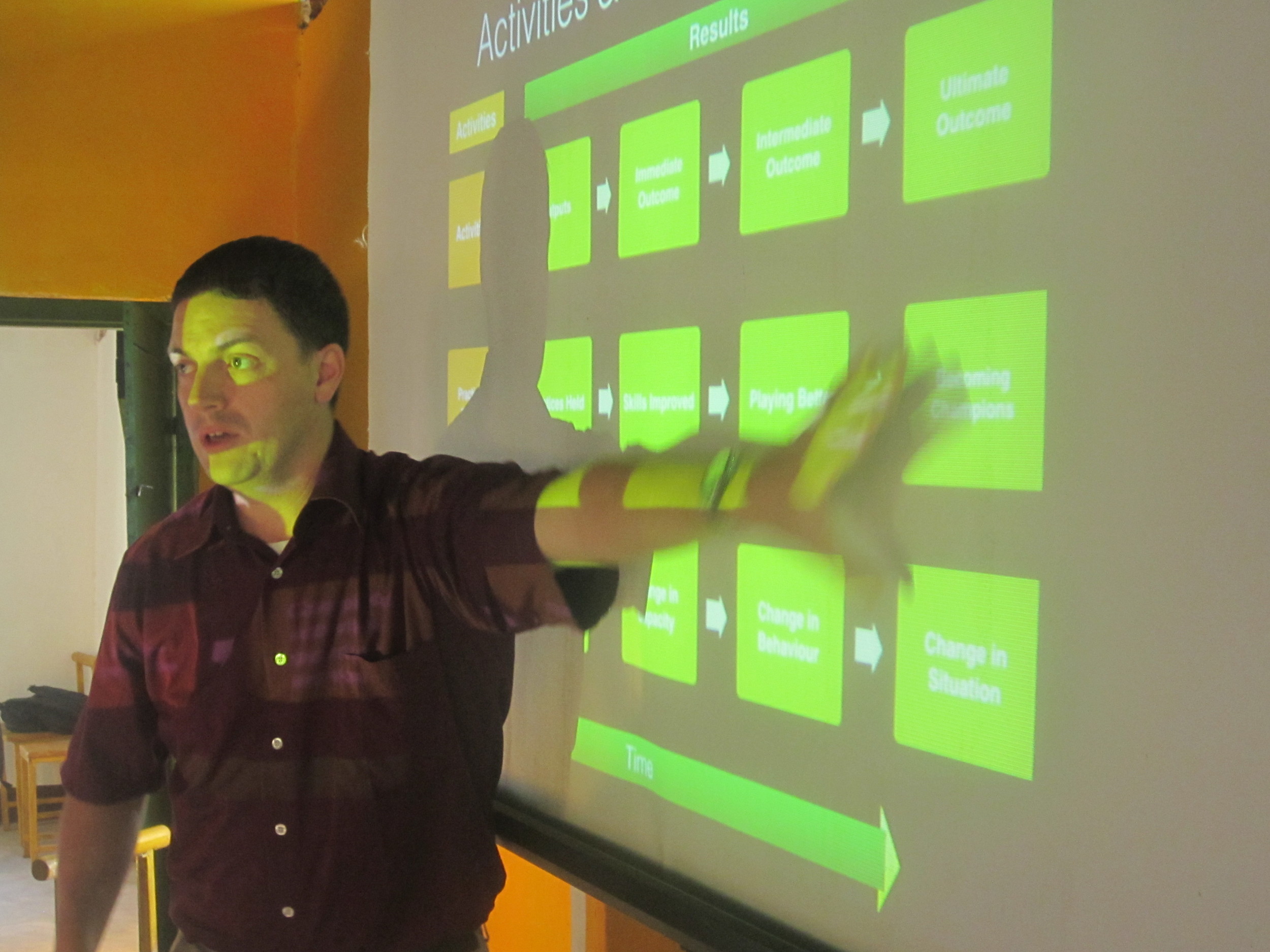
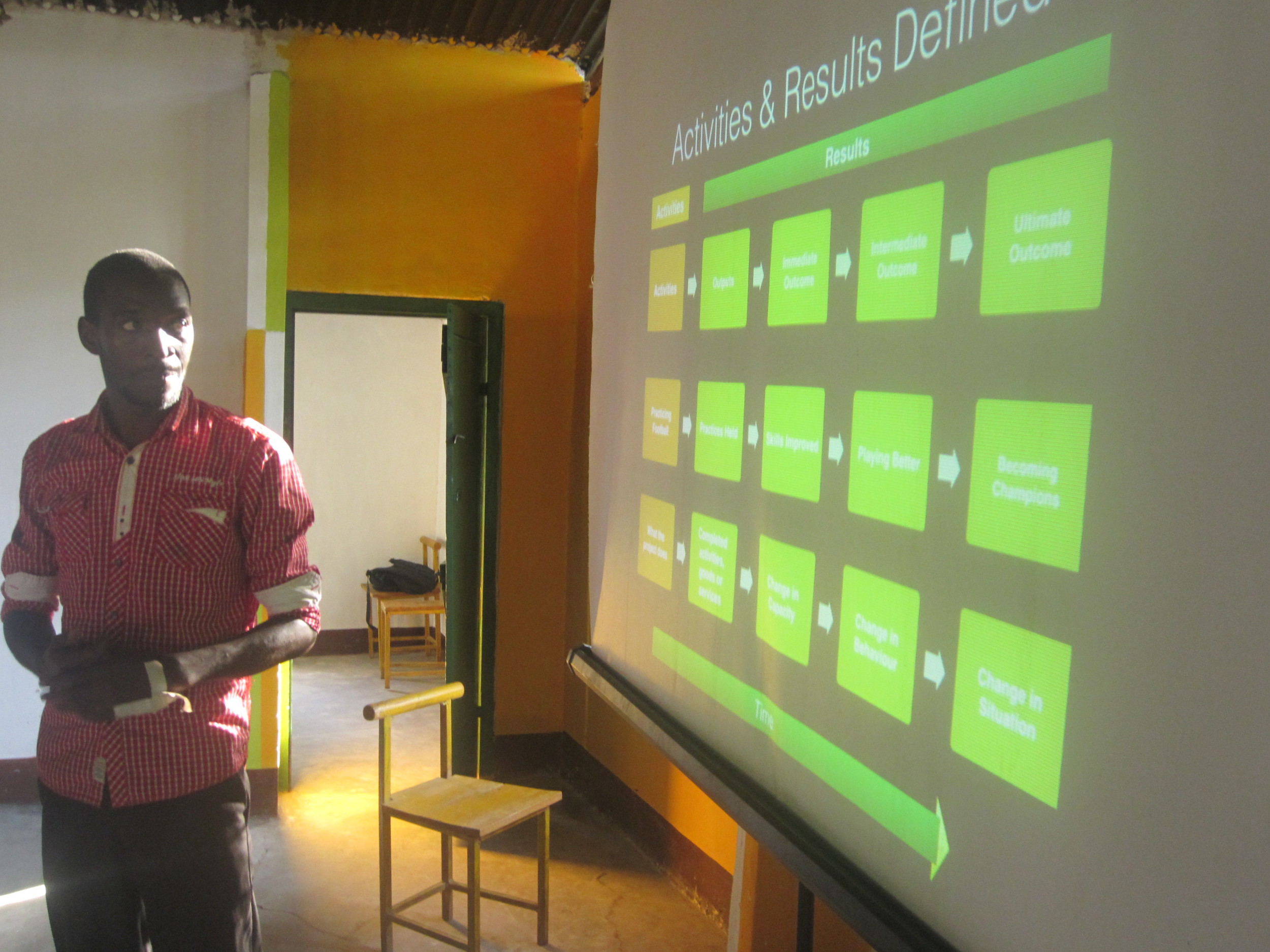
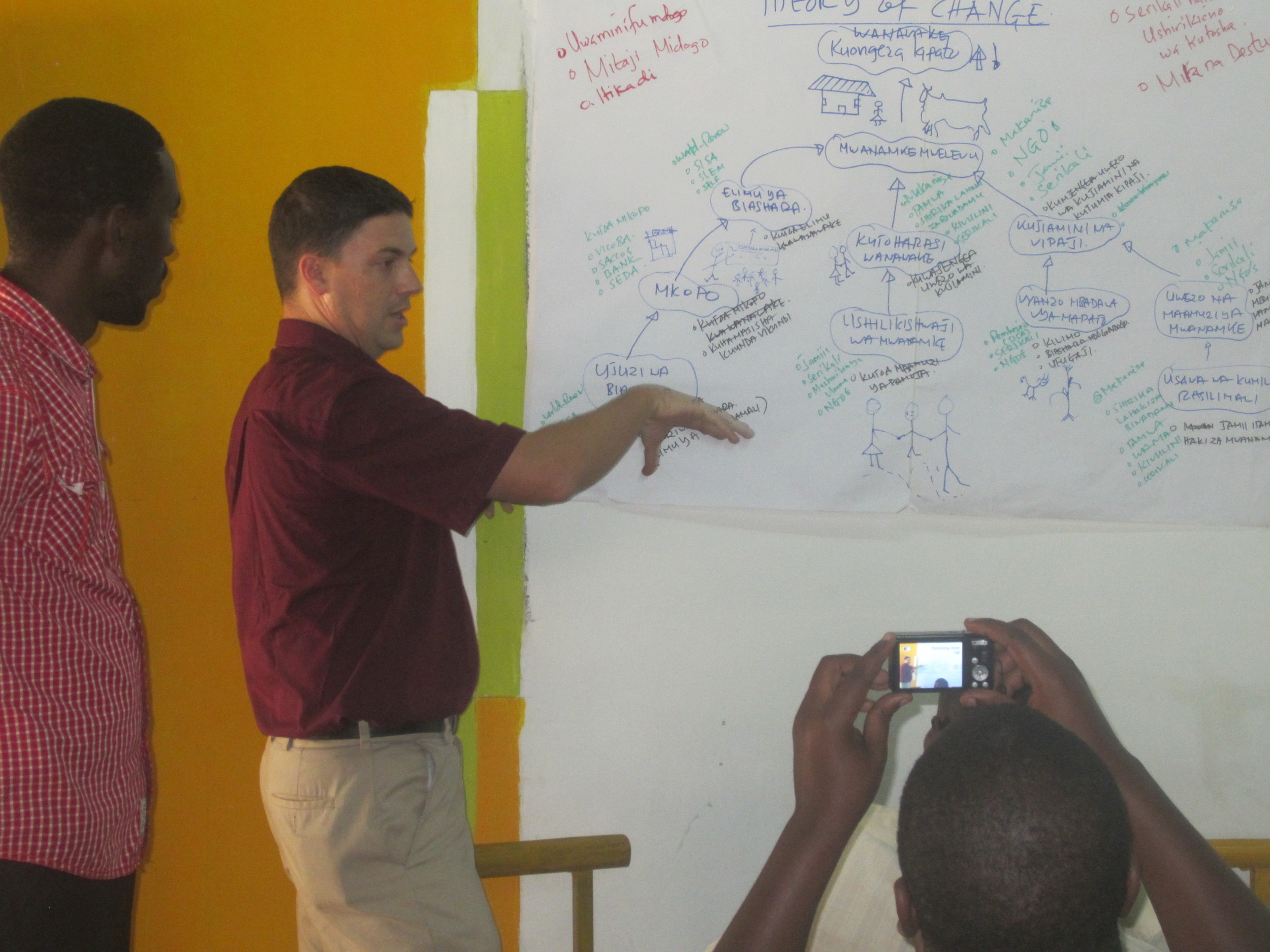
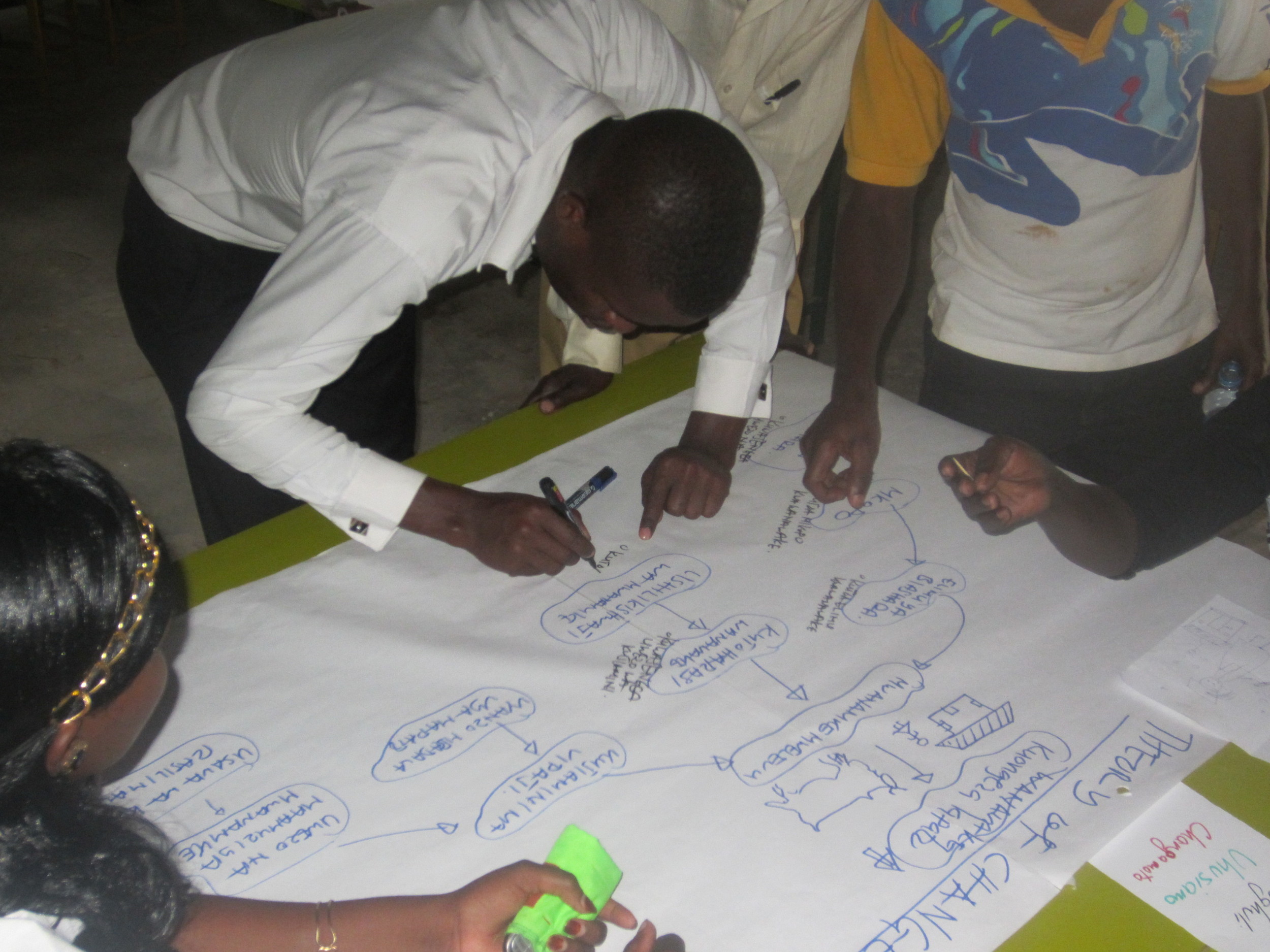
Now, Trish and I are not exactly what you call handy in a conventional sense. We don’t know much about agriculture, micro-finance or community health issues; but we do know a thing or two about program planning and evaluation -- which isn't nearly as exciting as it sounds.... but actually is very useful when you're working in places like Tanzania where community organizations and NGOs really want to make sure that they are making a difference. 

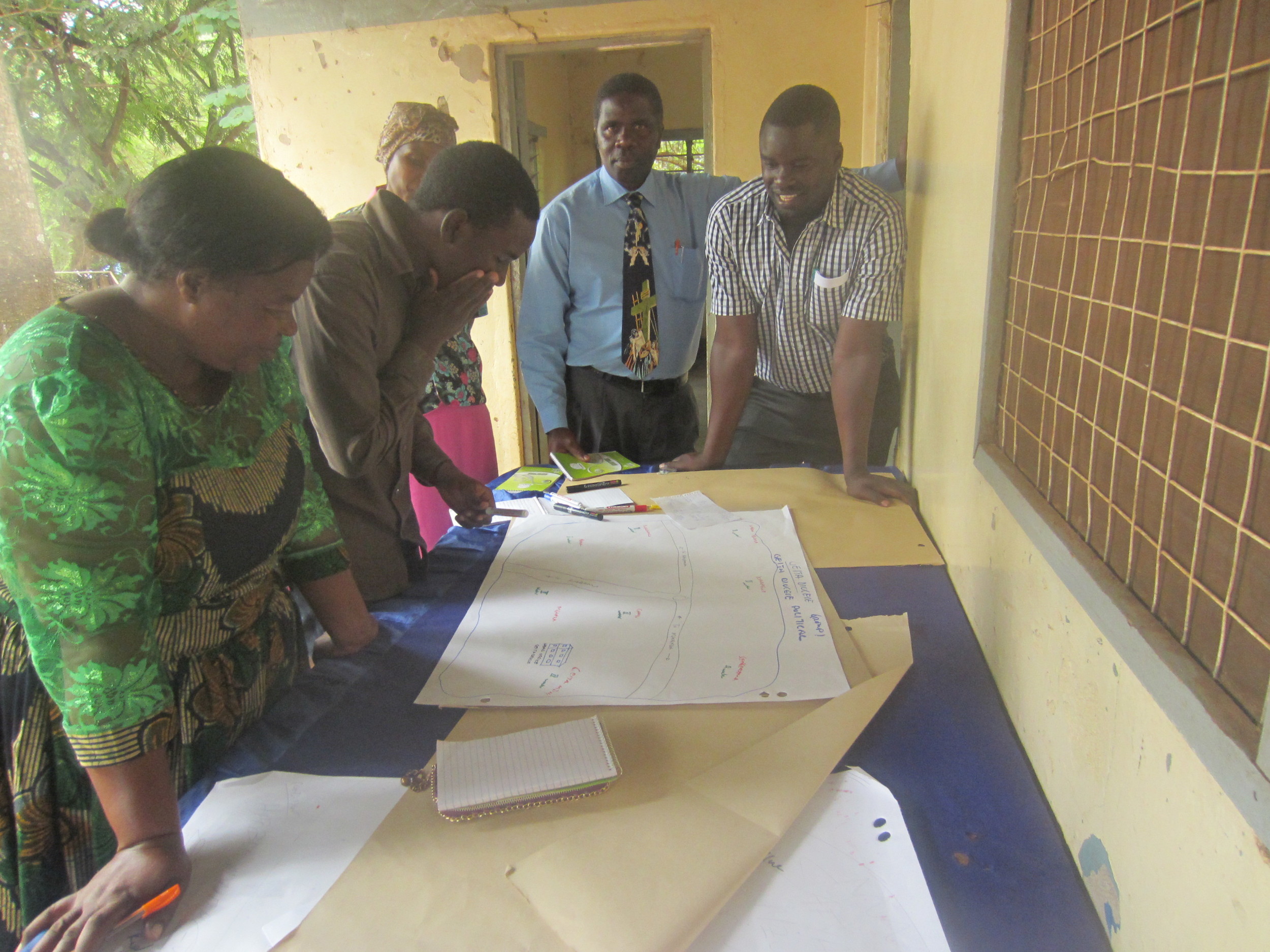
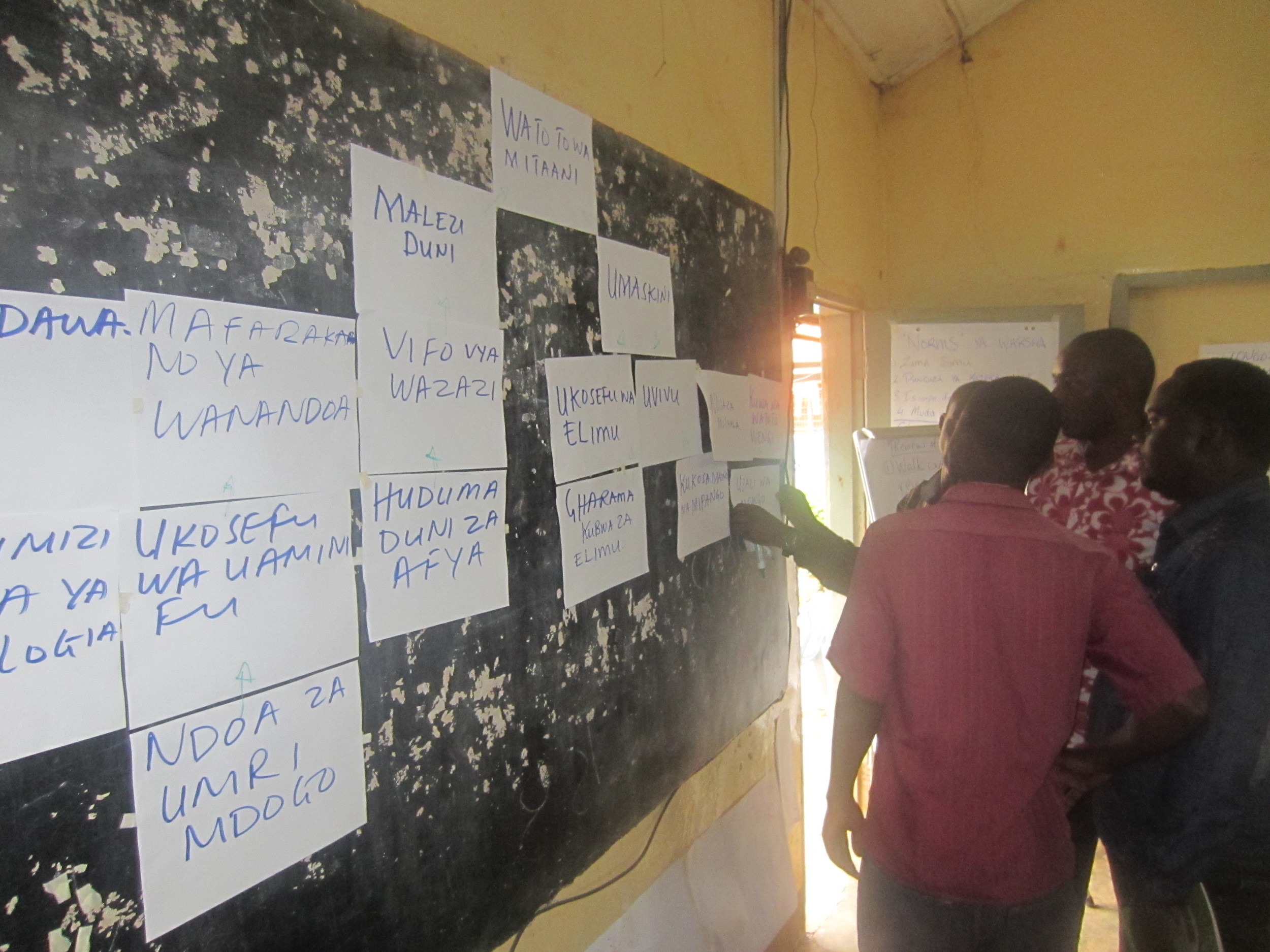
So in the end,, World Renew staff here asked us to work with four partners in Dar es Salaam and in the Mwanza area near Lake Victoria to design and facilitate four workshops on planning, and proposal writing. I also facilitated 2.5 days of strategic planning with World Renew Tanzania's team. In total, we put in something like 20 person days of work. 

Of course, since we’re in Tanzania, we did our best to facilitate a lot of the workshops in Swahili, a language that we have only spoken sporadically since we left Tanzania in 2002. Most of this vocabulary came back quite quickly; the rest was patiently corrected by our Tanzanian colleagues who were pleased that we had remembered so much after so many years away. 

For us, this was a great chance to dip our toes back into development work, to engage with Tanzanians at a deeper level again, and to meet some dynamic staff who are doing some really important work. It was also interesting to visit Mwanza, Geita, Sengerema and Musoma again to see what had (and what hadn't) changed. 

Tricia and I would just like to thank the World Renew Tanzania team: Jim, Chris, Zakayo, Liberator, Grace, Rashidi, Philip and Jeannetta, and to all the partner staff at ACHAMA, AICT Geita, AICT MUD and SISA. And also a shout out to the Ruffians, Zoe and Isaac, for entertaining (and educating) themselves while we worked. Cheers, dh 


Badaa ya Kazi / After Work

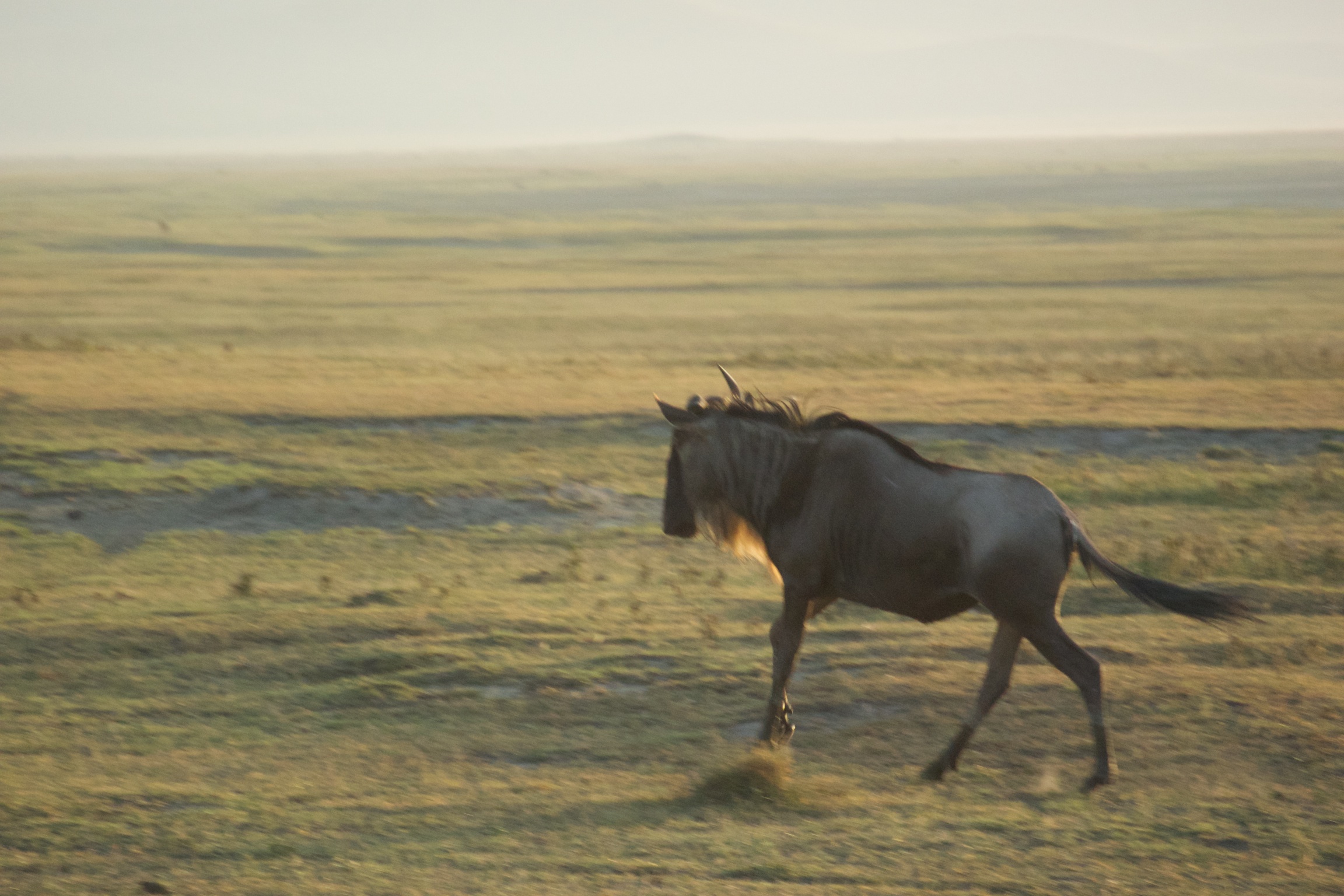
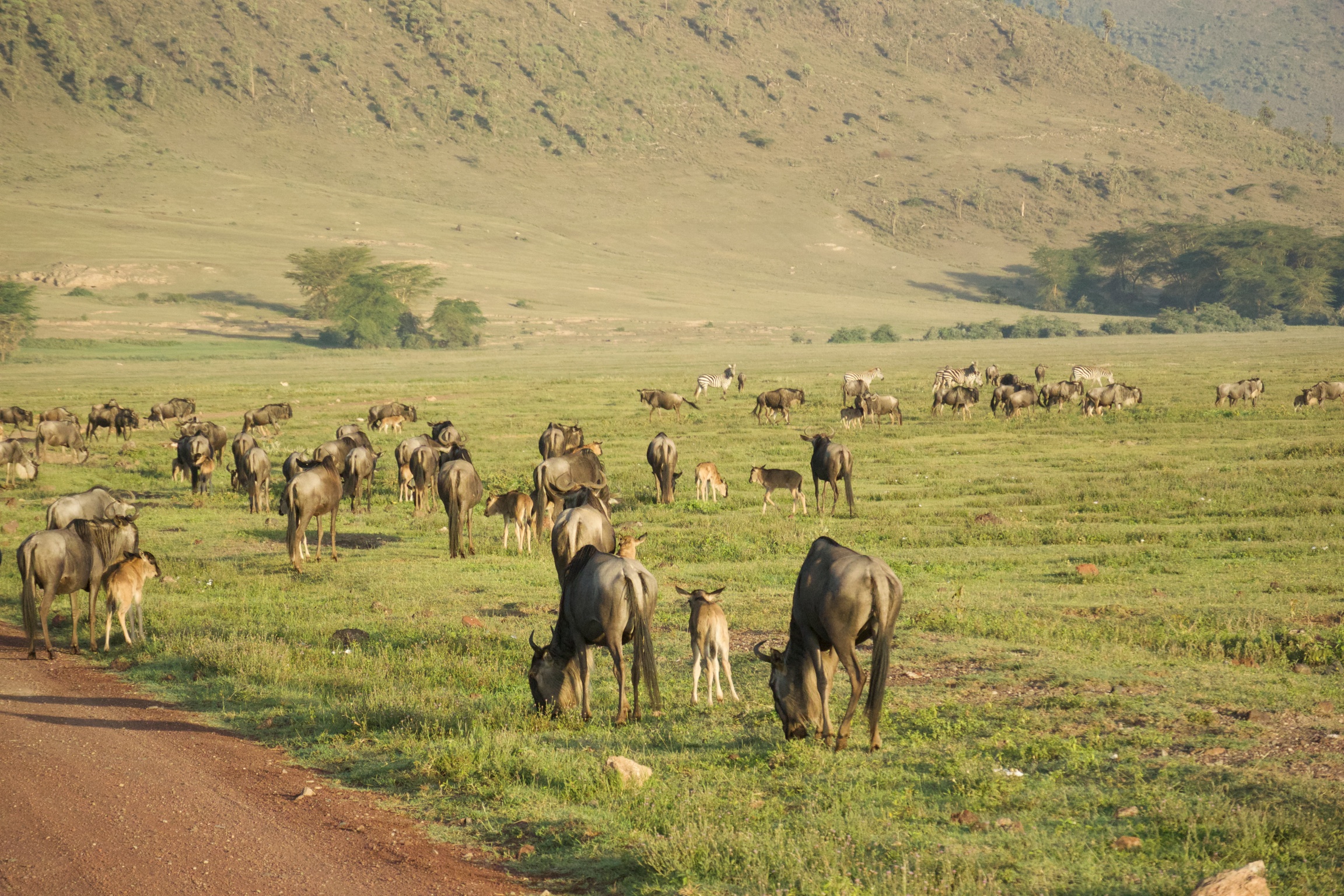
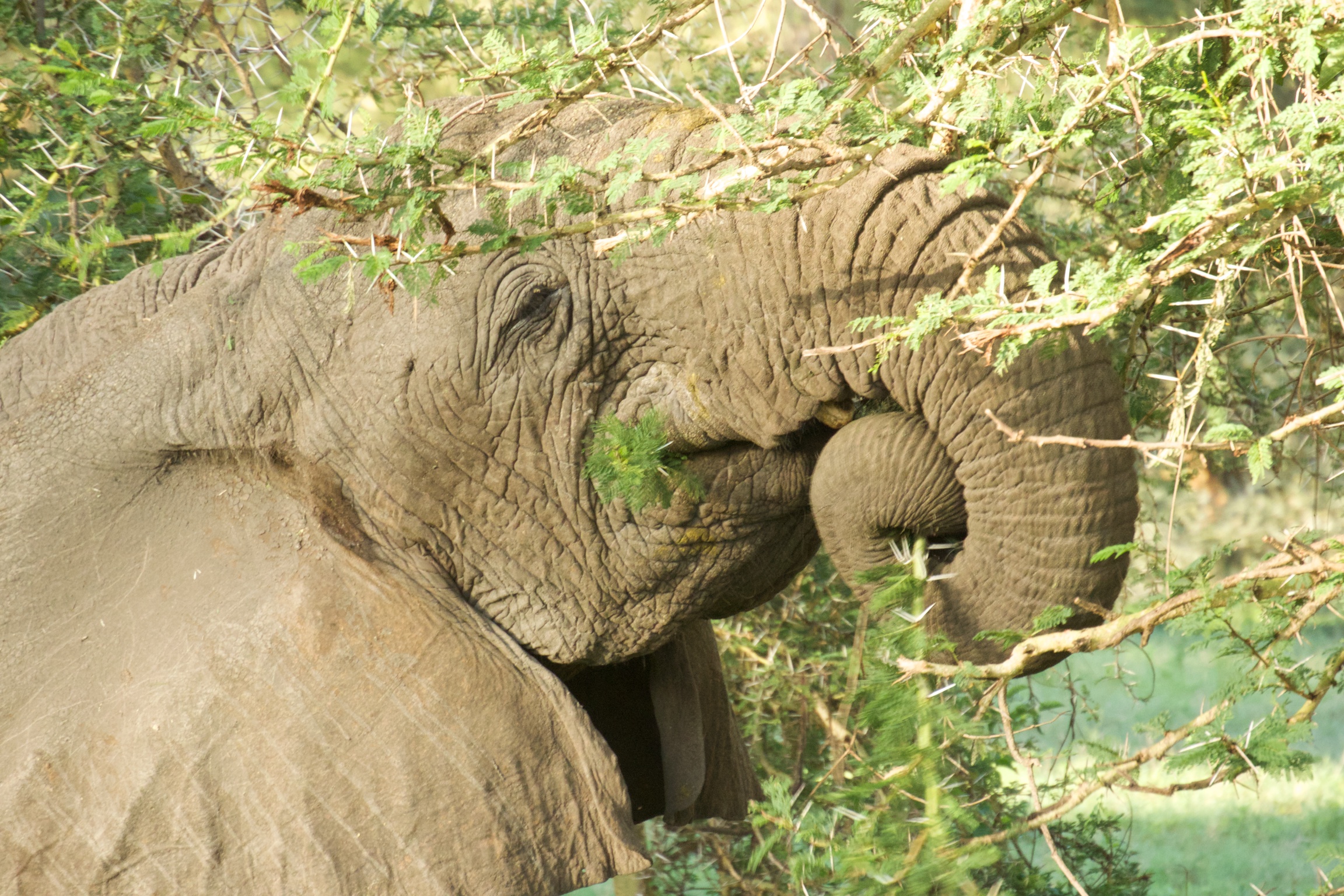
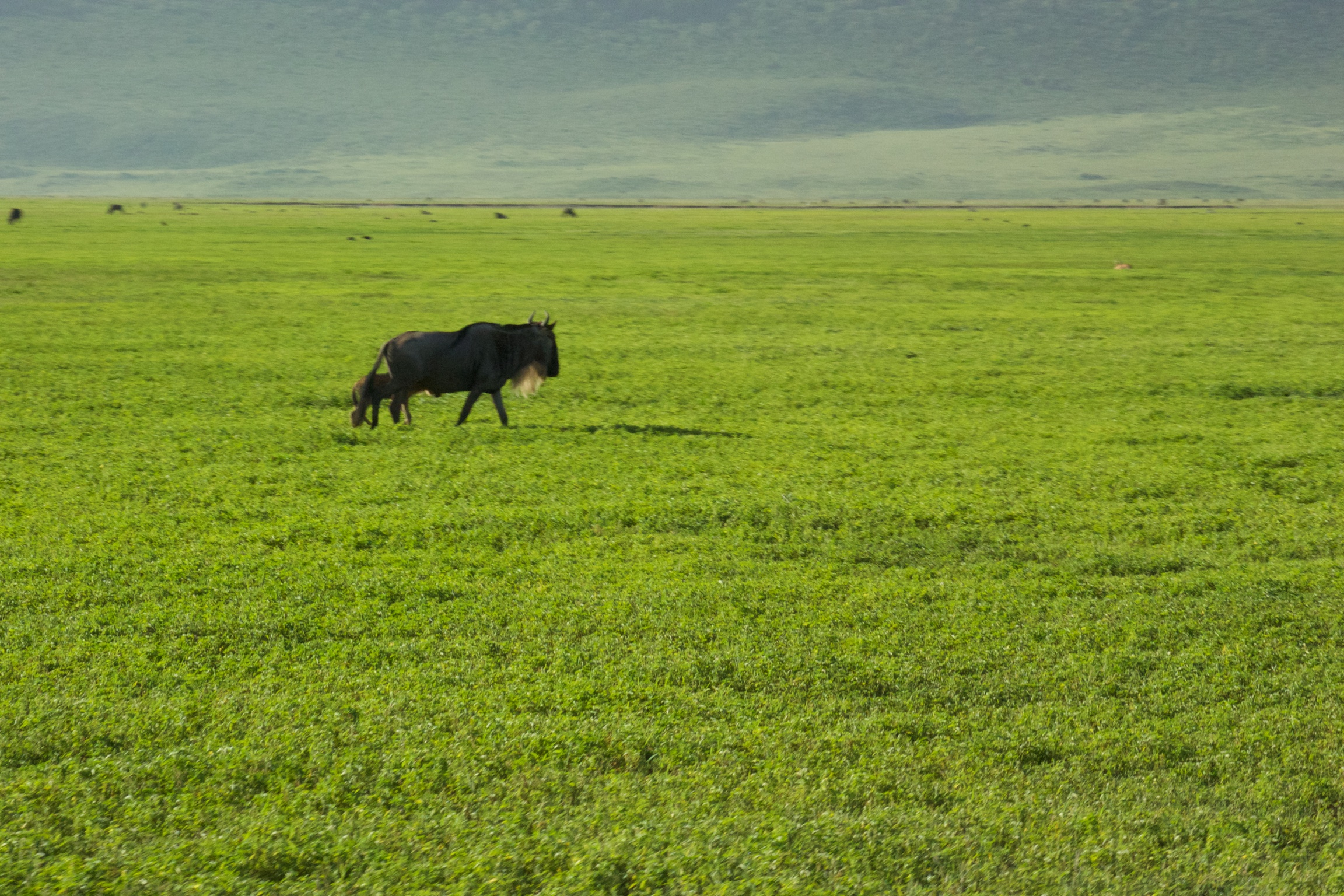
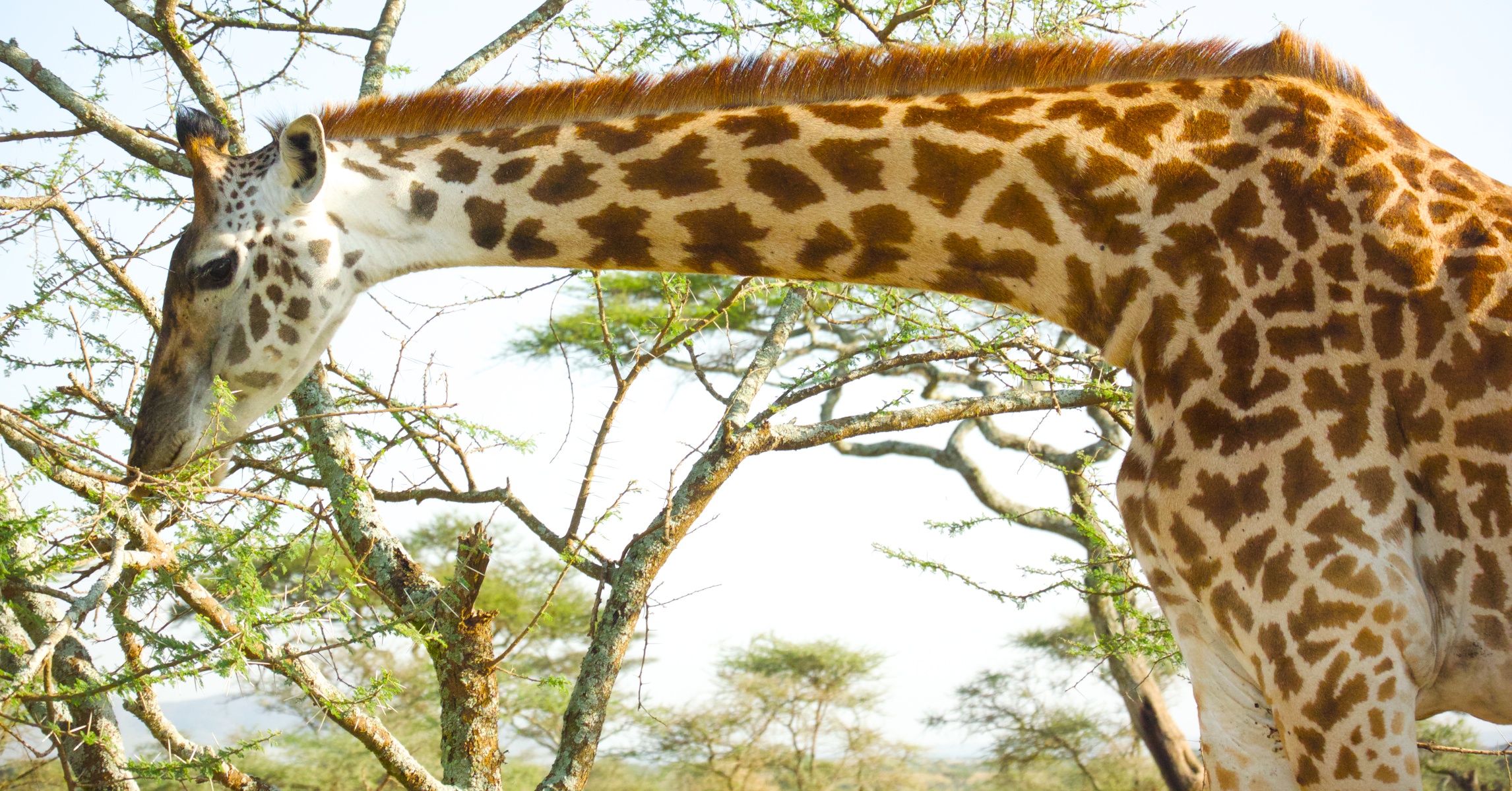
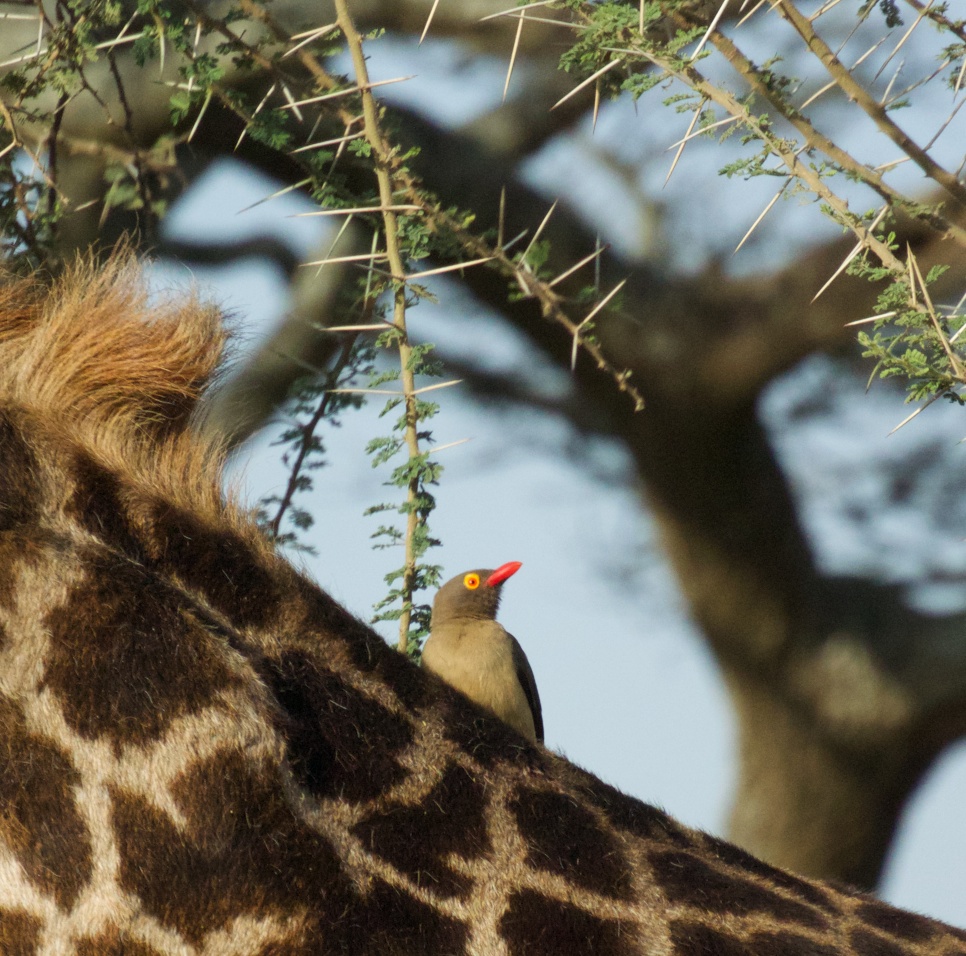
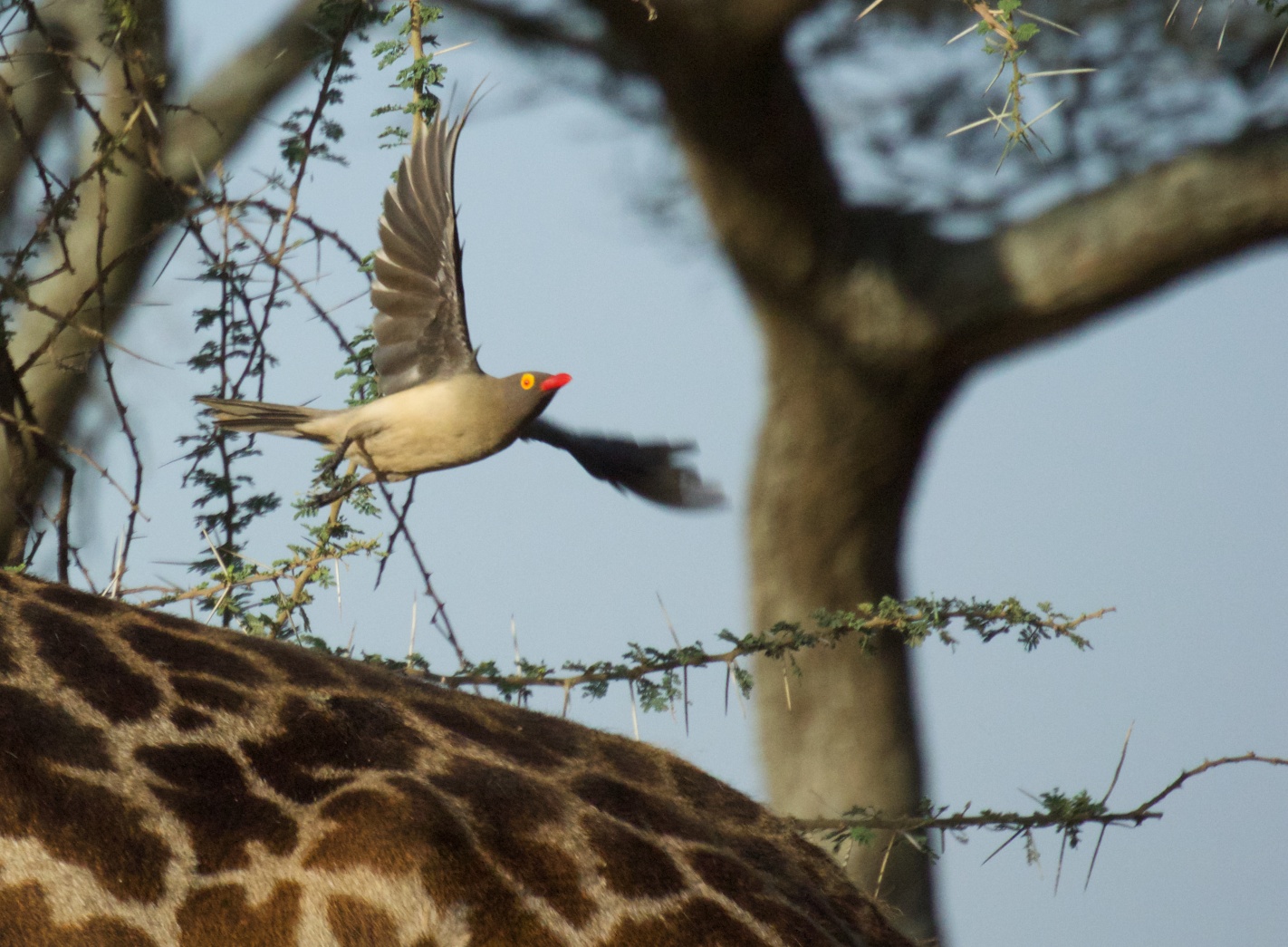
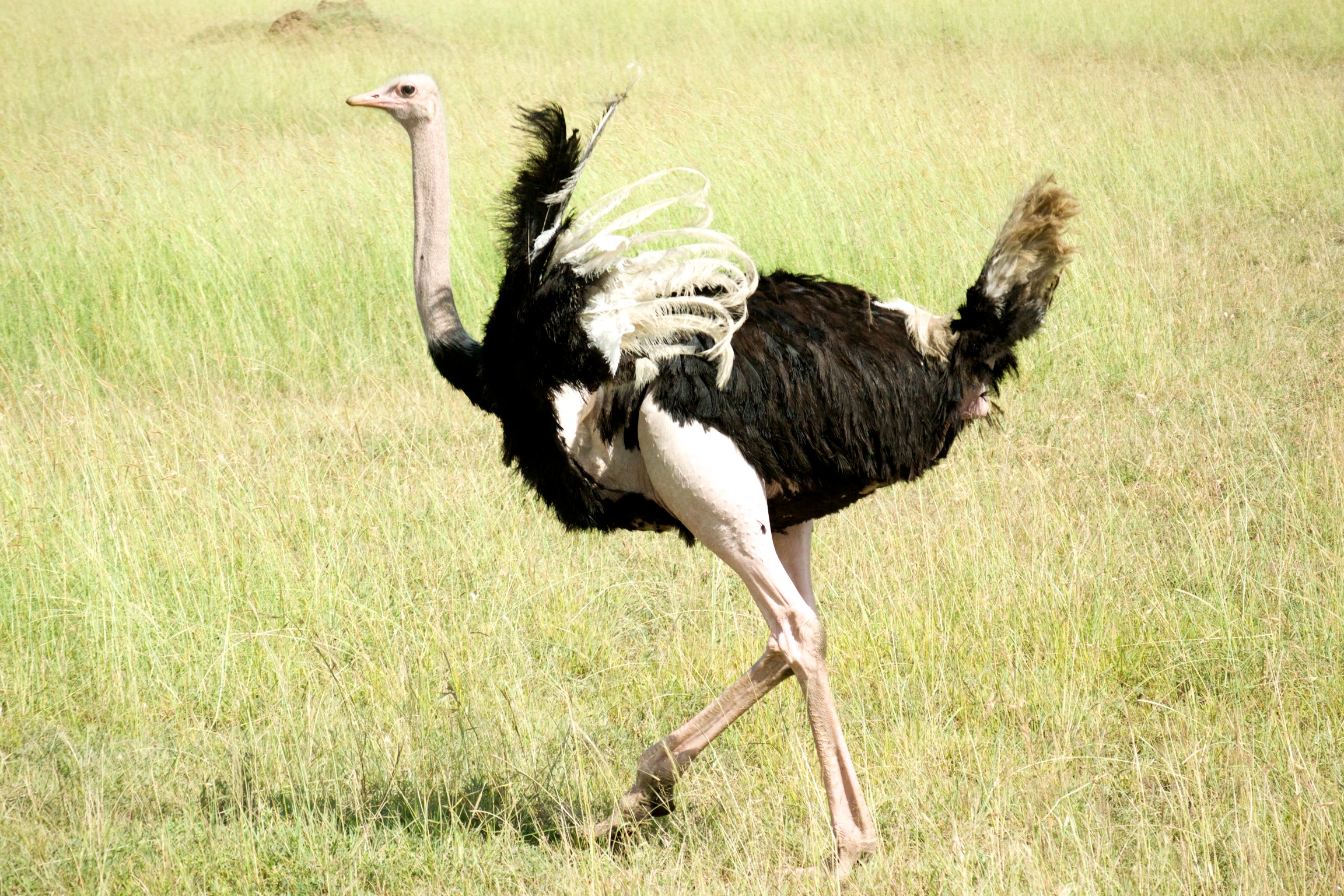
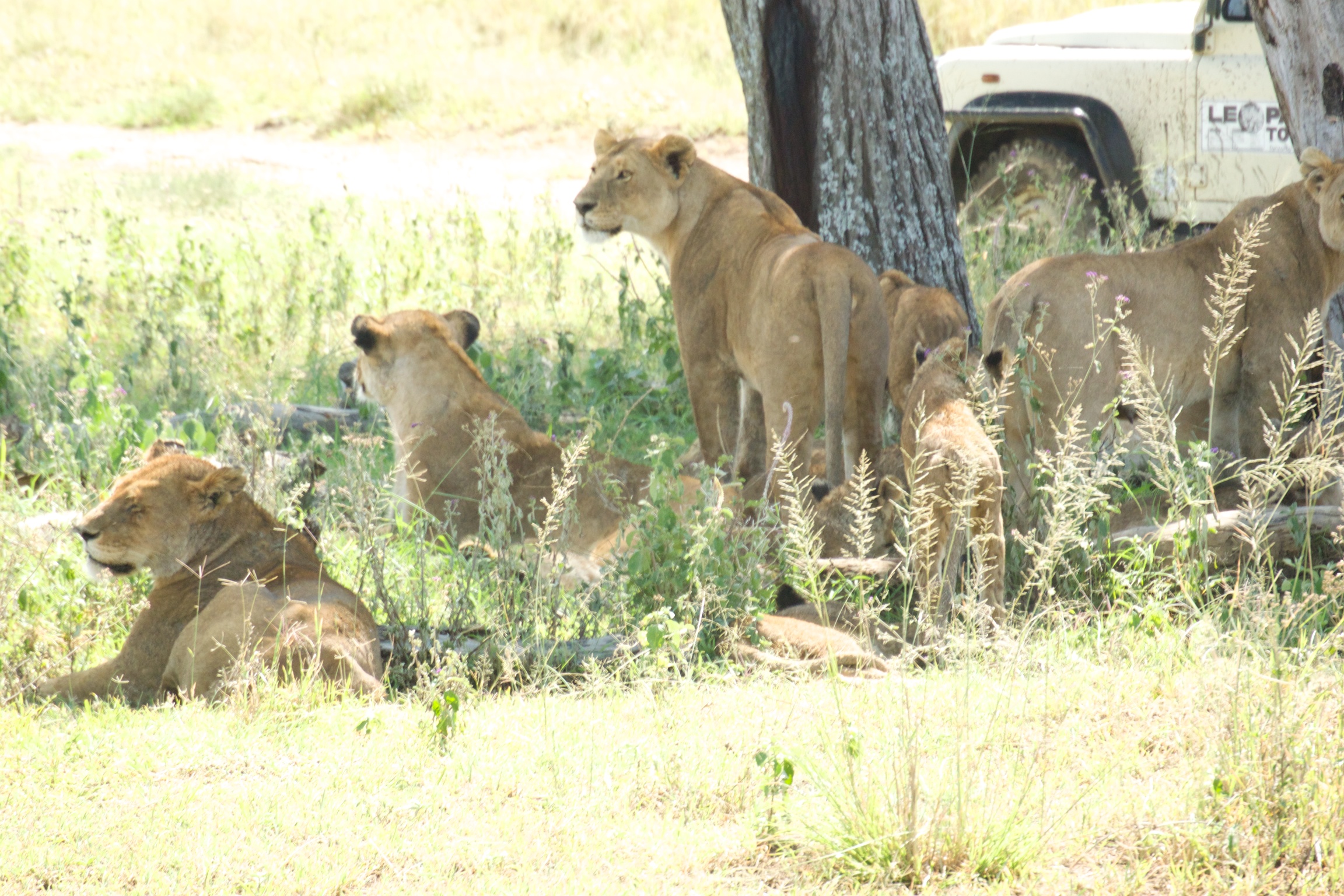
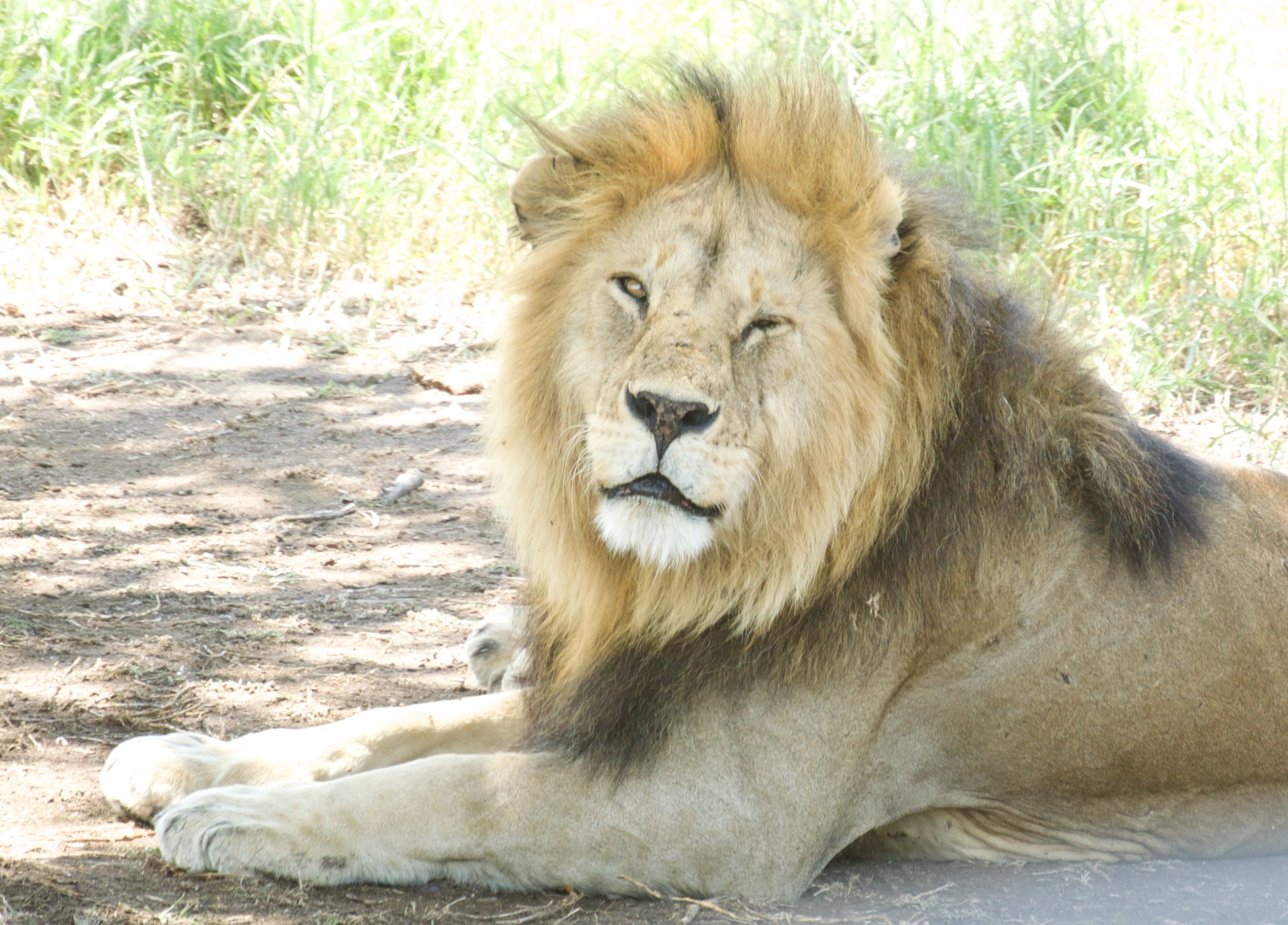
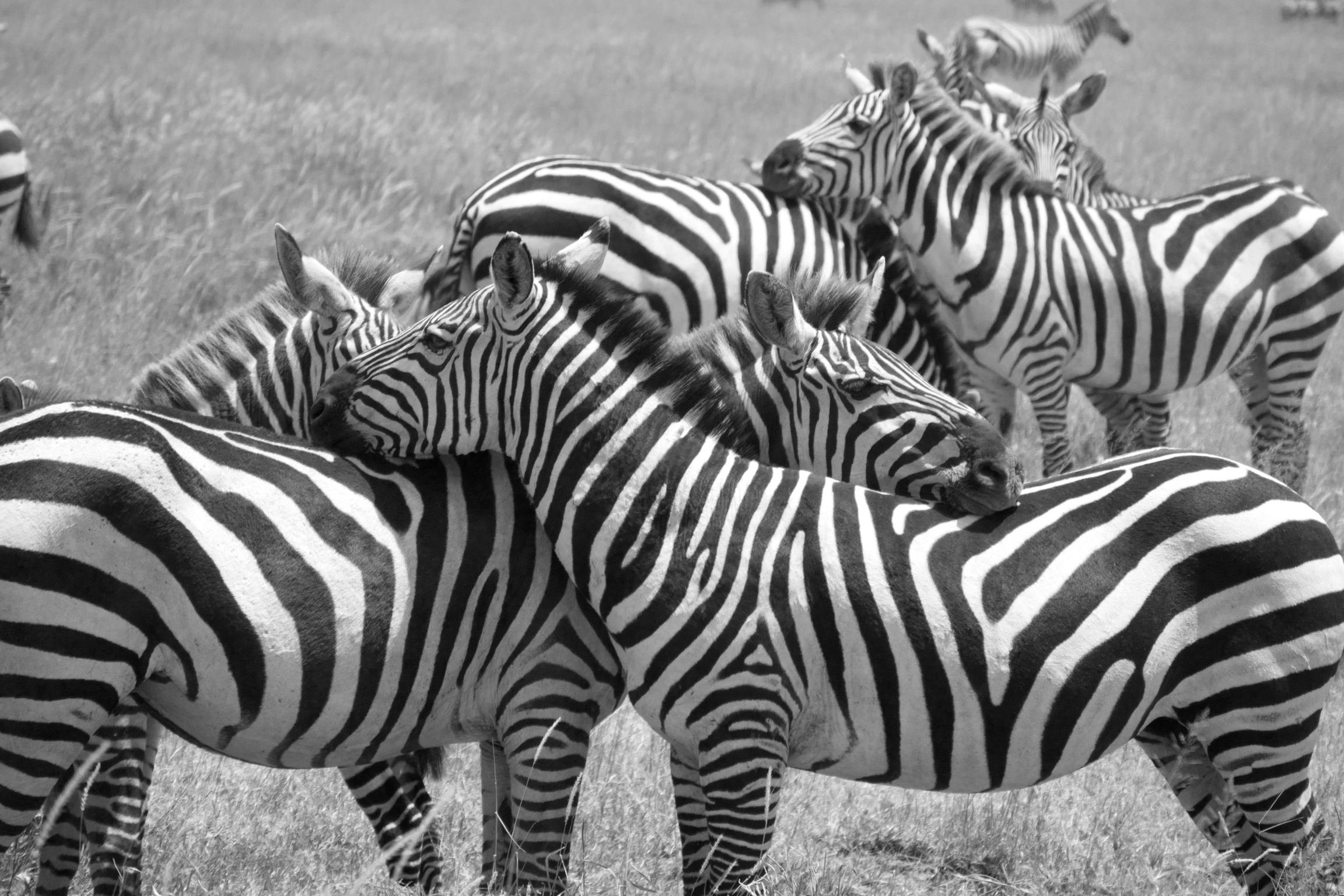
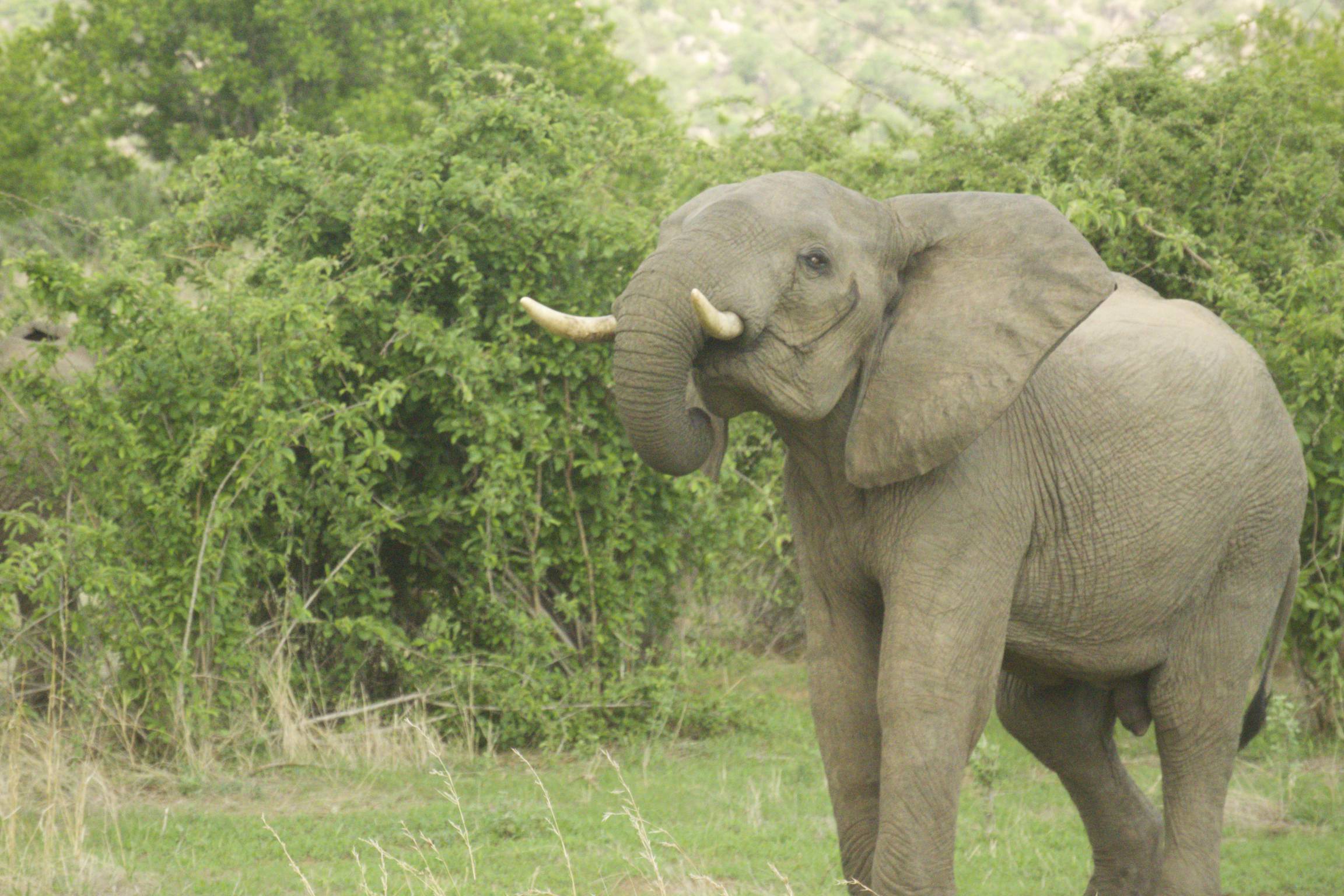
We realized that the shock to our system of working again could only be counter-acted by a does of intensive zoological therapy. As well, the kids had been really great about hanging out and reading while we were taking turns working, so we decided to splurge on a 3-day safari in the Serengeti National Park and the Ngorongoro Crater Conservation Area. These are two of the premier places to see animals in Eastern Africa, and the kids were keen to spot and identify different animals, including (drum roll, please) 62 lions and 5 rhinos. 

Below are some of the pictures that we took: 

Habari za safari?

December 20, 2014 to January 12, 2015 / Dar es Salaam - Iringa - Ruaha - Zanzibar

Sorry for the radio silence. It's been a few weeks since time, laptop and WIFI have converged long enough for me to write a blog post. And even now with a relatively stable internet connection, I"m not sure how long I have before it cuts out, so you'd better read quickly....


Habari za safari? / How is the trip? 

Since you last left your intrepid travellers....we've:

  • bussed 10 hours up to a town in South-Central Tanzania called Iringa to visit our friends, Rama and Baraka for Christmas and to enjoy the cool, evening air at 1,600 m above sea level. I used to visit Iringa every 4-6 weeks for work, and it was nice to see it again;
  • visited with mutual friends, Ralph & Louise, Hugo and Hanna who had come down from Geneva, Switzerland for the holidays too;
  • forayed on a 2-day safari with the aforementioned gang at Ruaha National Park, about 2 hours north of Iringa (see the boxes to the right for a selection of pictures from Ruaha); 
  • celebrated Christmas with Swiss chocolate, German stolen bread, English and Canadian First Nations carols, South African wine and Tanzanian  scorpion -- 15 cm long! -- who crawled out from under our bed to say "Merry Christmas"; 
  • bussed back to Dar es Salaam for an encore performance of the very same Tanzanian melodramas and music videos that we saw on the way down to Iringa; 
  • sailed away on a ferry to Zanzibar to tour around the UNESCO World Heritage Site of Stonetown and to chill out for a few days on the South-East beach with the Canadian delegation to Switzerland;
  • splashed with a flash of dolphins off the south coast of the Unguja Island;
  • ferried our way back to Dar es Salaam to start volunteering with our former employer, World Renew. 

Currently we're holed up in a hotel just north of Dar as I prepare to facilitate a Strategic Planning session for World Renew's Tanzanian program this week.  (This hotel is much nicer than the usual "warm and dry with WIFI" hovels where we usually crash; there's even a pool for the kids and an AC unit to blow off the rainy season's heat and humidity.  But other than that, this is a somewhat-generic-might-as-well-be-anywhere-kind-of-place with interminable jangle-twang of Mexican-Cowboy Movie Muzak echoing through its empty hallways.  I'm often feel like Clint Eastwood walking into a ghost town anticipating a gunfight....).

Habari za safari kubwa? / How is the big trip? 

As the pictures attest, we're really fortunate to be seeing and doing some really cool things. But in between the photo ops there are also more "normal" days that can sometimes feel a bit long. Without having our own place or the set routines of school and work, or if we end up in lonely hotels with gunslinger music serenading the hallway tumbleweeds, we sometimes have a lot of unstructured time on our hands, and its usually then when the homesickness hits. 

On the other hand, it would be exhausting to be on the move all the time, especially in a cross-cultural context where finding gas, food and lodging takes much longer than you'd expect.  So we can't always be in the busy tourist mode. The trick is finding the balance and making the most of each place we visit. 

At any rate, we're looking forward to the week ahead to talk shop with colleagues and to enjoy a few more swims in the Indian Ocean before we head north to Mwanza, Tanzania's second biggest city, to do some more volunteer work.  

Safari njema!


Instanbulagram #4: Istanbul Adieu!

December 3, 2014

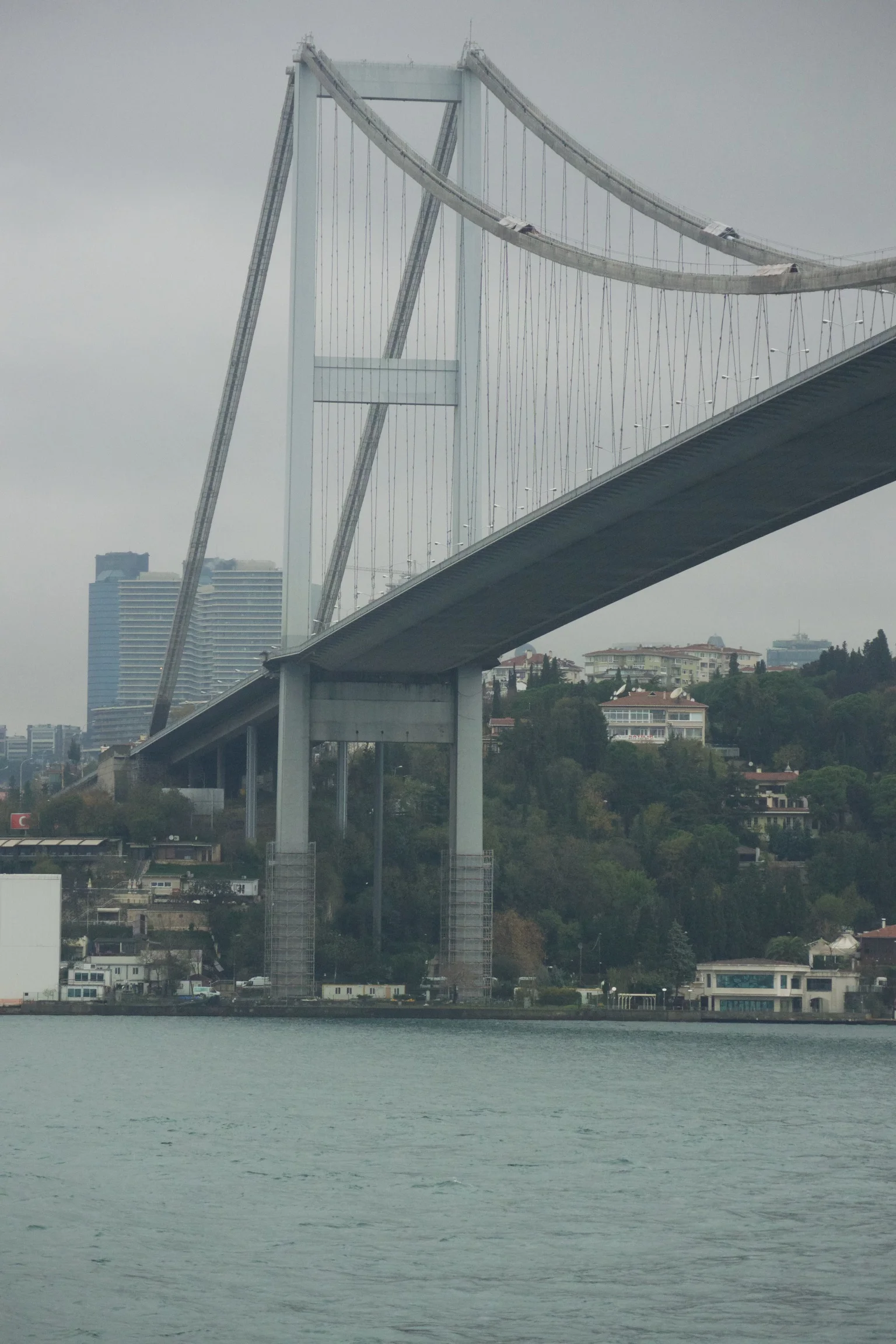
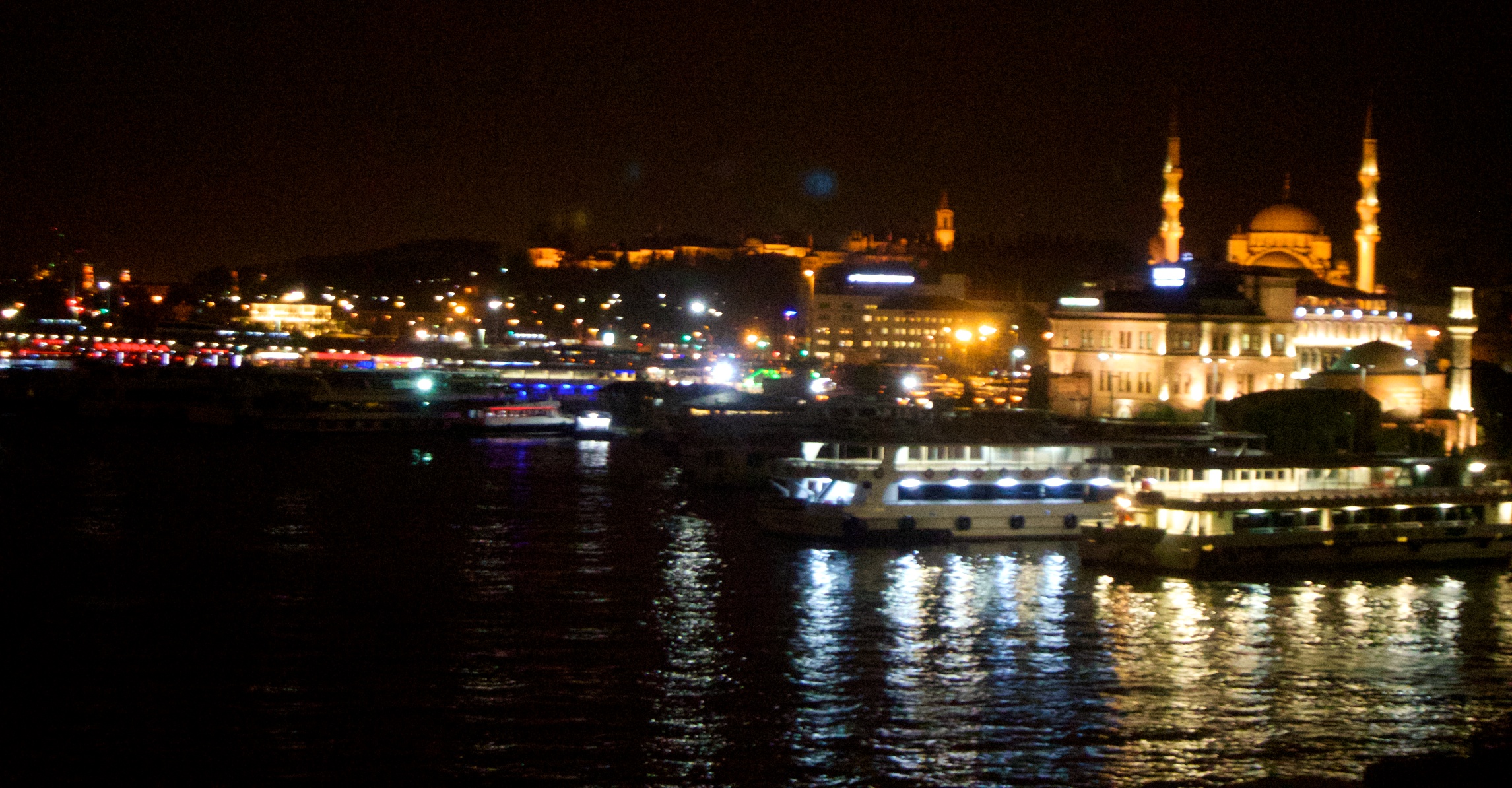
Here are few shots from our last days in Istanbul, including a visit with our friends, Derek and Leia Spencer, and their kids, Logan, Corgan and Gavin; short boat trip up the Bosphorous (towards the Black Sea) and some more random street scenes. 

I met a man on the bridge who was also taking pictures with his phone on the way home from work. "I've lived here for over 20 years," he said sighing as in love, "and there is always something amazing to see". 

Indeed. A la prochaine! 

Our Top Tens of Turkish Delights

Some places that we've been in Turkey. Click to enlarge the map. 

It is hard to imagine, but after 11 weeks and 3,500 km of bus, car, dolmus, kayak, balloon, bicycle, paraglide and plane travel, we are about to wind up our travels in Turkey.

It has been really amazing to have a significant chunk of time to hang out here, but in the end, we really only saw a bit of Western Turkey, and most of those places had been well-beaten by tracking tourists.   

Then again, Turkey has a lot of amazing of places and millions of people come here for a reason. But I feel like we've made a good "downpayment" and that we've left a few things to see in case we can come back here again.   


Cue the Top Ten Lists!!!

To reflect on what we've done and learned, I challenged Tricia and the kids to name their Top Ten Experiences in Turkey.

Here is what they came up with. Click on the buttons below the photos to see our lists. 

Dwayne's Top 10 Turkish Delights

In reflecting on our travels in Turkey, we're all writing our Top Ten Lists. (Click here to read the lists by Tricia, Zoe and Isaac). Here -- drum roll please! -- is my own top ten list (but in no particular order):

  1. Visiting the Blue Mosque and the Aya Sophia in Istanbul. 
    Two incredible buildings of historic, religious and artistic splendour, but there are many more!
     
  2. The tour of the Gallapoli battlegrounds from World War I,  one of many places where empires have clashed over this crossroads of civilizations. 
     
  3. Drinking tea on the back of Brian's boat and swimming in a salt-water hot spring in Çesme
     
  4. Traipsing around ancient ruin sites at Ephesus, Smyrna, Knidos, Xanthos, Letoon, Patara and Aphrodisias, and seeing a few excellent archaeological museums in Antalya, Cannakale, Fethiye and Istanbul. I hate to say it, but we've seen so many ruins that we're all getting a bit blasé about it: "Oh, look! More ancient piles of marble.....". Lucky indeed. 
     
  5. The rally car drive down the Datça Peninsula and the resulting unexpected, ocean adventure with our Aussie friends, the Stringers. It was a great, great day for a motorcar race, and a fine day for a catamaran ride in stormy weather. #athreehourtour
     
  6. Visiting the evacuated Greek town of Kayaköy, the inspiration for the novel, Birds Without Wings. It struck me there how virtually every place was inhabited by someone else before, -- the same goes for Canada -- and that we all tend to hide the shameful parts of our history.  
     
  7. Sea kayaking at Butterfly Bay, just south of Olüdeniz.
     
  8. Tandem paragliding from a height of 1960 m to the beach at Olüdeniz. Another one off my bucket list. 
     
  9. Hot air ballooning in Cappadocia, up to a height of about 6,000 feet and looking down n the crazy fairy chimney landscapes. I was very pleased that Trish, the kids and her dad braved the heights. 
     
  10. Eating amazing food at local Turkish restaurants throughout our travels (with only one exception!) and during our stay with the Indomitable Gauls in Antalya. This is definitely one of the world's premier cuisines, and even though 98% of the restaurants serve only Turkish foods, there is always something new to try. 
     
  11. Wandering the streets of Istanbul, sometimes getting lost, sometimes not caring, so far always finding our home-for-the-night despite the gnarled streets and steep hills. 

Okay, that was eleven, and some of those items are admittedly combos.....But we did a lot more than I can list here, so you'll have to go back and read all about it on the blog
 

On y va! / Twende tu! Tanzania!

In early December, we head off to Tanzania for a similar length of time. Tricia and I lived there between 1998 and 2002, but we've only ever visited briefly for work since, so this will be a bit of homecoming for us. We are also planning to do some volunteering with our former employer there, so it will be a bit of a change of pace from all of our touristing here in Turkey. But we do hope to take the kids to see some of the amazing sights in Tanzania. 

I'm hoping that my Swahili will come back and not entirely displace the French that I learned here in Turkey, as we'll need this again later on in our trip. Mais, nous allons voir / tutaona / we'll see. 

Isaac's Top 10 Turkish Delights

antalya4 4.jpg

As we wrap up our time in Turkey, each of us has drafted a Top Ten List of things that we enjoyed doing here

Here a list from our youngest Road Scholar, Isaac:

  1. Playing FIFA 2015 in a video game arcade in Çanakkale
     
  2. Swimming in the outdoor, saltwater, hot springs near the harbour in Çesme. 
     
  3. Playing footsall in Istanbul at a local playground with some Turkish kids
     
  4. Experimenting with soap bubbles and math games at the Rahim M. Koç Museum in Istanbul. 
     
  5. Making silly photos on Photo Booth and playing Minecraft everywhere we went. 
     
  6. Going on a hot air balloon ride with my grandfather in Cappadocia. 
     
  7. Making spiral-structures out of Kapla with Samuel and Lucie  during our WWOOFing stay near Antalya, and making stop motion videos of dragons attacking them. 
     
  8. Eating coconut macaroons from the Simit bakery in Alsancak, Izmir
     
  9. Playing euchre with Pake (Trish's dad) in Fethiye, and sometimes stacking the deck so that I got a lone hand! 
     
  10. Going to the water slide park near Bodrum on the last day it was open, so we didn't have to wait in line. 

Trish's Top 10 Turkish Delights

As part of our last week in Istanbul, we're all writing down a list of things that we liked in Turkey. Here is my Top Ten list: 

Tricia in her blog post debut!

Tricia in her blog post debut!

  1. Travelling with my kids.  I feel like this trip is a third wave of travelling.  I started travelling with one other female (my sister, or my friend Connie).  Then I travelled solo for work, and that's fine, though frankly a bit boring. 

    Then when Dwayne and I lived in Tanzania, I felt the huge difference of travelling with a fellow.  I remember men on the street wanting to confirm that I was Dwayne's wife, after which they would ignore me (being rather like his property, I was thus invisible). 

    Now travelling with kids in Turkey is a whole other thing again.  People have been unfailingly kind to our kids.  It's been lovely.  And their presence has radically changed the way that Dwayne and I travel.  We knew we'd have to slow right down, which we have.  We have spent way more time hanging out in parks than we would otherwise.  We carry toys in our luggage.  We've got a soccer ball that gets deflated when we're moving, and immediately inflated again when we arrive at the next destination.  We've got Lego, markers and other craft supplies, a frisbee, a kite...  It's a whole other thing, traveling with kids.  I'm so glad we're doing this.
     
  2. Cappadocia.  For me, this was the best part of Turkey.  A fabulous mixture of hiking, exploring caves, rocky beauty and wonder, and fascinating history.  The underground cities were amazing, as was the balloon ride.
     
  3. The ruins.  That includes Ephesus, Knidos, Aphrodisias, the agora in Izmir and more besides.  Folks here through the ages built stuff that lasts.  It's been fun to walk through history, instead of only seeing it cased up under glass in museums.  Here we could sit down and read from e-books in the library of Celsus, stand in the porticos, walk on the marble walk ways, and climb around the temples, do our own races in a stadium, strut and sing in ancient theatres, and debate in council chambers.  Super cool.
     
  4. The ease of travel here.  Turkey has been a pretty low-hassle kind of place.  Buses are clearly marked, roads are smooth, we've been surprised at how easy going most merchants are, even in the grand bazaar or main tourist areas.  Maybe that's because we're in the off-season?  But we've found it remarkably easy to get around in Turkey.
     
  5. Grocery shopping.  I hate any other kind of shopping, but I like buying groceries.  It's so interesting to see what food is available, what's not, what's popular, what gets lumped together in one store, and what you have to find elsewhere.  For example, there's only a little milk available in the refrigerator section, but there umpteen different sizes and brands of yogurt.  You can find a bit of produce, but it's often quite limited, so you have to find out when the local market is, which is chock full of a fabulous variety of fresh stuff.  There are special stores for chicken and eggs.  I don't know which comes first.

    (Now getting more specific....)
     
  6. The hike from Kayaköy to Ölüdeniz.  It was a beautiful walk, and the views over the bays of Ölüdeniz were wonderful
     
  7. Our day kayaking from Ölüdeniz to Butterfly Valley.  It was great to be out on the water.  And doing so on the day when hundreds of paragliders filled the skies was spectacular.
     
  8. Our first time WWOOFing.  We spent two weeks with a lovely family, hoeing, planting, piling rocks, and eating very well. I could WWOOF again.  Maybe in France?
     
  9.  Izmir.  It's a great town.  We had an AirBnB flat just off a cool pedestrian street full of life.  Izmir would be a cool city to live in.
     
  10. Simit stands.  All over Turkey, we've found hot sesame Turkish bagels (simit) being sold for 1 lira (50 cents) from carts on the street or at bakeries.  Yum.  The food in Turkey has been very good!

Zoe's Top 10 Turkish Delights

antalya2 12.jpg

As our time in Turkey comes to a close, each of us has written a Top Ten List of things that we enjoyed doing. Here is mine: 

TOP THREE    

        1. Swimming off of boats in the Mediterranean        Sea in Bodrom and near Knidos.

  1. Real rock climbing near Antalya with Guilliame, Lucie & Samuel. 

     1. Going on a Hot Air Balloon ride in Cappadocia

RUNNERS UP

  1. Visiting Pamukkale and Climbing up the travertine pools in Pamukkale. 
  2. Touring the ancient underground cities in Cappadocia, where Christians used to hide from invaders.
  3. Visiting Aphrodisia, an Ancient Greek-Roman city in souther-western Turkey. 

OTHER FUN THINGS

  1. Staying with Lucie and Samuel near Antalya (and speaking beaucoup de français!)
  2. Reading a book in the Library of Celsus in Ephesus.
  3. the ocean spray game with Isaac in Izmir
  4. Visiting the Aya Sophia, Istanbul
  5. Exploring Istanbul, in Istanbul.(:


Mon nom est Grenadine

November 8-24, 2014 / Near Antalya, Turkey


I Am A Guest

In planning our stay in Antalya, we were pleased to find a farm via the TaTuTa website where we could WWOOF ("Willing Workers on Organic Farms") in exchange for room and board.  Even better, our hosts were from France and have two kids! Formidable!

Charlotte and Guillaume have farmed here for nearly ten years, and both also work part-time teaching French at a local university. The food they produce is all for their own consumption,  and we were delighted to help them harvest and eat oranges, pomegranates, mandarins and lots of fresh vegetables from their garden. 


I Am A Labourer

Our WOOFING work during our two week stay has included:

hercules2.jpg
  • weeding rows of lettuce, leeks, celery and other green vegetables;
  • digging trenches to irrigate the beans that we planted later in the week;
  • pushing 20-or-so wheelbarrows of rocks to reinforce the bottom of a chain link fence around the chicken coop;
  • making pomegranate syrup in a cauldron over a eucalyptus-wood fire;  
  • feeding the rabbits, turkeys, geese, guinea fowl, chickens and ducks that live just beyond the gate;
  • picking up their kids at school;
  • cooking many of the evening meals on the days that both of our hosts worked late;
  • harvesting the last of the beans and tomatoes to prepare for the next planting;
  • building a fence to keep the birds from eating the new grass seed that Guillaume planted in the garden;
  • doing some post-production on a Turkish language version of a video on infant feeding -- Charlotte volunteers with the local La Leche League

After three months of travelling, the chance to do some physical work has been oddly refreshing. Now, I am not just Odysseus, doomed to wander in exile. No! I am Hercules heroically completing his labours by the strength of his will and might, watering the soil with my manly sweat!


I Am A Reader

In the evenings, I am working my way through Turkish Nobel laureate, Orhan Pamuk's My Name is Red, a murder mystery set in the 16th Century Ottoman Empire. Each chapter is told from the perspective of different characters or creatures -- living and dead -- and even objects, and it is never clear until the last chapter who the murder is. Many of the human characters serve as illustrators and calligraphers in the workshop of the Sultan, and their accounts are full of esoteric discourses on the relative aesthetic and moral merits of of Islamic vs. Frankish /Infidel art.

The book is hard slogging at times -- Pamuk breaks every rule of plain language and delights in constructing elaborate discourses and tangential accounts of historical events that can run for pages, even as the as-yet--unnamed culprit is holding a knife to the hero's throat. But having invested 400 pages of my life into this book, and still not knowing who'd-done-it, I had to finish it. (Spoiler alert: It wasn't the butler). 


I Am A Stone

For millions of years, I have been minding my own business, such that I have, bearing the slow erosion of time that rounds my edges and polishes my surface to a smooth patina. Each grain from my body became soil and my gifts of calcium, potassium, phosphorus, and magnesium feed countless, thankless plants around me. The lithospheric cycle that began so many million years ago in a flurry of heat and pressure finally catalyzes a burst of photosynthesis, nourishes the breakfast of some lucky mammal, and returns again to the earth in a steaming pile. Some of my relatives may have been chosen by a so-called "ancient" Greek sculptor who chipped away at their edges to reveal the god within, but I, humble farmyard stone that I am, have been content enough to lie here amidst the detritus and ungrateful humous of those who dwell above. 

Until now:  the indelicate interruption of the pick, the furious hacking of the shovel and the disorientation of flight precedes my abrupt clanking amongst my fellow rocks amidst the rusty din of the wheelbarrow. We hurl headlong down the track, helpless against the pinning force of inertia.

A further indignity follows as I am tossed through the air and I thud against the hard face of the earth, pieces and grains chipping off me as I crash into the limestone nearby. I am then crammed against my comrades along the fence line. and here I will again sit undisturbed for millennia, except for the rude-interjections of urinating dogs and desperate chickens longing for escape into some dangerous unknown world beyond the safe haven that is this farm.

Some day, in the distant future, the tourists will come in their levitating otobuses wearing their plaid, leisure space suits and say: "Mais oui! That is Hodgson's Wall. It was built to last a thousand years.


Je suis un étudiant

Staying with two French teachers, bien sur, means that one must, quoi? parle francais, non? Charlotte and Guillaume turn out to be very patient teachers and let us natter on with only the most critical and timely corrections. Zoe and Trish are lapping this up, and Isaac is starting to understand more than we had expected.

Moi? Well, I'm doing my best to uncover the buried vocabulary and grammar that lies somewhere under the bedrock of my left frontal lobe. Shards of my previous attempts to learn French are uncovered as I dig deeper looking for the right word while the conversing winds blow by me. I do my best to catch up, but get caught on an unfamiliar verb or conjugation and then completely miss the next sentence.  

By the end of the day, my brain hurts and I console myself in the generous vocabulary lessons of our hosts: Bordeaux, Merlot, Cabernet-Sauvignon, Pinot Noir...... The garnet elixir loosens my leaden tongue and makes me believe that for even for just a moment, je peux parler le français.   


I Am Called "Usta" 

"Would you like to give a lecture at the university?" Guillaume asked me the second evening.

"Who ....me?" I asked incredulously. "Give a lecture? About what?"

"Canadian politics, of course. My French language students are very interested in this topic. And as someone from Canada, they would consider you an "Usta" (expert). You could present in French for a small group of twenty or perhaps in English for maybe fifty or so. I'll talk to the students and set it up.

Gulp. Another sip of courage. "Sure....," I say. This certainly wasn't something that I had expected to do while WWOOFIng, mais pourquoi pas?

In the end, the students are busy preparing for exams this week, so they instead offer to interview me in English and post their video on their international-affairs website. The camera rolls as I give forth my considered opinions on Arctic sovereignty, the state of political discourse in Canada, immigration, my fellow citizens' probable amusement at ever being considered a potential super-power -- how, unCanadian! -- and the petro-fixation of our own Dear Sultan, He Who Shall Not Be Ashamed.

But I dodge the final question on press freedom, lest I extend my stay in Turkey inadvertently. Instead, I share how Canadians also face challenges in ensuring freedom of expression, access to information and democratic engagement: the gagging of federally-funded scientists and civil servants; the surveillance of private communication; the refusal to answer questions in the House of Commons, in press conferences, or to respond to access to information requests; the utter contempt displayed for refugees; the termination of the long-form Census that renders all subsequent data and surveys suspect; the auditing of civil society groups that might dare to criticize the oil-at-all-costs platform; and the utter denial of the existential threat of climate change.....But of course, I am free to voice my opinion freely, albeit it as a part-time dissident in a foreign land. Happy am I who can call myself Canadian. 


I am a Corpse

turkey.jpg

Until now, I am still uncertain as to what happened. One minute I was contentedly scratching the ground, picking up a morsel or two of bugs and seeds, and enjoying the souvenirs of fine, French meals that land periodically in the middle of the yard. The next, I am floating somewhere above my feathered body, gazing back upon my recently-off-shuffled, mortal coil as I enter into the limbo of Bazarkh to contemplate my sins before the Day of Judgement.  

Was it the cruel fangs of that foul hound of hell that dispatched me? Or some stealthy malady acquired from the drinking of rainwater next to the pen? Or perhaps it was a jinn brought to the household by those Infidels who arrived last week? Those Frankish fools who couldn't even speak a word of proper Turkish and who mocked our noble dialect with their high-pitched gobble, gobble, gobble. I will never know the identity of the culprit who did me in, but forever in Paradise I will speak of how happy I was to be one who could call myself a turkey. 


I am a Traveller

I have always been uncomfortable with the title, "tourist". For me, it evokes an image of a middle-aged man with a loud shirt and a camera around his neck complaining about how the food / service / transport / scenery / whatever is not as good as it is "back home".  I prefer the term, "traveller" because after all, my shirt is a boring grey. 

At the same time, we can't help but enjoy some of the local touristic sites near Antalya, and we make the most of our time by visiting the local museum with its splendiferous sculptures of Ancient Greek gods and goddesses; ascending one of the rock faces of the local sports climbing area; and partaking in that most-ancient-yet-now-primarily-touristic-of-Turkish-experiences, a bath in a six-hundred-year-old Ottoman hamman. Towards the end of our stay, we also made a pilgrimage to Aphrodisias, another ancient Greek-Roman city high in the mountains, and splashed about the geological curiosity of Pamukkale (Cotton Castle), a series of cascading, calcite rock formations and hot springs. All wondrous things that are well worth the trip. 


I Am a Pomegranate

Frap frap frap frap frap.....the wooden spoon hits one half of me and I spew out my seeds into the bowl, staining the table with the deep red-purple of my life blood.

The colour is reminiscent of sunsets in distant lands, the robes of royalty, the glint of Merlot in the sommelier's glass, the deep tone of garnet set in the stones of the rings made for the concubines in the harems of the Sultan, and the blood of the martyrs spilled upon the battlefields of Persia, Babylon, Gallipoli, and throughout so much of Anatolia.  

The Infidel children submit me to further humiliation as they tromp, tromp, tromp and squish my last drops between their toes and gleeful giggling. 

The next moment, I feel my essence being poured into the scalding cauldron, the smell of eucalyptus smoke augmenting my potency as I release my tearful prayers to the heavens. In my reduction, I grow stronger, thicker, sweeter. 

Soon I shall grace the salads of the Sultans, or perhaps provide succour/ sucre to the indomitable Gauls residing in Antalya and the next weary travellers who labour heroically chez eux